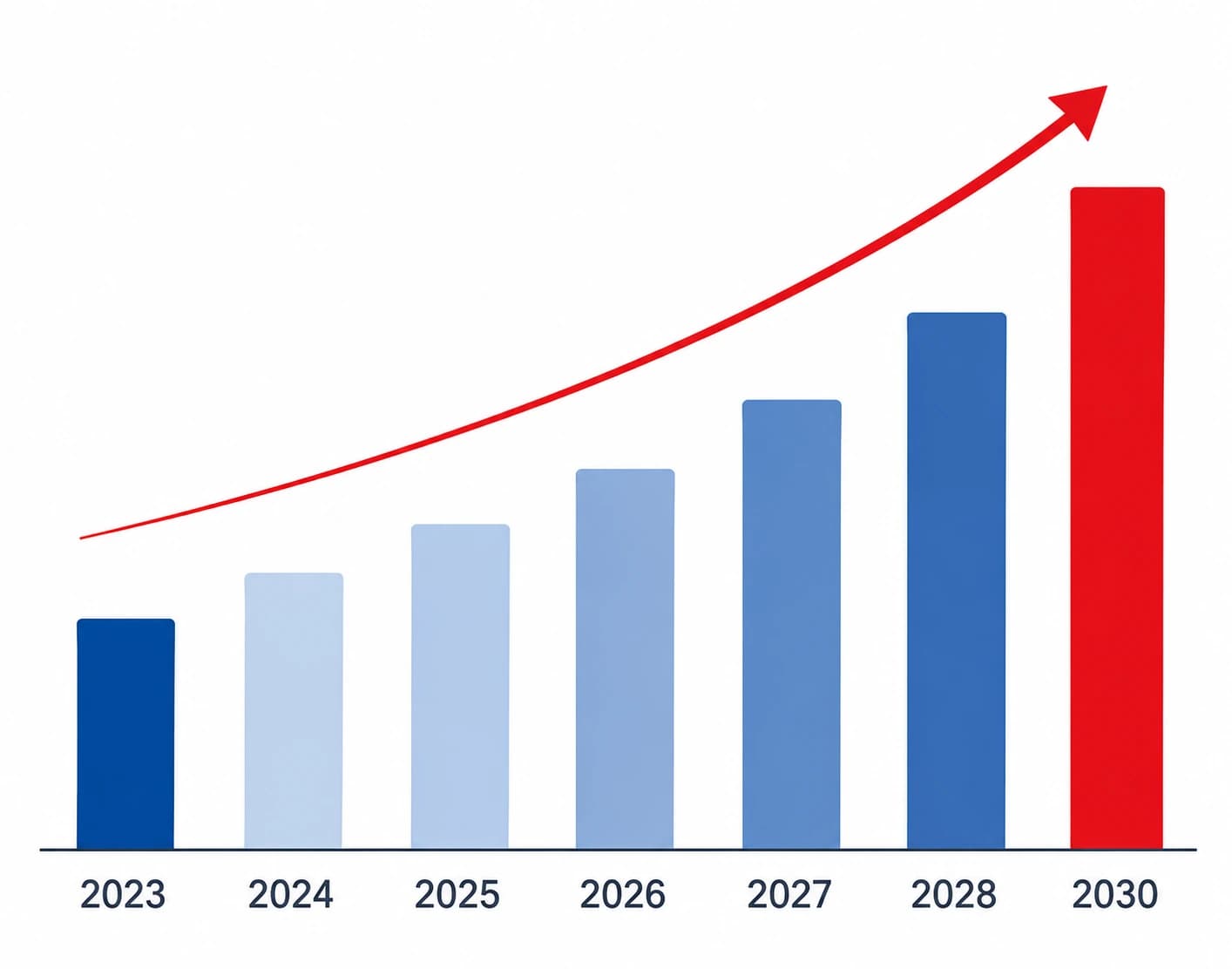
The global Chicken Thigh Deboning Machine market was valued at US$ 403 million in 2025 and is anticipated to reach US$ 580 million by 2032, witnessing a CAGR of 5.4% during the forecast period 2026-2032.
In 2024, global Chicken Thigh Deboning Machine production reached approximately 10340 units, with an average global market price of around K US$ 37 per unit. The Chicken Thigh Deboning Machine is a high-precision food processing equipment specifically designed to automatically separate the thigh bone (femur) from the surrounding meat. It employs sophisticated mechanisms, such as contouring clamps, positioning pins, and cutting elements, to accurately grasp and secure the chicken thigh. Through a clever mechanical motion, it then cleanly separates the bone from the attached meat. The primary objectives are to maximize meat yield, maintain the integrity and appearance of the deboned product, and meet the demands of high-volume, high-hygiene production, making it a key asset in adding value within the further poultry processing industry. The gross profit margin of the Chicken Thigh Deboning Machine is about 30% -45%, and the single line production capacity is about 300 units. In the manufacturing cost of chicken thigh bone removal machine, high-precision mechanical components (such as customized fixtures, special steel cutting tools, precision guide rails and bearings) and control systems (servo motors, PLC, human-machine interface) account for the highest proportion, about 60% -75%; R&D and engineering design (process development for different raw materials) account for about 15% -20%; The labor and manufacturing costs for precision machining, assembly, and debugging account for approximately 10% -15%; The core of its cost lies in the highly integrated added value of mechanical design, motion control technology, and food technology. On the upstream side, the industry consumes high specification stainless steel, special alloy steel, precision transmission components, and industrial automation control systems. The downstream consumption is directly related to the global production of boneless poultry meat, and a high-speed boneless machine can process millions of chicken thighs annually. The downstream customers are mainly large poultry processing enterprises, prefabricated vegetable manufacturers, and central kitchens, whose equipment investment is driven by the strong demand for bone and meat products in the end market, labor shortages, and the urgent need to improve production rates and product consistency.
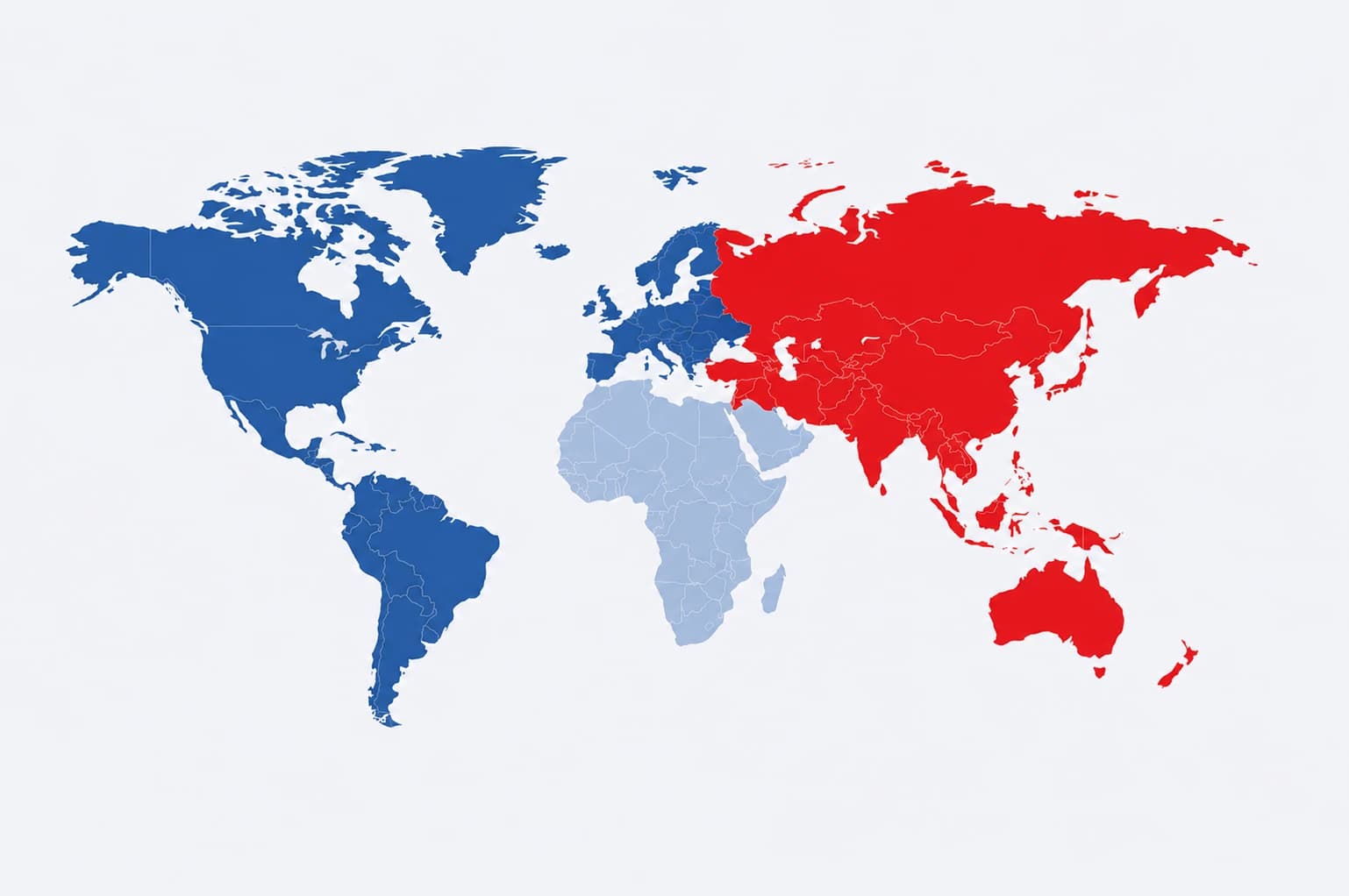
North American market for Chicken Thigh Deboning Machine is estimated to increase from $ million in 2025 to reach $ million by 2032, at a CAGR of % during the forecast period of 2026 through 2032.
Asia-Pacific market for Chicken Thigh Deboning Machine is estimated to increase from $ million in 2025 to reach $ million by 2032, at a CAGR of % during the forecast period of 2026 through 2032.
The major global manufacturers of Chicken Thigh Deboning Machine include Meyn, Cantrell, Foodmate, Poultry Processing Equipment, Marel, Szlachetstal, BAADER Poultry, Dutch Poultry Technology, Mayekawa, Steen, etc. In 2025, the world's top three vendors accounted for approximately % of the revenue.
This report aims to provide a comprehensive presentation of the global market for Chicken Thigh Deboning Machine, with both quantitative and qualitative analysis, to help readers develop business/growth strategies, assess the market competitive situation, analyze their position in the current marketplace, and make informed business decisions regarding Chicken Thigh Deboning Machine.
The Chicken Thigh Deboning Machine market size, estimations, and forecasts are provided in terms of sales quantity (Units) and revenue ($ millions), considering 2025 as the base year, with history and forecast data for the period from 2021 to 2032. This report segments the global Chicken Thigh Deboning Machine market comprehensively. Regional market sizes, concerning products by Type, by Application, and by players, are also provided.
For a more in-depth understanding of the market, the report provides profiles of the competitive landscape, key competitors, and their respective market ranks. The report also discusses technological trends and new product developments.
The report will help the Chicken Thigh Deboning Machine manufacturers, new entrants, and industry chain related companies in this market with information on the revenues, sales, and average price for the overall market and the sub-segments across the different segments, by company, by Type, by Application, and by regions.
Chapter 1: Introduces the report scope of the report, executive summary of different market segments (by region, product type, application, etc), including the market size of each market segment, future development potential, and so on. It offers a high-level view of the current state of the market and its likely evolution in the short to mid-term, and long term.
Chapter 2: key insights, key emerging trends, etc.
Chapter 3: Manufacturers competitive analysis, detailed analysis of Chicken Thigh Deboning Machine manufacturers competitive landscape, price, sales and revenue market share, latest development plan, merger, and acquisition information, etc.
Chapter 4: Provides profiles of key players, introducing the basic situation of the main companies in the market in detail, including product sales, revenue, price, gross margin, product introduction, recent development, etc.
Chapter 5 & 6: Sales, revenue of Chicken Thigh Deboning Machine in regional level and country level. It provides a quantitative analysis of the market size and development potential of each region and its main countries and introduces the market development, future development prospects, market space, and market size of each country in the world.
Chapter 7: Provides the analysis of various market segments by Type, covering the market size and development potential of each market segment, to help readers find the blue ocean market in different market segments.
Chapter 8: Provides the analysis of various market segments by Application, covering the market size and development potential of each market segment, to help readers find the blue ocean market in different downstream markets.
Chapter 9: Analysis of industrial chain, including the upstream and downstream of the industry.
Chapter 10: The main points and conclusions of the report.
- ★ What Is The Overall Market Size And Projected Growth Rate Across Global And Regional Segments?
- ★ How Does The Market Size And Growth Outlook Vary Across Major Countries?
- ★ Which Region Or Market Sub-Segment Is Anticipated To Dominate Growth During The Forecast Period?
- ★ What Are The Primary Factors Expected To Drive Market Expansion, And What Challenges May Restrain Growth?
- ★ Which Emerging Technologies And Market Trends Are Shaping The Future Landscape?
- ★ What Are The Most Significant Opportunities Available In The Market?
- ★ Who Are The Leading Manufacturers Actively Participating In The Global Market?
- ★ Which Company Currently Holds The Largest Share Of The Market?
- ★ What Are The Potential Growth Avenues For New Entrants In The Global Market?