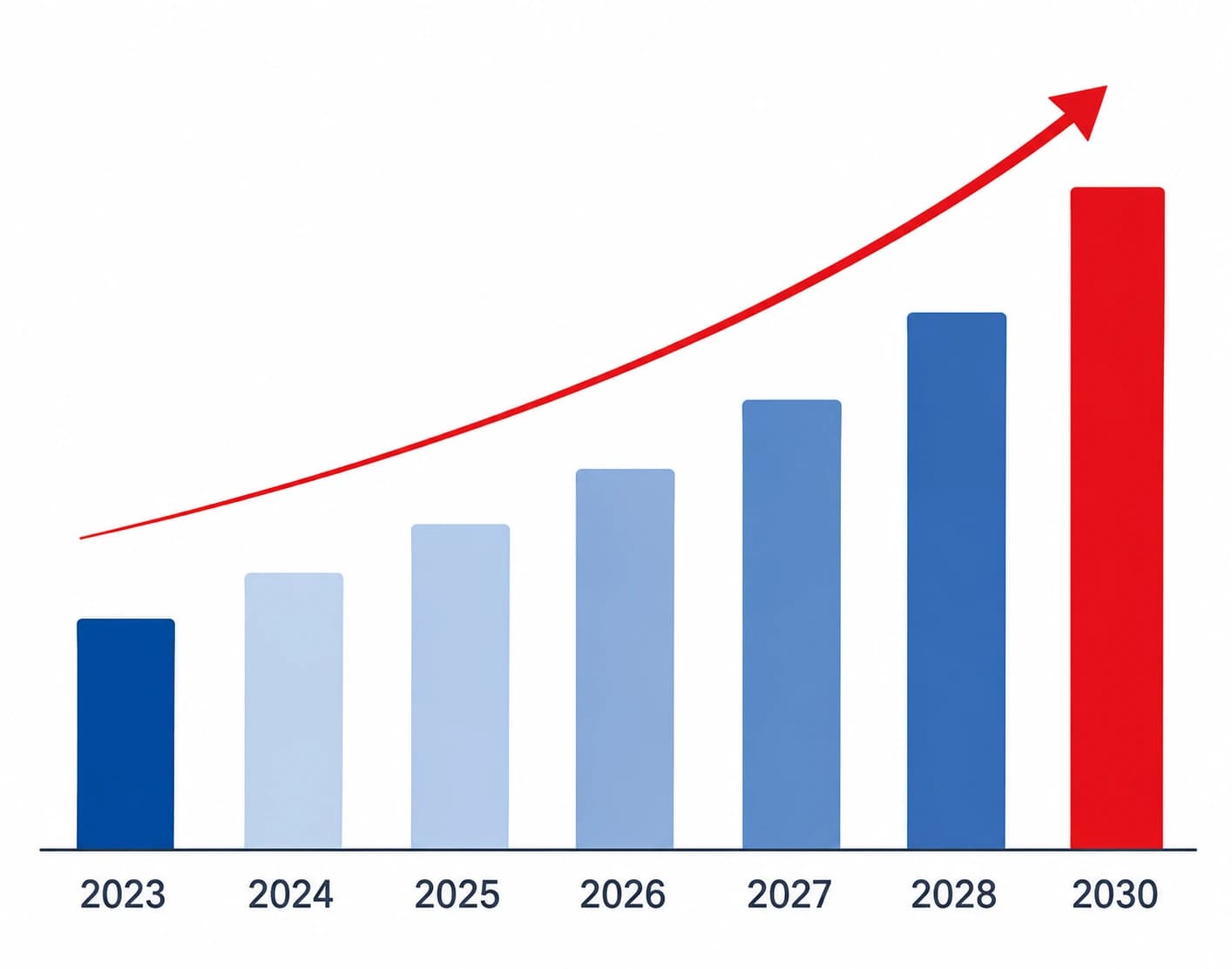
The global market for Snow Cannon Machine was estimated to be worth US$ 210 million in 2025 and is projected to reach US$ 324 million, growing at a CAGR of 6.4% from 2026 to 2032.
The potential shifts in the 2025 U.S. tariff framework pose substantial volatility risks to global markets. This report provides a comprehensive assessment of recent tariff adjustments and international strategic countermeasures on Snow Cannon Machine cross-border industrial footprints, capital allocation patterns, regional economic interdependencies, and supply chain reconfigurations.
In 2025, global production of snow cannon machines reached 6,170 units, with an estimated average selling price of $34,000 per unit. Snow cannon machines—often referred to as "snow cannons," "fan-based snow cannons," or simply "fan snowmakers"—are fan-type devices that utilize a high-power axial fan as their core component. They produce artificial snow in low wet-bulb temperature environments through high-pressure water atomization and nucleation technologies. These machines typically integrate a fan, nozzle ring, nucleator, water supply valve assembly, compressor (or external compressed air connection), temperature and humidity sensors, a controller, and a chassis or tower; they connect to the ski resort's water reservoirs, pump stations, water supply networks, power supply systems, and central automation platforms. Their operating mechanism involves atomizing water and mixing it with nucleating particles, then freezing and projecting the mixture within the powerful airflow generated by the fan. Actual snowmaking capacity depends primarily on wet-bulb temperature, relative humidity, water temperature, wind speed, water supply pressure, and nozzle control strategies—rather than air temperature alone. These machines are primarily used in alpine ski resorts, outdoor ski resorts, cross-country skiing centers, ski jumping venues, freestyle skiing and snowboarding parks, winter sports event venues, youth training bases, and select urban ice and snow tourism projects. The upstream segment of the industry chain primarily includes axial fans, electric motors and variable frequency drives (VFDs), oil-free or conventional air compressors, high-pressure pumps, valve assemblies, nozzles and nucleators, aluminum alloy or stainless steel nozzle rings, filters, temperature/humidity and water pressure sensors, PLCs/industrial controllers, touch screens, communication modules, steel or aluminum alloy chassis, towers, hydraulic lifting mechanisms, cables, hoses, and pipe fittings. The midstream segment comprises complete unit manufacturing, system integration, and services, typically covering snow cannons, snow guns, pump stations, air compressor stations, piping networks, water source facilities, valve pits, central control software, and after-sales maintenance. The downstream segment mainly consists of ski resorts, event operators, ice and snow cultural tourism projects, indoor and outdoor ski training facilities, and investors in mountain tourism infrastructure. Gross profit margins generally range from approximately 25% to 45%.
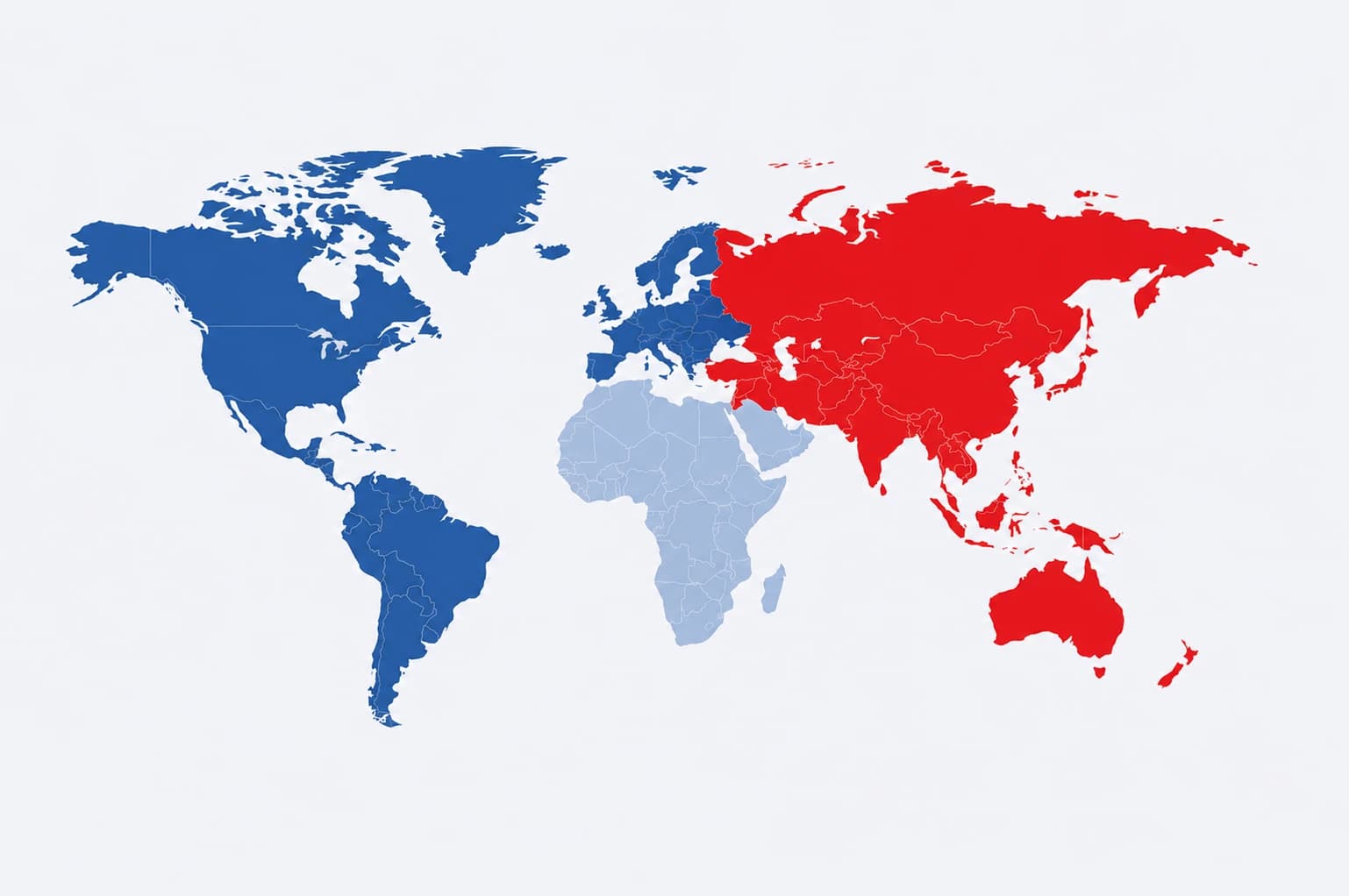
The North American market for Snow Cannon Machine was valued at US$ million in 2025 and is projected to reach US$ million by 2032, at a CAGR of % from 2026 to 2032.
The Asia-Pacific market for Snow Cannon Machine was valued at $ million in 2025 and is projected to climb to US$ million by 2032, at a CAGR of % from 2026 to 2032.
The European market for Snow Cannon Machine was valued at $ million in 2025 and is projected to total US$ million by 2032, at a CAGR of % from 2026 to 2032.
The global key companies in the Snow Cannon Machine market include TechnoAlpin, DEMACLENKO, MND SNOW, HKD Snowmakers, SMI Snowmakers, Ratnik Industries, Snow Logic, Snö Innovation, KTI-Plersch Kältetechnik, Latitude 90, etc. In 2025, the five largest players accounted for approximately % of revenue.
This report provides a comprehensive view of the global market for Snow Cannon Machine, covering total sales volume, sales revenue, pricing, the market share and ranking of key companies, along with analyses by region & country, by Type, and by Application.
The Snow Cannon Machine market size, estimations, and forecasts are presented in terms of sales volume (Units) and revenue ($ millions), with 2025 as the base year and historical and forecast data from 2021 to 2032. The report combines quantitative and qualitative analysis to help readers develop growth strategies, assess the competitive landscape, evaluate their position in the current marketplace, and make informed business decisions regarding Snow Cannon Machine.
Chapter 1: Introduces the scope of the report and the global market size (value, volume, and price). It also summarizes market dynamics and Recent Developments; identifies key drivers and restraints; outlines challenges and risks for manufacturers; reviews relevant industry policies and U.S. tariff implications.
Chapter 2: Provides a detailed analysis of the Snow Cannon Machine manufacturers' competitive landscape—including pricing, sales and revenue shares, Recent Developments plans, and mergers and acquisitions (M&A).
Chapter 3: Analyzes market segmentation by Type, presenting the size and growth potential of each segment to help readers identify blue-ocean opportunities.
Chapter 4: Analyzes market segmentation by Application, presenting the size and growth potential of each downstream segment to help readers identify blue-ocean opportunities.
Chapter 5: Presents Snow Cannon Machine sales and revenue at the regional level. It offers a quantitative assessment of market size and growth potential by region and summarizes market development, future prospects, addressable space, and country-level market size worldwide.
Chapter 6: Presents Snow Cannon Machine sales and revenue at the country level. It provides segmented data by Type and by Application for each country/region.
Chapter 7: Profiles key players, detailing the main companies' product sales, revenue, pricing, gross margin, product portfolios, Recent Developments, etc.
Chapter 8: Analyzes the industry value chain, including upstream suppliers and downstream applications/customers.
- ★ What Is The Overall Market Size And Projected Growth Rate Across Global And Regional Segments?
- ★ How Does The Market Size And Growth Outlook Vary Across Major Countries?
- ★ Which Region Or Market Sub-Segment Is Anticipated To Dominate Growth During The Forecast Period?
- ★ What Are The Primary Factors Expected To Drive Market Expansion, And What Challenges May Restrain Growth?
- ★ Which Emerging Technologies And Market Trends Are Shaping The Future Landscape?
- ★ What Are The Most Significant Opportunities Available In The Market?
- ★ Who Are The Leading Manufacturers Actively Participating In The Global Market?
- ★ Which Company Currently Holds The Largest Share Of The Market?
- ★ What Are The Potential Growth Avenues For New Entrants In The Global Market?