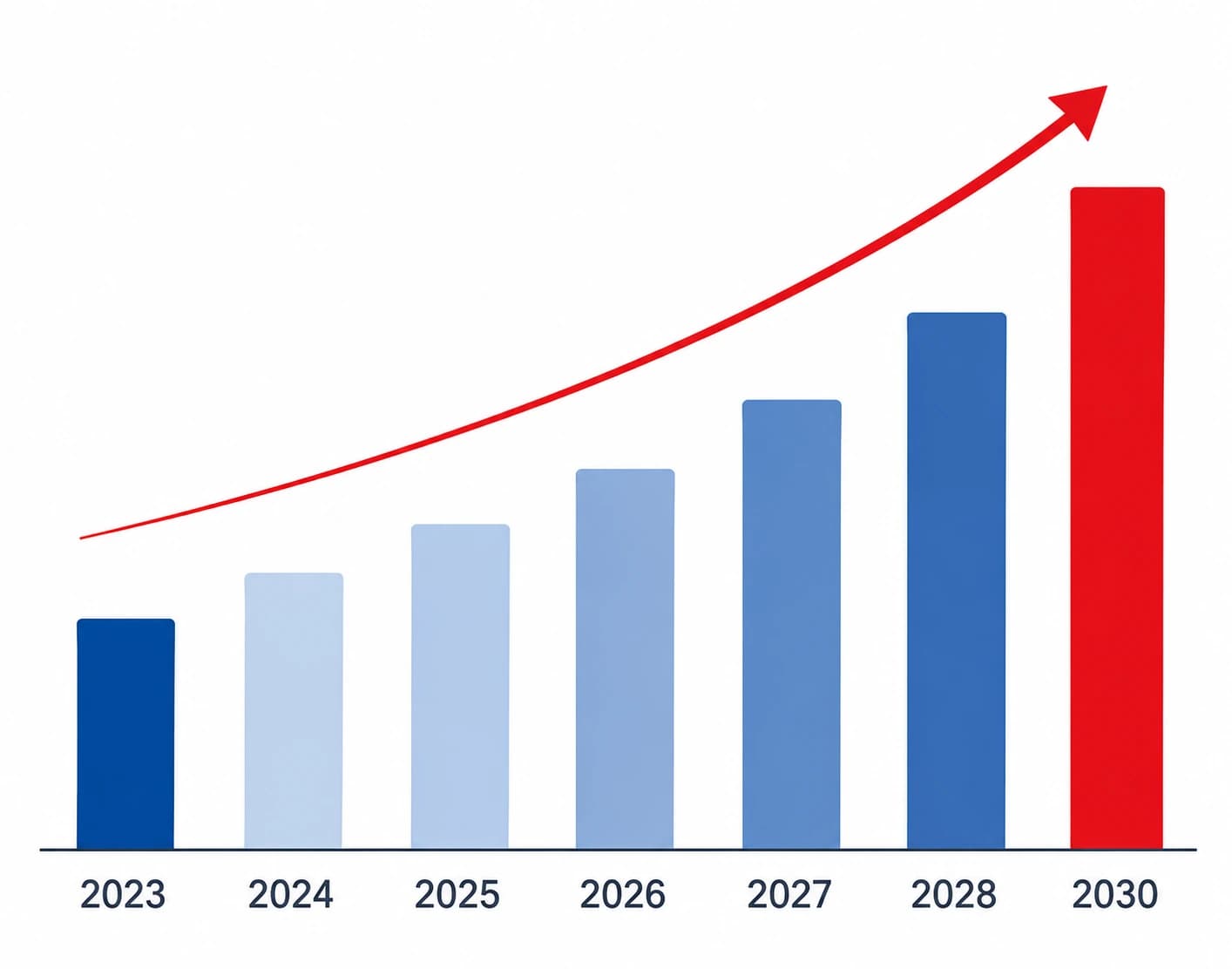
The global Circulating Water Coolers market was valued at US$ million in 2024 and is anticipated to reach US$ million by 2031, witnessing a CAGR of %during the forecast period 2025-2031.
Circulating water coolers are essential equipment widely used in industrial and commercial sectors, designed primarily to remove heat through the continuous circulation of water, thereby cooling machinery or systems. The operating principle involves using water as a cooling medium that circulates within a closed or semi-closed system, transferring heat away from the heat source to the cooling device, and then dissipating the heat into the environment. Circulating water coolers find applications across various industries such as power generation, chemical processing, manufacturing, HVAC (heating, ventilation, and air conditioning), and data centers, playing a critical role in protecting equipment, enhancing operational efficiency, and extending service life.
Typically, these systems consist of core components like pumps, cooling towers, and water coolers, which work together to facilitate the heat exchange process through the continuous flow of water. Compared to traditional one-time cooling methods, circulating water coolers offer advantages including energy savings, stable cooling performance, and lower operating costs, meeting the modern industrial demand for efficient and sustainable equipment. Furthermore, with advancements in technology, circulating water coolers have seen improvements in intelligent control and water resource management, boosting automation levels and optimizing resource utilization.
Market Development Opportunities & Main Driving Factors
With industrialization and rising energy-saving demands, the circulating water coolers market is growing rapidly. Industries like power, chemical, and data centers require efficient cooling equipment, driving technological upgrades and market expansion. Water resource pressures and environmental policies encourage the use of circulating water systems, while intelligent control improves operational efficiency, acting as key market drivers.
Market Challenges, Risks, & Restraints
The industry faces challenges such as high investment costs, complex water quality management, and difficult maintenance, increasing operational risks and costs. Water scarcity and environmental restrictions in some regions limit market application. Additionally, fierce competition and product homogenization demand stronger innovation and brand building from companies.
Manufacturing’s shift toward intelligence and sustainability drives diversified and advanced demand for circulating water coolers. Data centers and semiconductors rapidly increase demand for high-performance cooling equipment. Users focus more on energy saving and system integration, promoting intelligent, customized products and industry upgrades.
This report aims to provide a comprehensive presentation of the global market for Circulating Water Coolers, with both quantitative and qualitative analysis, to help readers develop business/growth strategies, assess the market competitive situation, analyze their position in the current marketplace, and make informed business decisions regarding Circulating Water Coolers.
The Circulating Water Coolers market size, estimations, and forecasts are provided in terms of sales quantity (K Units) and revenue ($ millions), considering 2024 as the base year, with history and forecast data for the period from 2020 to 2031. This report segments the global Circulating Water Coolers market comprehensively. Regional market sizes, concerning products by Type, by Application, and by players, are also provided.
For a more in-depth understanding of the market, the report provides profiles of the competitive landscape, key competitors, and their respective market ranks. The report also discusses technological trends and new product developments.
The report will help the Circulating Water Coolers manufacturers, new entrants, and industry chain related companies in this market with information on the revenues, sales, and average price for the overall market and the sub-segments across the different segments, by company, by Type, by Application, and by regions.
Chapter 1: Introduces the report scope of the report, executive summary of different market segments (by region, product type, application, etc), including the market size of each market segment, future development potential, and so on. It offers a high-level view of the current state of the market and its likely evolution in the short to mid-term, and long term.
Chapter 2: key insights, key emerging trends, etc.
Chapter 3: Manufacturers competitive analysis, detailed analysis of Circulating Water Coolers manufacturers competitive landscape, price, sales and revenue market share, latest development plan, merger, and acquisition information, etc.
Chapter 4: Provides profiles of key players, introducing the basic situation of the main companies in the market in detail, including product sales, revenue, price, gross margin, product introduction, recent development, etc.
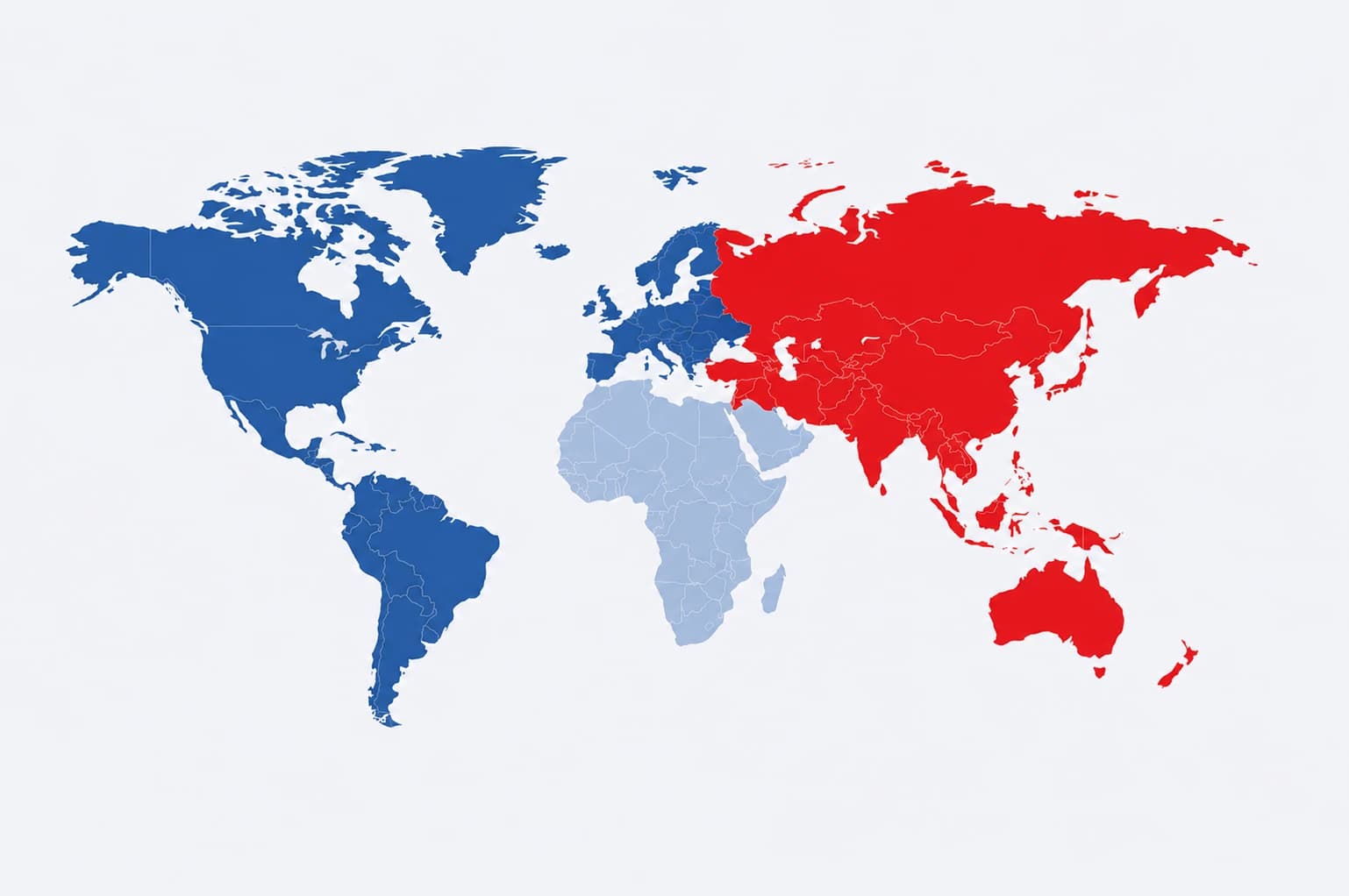
Chapter 5 & 6: Sales, revenue of Circulating Water Coolers in regional level and country level. It provides a quantitative analysis of the market size and development potential of each region and its main countries and introduces the market development, future development prospects, market space, and market size of each country in the world.
Chapter 7: Provides the analysis of various market segments by Type, covering the market size and development potential of each market segment, to help readers find the blue ocean market in different market segments.
Chapter 8: Provides the analysis of various market segments by Application, covering the market size and development potential of each market segment, to help readers find the blue ocean market in different downstream markets.
Chapter 9: Analysis of industrial chain, including the upstream and downstream of the industry.
Chapter 10: The main points and conclusions of the report.
- ★ What Is The Overall Market Size And Projected Growth Rate Across Global And Regional Segments?
- ★ How Does The Market Size And Growth Outlook Vary Across Major Countries?
- ★ Which Region Or Market Sub-Segment Is Anticipated To Dominate Growth During The Forecast Period?
- ★ What Are The Primary Factors Expected To Drive Market Expansion, And What Challenges May Restrain Growth?
- ★ Which Emerging Technologies And Market Trends Are Shaping The Future Landscape?
- ★ What Are The Most Significant Opportunities Available In The Market?
- ★ Who Are The Leading Manufacturers Actively Participating In The Global Market?
- ★ Which Company Currently Holds The Largest Share Of The Market?
- ★ What Are The Potential Growth Avenues For New Entrants In The Global Market?