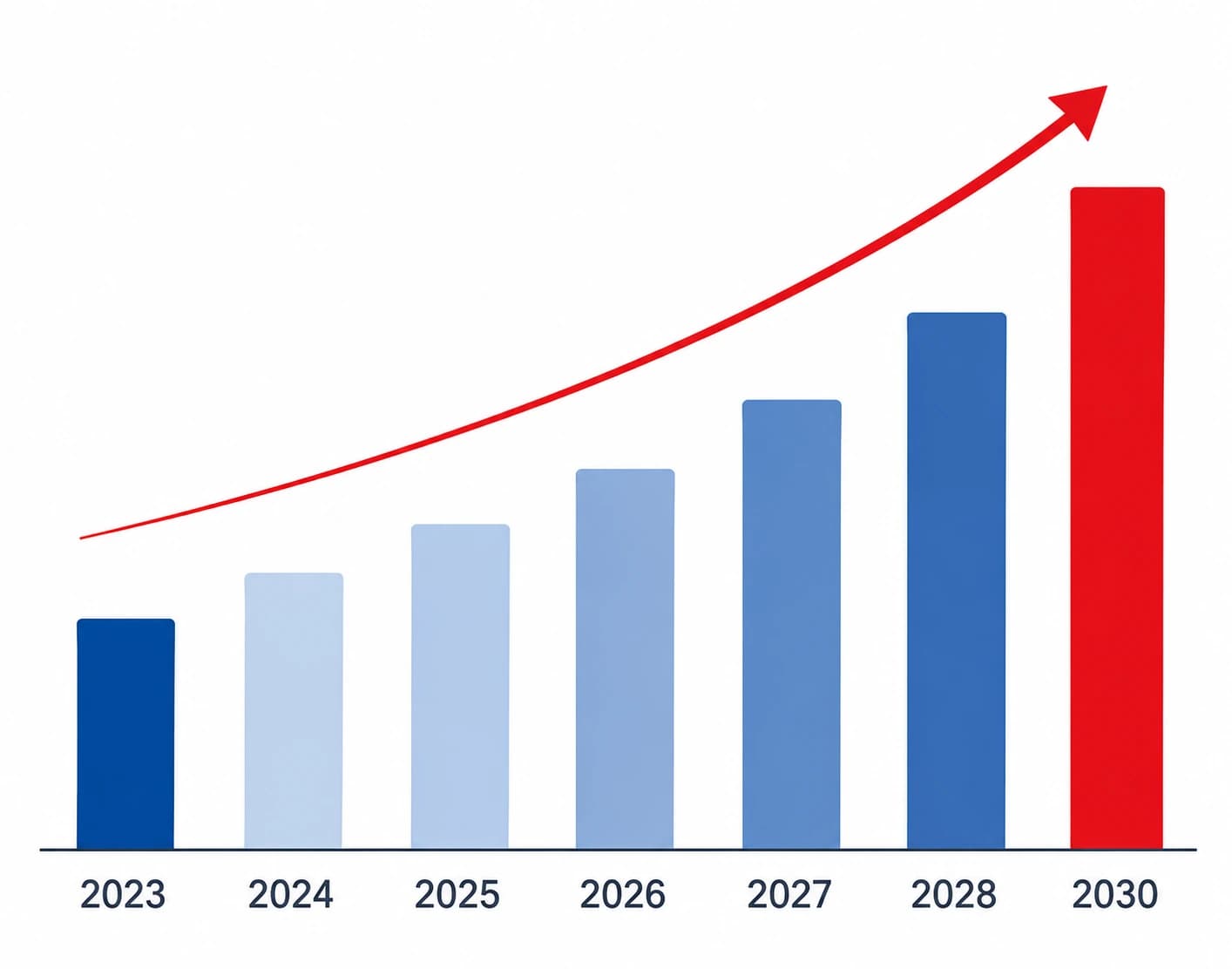
The global Mobile Health (mHealth) & MHealth Apps market was valued at US$ 11750 million in 2025 and is anticipated to reach US$ 52250 million by 2032, witnessing a CAGR of 24.1% during the forecast period 2026-2032.
Mobile health (mHealth) refers to the use of mobile and wireless technologies—smartphones, tablets, wearables, SMS/USSD, Bluetooth, and connected sensors—to deliver or support health services, public-health programs, and clinical workflows outside traditional care settings. mHealth apps are the software applications on those devices that provide specific functions such as self-tracking (e.g., vitals, activity), patient education, symptom assessment, medication reminders, teleconsultation, remote monitoring via connected devices, and provider tools like data capture and clinical decision support. They may be consumer- or clinician-facing, often integrate with wearables and electronic health records, and are subject to privacy/security standards and, when they perform medical functions (diagnosis, treatment recommendations, device control), to medical-device regulations; simple wellness or lifestyle apps typically are not.
The mHealth and mHealth apps market sits at the intersection of consumer tech and regulated care, spanning wellness tracking, chronic-condition self-management, telehealth, remote patient monitoring, medication support, mental health, women’s health, and clinician workflow tools. Growth is propelled by near-universal smartphone adoption, mainstream wearables and connected sensors, and reimbursement pathways that increasingly recognize virtual care. Winning offerings pair intuitive UX with validated sensors, care-team services, and integration into provider and payer systems (e.g., EHR connectivity, claims workflows). Distribution runs through app stores and employer/payer channels, with health systems using enterprise mobile platforms and mobile device management for compliance. Interoperability (FHIR/SMART), privacy/security by design, and clinical evidence are now table stakes, while user engagement hinges on personalization, timely nudges, and seamless device/app onboarding.
Competitive dynamics are shaped by platform ecosystems (Android/iOS), large tech and device makers, digital health specialists, and health-system or payer-backed solutions. Monetization blends subscription, value-based or outcomes-linked contracts, and reimbursed services (e.g., remote monitoring, virtual visits), with pharma partnerships adding companion apps and real-world evidence programs. Regulation is tightening globally—particularly for software as a medical device and AI-enabled decision support—raising the bar on data quality, transparency, human oversight, and post-market surveillance. Near-term trends include deeper AI copilots for triage and care navigation, continuous biomarker streams from wearables and patches, multimodal data fusion (voice, motion, vitals), and privacy-preserving analytics. Execution risks remain around app-store policies, security, and sustained engagement, but the direction of travel favors integrated, evidence-backed platforms that can demonstrate clinical impact and operational ROI.
This report aims to provide a comprehensive presentation of the global market for Mobile Health (mHealth) & MHealth Apps, with both quantitative and qualitative analysis, to help readers develop business/growth strategies, assess the market competitive situation, analyze their position in the current marketplace, and make informed business decisions regarding Mobile Health (mHealth) & MHealth Apps.
The Mobile Health (mHealth) & MHealth Apps market size, estimations, and forecasts are provided in terms of revenue ($ millions), considering 2025 as the base year, with history and forecast data for the period from 2021 to 2032. This report segments the global Mobile Health (mHealth) & MHealth Apps market comprehensively. Regional market sizes, concerning products by Type, by Application, and by players, are also provided.
For a more in-depth understanding of the market, the report provides profiles of the competitive landscape, key competitors, and their respective market ranks. The report also discusses technological trends and new product developments.
The report will help the Mobile Health (mHealth) & MHealth Apps manufacturers, new entrants, and industry chain related companies in this market with information on the revenues for the overall market and the sub-segments across the different segments, by company, by Type, by Application, and by regions.
Chapter 1: Introduces the report scope of the report, executive summary of different market segments (by region, product type, application, etc), including the market size of each market segment, future development potential, and so on. It offers a high-level view of the current state of the market and its likely evolution in the short to mid-term, and long term.
Chapter 2: key insights, key emerging trends, etc.
Chapter 3: Manufacturers competitive analysis, detailed analysis of Mobile Health (mHealth) & MHealth Apps manufacturers competitive landscape, revenue market share, latest development plan, merger, and acquisition information, etc.
Chapter 4: Provides profiles of key players, introducing the basic situation of the main companies in the market in detail, including product revenue, gross margin, product introduction, recent development, etc.
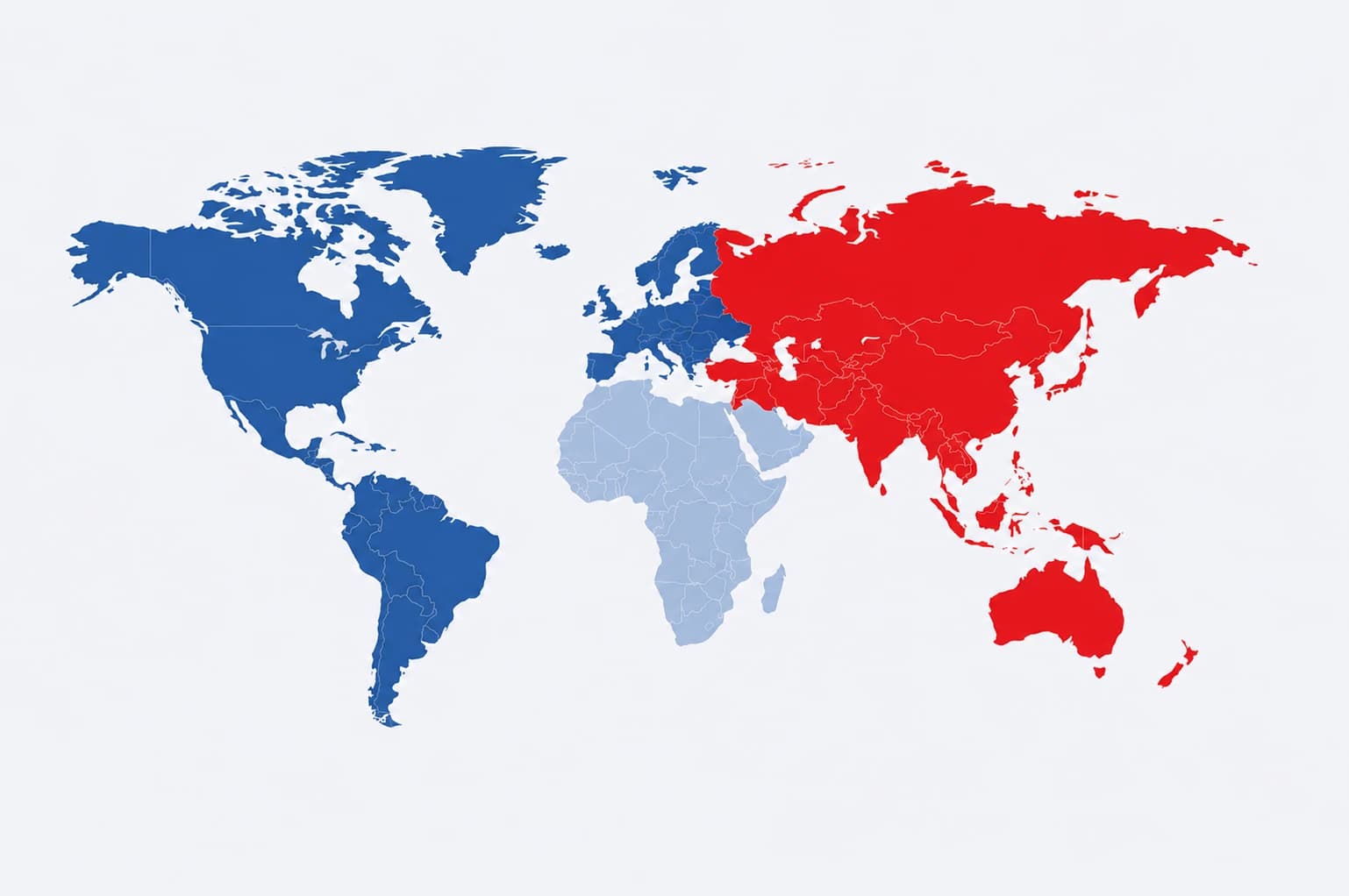
Chapter 5 & 6: Revenue of Mobile Health (mHealth) & MHealth Apps in regional level and country level. It provides a quantitative analysis of the market size and development potential of each region and its main countries and introduces the market development, future development prospects, market space, and market size of each country in the world.
Chapter 7: Provides the analysis of various market segments by Type, covering the market size and development potential of each market segment, to help readers find the blue ocean market in different market segments.
Chapter 8: Provides the analysis of various market segments by Application, covering the market size and development potential of each market segment, to help readers find the blue ocean market in different downstream markets.
Chapter 9: Analysis of industrial chain, including the upstream and downstream of the industry.
Chapter 10: The main points and conclusions of the report.
- ★ What Is The Overall Market Size And Projected Growth Rate Across Global And Regional Segments?
- ★ How Does The Market Size And Growth Outlook Vary Across Major Countries?
- ★ Which Region Or Market Sub-Segment Is Anticipated To Dominate Growth During The Forecast Period?
- ★ What Are The Primary Factors Expected To Drive Market Expansion, And What Challenges May Restrain Growth?
- ★ Which Emerging Technologies And Market Trends Are Shaping The Future Landscape?
- ★ What Are The Most Significant Opportunities Available In The Market?
- ★ Who Are The Leading Manufacturers Actively Participating In The Global Market?
- ★ Which Company Currently Holds The Largest Share Of The Market?
- ★ What Are The Potential Growth Avenues For New Entrants In The Global Market?