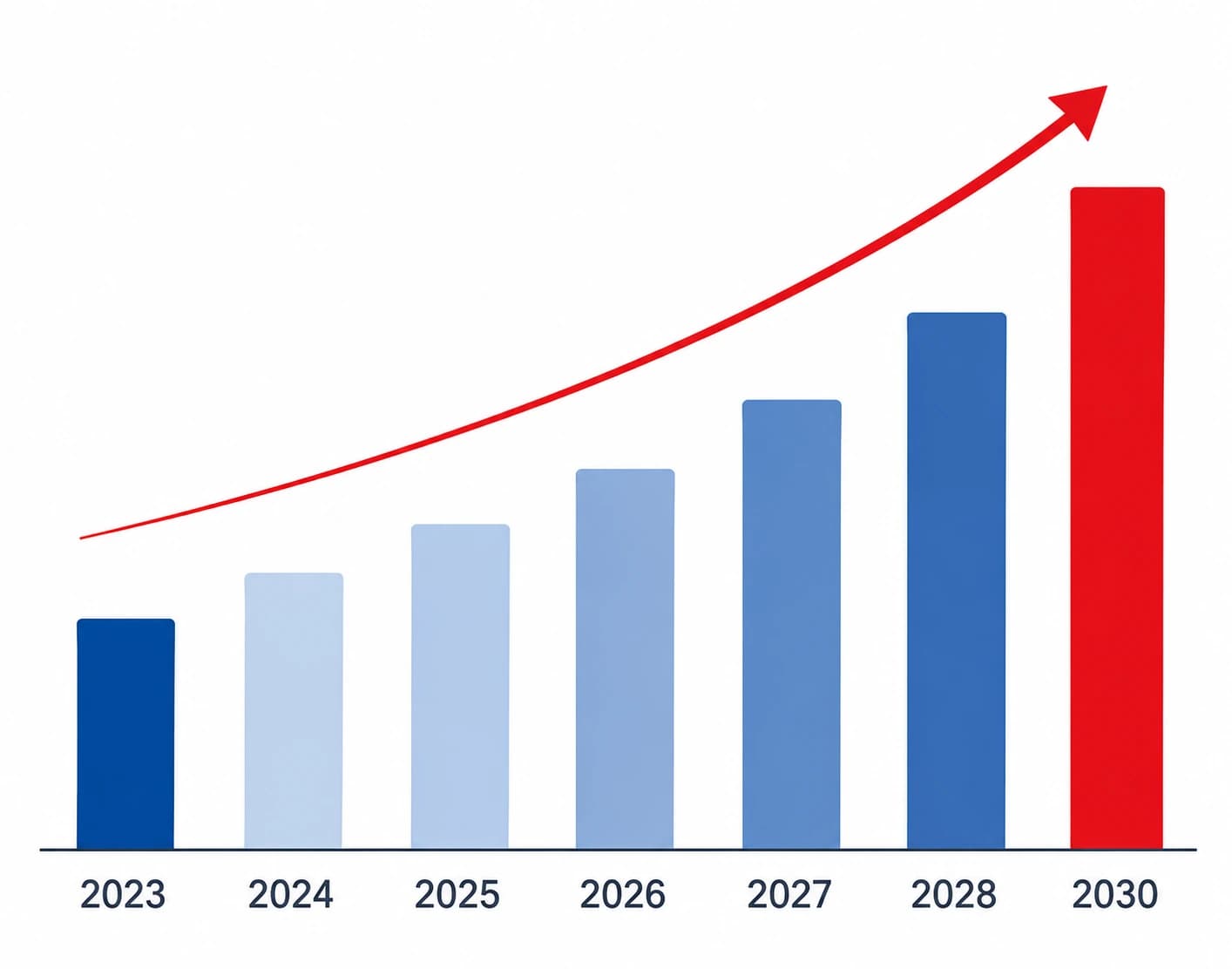
The global Proton Pump Inhibitor Drug market was valued at US$ 10950 million in 2024 and is anticipated to reach US$ 8448 million by 2031, witnessing a CAGR of -3.5% during the forecast period 2025-2031.
Proton pump inhibitor (PPI) drugs are a class of medications that reduce the production of stomach acid by irreversibly blocking the enzyme H⁺/K⁺-ATPase (proton pump) in the gastric parietal cells. They are commonly used to treat acid-related conditions such as gastroesophageal reflux disease (GERD), peptic ulcers, and Zollinger-Ellison syndrome. PPIs, including omeprazole, esomeprazole, and pantoprazole, are known for their efficacy and long-lasting acid suppression.
The global proton pump inhibitors (PPIs) drugs market is primarily driven by the rising prevalence of gastroesophageal reflux disease (GERD), peptic ulcers, and other acid-related disorders. Increasing consumption of fast food, sedentary lifestyles, stress, and higher rates of smoking and alcohol intake contribute to gastric acid imbalance, leading to more frequent use of PPIs. Moreover, the aging population is more susceptible to gastrointestinal conditions, further expanding the patient pool. Over-the-counter availability and long-standing clinical efficacy of PPIs such as omeprazole, pantoprazole, and esomeprazole also support their widespread use across both developed and developing regions.
Despite their popularity, the PPIs market faces several challenges. Long-term use of proton pump inhibitors has been linked to adverse effects, including kidney disease, bone fractures, and nutrient malabsorption, which have raised safety concerns among healthcare professionals. Additionally, increasing generic competition has resulted in significant price erosion and declining profit margins for branded drugs. Regulatory scrutiny around inappropriate or prolonged PPI usage, particularly without proper medical supervision, also hinders market growth. Furthermore, the growing focus on alternative therapies and lifestyle modifications for acid reflux management could reduce patient reliance on pharmacological treatments over time.
Recent trends in the PPIs market include the development of next-generation acid suppressants such as potassium-competitive acid blockers (P-CABs), which offer faster and more sustained acid control. Pharmaceutical companies are also focusing on fixed-dose combination therapies that enhance treatment compliance and efficacy. There's a notable shift toward OTC formulations, particularly in North America and Europe, to meet consumer demand for self-care solutions. Digital health platforms are being leveraged to improve patient education on proper PPI usage and to reduce misuse. With increasing attention to personalized medicine, future therapies may target specific patient subgroups with optimized dosing and reduced side effects.
This report aims to provide a comprehensive presentation of the global market for Proton Pump Inhibitor Drug, with both quantitative and qualitative analysis, to help readers develop business/growth strategies, assess the market competitive situation, analyze their position in the current marketplace, and make informed business decisions regarding Proton Pump Inhibitor Drug.
The Proton Pump Inhibitor Drug market size, estimations, and forecasts are provided in terms of sales quantity (K Units) and revenue ($ millions), considering 2024 as the base year, with history and forecast data for the period from 2020 to 2031. This report segments the global Proton Pump Inhibitor Drug market comprehensively. Regional market sizes, concerning products by Type, by Application, and by players, are also provided.
For a more in-depth understanding of the market, the report provides profiles of the competitive landscape, key competitors, and their respective market ranks. The report also discusses technological trends and new product developments.
The report will help the Proton Pump Inhibitor Drug manufacturers, new entrants, and industry chain related companies in this market with information on the revenues, sales, and average price for the overall market and the sub-segments across the different segments, by company, by Type, by Application, and by regions.
Chapter 1: Introduces the report scope of the report, executive summary of different market segments (by region, product type, application, etc), including the market size of each market segment, future development potential, and so on. It offers a high-level view of the current state of the market and its likely evolution in the short to mid-term, and long term.
Chapter 2: key insights, key emerging trends, etc.
Chapter 3: Manufacturers competitive analysis, detailed analysis of Proton Pump Inhibitor Drug manufacturers competitive landscape, price, sales and revenue market share, latest development plan, merger, and acquisition information, etc.
Chapter 4: Provides profiles of key players, introducing the basic situation of the main companies in the market in detail, including product sales, revenue, price, gross margin, product introduction, recent development, etc.
Chapter 5 & 6: Sales, revenue of Proton Pump Inhibitor Drug in regional level and country level. It provides a quantitative analysis of the market size and development potential of each region and its main countries and introduces the market development, future development prospects, market space, and market size of each country in the world.
Chapter 7: Provides the analysis of various market segments by Type, covering the market size and development potential of each market segment, to help readers find the blue ocean market in different market segments.
Chapter 8: Provides the analysis of various market segments by Application, covering the market size and development potential of each market segment, to help readers find the blue ocean market in different downstream markets.
Chapter 9: Analysis of industrial chain, including the upstream and downstream of the industry.
Chapter 10: The main points and conclusions of the report.
- ★ What Is The Overall Market Size And Projected Growth Rate Across Global And Regional Segments?
- ★ How Does The Market Size And Growth Outlook Vary Across Major Countries?
- ★ Which Region Or Market Sub-Segment Is Anticipated To Dominate Growth During The Forecast Period?
- ★ What Are The Primary Factors Expected To Drive Market Expansion, And What Challenges May Restrain Growth?
- ★ Which Emerging Technologies And Market Trends Are Shaping The Future Landscape?
- ★ What Are The Most Significant Opportunities Available In The Market?
- ★ Who Are The Leading Manufacturers Actively Participating In The Global Market?
- ★ Which Company Currently Holds The Largest Share Of The Market?
- ★ What Are The Potential Growth Avenues For New Entrants In The Global Market?