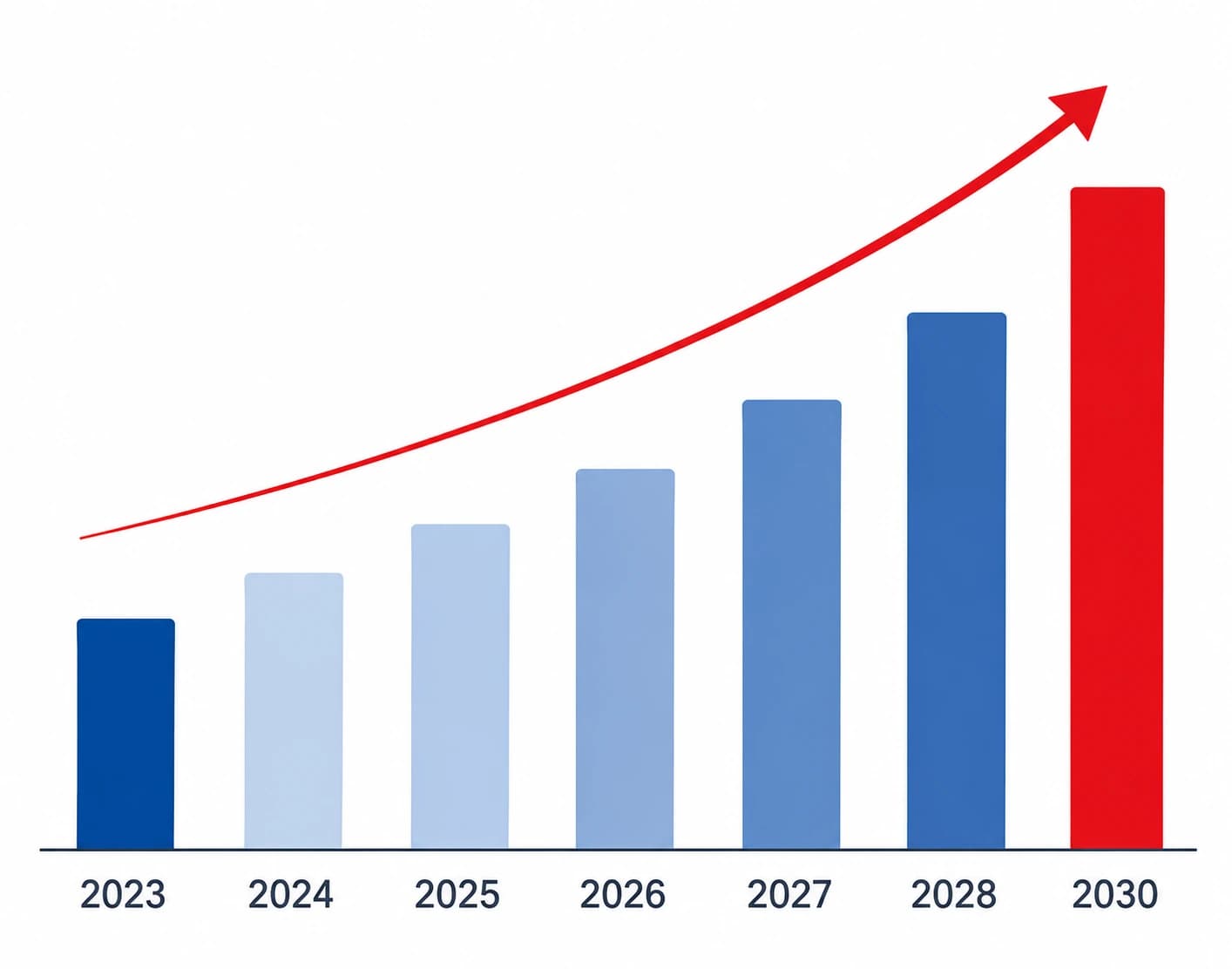
The global Gas Heat Pump Air Conditioners market was valued at US$ 815 million in 2025 and is anticipated to reach US$ 1017 million by 2032, witnessing a CAGR of 3.3% during the forecast period 2026-2032.
Gas Engine-driven Heat Pump (GEHP) or Gas Heat Pumps (GHP) air conditioning systems are used to comfortably heat or cool large spaces. They use gas to fuel the engine that drives the compressor. A gas heat pump is a heating appliance which uses the renewable energy stored in the soil, groundwater or the environment for heating purposes. It then combines this environmental heat with high efficiency gas-fired condensing technology.
What's GHP? An air conditioning system provides both cooling and heating by circulating refrigerant with a compressor (Heat Pump Cycle). The basic system for the heating and cooling cycle is the same as an Electric Heat Pump (EHP). The main difference between GHP and EHP is whether it uses an electric motor or a gas engine to drive the compressor in the outdoor unit, which is often called the heart of the air conditioning system. This difference realizes comfortable cooling and heating in a GHP and is the major feature of a GHP system that offers numerous advantages.
Gas Heat Pumps are hybrid systems that combine a gas-powered internal combustion engine with a heat pump to provide highly efficient heating, cooling, and hot water. They leverage natural gas as a primary energy source while recovering waste heat from the engine to enhance overall efficiency.
1. High Efficiency: Combined Coefficient of Performance (COP) reaches 1.8-2.5, far exceeding traditional boilers (COP 0.8-0.9).
2. Grid Relief: Reduces reliance on electricity, easing peak grid demand, ideal for regions with unstable power infrastructure.
3. Fuel Flexibility: Compatible with natural gas, biogas, or hydrogen blends, supporting low-carbon transitions.
1. Policy & Regulations
Carbon Neutrality Goals: Gas Heat Pumps are promoted under clean heating subsidies in China (e.g., "Coal-to-Gas" policy) and the EU’s RePowerEU plan.
Stricter Efficiency Standards: EU Ecodesign Directive and U.S. DOE regulations phase out low-efficiency boilers, favoring Gas Heat Pumps.
Lower Operational Costs: In gas-rich regions (e.g., North America, Russia), Gas Heat Pumps offer 15-25% lower lifecycle costs than electric heat pumps.
Peak Electricity Cost Avoidance: Ideal for commercial/industrial users facing high peak-time electricity tariffs.
3. Technological Innovations
AI Optimization: Japanese manufacturers (e.g., Panasonic) integrate AI to balance engine load and heat pump output dynamically.
Hydrogen Readiness: Prototype Gas Heat Pumps (e.g., Viessmann’s Lambda Hybrid) support 20-30% hydrogen blending for future decarbonization.
Gas Heat Pumps are poised for rapid growth in gas-rich, decarbonization-focused markets (e.g., China, Europe). Short-term success depends on policy support to offset costs, while long-term viability hinges on hydrogen compatibility and smart grid integration. For stakeholders, investing in hydrogen-ready technologies and energy-as-a-service (EaaS) models will be critical to capturing this hybrid energy future.
Geographically, Japan is the largest consumption region, which plays a more important role in the world. Europe and China will have some fast development because of the policy and GEHP high efficiency.
The global major manufacturers of Gas Heat Pumps (GHP) include Yanmar, AISIN, Panasonic, Daikin, Mitsubishi, LG Electronics, Schwank, Tecogen, Inc., Blue Flame High-tech (Tianjin) and Smart Action etc. In terms of revenue, the global three largest players hold a 90.79% market share of Gas Heat Pumps (GHP) in 2024.
This report aims to provide a comprehensive presentation of the global market for Gas Heat Pump Air Conditioners, with both quantitative and qualitative analysis, to help readers develop business/growth strategies, assess the market competitive situation, analyze their position in the current marketplace, and make informed business decisions regarding Gas Heat Pump Air Conditioners.
The Gas Heat Pump Air Conditioners market size, estimations, and forecasts are provided in terms of sales quantity (K Units) and revenue ($ millions), considering 2025 as the base year, with history and forecast data for the period from 2021 to 2032. This report segments the global Gas Heat Pump Air Conditioners market comprehensively. Regional market sizes, concerning products by Type, by Application, and by players, are also provided.
For a more in-depth understanding of the market, the report provides profiles of the competitive landscape, key competitors, and their respective market ranks. The report also discusses technological trends and new product developments.
The report will help the Gas Heat Pump Air Conditioners manufacturers, new entrants, and industry chain related companies in this market with information on the revenues, sales, and average price for the overall market and the sub-segments across the different segments, by company, by Type, by Application, and by regions.
Chapter 1: Introduces the report scope of the report, executive summary of different market segments (by region, product type, application, etc), including the market size of each market segment, future development potential, and so on. It offers a high-level view of the current state of the market and its likely evolution in the short to mid-term, and long term.
Chapter 2: key insights, key emerging trends, etc.
Chapter 3: Manufacturers competitive analysis, detailed analysis of Gas Heat Pump Air Conditioners manufacturers competitive landscape, price, sales and revenue market share, latest development plan, merger, and acquisition information, etc.
Chapter 4: Provides profiles of key players, introducing the basic situation of the main companies in the market in detail, including product sales, revenue, price, gross margin, product introduction, recent development, etc.
Chapter 5 & 6: Sales, revenue of Gas Heat Pump Air Conditioners in regional level and country level. It provides a quantitative analysis of the market size and development potential of each region and its main countries and introduces the market development, future development prospects, market space, and market size of each country in the world.
Chapter 7: Provides the analysis of various market segments by Type, covering the market size and development potential of each market segment, to help readers find the blue ocean market in different market segments.
Chapter 8: Provides the analysis of various market segments by Application, covering the market size and development potential of each market segment, to help readers find the blue ocean market in different downstream markets.
Chapter 9: Analysis of industrial chain, including the upstream and downstream of the industry.
Chapter 10: The main points and conclusions of the report.
- ★ What Is The Overall Market Size And Projected Growth Rate Across Global And Regional Segments?
- ★ How Does The Market Size And Growth Outlook Vary Across Major Countries?
- ★ Which Region Or Market Sub-Segment Is Anticipated To Dominate Growth During The Forecast Period?
- ★ What Are The Primary Factors Expected To Drive Market Expansion, And What Challenges May Restrain Growth?
- ★ Which Emerging Technologies And Market Trends Are Shaping The Future Landscape?
- ★ What Are The Most Significant Opportunities Available In The Market?
- ★ Who Are The Leading Manufacturers Actively Participating In The Global Market?
- ★ Which Company Currently Holds The Largest Share Of The Market?
- ★ What Are The Potential Growth Avenues For New Entrants In The Global Market?