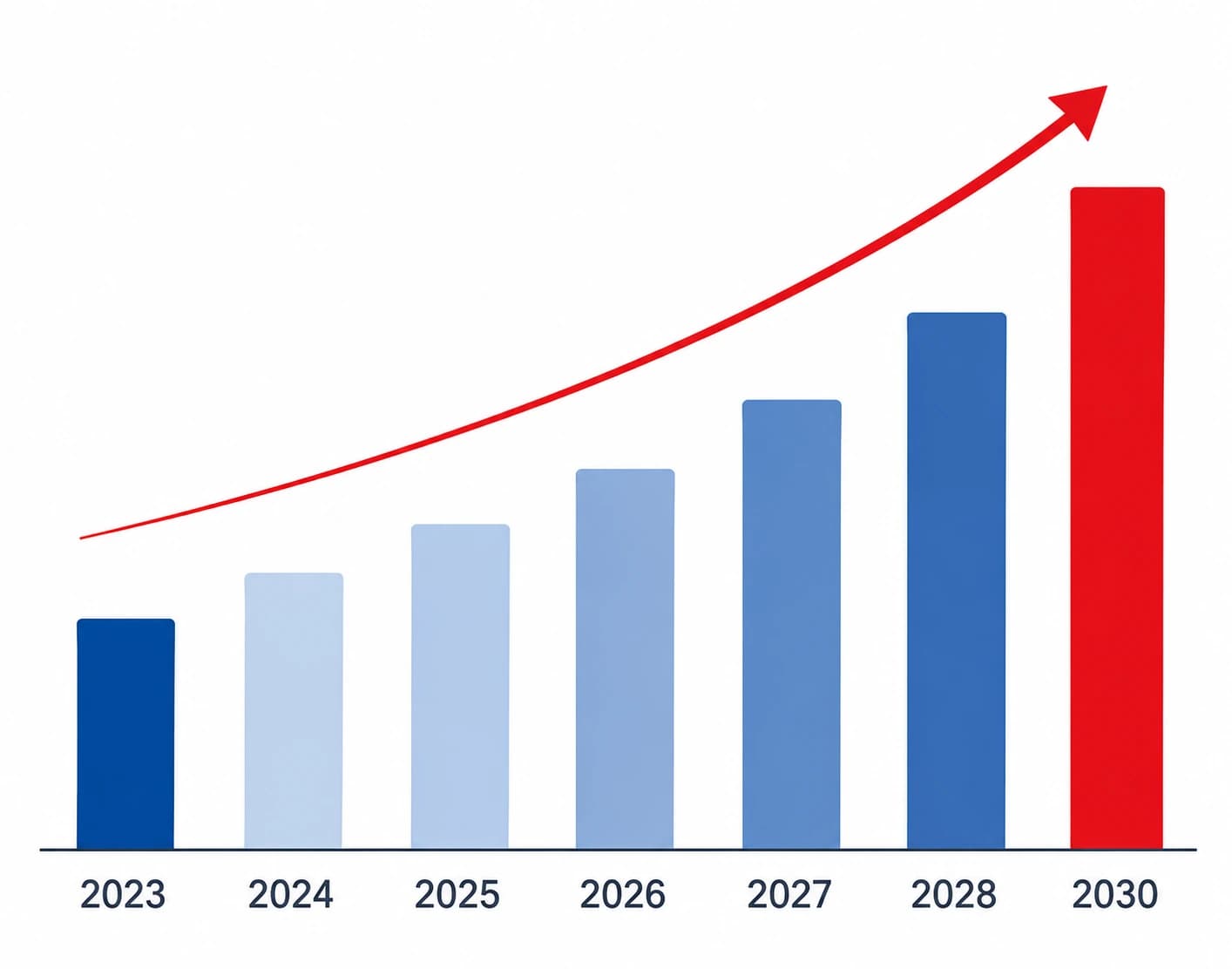
The global Non-invasive Glucose Monitoring Device market was valued at US$ 14290 million in 2025 and is anticipated to reach US$ 35440 million by 2032, witnessing a CAGR of 14.1% during the forecast period 2026-2032.
Non-invasive glucose monitoring device could measure your glucose without hurt your finger. Non-invasive glucose monitoring device refers to the measurement of blood glucose levels (required by people with diabetes to prevent both chronic and acute complications from the disease) without drawing blood, puncturing the skin, or causing pain or trauma.In this report, we study both disposable sensors and durable systems.
The non-invasive glucose monitoring device market is gaining momentum due to the rising global prevalence of diabetes and the growing demand for painless, convenient, and continuous blood glucose tracking. Traditional finger-prick methods can be uncomfortable and are often associated with poor patient compliance, especially among children, the elderly, and individuals with type 1 or type 2 diabetes who require frequent monitoring. Non-invasive devices—using technologies such as optical sensors, spectroscopy, or radio waves—offer a promising alternative by enabling real-time glucose measurements without the need for blood samples. Increasing health awareness, a shift toward preventive care, and the integration of wearable health technologies (e.g., smartwatches with glucose monitoring capabilities) are further fueling market growth. Additionally, ongoing investments from both medical device companies and tech giants, along with favorable regulatory support in certain regions, are accelerating product development and commercialization.
Despite these opportunities, the non-invasive glucose monitoring market faces several significant challenges. The primary hurdle is technological: achieving consistently accurate and reliable readings without drawing blood remains a complex problem. Many non-invasive devices still struggle with calibration issues, measurement delays, and variability due to external factors like skin tone, temperature, or hydration levels. Regulatory approval processes for these devices are also rigorous, given the potential risks of inaccurate glucose data leading to improper treatment decisions. Moreover, the high cost of advanced non-invasive technologies may hinder adoption, especially in price-sensitive or low-income markets. Skepticism among clinicians and patients due to inconsistent performance in earlier generations of devices also poses a trust barrier. To overcome these challenges, manufacturers must prioritize clinical validation, user-centered design, and collaboration with regulatory agencies to ensure safety, accuracy, and usability of next-generation non-invasive glucose monitors.
This report aims to provide a comprehensive presentation of the global market for Non-invasive Glucose Monitoring Device, with both quantitative and qualitative analysis, to help readers develop business/growth strategies, assess the market competitive situation, analyze their position in the current marketplace, and make informed business decisions regarding Non-invasive Glucose Monitoring Device.
The Non-invasive Glucose Monitoring Device market size, estimations, and forecasts are provided in terms of sales quantity (K Units) and revenue ($ millions), considering 2025 as the base year, with history and forecast data for the period from 2021 to 2032. This report segments the global Non-invasive Glucose Monitoring Device market comprehensively. Regional market sizes, concerning products by Type, by Application, and by players, are also provided.
For a more in-depth understanding of the market, the report provides profiles of the competitive landscape, key competitors, and their respective market ranks. The report also discusses technological trends and new product developments.
The report will help the Non-invasive Glucose Monitoring Device manufacturers, new entrants, and industry chain related companies in this market with information on the revenues, sales, and average price for the overall market and the sub-segments across the different segments, by company, by Type, by Application, and by regions.
Chapter 1: Introduces the report scope of the report, executive summary of different market segments (by region, product type, application, etc), including the market size of each market segment, future development potential, and so on. It offers a high-level view of the current state of the market and its likely evolution in the short to mid-term, and long term.
Chapter 2: key insights, key emerging trends, etc.
Chapter 3: Manufacturers competitive analysis, detailed analysis of Non-invasive Glucose Monitoring Device manufacturers competitive landscape, price, sales and revenue market share, latest development plan, merger, and acquisition information, etc.
Chapter 4: Provides profiles of key players, introducing the basic situation of the main companies in the market in detail, including product sales, revenue, price, gross margin, product introduction, recent development, etc.
Chapter 5 & 6: Sales, revenue of Non-invasive Glucose Monitoring Device in regional level and country level. It provides a quantitative analysis of the market size and development potential of each region and its main countries and introduces the market development, future development prospects, market space, and market size of each country in the world.
Chapter 7: Provides the analysis of various market segments by Type, covering the market size and development potential of each market segment, to help readers find the blue ocean market in different market segments.
Chapter 8: Provides the analysis of various market segments by Application, covering the market size and development potential of each market segment, to help readers find the blue ocean market in different downstream markets.
Chapter 9: Analysis of industrial chain, including the upstream and downstream of the industry.
Chapter 10: The main points and conclusions of the report.
- ★ What Is The Overall Market Size And Projected Growth Rate Across Global And Regional Segments?
- ★ How Does The Market Size And Growth Outlook Vary Across Major Countries?
- ★ Which Region Or Market Sub-Segment Is Anticipated To Dominate Growth During The Forecast Period?
- ★ What Are The Primary Factors Expected To Drive Market Expansion, And What Challenges May Restrain Growth?
- ★ Which Emerging Technologies And Market Trends Are Shaping The Future Landscape?
- ★ What Are The Most Significant Opportunities Available In The Market?
- ★ Who Are The Leading Manufacturers Actively Participating In The Global Market?
- ★ Which Company Currently Holds The Largest Share Of The Market?
- ★ What Are The Potential Growth Avenues For New Entrants In The Global Market?