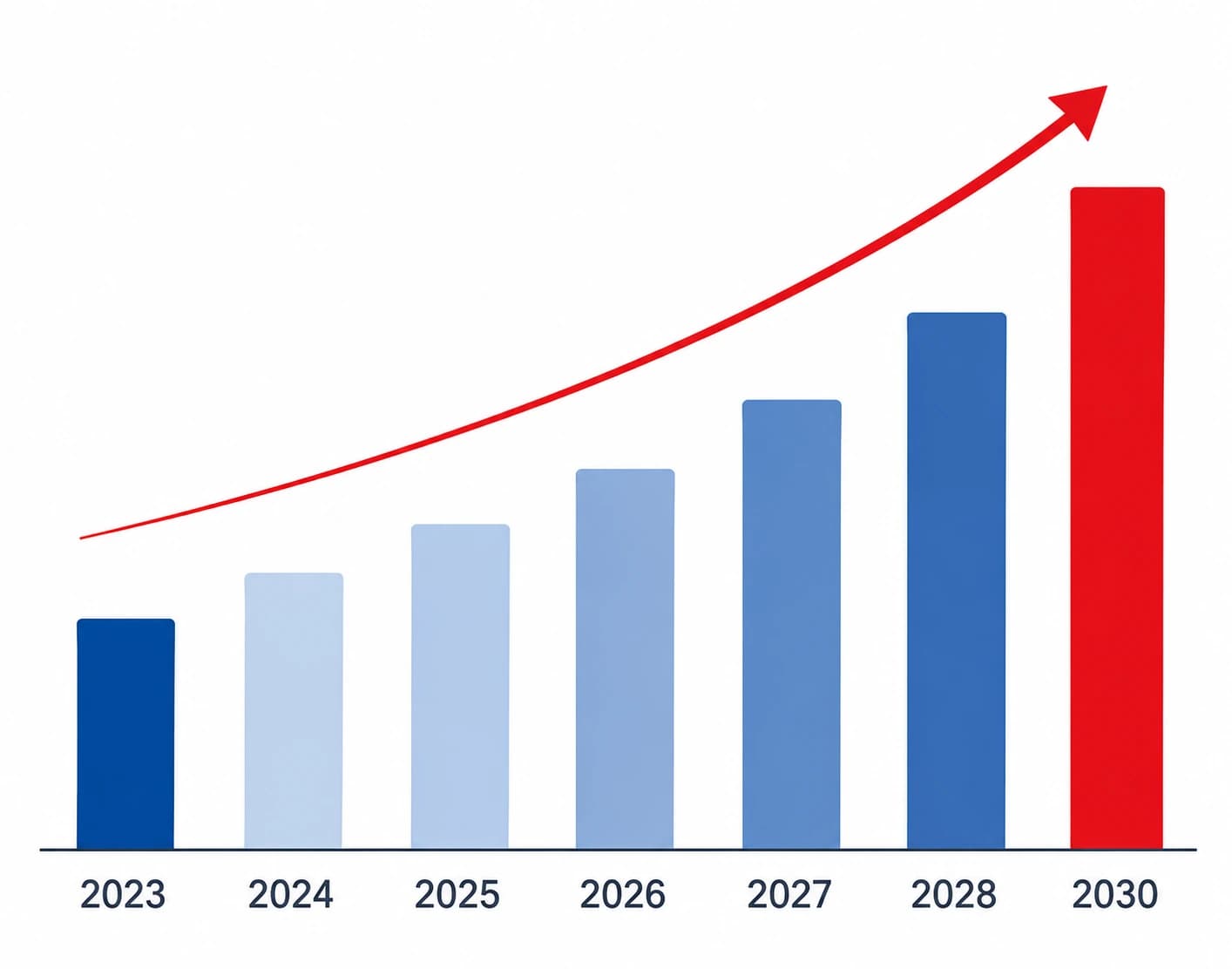
The global Fraud Detection and Prevention Software market was valued at US$ 60510 million in 2025 and is anticipated to reach US$ 171480 million by 2032, witnessing a CAGR of 16.3% during the forecast period 2026-2032.
Fraud Detection and Prevention Software is an integrated class of risk-analytics, behavioral intelligence, and real-time decisioning technologies designed to identify, block, and mitigate fraudulent activities across digital and physical channels. FDP software analyzes transactions, user behaviors, device attributes, identities, and contextual data using a combination of rules engines, machine learning models, graph analytics, device fingerprinting, and threat intelligence to detect anomalies and prevent financial loss, operational risk, and compliance violations.
Gross Profit Margin Levels
Fraud detection and prevention software highly aligns with the typical characteristics of "high-margin enterprise software/SaaS": core costs primarily consist of R&D investment (algorithms, models, product platforms) and implementation/maintenance services, with extremely low marginal replication costs. Therefore, leading vendors can generally achieve gross profit margins of around 70% or even higher on software subscriptions and licenses. Simultaneously, because FDPs are often deeply integrated with key systems such as anti-money laundering, compliance reporting, and real-time payments, customer stickiness and renewal rates are extremely high, further driving up overall profit margins. Large vendors typically disclose gross profit margins of 60%–80% for analytics software and cloud services in their financial reports, while the gross profit margins for project-based revenues such as system integration and consulting implementation are relatively lower (30%–45%), dragging down the overall margin. Considering that FDP projects often involve a certain proportion of localized development and compliance adaptation, the global weighted average gross margin for fraud detection and prevention software/solutions is generally between 55% and 70%. For pure SaaS vendors, this is a highly attractive high-margin sector; while for system integrators focused on engineering projects, standardized products, cloud delivery, and multi-tenant platforms are needed to improve gross margins and scalability.
Industry Development Trends
The rapid growth of fraud detection and prevention software is essentially the result of the combined forces of the "digital economy + AI offensive and defensive game + regulatory compliance upgrades." On the one hand, the rapid expansion of new businesses such as global cashless payments, e-commerce, instant messaging payments (RTP), and open banking has led to a geometric increase in transaction volume and channel complexity, making traditional risk control models based on static rules and manual verification inadequate. For example, multiple institutions predict that the FDP market will maintain a compound annual growth rate of 15%–21% between 2024 and 2030, far exceeding most traditional IT sub-markets. On the other hand, criminal gangs and illicit industries are leveraging generative AI, deepfakes, and automated phishing tools on a large scale to amplify the scale and stealth of attacks. This has led to double-digit growth in fraud cases in countries like the UK in the first half of 2025. AI-driven investment scams, romance scams, and fake websites have become new hotspots, forcing financial institutions and large platforms to deploy smarter, more real-time, and more adaptive anti-fraud systems. Meanwhile, increasingly stringent regulatory frameworks surrounding KYC/AML, data privacy, and payment security (such as the EU's PSD2 strong customer authentication, national anti-money laundering guidelines, and data localization requirements) mean that companies need to reduce fraud losses while simultaneously meeting compliance audit and reporting requirements. This directly drives the demand for integrated platforms that combine fraud detection, AML, case management, and reporting.
This report aims to provide a comprehensive presentation of the global market for Fraud Detection and Prevention Software, with both quantitative and qualitative analysis, to help readers develop business/growth strategies, assess the market competitive situation, analyze their position in the current marketplace, and make informed business decisions regarding Fraud Detection and Prevention Software.
The Fraud Detection and Prevention Software market size, estimations, and forecasts are provided in terms of revenue ($ millions), considering 2025 as the base year, with history and forecast data for the period from 2021 to 2032. This report segments the global Fraud Detection and Prevention Software market comprehensively. Regional market sizes, concerning products by Type, by Application, and by players, are also provided.
For a more in-depth understanding of the market, the report provides profiles of the competitive landscape, key competitors, and their respective market ranks. The report also discusses technological trends and new product developments.
The report will help the Fraud Detection and Prevention Software manufacturers, new entrants, and industry chain related companies in this market with information on the revenues for the overall market and the sub-segments across the different segments, by company, by Type, by Application, and by regions.
Chapter 1: Introduces the report scope of the report, executive summary of different market segments (by region, product type, application, etc), including the market size of each market segment, future development potential, and so on. It offers a high-level view of the current state of the market and its likely evolution in the short to mid-term, and long term.
Chapter 2: key insights, key emerging trends, etc.
Chapter 3: Manufacturers competitive analysis, detailed analysis of Fraud Detection and Prevention Software manufacturers competitive landscape, revenue market share, latest development plan, merger, and acquisition information, etc.
Chapter 4: Provides profiles of key players, introducing the basic situation of the main companies in the market in detail, including product revenue, gross margin, product introduction, recent development, etc.
Chapter 5 & 6: Revenue of Fraud Detection and Prevention Software in regional level and country level. It provides a quantitative analysis of the market size and development potential of each region and its main countries and introduces the market development, future development prospects, market space, and market size of each country in the world.
Chapter 7: Provides the analysis of various market segments by Type, covering the market size and development potential of each market segment, to help readers find the blue ocean market in different market segments.
Chapter 8: Provides the analysis of various market segments by Application, covering the market size and development potential of each market segment, to help readers find the blue ocean market in different downstream markets.
Chapter 9: Analysis of industrial chain, including the upstream and downstream of the industry.
Chapter 10: The main points and conclusions of the report.
- ★ What Is The Overall Market Size And Projected Growth Rate Across Global And Regional Segments?
- ★ How Does The Market Size And Growth Outlook Vary Across Major Countries?
- ★ Which Region Or Market Sub-Segment Is Anticipated To Dominate Growth During The Forecast Period?
- ★ What Are The Primary Factors Expected To Drive Market Expansion, And What Challenges May Restrain Growth?
- ★ Which Emerging Technologies And Market Trends Are Shaping The Future Landscape?
- ★ What Are The Most Significant Opportunities Available In The Market?
- ★ Who Are The Leading Manufacturers Actively Participating In The Global Market?
- ★ Which Company Currently Holds The Largest Share Of The Market?
- ★ What Are The Potential Growth Avenues For New Entrants In The Global Market?