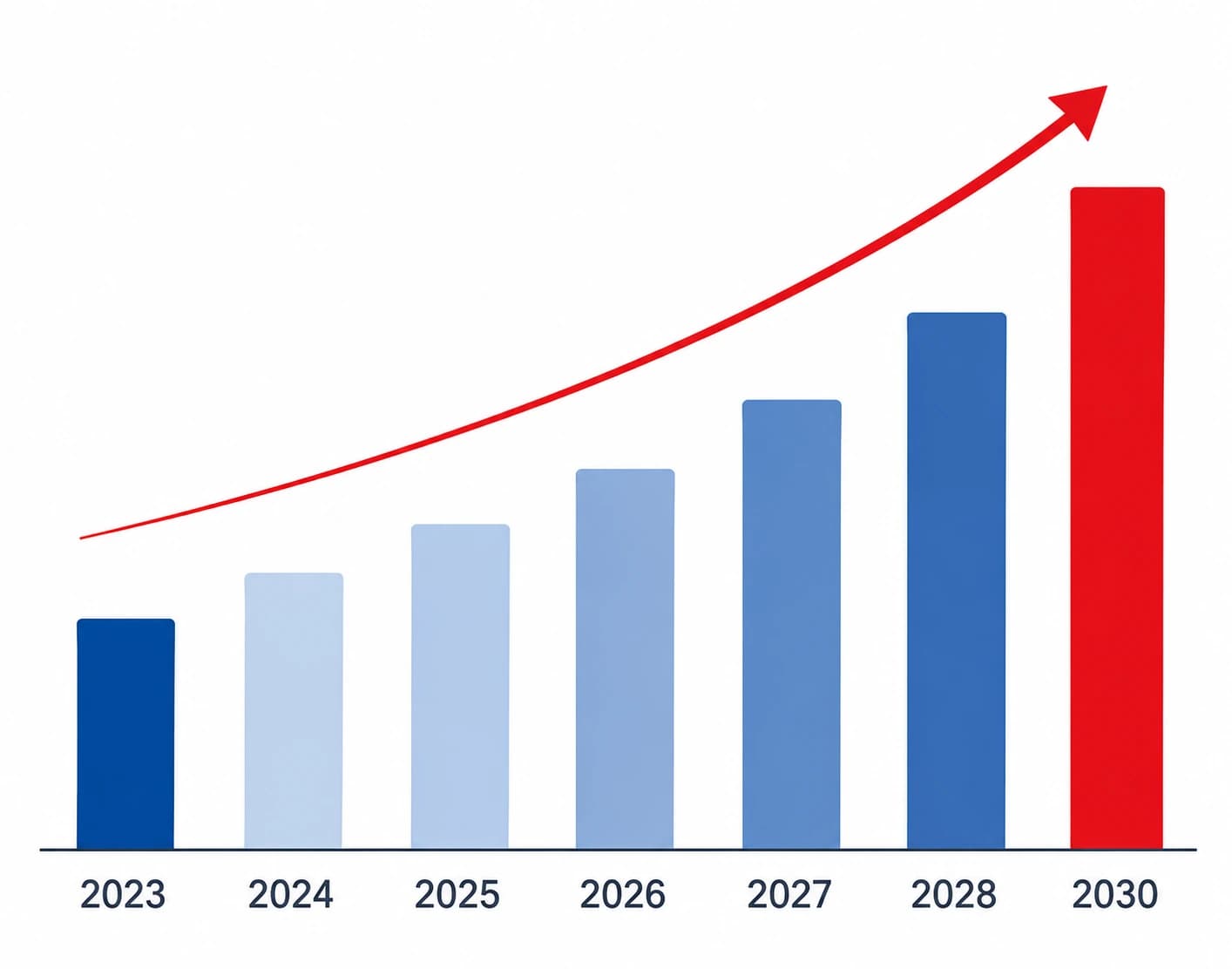
The global Metal Concrete Fibers market was valued at US$ 818 million in 2025 and is anticipated to reach US$ 1065 million by 2032, witnessing a CAGR of 3.9% during the forecast period 2026-2032.
Metal Concrete Fibers are high-performance construction materials used to enhance concrete properties, typically made from steel or other metal alloys, and available in various shapes such as straight, corrugated, and hooked. By uniformly dispersing in concrete mixtures, these fibers significantly improve the tensile strength, flexural strength, impact resistance, and crack resistance of concrete, while enhancing its toughness and durability. They are widely used in buildings, bridges, tunnels, airport runways, hydraulic engineering, and industrial floors, especially in structural engineering requiring high strength, toughness, and crack resistance. As modern construction projects demand higher concrete performance, the application scope and market demand for Metal Concrete Fibers are continuously expanding. Their prospects in high-performance concrete and specialized engineering materials are broad, making them a key direction for the technological development of the construction industry.
Market Development Opportunities & Main Driving Factors
With the ongoing growth of global infrastructure construction and the construction industry, the Metal Concrete Fibers market has迎来了良好的 development opportunities. In the infrastructure sector, the extensive construction of bridges, tunnels, and highways has led to a growing demand for high-performance concrete. Metal Concrete Fibers can effectively enhance the crack resistance and impact resistance of concrete, making them a key material for these projects. In the construction industry, high-rise buildings and long-span structures require higher strength and toughness from concrete, and the application of Metal Concrete Fibers can significantly improve the safety and durability of structures. Additionally, with the development of prefabricated component technology, the use of Metal Concrete Fibers in prefabricated concrete products is also expanding. These factors collectively drive the rapid development of the Metal Concrete Fibers market, which is expected to maintain growth in the coming years.
Market Challenges, Risks, & Restraints
Despite its broad development prospects, the Metal Concrete Fibers market also faces several challenges and risks. Fluctuations in raw material prices, particularly the instability of steel and metal alloy prices, can lead to increased production costs and compress corporate profit margins. Furthermore, market competition is becoming increasingly fierce as more companies enter the field, intensifying the battle for market share. To cope with this competition, companies need to enhance their competitiveness in product quality, pricing, branding, and distribution channels. The production process of Metal Concrete Fibers has high technological requirements and poses significant quality control challenges. Any quality issues can result in customer loss and a decline in market confidence. Finally, uncertainties in the global economic situation and changes in trade policies may adversely affect the market demand and pricing of Metal Concrete Fibers.
Looking at downstream demand, Metal Concrete Fibers have broad application prospects across multiple sectors. In the infrastructure construction sector, as urbanization accelerates and infrastructure continues to be upgraded, investments in bridges, tunnels, and highways will increase, driving the application of Metal Concrete Fibers in these areas. In the construction industry, the development of green and prefabricated construction provides more opportunities for Metal Concrete Fibers, particularly in prefabricated components and high-performance concrete products. In the industrial sector, as manufacturing recovers and industrial facilities expand, the demand for industrial flooring and wear-resistant concrete is rising, with Metal Concrete Fibers finding wider application in these fields. Additionally, the demand for high-performance concrete in hydraulic engineering and airport construction is also growing, further broadening the application prospects of Metal Concrete Fibers. In the future, with continuous technological advancements and diversified market demands, the application forms and fields of Metal Concrete Fibers will expand and deepen further.
This report aims to provide a comprehensive presentation of the global market for Metal Concrete Fibers, with both quantitative and qualitative analysis, to help readers develop business/growth strategies, assess the market competitive situation, analyze their position in the current marketplace, and make informed business decisions regarding Metal Concrete Fibers.
The Metal Concrete Fibers market size, estimations, and forecasts are provided in terms of sales quantity (K MT) and revenue ($ millions), considering 2025 as the base year, with history and forecast data for the period from 2021 to 2032. This report segments the global Metal Concrete Fibers market comprehensively. Regional market sizes, concerning products by Type, by Application, and by players, are also provided.
For a more in-depth understanding of the market, the report provides profiles of the competitive landscape, key competitors, and their respective market ranks. The report also discusses technological trends and new product developments.
The report will help the Metal Concrete Fibers manufacturers, new entrants, and industry chain related companies in this market with information on the revenues, sales, and average price for the overall market and the sub-segments across the different segments, by company, by Type, by Application, and by regions.
Chapter 1: Introduces the report scope of the report, executive summary of different market segments (by region, product type, application, etc), including the market size of each market segment, future development potential, and so on. It offers a high-level view of the current state of the market and its likely evolution in the short to mid-term, and long term.
Chapter 2: key insights, key emerging trends, etc.
Chapter 3: Manufacturers competitive analysis, detailed analysis of Metal Concrete Fibers manufacturers competitive landscape, price, sales and revenue market share, latest development plan, merger, and acquisition information, etc.
Chapter 4: Provides profiles of key players, introducing the basic situation of the main companies in the market in detail, including product sales, revenue, price, gross margin, product introduction, recent development, etc.
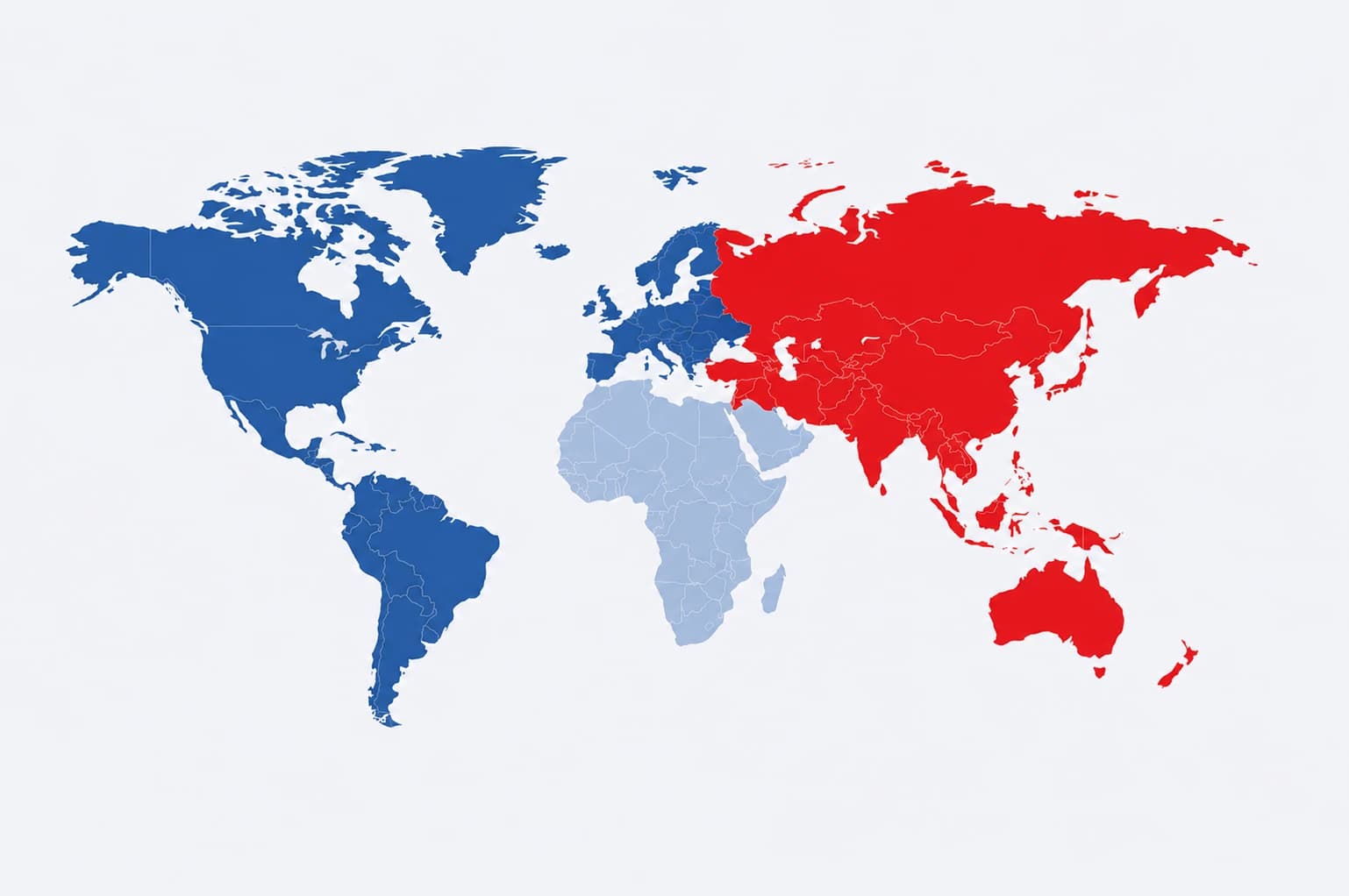
Chapter 5 & 6: Sales, revenue of Metal Concrete Fibers in regional level and country level. It provides a quantitative analysis of the market size and development potential of each region and its main countries and introduces the market development, future development prospects, market space, and market size of each country in the world.
Chapter 7: Provides the analysis of various market segments by Type, covering the market size and development potential of each market segment, to help readers find the blue ocean market in different market segments.
Chapter 8: Provides the analysis of various market segments by Application, covering the market size and development potential of each market segment, to help readers find the blue ocean market in different downstream markets.
Chapter 9: Analysis of industrial chain, including the upstream and downstream of the industry.
Chapter 10: The main points and conclusions of the report.
- ★ What Is The Overall Market Size And Projected Growth Rate Across Global And Regional Segments?
- ★ How Does The Market Size And Growth Outlook Vary Across Major Countries?
- ★ Which Region Or Market Sub-Segment Is Anticipated To Dominate Growth During The Forecast Period?
- ★ What Are The Primary Factors Expected To Drive Market Expansion, And What Challenges May Restrain Growth?
- ★ Which Emerging Technologies And Market Trends Are Shaping The Future Landscape?
- ★ What Are The Most Significant Opportunities Available In The Market?
- ★ Who Are The Leading Manufacturers Actively Participating In The Global Market?
- ★ Which Company Currently Holds The Largest Share Of The Market?
- ★ What Are The Potential Growth Avenues For New Entrants In The Global Market?