Congenital diseases are disorders in a newborn due to certain genetic factors (and sometimes in association with the environment) that often results in malformations or underdeveloped organs. Congenital Heart Diseases (CHD) results in malformed or undeveloped heart that presents in a newborn with breathing and circulation disorders. According to Lancet medical journal, CHD caused death of 0.22 million individuals and newborns globally in the year 2010. CHD was earlier erroneously associated with premature births, the association has no direct correlation with all forms of CHD and is mainly one of the many factors that can cause it. The genetic factors causing CHD consist of chromosomal errors in fertilization and the following meiotic division, these include: large chromosomal defects in trisomal chromosomes; small chromosomal defects like microdeletion of long/short arm of chromosome and random/environmentally induced mutation of heart muscle cell proteins, or associated proteins etc. The environmental factors like rubella infections, thalidomide drugs, metals (lithium, lead, mercury, etc), chronic illness in the mother (systemic lupus, diabetes, phenylketonuria, etc). Embryological changes, hormonal changes in the mother and certain birth deficiencies can also cause CHD and other birth defects in children. Besides these, according to some medical research reports, maternal obesity increased the chances of CHD in newborns; obesity was shown to increase the risk of previously hidden genetic traits of CHD in the new born children of such obese mothers.
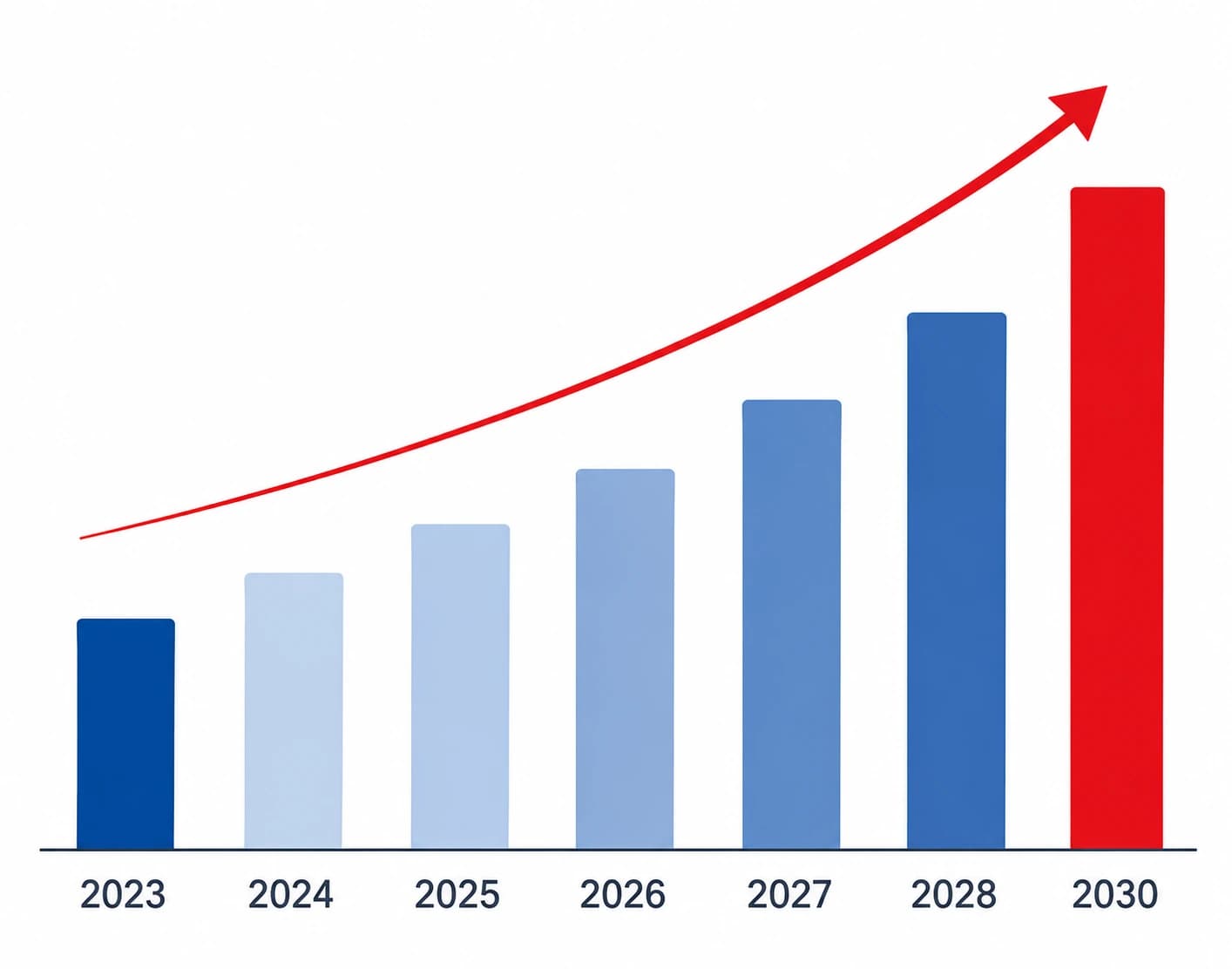
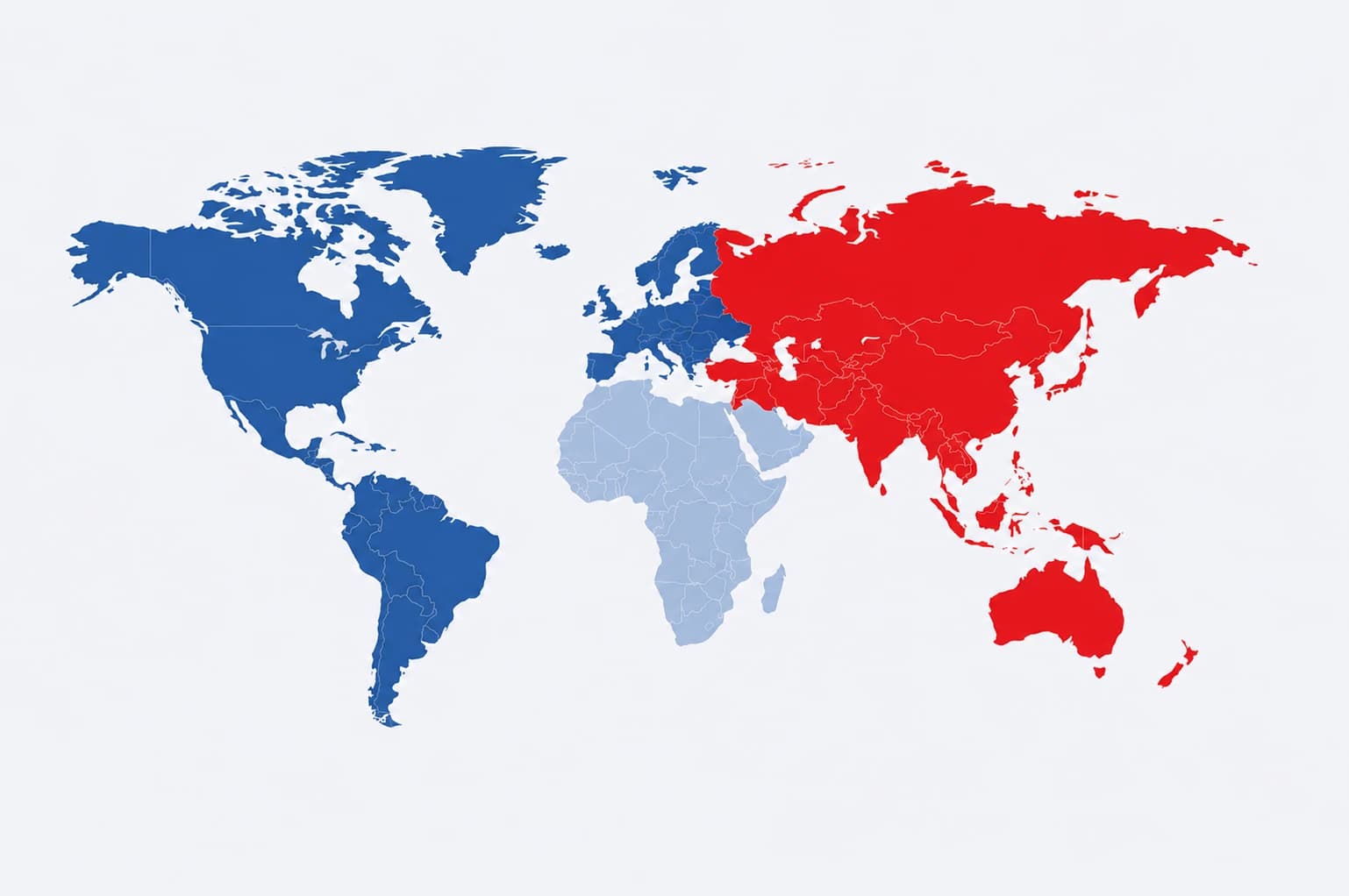
According to our latest report, the global market for Congenital Heart Diseases should grow from US$ million in 2023 to US$ million by 2030, with a CAGR of % for the period of 2024-2030. While India market for Congenital Heart Diseases is estimated to increase from US$ million in 2023 to US$ million by 2030, at a CAGR of % from 2024 through 2030. By country, India accounted for percent of the global market in 2023 and Indian market share will reach percent in 2030.
In the vast global economic landscape, India stands out with its rapid rise and unwavering determination to pursue new heights. With its rich cultural heritage and a population of over 1.4 billion, India has become an economic powerhouse, constantly showcasing its strength on the global stage. India, with its strong economic foundation, strong domestic demand, cautious financial management, high savings rate, and favorable population trends, has become the fifth largest economy in the world in terms of GDP. The country's major economic contributors are traditional and modern agriculture, technology services, the handicraft industry, and business outsourcing.
To assess the competitive environment within the market including supplier revenue, market share, and company profiles.
(1) Global Congenital Heart Diseases market size, history data 2019-2024, and forecast data 2025-2030, (US$ million)
(2) India Congenital Heart Diseases market size, history data 2019-2024, and forecast data 2025-2030, (US$ million)
(3) Global Congenital Heart Diseases by company, revenue, market share and industry ranking 2019-2024, (US$ million)
(4) India Congenital Heart Diseases by company, revenue, market share and industry ranking 2019-2024, (US$ million)
(5) Global Congenital Heart Diseases revenue by region, 2019-2024, (US$ million)
(6) Company profile, SWOT analysis, etc.
Chapter 1: Introduces Congenital Heart Diseases definition, global market size, India market size, India percentage in global market. This section also introduces the market dynamics, latest developments of the market, the driving factors and restrictive factors of the market, the challenges and risks faced by companies in the industry, and the analysis of relevant policies in the industry.
Chapter 2: Provides the analysis of various market segments by Type, covering the revenue, and development potential of each market segment, to help readers find the blue ocean market in different market segments.
Chapter 3: Provides the analysis of various market segments by Application, covering the revenue, and development potential of each market segment, to help readers find the blue ocean market in different downstream markets.
Chapter 4: Global Congenital Heart Diseases revenue market share.
Chapter 5: India Congenital Heart Diseases revenue market share.
Chapter 6: Revenue of Congenital Heart Diseases in global and regional level. It provides a quantitative analysis of the market size and development potential of each region and introduces the market development, future development prospects, market space of each country in the world.
Chapter 7: Provides profiles of key companies, introducing the basic situation of the main companies in the market in detail, including product descriptions and specifications, Congenital Heart Diseases revenue, gross margin, SWOT, and recent development, etc.
Chapter 8: Analyst's Viewpoints/Conclusions
- ★ What Is The Overall Market Size And Projected Growth Rate Across Global And Regional Segments?
- ★ How Does The Market Size And Growth Outlook Vary Across Major Countries?
- ★ Which Region Or Market Sub-Segment Is Anticipated To Dominate Growth During The Forecast Period?
- ★ What Are The Primary Factors Expected To Drive Market Expansion, And What Challenges May Restrain Growth?
- ★ Which Emerging Technologies And Market Trends Are Shaping The Future Landscape?
- ★ What Are The Most Significant Opportunities Available In The Market?
- ★ Who Are The Leading Manufacturers Actively Participating In The Global Market?
- ★ Which Company Currently Holds The Largest Share Of The Market?
- ★ What Are The Potential Growth Avenues For New Entrants In The Global Market?