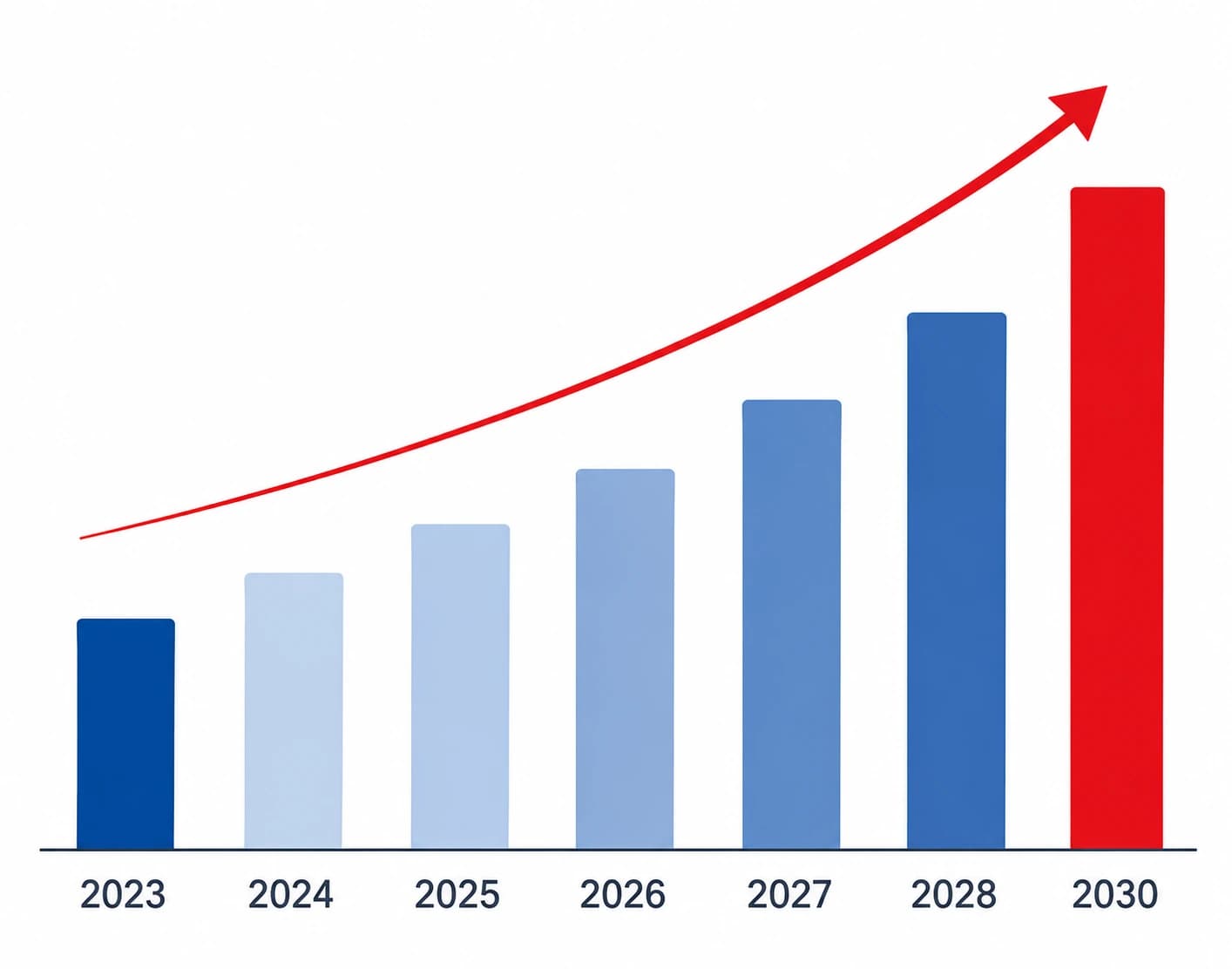
The global Emergency Weather Alert Radio market was valued at US$ 445 million in 2025 and is anticipated to reach US$ 583 million by 2032, witnessing a CAGR of 4.0% during the forecast period 2026-2032.
An emergency weather alert radio is a specialized communication device designed to receive and broadcast real-time alerts about severe weather conditions and other emergencies issued by national or local authorities, such as the National Weather Service (NWS) or public alert systems. Unlike standard radios, it is equipped with Specific Area Message Encoding (SAME) technology and NOAA (National Oceanic and Atmospheric Administration) Weather Radio channels to automatically detect and activate alarms for localized threats like hurricanes, tornadoes, floods, wildfires, and civil emergencies. Many models feature battery backup, solar charging, hand cranks, LED flashlights, and USB ports to ensure functionality during power outages or remote use. These radios are essential for disaster preparedness, providing life-saving alerts and continuous updates when internet and mobile networks fail. They are commonly used in households, schools, emergency shelters, and outdoor survival kits.
In recent years, the global emergency weather alert radio market has been experiencing remarkable growth. This upward trend is mainly propelled by the increasing frequency of natural disasters, the enhancement of public disaster - prevention awareness, and the burgeoning enthusiasm for outdoor activities. As a device that provides crucial information, illumination, and charging functions during emergencies, emergency weather alert radios have become increasingly significant.
Currently, the market for emergency weather alert radios is diverse in product offerings. These products not only possess basic radio - listening functions but also often integrate multiple power - supply methods such as hand - crank power generation, solar charging, and USB charging, greatly enhancing their practicality and reliability.
By product type, the emergency weather alert radio segment, as a key part of the portable radio market, is showing strong growth potential.
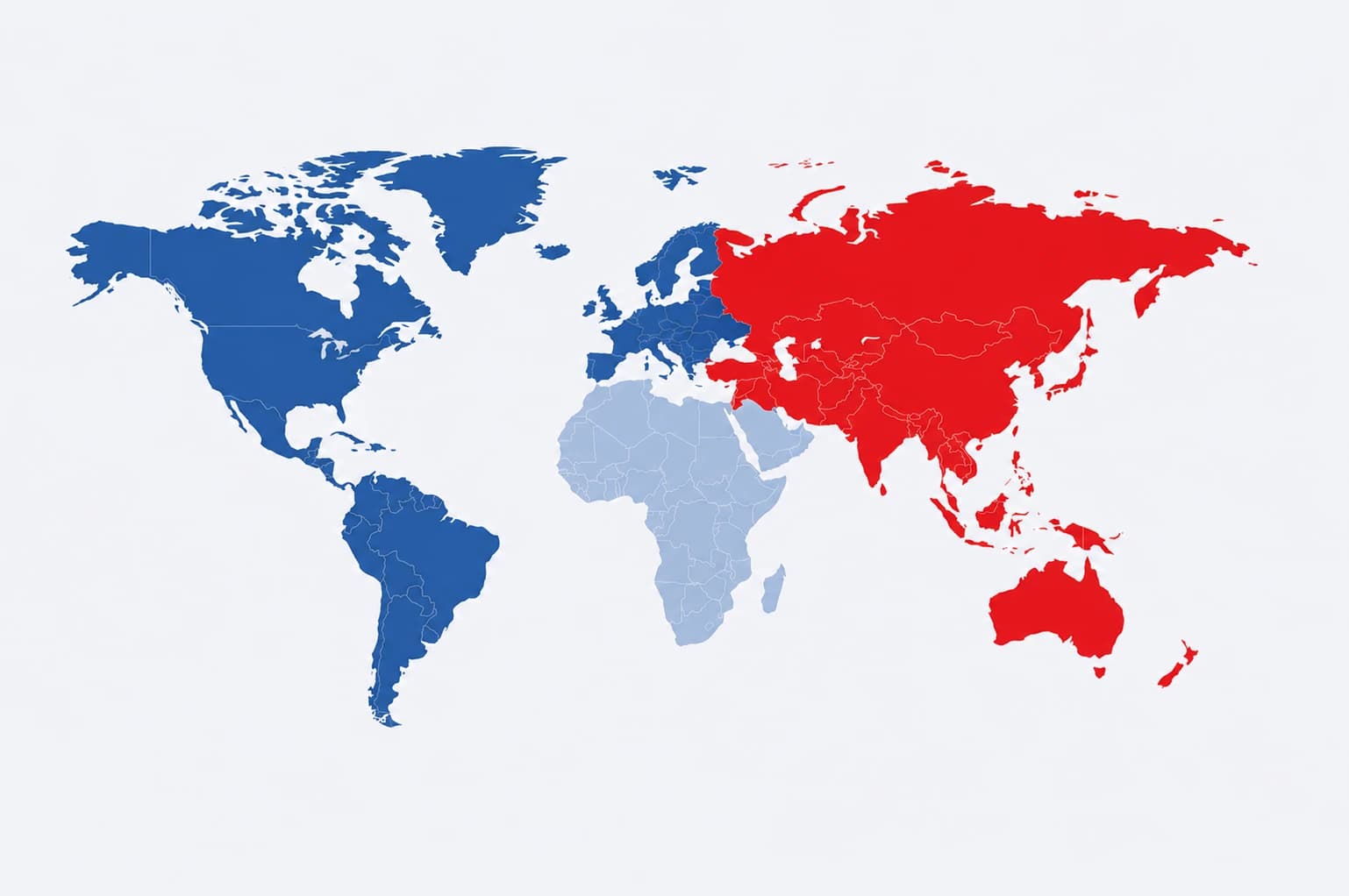
Regionally, North America and Europe currently hold the largest market shares. In North America, the frequent occurrence of various extreme weather events like hurricanes, tornadoes, and heavy snowstorms has led to a high demand for such radios. For example, during the hurricane seasons in the southeastern United States, emergency weather alert radios become essential tools for residents to receive real - time weather warnings and safety instructions. In Europe, the relatively high awareness of disaster prevention, combined with well - developed emergency management systems, has also contributed to the stable demand for these radios.
However, the Asia - Pacific region is emerging as a market with huge growth potential. With the economic development in countries like China, India, and South Korea, and the increasing awareness of the importance of disaster prevention, the demand for emergency weather alert radios is on the rise. In China, due to the vast territory and the frequent occurrence of different types of meteorological disasters such as typhoons in the southeast coastal areas, floods in the middle and lower reaches of the Yangtze River, and droughts in the northwestern regions, the government and the public are paying more attention to disaster - prevention and mitigation measures. As a result, the demand for emergency weather alert radios has been growing steadily.
Looking ahead, the future development trends of emergency weather alert radios are promising. Technologically, we can expect to see more intelligent features being added. For instance, integrating artificial intelligence to provide more accurate and personalized weather forecasts, and enabling seamless connection with other smart devices such as smartphones and smart home systems. This will allow users to receive weather alerts not only on the radio but also on their other frequently - used devices, making the warning information more accessible.
In terms of functionality, manufacturers will likely focus on enhancing the versatility of these radios. Besides weather alerts, they may incorporate functions like emergency communication, providing access to emergency service hotlines, and even offering basic health - monitoring features in the future. This expansion of functions will make emergency weather alert radios more indispensable in various emergency scenarios.
Furthermore, as the global population becomes more environmentally conscious, there will be a greater emphasis on the use of sustainable energy sources in these radios. Solar - powered and hand - crank - powered models will continue to be improved in terms of energy - conversion efficiency and battery - storage capacity, ensuring longer - lasting operation during power - outages or in remote areas.
In conclusion, the emergency weather alert radio market has a bright future. With the continuous increase in demand driven by various factors and the constant innovation in technology and functionality, this market is set to grow steadily and play an even more crucial role in global disaster - prevention and public safety.
This report aims to provide a comprehensive presentation of the global market for Emergency Weather Alert Radio, with both quantitative and qualitative analysis, to help readers develop business/growth strategies, assess the market competitive situation, analyze their position in the current marketplace, and make informed business decisions regarding Emergency Weather Alert Radio.
The Emergency Weather Alert Radio market size, estimations, and forecasts are provided in terms of sales quantity (K Units) and revenue ($ millions), considering 2025 as the base year, with history and forecast data for the period from 2021 to 2032. This report segments the global Emergency Weather Alert Radio market comprehensively. Regional market sizes, concerning products by Type, by Application, and by players, are also provided.
For a more in-depth understanding of the market, the report provides profiles of the competitive landscape, key competitors, and their respective market ranks. The report also discusses technological trends and new product developments.
The report will help the Emergency Weather Alert Radio manufacturers, new entrants, and industry chain related companies in this market with information on the revenues, sales, and average price for the overall market and the sub-segments across the different segments, by company, by Type, by Application, and by regions.
Chapter 1: Introduces the report scope of the report, executive summary of different market segments (by region, product type, application, etc), including the market size of each market segment, future development potential, and so on. It offers a high-level view of the current state of the market and its likely evolution in the short to mid-term, and long term.
Chapter 2: key insights, key emerging trends, etc.
Chapter 3: Manufacturers competitive analysis, detailed analysis of Emergency Weather Alert Radio manufacturers competitive landscape, price, sales and revenue market share, latest development plan, merger, and acquisition information, etc.
Chapter 4: Provides profiles of key players, introducing the basic situation of the main companies in the market in detail, including product sales, revenue, price, gross margin, product introduction, recent development, etc.
Chapter 5 & 6: Sales, revenue of Emergency Weather Alert Radio in regional level and country level. It provides a quantitative analysis of the market size and development potential of each region and its main countries and introduces the market development, future development prospects, market space, and market size of each country in the world.
Chapter 7: Provides the analysis of various market segments by Type, covering the market size and development potential of each market segment, to help readers find the blue ocean market in different market segments.
Chapter 8: Provides the analysis of various market segments by Application, covering the market size and development potential of each market segment, to help readers find the blue ocean market in different downstream markets.
Chapter 9: Analysis of industrial chain, including the upstream and downstream of the industry.
Chapter 10: The main points and conclusions of the report.
- ★ What Is The Overall Market Size And Projected Growth Rate Across Global And Regional Segments?
- ★ How Does The Market Size And Growth Outlook Vary Across Major Countries?
- ★ Which Region Or Market Sub-Segment Is Anticipated To Dominate Growth During The Forecast Period?
- ★ What Are The Primary Factors Expected To Drive Market Expansion, And What Challenges May Restrain Growth?
- ★ Which Emerging Technologies And Market Trends Are Shaping The Future Landscape?
- ★ What Are The Most Significant Opportunities Available In The Market?
- ★ Who Are The Leading Manufacturers Actively Participating In The Global Market?
- ★ Which Company Currently Holds The Largest Share Of The Market?
- ★ What Are The Potential Growth Avenues For New Entrants In The Global Market?