Smart Wearable Healthcare Devices, often referred to simply as medical wearables, are a category of electronic devices designed to be worn on or attached to the body, with the primary purpose of monitoring and managing various aspects of an individual's health and well-being. These devices have gained significant prominence in recent years due to advancements in technology and their potential to transform healthcare by providing continuous and real-time data on a person's physiological parameters, physical activity, and even chronic medical conditions.
Medical wearables come in various forms, from wrist-worn fitness trackers and smartwatches to adhesive patches, etc. They are equipped with an array of sensors and technologies, including but not limited to accelerometers, heart rate monitors, temperature sensors, electrocardiography (ECG) sensors, and GPS, depending on their intended use and the health metrics they aim to track.
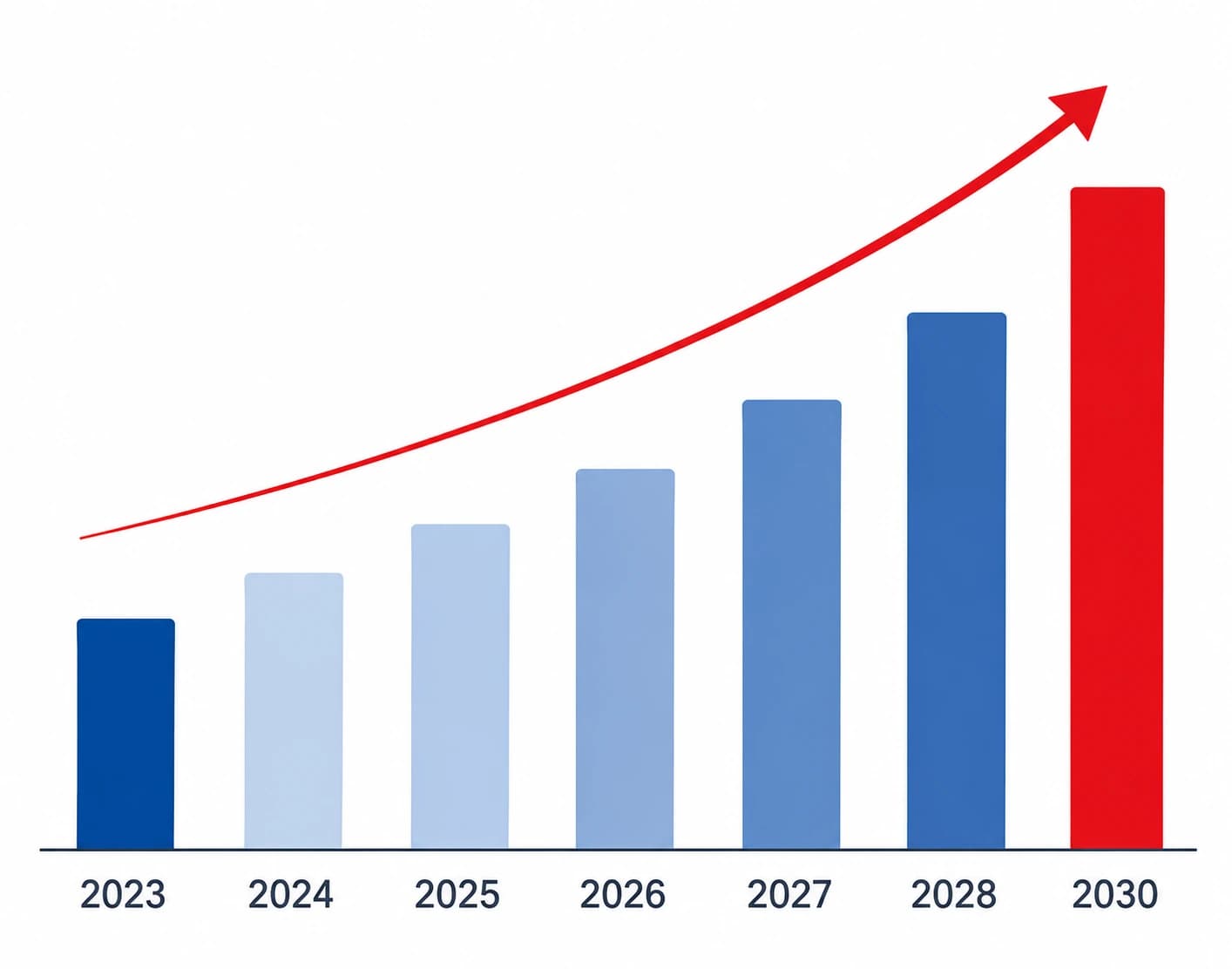
The global Smart Wearable Healthcare Devices market was valued at US$ 67490 million in 2023 and is anticipated to reach US$ 124790 million by 2030, witnessing a CAGR of 9.2% during the forecast period 2024-2030.
The Smart Wearable Healthcare Devices market is being driven by the growing consumer interest in health monitoring and fitness tracking. Devices such as smartwatches, fitness bands, and medical-grade wearables are becoming increasingly popular due to their ability to provide real-time health data, such as heart rate, sleep patterns, and physical activity levels. As people become more proactive about managing their health and wellness, the demand for wearable devices that offer personalized health insights continues to rise, especially in developed markets.
Another key driver is the increasing integration of wearable devices into healthcare systems. These devices are now being used to remotely monitor patients with chronic diseases, offering doctors real-time data that helps in early diagnosis and continuous management of conditions such as diabetes, heart disease, and hypertension. With advancements in telemedicine and digital health, wearables are seen as an essential tool in enhancing patient outcomes, reducing hospital visits, and lowering healthcare costs.
However, the market faces several challenges, with data privacy and security being major concerns. As wearable devices collect sensitive health information, there is a growing demand for robust data protection measures. Additionally, the high cost of advanced wearable devices limits accessibility for a significant portion of the population, particularly in developing countries. The need for accurate data and improved battery life in these devices also presents technological challenges for manufacturers, who must balance innovation with affordability and reliability.
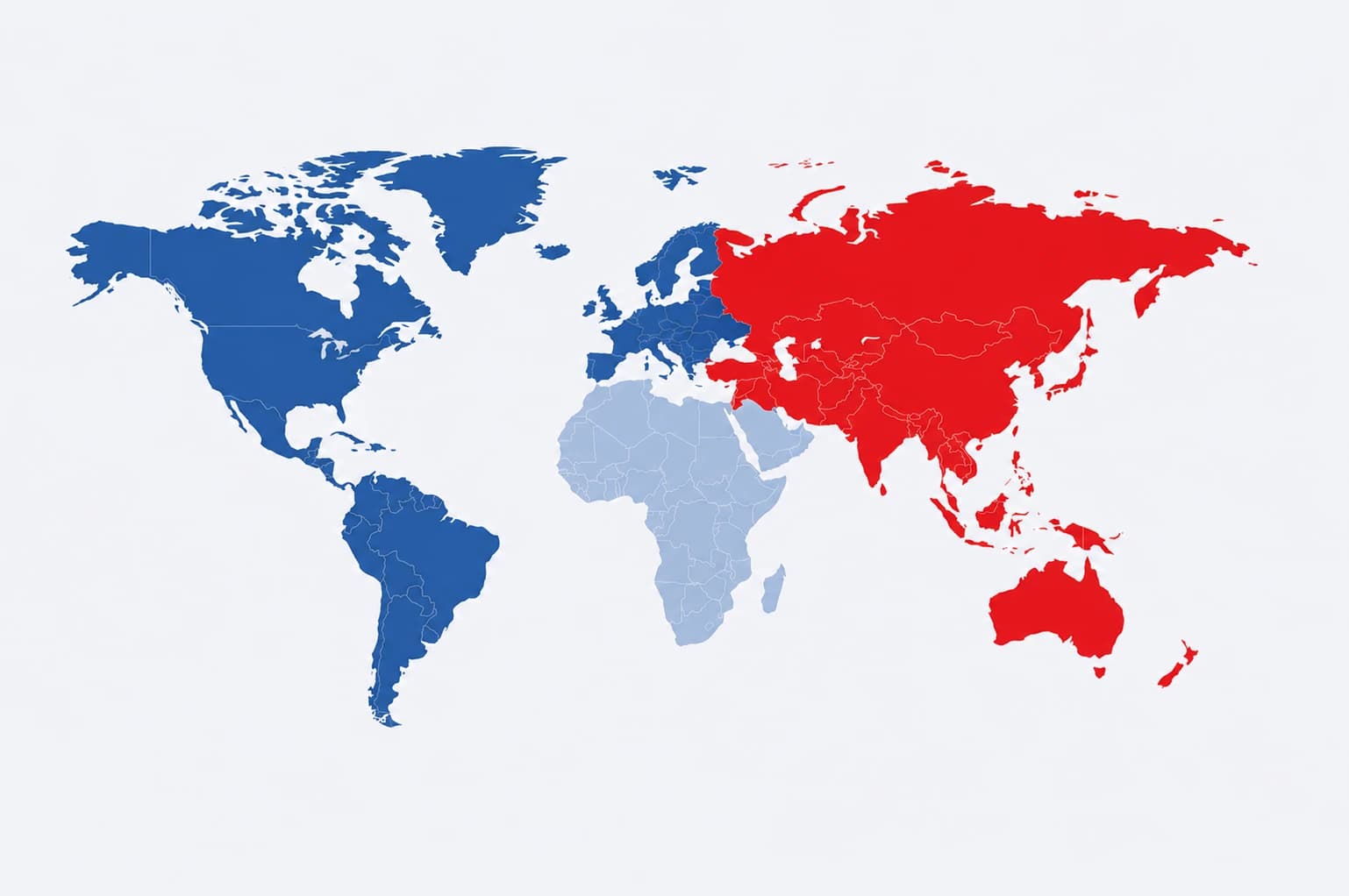
North America is the largest consumption place, with a consumption market share nearly 42% in 2023. Following North America, Asia-Pacific is the second largest consumption place with the consumption market share of 31%.
The global key manufacturers of Medical Wearable Device include Apple, Abbott, Samsung, Huawei, DexCom, Xiaomi, Medtronic, Insulet, Polar, Tandem, etc. In 2023, the global top five players had a share approximately 52.5% in terms of revenue.
This report aims to provide a comprehensive presentation of the global market for Smart Wearable Healthcare Devices, with both quantitative and qualitative analysis, to help readers develop business/growth strategies, assess the market competitive situation, analyze their position in the current marketplace, and make informed business decisions regarding Smart Wearable Healthcare Devices.
The Smart Wearable Healthcare Devices market size, estimations, and forecasts are provided in terms of revenue ($ millions), considering 2023 as the base year, with history and forecast data for the period from 2019 to 2030. This report segments the global Smart Wearable Healthcare Devices market comprehensively. Regional market sizes, concerning products by Type, by Application, and by players, are also provided.
For a more in-depth understanding of the market, the report provides profiles of the competitive landscape, key competitors, and their respective market ranks. The report also discusses technological trends and new product developments.
The report will help the Smart Wearable Healthcare Devices manufacturers, new entrants, and industry chain related companies in this market with information on the revenues for the overall market and the sub-segments across the different segments, by company, by Type, by Application, and by regions.
Chapter 1: Introduces the report scope of the report, executive summary of different market segments (by region, product type, application, etc), including the market size of each market segment, future development potential, and so on. It offers a high-level view of the current state of the market and its likely evolution in the short to mid-term, and long term.
Chapter 2: key insights, key emerging trends, etc.
Chapter 3: Manufacturers competitive analysis, detailed analysis of Smart Wearable Healthcare Devices manufacturers competitive landscape, revenue market share, latest development plan, merger, and acquisition information, etc.
Chapter 4: Provides profiles of key players, introducing the basic situation of the main companies in the market in detail, including product revenue, gross margin, product introduction, recent development, etc.
Chapter 5 & 6: Revenue of Smart Wearable Healthcare Devices in regional level and country level. It provides a quantitative analysis of the market size and development potential of each region and its main countries and introduces the market development, future development prospects, market space, and market size of each country in the world.
Chapter 7: Provides the analysis of various market segments by Type, covering the market size and development potential of each market segment, to help readers find the blue ocean market in different market segments.
Chapter 8: Provides the analysis of various market segments by Application, covering the market size and development potential of each market segment, to help readers find the blue ocean market in different downstream markets.
Chapter 9: Analysis of industrial chain, including the upstream and downstream of the industry.
Chapter 10: The main points and conclusions of the report.
- ★ What Is The Overall Market Size And Projected Growth Rate Across Global And Regional Segments?
- ★ How Does The Market Size And Growth Outlook Vary Across Major Countries?
- ★ Which Region Or Market Sub-Segment Is Anticipated To Dominate Growth During The Forecast Period?
- ★ What Are The Primary Factors Expected To Drive Market Expansion, And What Challenges May Restrain Growth?
- ★ Which Emerging Technologies And Market Trends Are Shaping The Future Landscape?
- ★ What Are The Most Significant Opportunities Available In The Market?
- ★ Who Are The Leading Manufacturers Actively Participating In The Global Market?
- ★ Which Company Currently Holds The Largest Share Of The Market?
- ★ What Are The Potential Growth Avenues For New Entrants In The Global Market?