
Report Overview
- ★ What Is The Overall Market Size And Projected Growth Rate Across Global And Regional Segments?
- ★ How Does The Market Size And Growth Outlook Vary Across Major Countries?
- ★ Which Region Or Market Sub-Segment Is Anticipated To Dominate Growth During The Forecast Period?
- ★ What Are The Primary Factors Expected To Drive Market Expansion, And What Challenges May Restrain Growth?
- ★ Which Emerging Technologies And Market Trends Are Shaping The Future Landscape?
- ★ What Are The Most Significant Opportunities Available In The Market?
- ★ Who Are The Leading Manufacturers Actively Participating In The Global Market?
- ★ Which Company Currently Holds The Largest Share Of The Market?
- ★ What Are The Potential Growth Avenues For New Entrants In The Global Market?
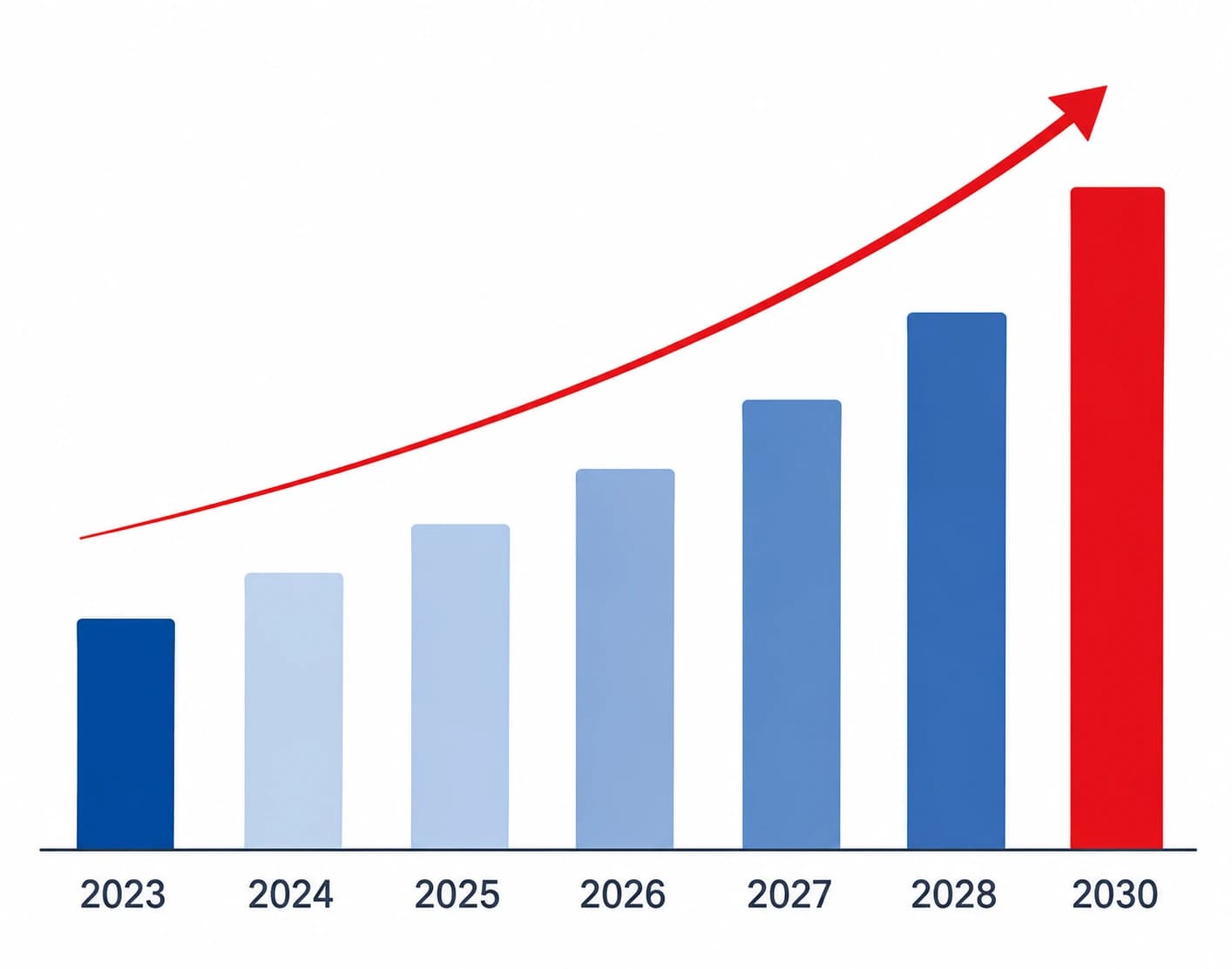
Market Size Overview
19470
202638730
203210.0%
CAGR (2024-2032)Key Market Segmentation

By Type
- Square Wave Inverter
- Modified Sine Wave Inverter

By Application
- Residential
- Commercial
- Industrial

By Region
- North America
- Europe
- Asia Pacific
- Latin America
- Middle East & Africa
Regional Market Insights
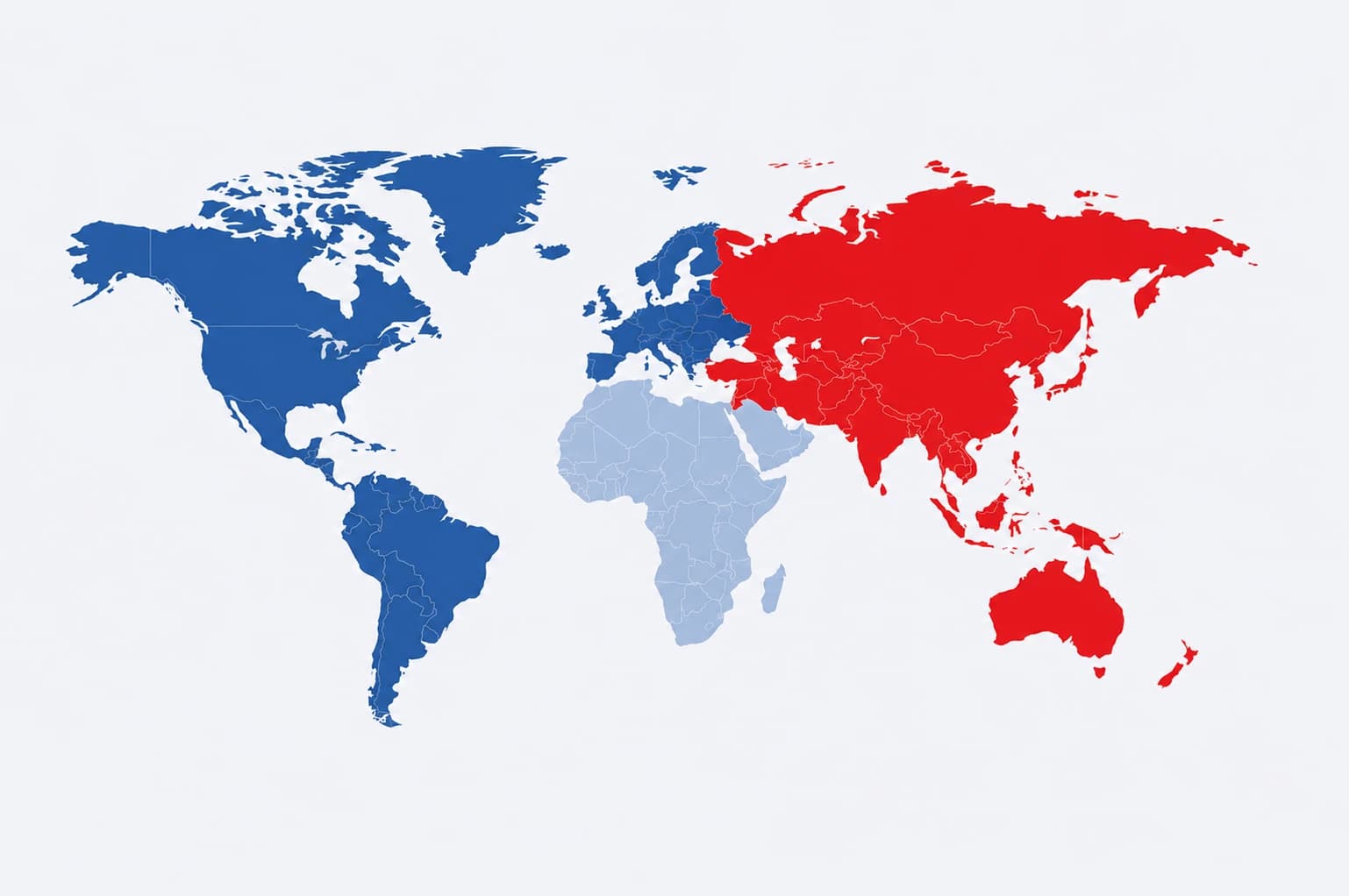

Asia Pacific
China, Japan, South Korea, Southeast Asia, India

North America
U.S., Canada, Mexico

Europe
Germany, France, UK, Italy

South America
Brazil, etc.

Middle East and Africa
Turkey, GCC Countries, Africa, etc.
Global Perspective. Local Insight.
Our reports deliver comprehensive regional coverage to help you understand market dynamics, identify growth opportunities, and make informed decisions.
Why Buy This Report?
Actionable insights. Trusted data. Smarter decisions.
Everything you need to stay ahead with confidence.
Gain a comprehensive understanding of the market
Make informed business decisions with data-backed insights
Identify growth opportunities and emerging markets
Stay ahead of competitors with actionable intelligence
Support strategic planning and investment decisions
Access detailed market segmentation and regional analysis
Benchmark key players, pricing, and market share
Benefit from reliable forecasts, trends, and future outlook
Understand customer demand, sales potential, and industry dynamics
Save research time with expert-validated data and analysis

Need Customization?
Reliable Reports
Trusted by Leaders
Global Coverage
100+ Countries
24/7 Support
We're Here to Help
Secure Payments
Safe & Trusted