Milking robots, also known as robotic milking machines, automatic milking systems (AMS) or voluntary milking systems (VMS), were developed in the late 20th century. They have been commercially available since the early 1990s. The core of such systems that allows complete automation of the milking process is a type of agricultural robot. Common systems rely on the use of computers and special herd management software. The milking robot consist of a master control computer, milking robot, milking equipment, import and export control system, cow individual identification device. With the milking robot, it is possible to supply an individual cow with all her needs for an optimal health, production and well-being, without the extra labor. The basis of successful dairy farming is the healthy and happy individual cow.
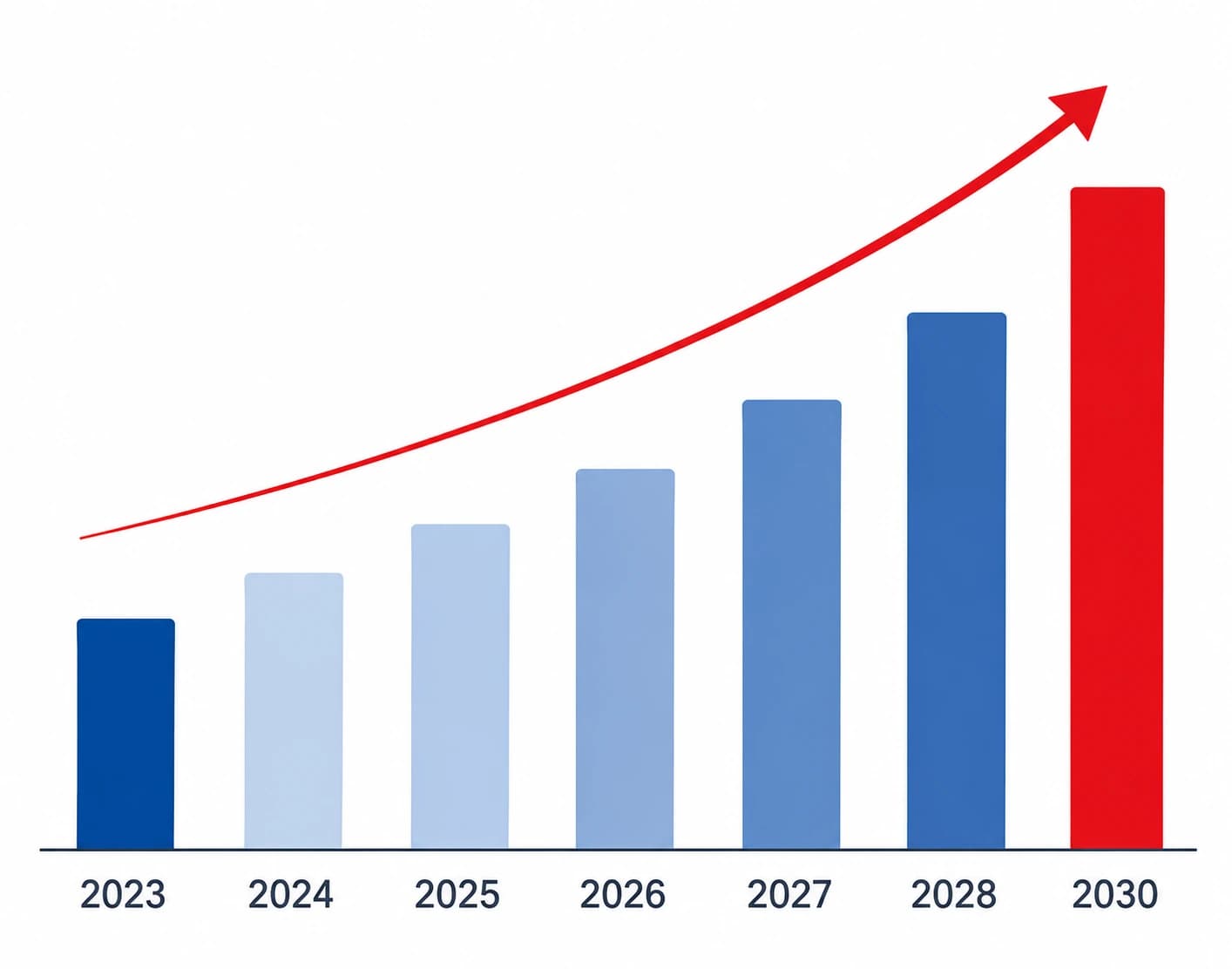
The global Milking Robots market size is expected to reach US$ 4090.1 million by 2029, growing at a CAGR of 10.3% from 2023 to 2029. The market is mainly driven by the significant applications of Milking Robots in various end use industries. The expanding demands from the Farm, Dairy Company and Others,, are propelling Milking Robots market. Pail Milking Robots, one of the segments analysed in this report, is projected to record % CAGR and reach US$ million by the end of the analysis period. Growth in the Pipeline Milking Robots segment is estimated at % CAGR for the next seven-year period.
The major players in global Milking Robots market include Lely, DeLaval, etc. The top 2 players occupy about 70% shares of the global market. Netherland is the main market, and occupies about 55% of the global market. The main types include Pail Milking Robots, Pipeline Milking Robots, etc.
This report provides market insight on the different segments, by manufacturers, by Type, by Application. Market size and forecast (2018-2029) has been provided in the report. The primary objectives of this report are to provide 1) global market size and forecasts, growth rates, market dynamics, industry structure and developments, market situation, trends; 2) global market share and ranking by company; 3) comprehensive presentation of the global market for Milking Robots, with both quantitative and qualitative analysis through detailed segmentation; 4) detailed value chain analysis and review of growth factors essential for the existing market players and new entrants; 5) emerging opportunities in the market and the future impact of major drivers and restraints of the market.
Key Features of The Study:
This report provides in-depth analysis of the global Milking Robots market, and provides market size (US$ million) and CAGR for the forecast period (2023-2029), considering 2022 as the base year.
This report profiles key players in the global Milking Robots market based on the following parameters - company details (found date, headquarters, manufacturing bases), products portfolio, Milking Robots sales data, market share and ranking.
This report elucidates potential market opportunities across different segments and explains attractive investment proposition matrices for this market.
This report illustrates key insights about market drivers, restraints, opportunities, market trends, regional outlook.
Key companies of Milking Robots covered in this report include Lely, DeLaval, Hokofarm, GEA Farm, SA Christensen, Fullwood and Boumatic Robotics, etc.
The global Milking Robots market report caters to various stakeholders in this industry including investors, suppliers, product manufacturers, distributors, new entrants, and financial analysts.
Global Milking Robots market, by region:
North America (U.S., Canada, Mexico)
Europe (Germany, France, UK, Italy, etc.)
Asia Pacific (China, Japan, South Korea, Southeast Asia, India, etc.)
South America (Brazil, etc.)
Middle East and Africa (Turkey, GCC Countries, Africa, etc.)
Global Milking Robots market, Segment by Type:
Plshy Bone Milking Robots
Global Milking Robots market, by Application
Chapter One: Introduces the study scope of this report, executive summary of market segments by Type, market size segments for North America, Europe, Asia Pacific, South America, Middle East & Africa.
Chapter Two: Detailed analysis of Milking Robots manufacturers competitive landscape, price, sales, revenue, market share and ranking, latest development plan, merger, and acquisition information, etc.
Chapter Three: Sales, revenue of Milking Robots in regional level. It provides a quantitative analysis of the market size and development potential of each region and introduces the future development prospects, and market space in the world.
Chapter Four: Introduces market segments by Application, market size segment for North America, Europe, Asia Pacific, South America, Middle East & Africa.
Chapter Five, Six, Seven, Eight and Nine: North America, Europe, Asia Pacific, South America, Middle East & Africa, sales and revenue by country.
Chapter Ten: Provides profiles of key players, introducing the basic situation of the main companies in the market in detail, including product sales, revenue, price, gross margin, product introduction, recent development, etc.
Chapter Eleven: Analysis of industrial chain, key raw materials, manufacturing cost, and market dynamics. Introduces the market dynamics, latest developments of the market, the driving factors and restrictive factors of the market, the challenges and risks faced by manufacturers in the industry, and the analysis of relevant policies in the industry.
Chapter Twelve: Analysis of sales channel, distributors and customers.
Chapter Thirteen: Research Findings and Conclusion.