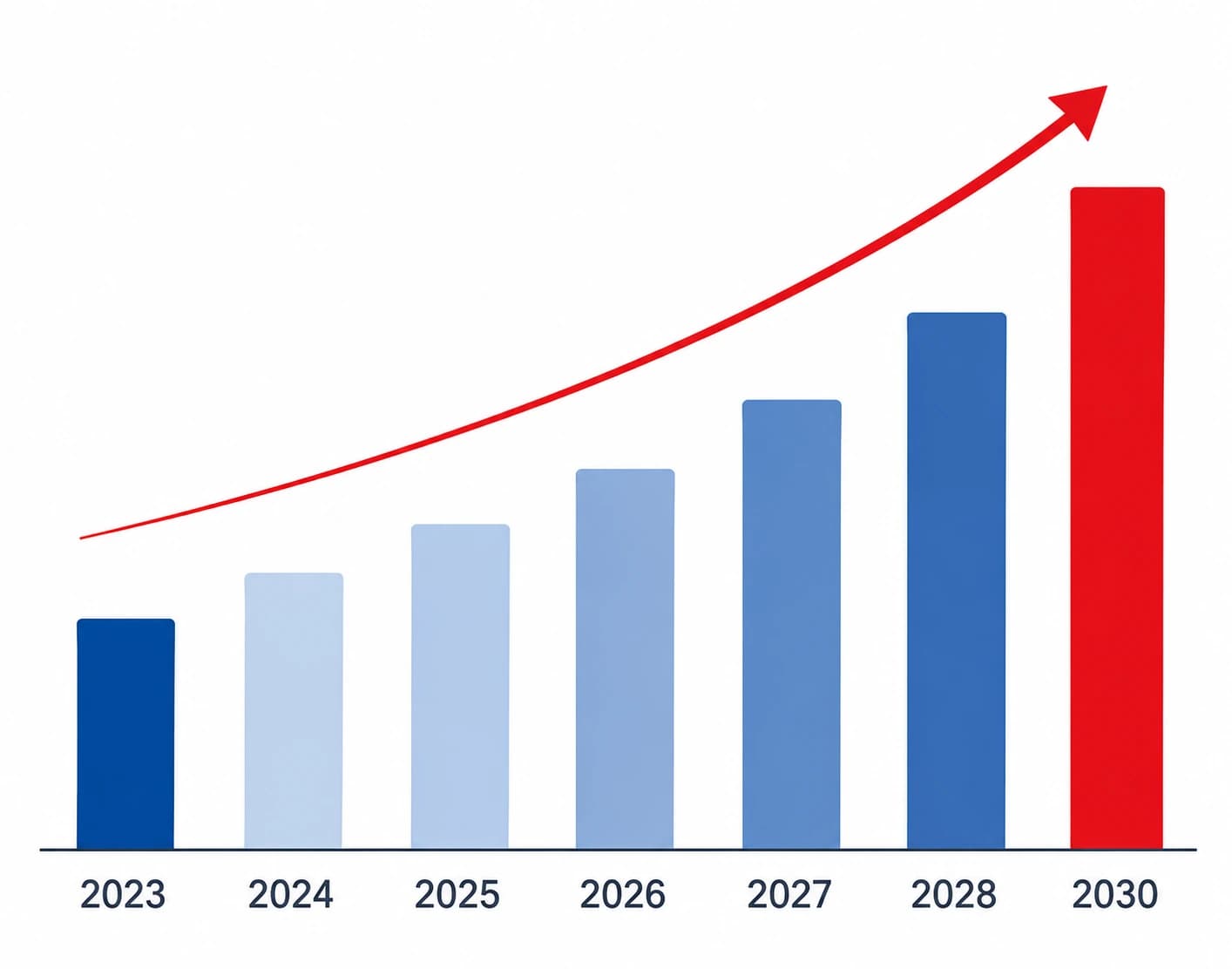
The global Medical Articulated Arm market was valued at US$ 1241 million in 2024 and is anticipated to reach US$ 1623 million by 2031, witnessing a CAGR of 4.5% during the forecast period 2025-2031.
Medical articulated arm is an adjustable arm mechanism used in medical environments to support various devices, such as medical monitors, lights, or cameras. The articulated arm allows for flexible positioning and movement, improving ergonomics and facilitating efficient healthcare workflows.
The medical articulated arm industry is undergoing a transformation from general-purpose equipment to specialized solutions. This trend is particularly prominent in the application of surgical robot integration and image navigation system supporting applications. With the popularization of minimally invasive surgery and the increase in demand for precision medicine, the new generation of products continues to iterate in terms of degree of freedom optimization, force feedback accuracy and sterilization compatibility. Special articulated arms in the fields of neurosurgery and orthopedics have formed differentiated technical routes. The industry's technical barriers have been significantly improved, mainly reflected in the ability of interdisciplinary integration, including systematic innovations in precision mechanical transmission, real-time posture algorithms and medical-grade material applications.
The evolution of the market structure shows obvious clinical demand-driven characteristics. On the one hand, the rise of day surgery centers has spawned the demand for compact articulated arms, and on the other hand, complex surgical scenarios have promoted the development of modular configurable systems. This differentiation has prompted manufacturers to shift from single equipment suppliers to overall surgical solution providers, and intelligent and interconnected functions are becoming standard product features. Changes in the regulatory environment have a far-reaching impact on the industry. The tightening of certification requirements for Class II medical devices in various countries, especially the upgrade of standards involving active motion control and safety interruption mechanisms, is accelerating the process of industry integration.
This report aims to provide a comprehensive presentation of the global market for Medical Articulated Arm, with both quantitative and qualitative analysis, to help readers develop business/growth strategies, assess the market competitive situation, analyze their position in the current marketplace, and make informed business decisions regarding Medical Articulated Arm.
The Medical Articulated Arm market size, estimations, and forecasts are provided in terms of sales quantity (K Units) and revenue ($ millions), considering 2024 as the base year, with history and forecast data for the period from 2020 to 2031. This report segments the global Medical Articulated Arm market comprehensively. Regional market sizes, concerning products by Type, by Application, and by players, are also provided.
For a more in-depth understanding of the market, the report provides profiles of the competitive landscape, key competitors, and their respective market ranks. The report also discusses technological trends and new product developments.
The report will help the Medical Articulated Arm manufacturers, new entrants, and industry chain related companies in this market with information on the revenues, sales, and average price for the overall market and the sub-segments across the different segments, by company, by Type, by Application, and by regions.
Chapter 1: Introduces the report scope of the report, executive summary of different market segments (by region, product type, application, etc), including the market size of each market segment, future development potential, and so on. It offers a high-level view of the current state of the market and its likely evolution in the short to mid-term, and long term.
Chapter 2: key insights, key emerging trends, etc.
Chapter 3: Manufacturers competitive analysis, detailed analysis of Medical Articulated Arm manufacturers competitive landscape, price, sales and revenue market share, latest development plan, merger, and acquisition information, etc.
Chapter 4: Provides profiles of key players, introducing the basic situation of the main companies in the market in detail, including product sales, revenue, price, gross margin, product introduction, recent development, etc.
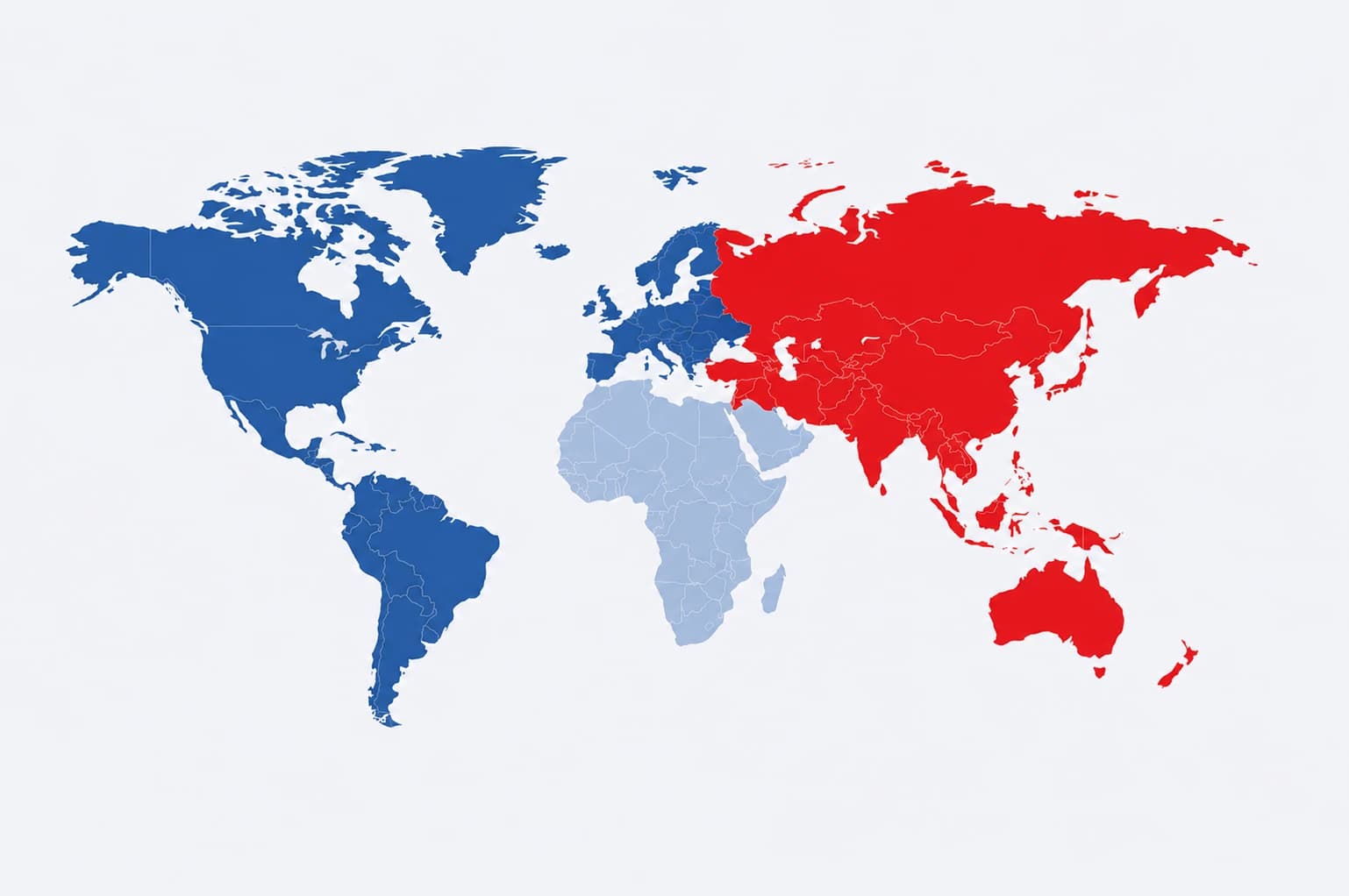
Chapter 5 & 6: Sales, revenue of Medical Articulated Arm in regional level and country level. It provides a quantitative analysis of the market size and development potential of each region and its main countries and introduces the market development, future development prospects, market space, and market size of each country in the world.
Chapter 7: Provides the analysis of various market segments by Type, covering the market size and development potential of each market segment, to help readers find the blue ocean market in different market segments.
Chapter 8: Provides the analysis of various market segments by Application, covering the market size and development potential of each market segment, to help readers find the blue ocean market in different downstream markets.
Chapter 9: Analysis of industrial chain, including the upstream and downstream of the industry.
Chapter 10: The main points and conclusions of the report.
- ★ What Is The Overall Market Size And Projected Growth Rate Across Global And Regional Segments?
- ★ How Does The Market Size And Growth Outlook Vary Across Major Countries?
- ★ Which Region Or Market Sub-Segment Is Anticipated To Dominate Growth During The Forecast Period?
- ★ What Are The Primary Factors Expected To Drive Market Expansion, And What Challenges May Restrain Growth?
- ★ Which Emerging Technologies And Market Trends Are Shaping The Future Landscape?
- ★ What Are The Most Significant Opportunities Available In The Market?
- ★ Who Are The Leading Manufacturers Actively Participating In The Global Market?
- ★ Which Company Currently Holds The Largest Share Of The Market?
- ★ What Are The Potential Growth Avenues For New Entrants In The Global Market?