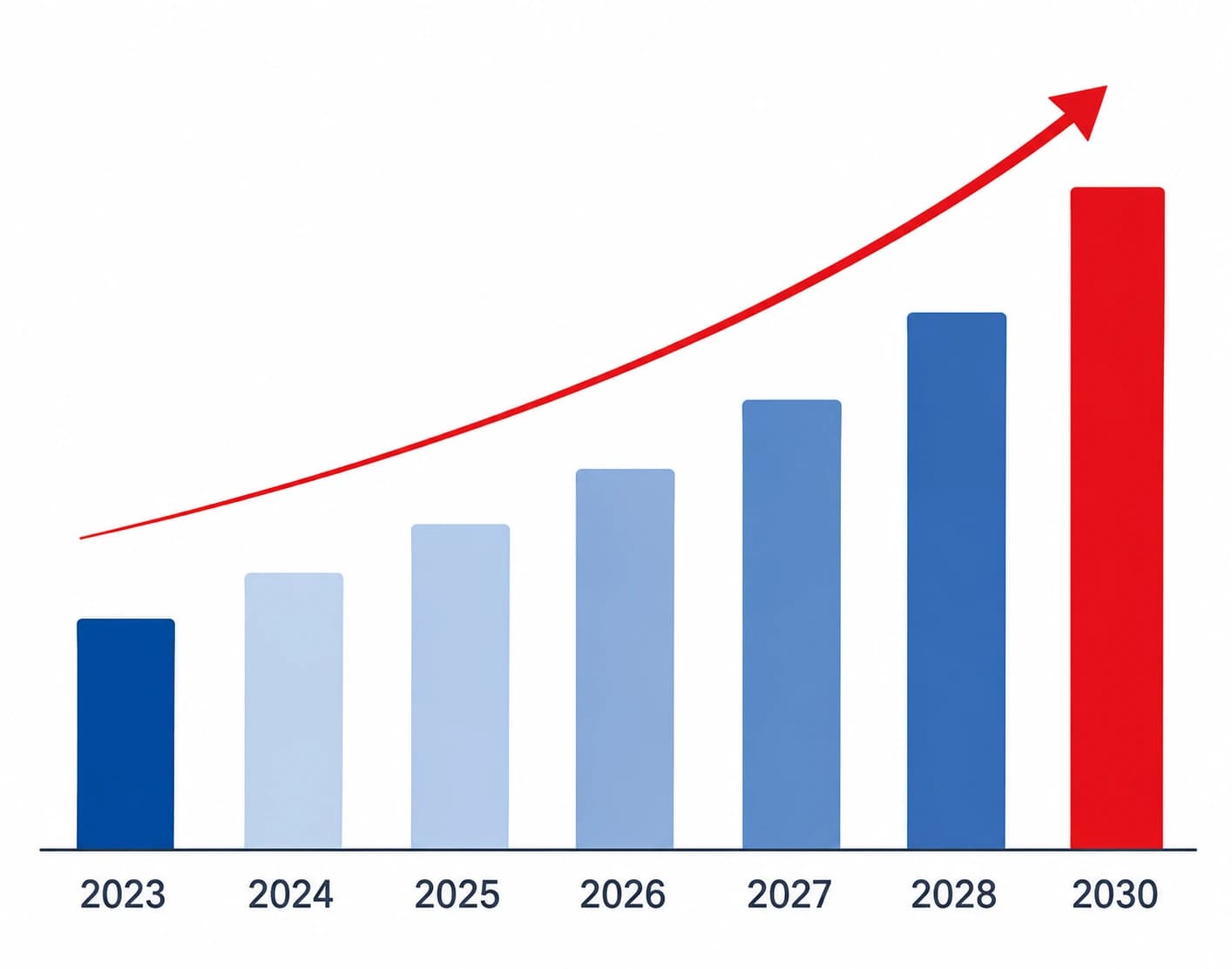
The global Flaking Mill market was valued at US$ 1291 million in 2025 and is anticipated to reach US$ 1892 million by 2032, witnessing a CAGR of 5.7% during the forecast period 2026-2032.
A flaking mill is a type of roller mill used to process grains, oilseeds, and other materials by compressing them between two rolls to produce thin, uniform flakes. These flakes are essential in various industries, including food processing, animal feed production, and biofuel manufacturing.
The flaking mill market encompasses upstream activities such as the supply of raw materials (grains, oilseeds), manufacturing of flaking mill equipment, and development of associated technologies. Midstream activities involve the operation of flaking mills in various industries, including food processing, animal feed production, and biofuel manufacturing. Downstream activities include the distribution and sale of the processed products to consumers and businesses. The market is influenced by factors such as technological advancements, regulatory standards, and consumer demand for processed food and feed products.
Flaking mill production involves the design and manufacturing of specialized roller mills equipped with chilled iron rolls to ensure uniform flake thickness and quality. Advanced features include adjustable roll gaps, variable speed controls, and integrated automation systems for precise operation. The manufacturing process incorporates high-precision engineering to achieve consistent performance and durability. Materials used in construction are selected for their strength and resistance to wear. Technological advancements focus on enhancing energy efficiency, reducing maintenance requirements, and improving throughput. Continuous innovation aims to meet the evolving demands of industries such as food processing, animal feed production, and biofuel manufacturing.
Several initiatives are underway to advance flaking mill technologies. Companies are investing in the development of energy-efficient flaking mills with enhanced automation features to meet the growing demand for processed grains and oilseeds. Research institutions are exploring the integration of artificial intelligence and machine learning algorithms to optimize flaking processes and improve product quality. Additionally, collaborations between equipment manufacturers and end-users aim to design customized flaking solutions tailored to specific industry needs. These projects focus on increasing throughput, ensuring consistent flake quality, and reducing operational costs, thereby supporting the expansion of industries such as food processing and animal feed production.
2024 Global Market Volume: 25,478 units. Average Global Market Price: 48,500 per unit. Market Average Gross Profit Margin: 30%-35%, depending on the complexity and capabilities of the flaking mill systems.
The flaking mill market for oilseeds has witnessed steady growth driven by the rising global demand for vegetable oils and protein-rich byproducts. Flaking mills play a critical role in the initial processing of oilseeds such as soybeans, sunflower seeds, and rapeseed, ensuring optimal oil extraction and feed quality. With the expansion of the food processing, biofuel, and animal feed industries, the demand for high-efficiency, energy-saving flaking mills has increased. Technological advancements, including automated roll gap adjustments, high-capacity rollers, and intelligent monitoring systems, are enhancing throughput and consistency. The market is also influenced by fluctuations in oilseed production and global trade policies.
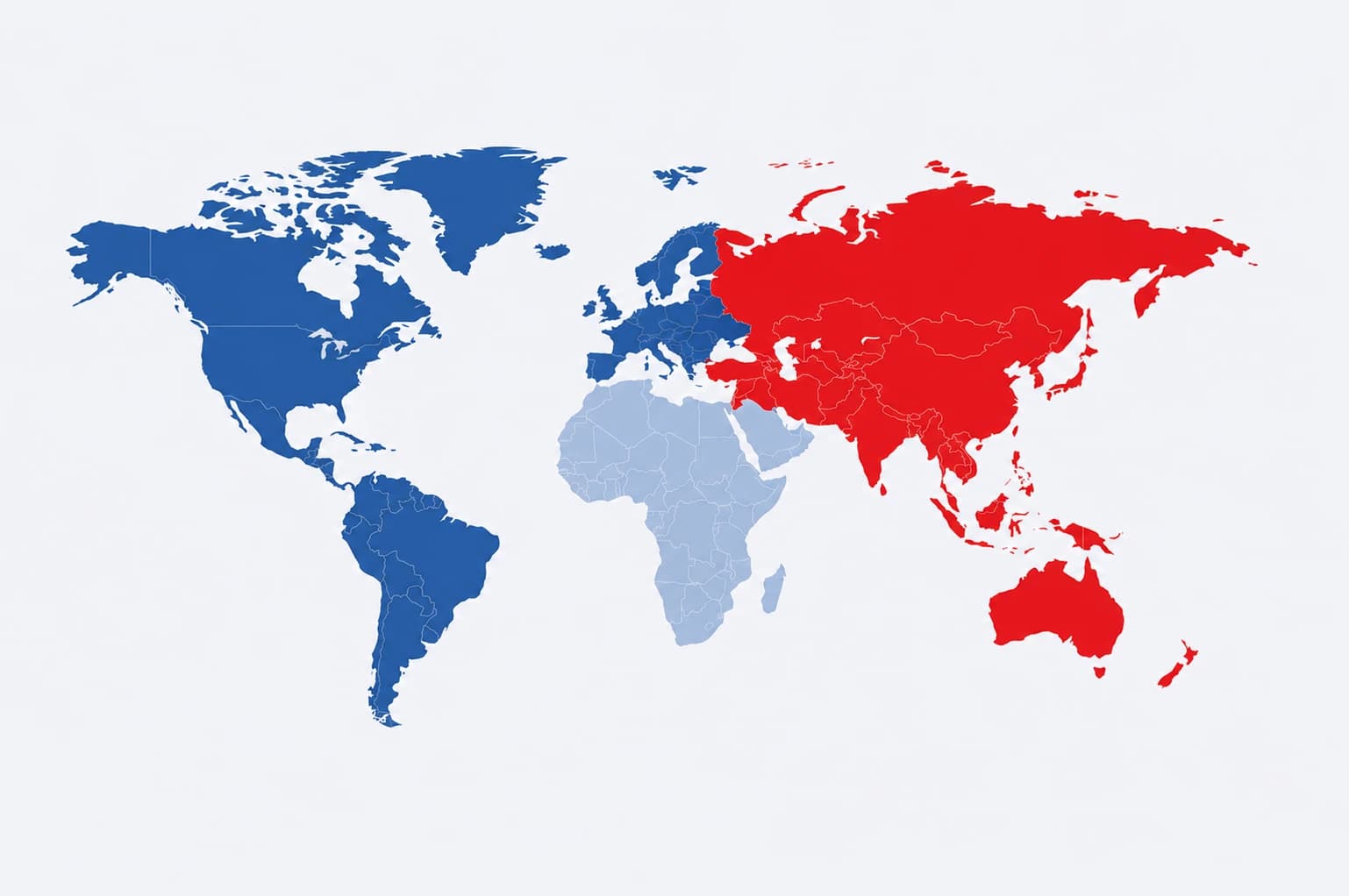
Regionally, Asia-Pacific dominates the market due to large-scale soybean and palm oil production in countries like China, India, and Indonesia, coupled with expanding animal feed industries. North America remains a key market, supported by advanced milling technologies and strong agricultural infrastructure. Europe shows steady growth, particularly in countries with high biofuel adoption such as Germany and France, and increasing emphasis on sustainability. Latin America, especially Brazil and Argentina, benefits from abundant oilseed cultivation, driving local demand for milling equipment. Middle East & Africa are emerging markets where industrial-scale oilseed processing is growing, albeit at a slower pace, supported by investments in food security and processing facilities.
Current trends in the oilseed flaking mill market include the adoption of high-capacity, multi-roll flaking systems capable of handling diverse seed types with uniform output. Energy efficiency and sustainability are increasingly prioritized, with mills integrating renewable energy sources and waste-heat recovery systems. Smart sensors and automated monitoring systems allow real-time quality control, reducing material loss and enhancing oil recovery. There is also a growing trend toward modular and compact designs that facilitate easier installation and maintenance. Additionally, integration with downstream extraction and pressing equipment is becoming a standard to optimize the overall production process.
This report aims to provide a comprehensive presentation of the global market for Flaking Mill, with both quantitative and qualitative analysis, to help readers develop business/growth strategies, assess the market competitive situation, analyze their position in the current marketplace, and make informed business decisions regarding Flaking Mill.
The Flaking Mill market size, estimations, and forecasts are provided in terms of sales quantity (K Units) and revenue ($ millions), considering 2025 as the base year, with history and forecast data for the period from 2021 to 2032. This report segments the global Flaking Mill market comprehensively. Regional market sizes, concerning products by Type, by Application, and by players, are also provided.
For a more in-depth understanding of the market, the report provides profiles of the competitive landscape, key competitors, and their respective market ranks. The report also discusses technological trends and new product developments.
The report will help the Flaking Mill manufacturers, new entrants, and industry chain related companies in this market with information on the revenues, sales, and average price for the overall market and the sub-segments across the different segments, by company, by Type, by Application, and by regions.
Chapter 1: Introduces the report scope of the report, executive summary of different market segments (by region, product type, application, etc), including the market size of each market segment, future development potential, and so on. It offers a high-level view of the current state of the market and its likely evolution in the short to mid-term, and long term.
Chapter 2: key insights, key emerging trends, etc.
Chapter 3: Manufacturers competitive analysis, detailed analysis of Flaking Mill manufacturers competitive landscape, price, sales and revenue market share, latest development plan, merger, and acquisition information, etc.
Chapter 4: Provides profiles of key players, introducing the basic situation of the main companies in the market in detail, including product sales, revenue, price, gross margin, product introduction, recent development, etc.
Chapter 5 & 6: Sales, revenue of Flaking Mill in regional level and country level. It provides a quantitative analysis of the market size and development potential of each region and its main countries and introduces the market development, future development prospects, market space, and market size of each country in the world.
Chapter 7: Provides the analysis of various market segments by Type, covering the market size and development potential of each market segment, to help readers find the blue ocean market in different market segments.
Chapter 8: Provides the analysis of various market segments by Application, covering the market size and development potential of each market segment, to help readers find the blue ocean market in different downstream markets.
Chapter 9: Analysis of industrial chain, including the upstream and downstream of the industry.
Chapter 10: The main points and conclusions of the report.
- ★ What Is The Overall Market Size And Projected Growth Rate Across Global And Regional Segments?
- ★ How Does The Market Size And Growth Outlook Vary Across Major Countries?
- ★ Which Region Or Market Sub-Segment Is Anticipated To Dominate Growth During The Forecast Period?
- ★ What Are The Primary Factors Expected To Drive Market Expansion, And What Challenges May Restrain Growth?
- ★ Which Emerging Technologies And Market Trends Are Shaping The Future Landscape?
- ★ What Are The Most Significant Opportunities Available In The Market?
- ★ Who Are The Leading Manufacturers Actively Participating In The Global Market?
- ★ Which Company Currently Holds The Largest Share Of The Market?
- ★ What Are The Potential Growth Avenues For New Entrants In The Global Market?