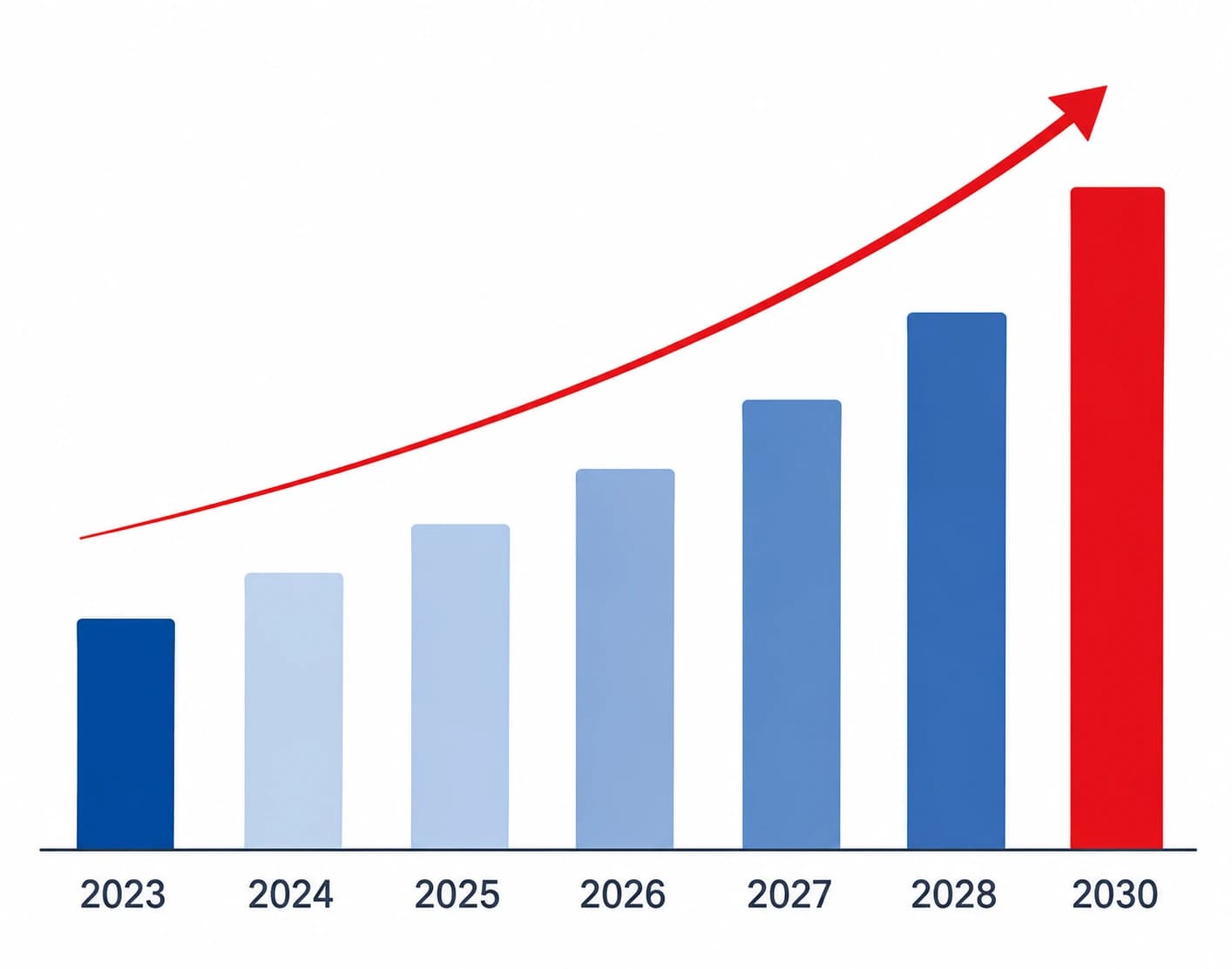
The global XR Virtual Production Camera Tracking System market was valued at US$ 130 million in 2024 and is anticipated to reach US$ 227 million by 2031, witnessing a CAGR of 8.5% during the forecast period 2025-2031.
XR virtual production camera tracking system is a technology that enables real-time tracking and synchronization of virtual and physical elements in extended reality (XR) environments, such as virtual reality (VR) and augmented reality (AR). This system utilizes advanced camera tracking techniques to seamlessly integrate computer-generated imagery (CGI) with live-action footage, allowing for immersive and interactive experiences in film, television, gaming, and other media productions. The XR Virtual Production Camera Tracking system enhances the creative possibilities for content creators by providing a more efficient and flexible production process that blurs the line between the real and virtual worlds.
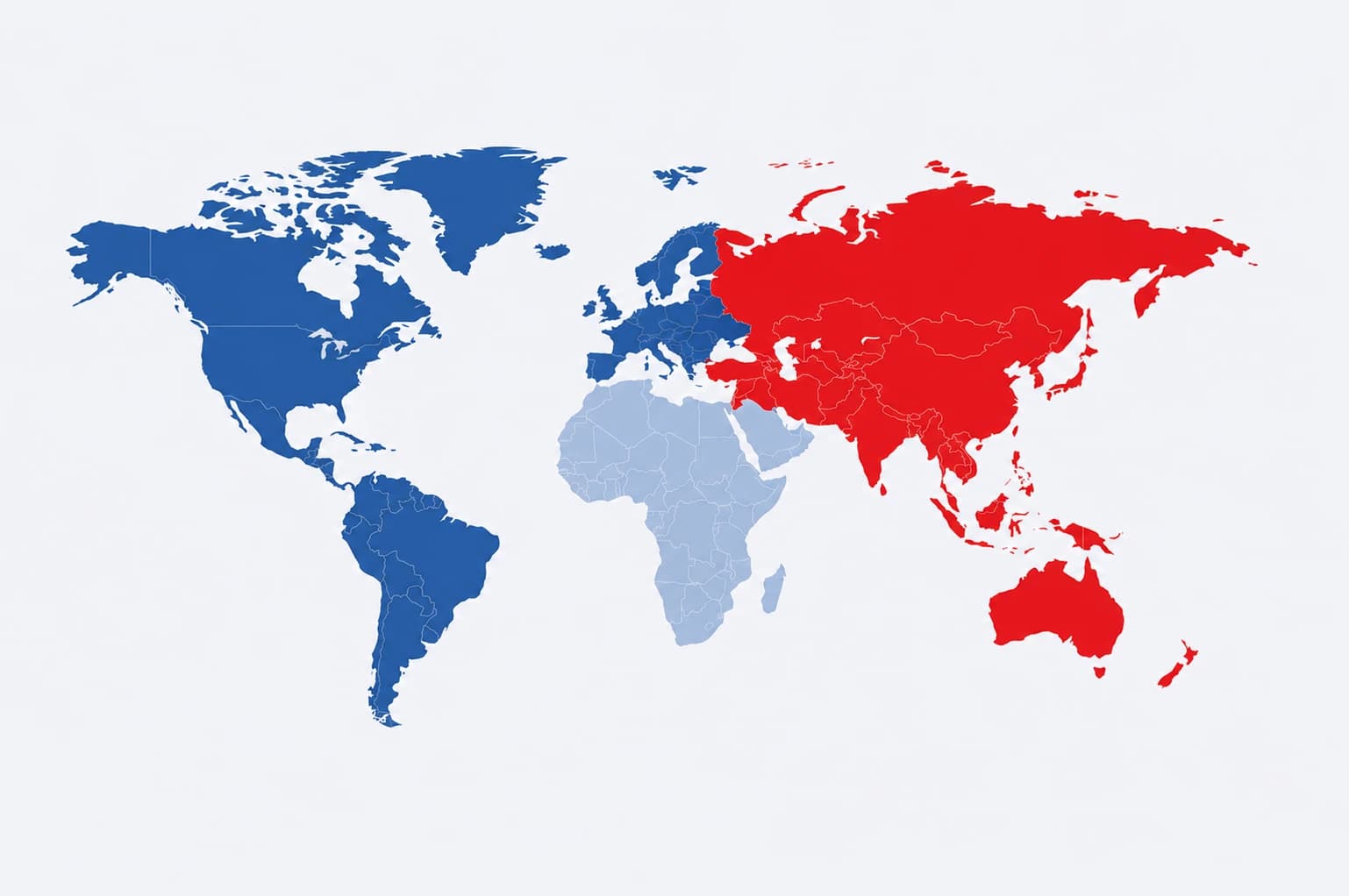
The global XR virtual production camera tracking system market shows significant regional differentiation. North America will lead with $49.14 million in 2024, mainly due to the mature virtual production ecosystem in Hollywood and the high concentration of high-end film and television projects; Europe will follow closely with $41.86 million, and its growth momentum comes from the increase in cross-border co-productions and the EU's support policies for the digital creative industry. Although the Chinese market is currently small in scale, it has become the most promising region with an expected compound growth rate of 9.19% (significantly higher than the 7% level in Europe and the United States). This is closely related to the "digital cultural and creative" strategy promoted by the Chinese government, the content competition of streaming platforms, and the accelerated standardization of local virtual shooting technology.
The outside-in photography camera system occupies an absolute dominant position with a market share of 57.91%. Its technical advantage lies in achieving sub-millimeter tracking accuracy through external base stations, which perfectly adapts to the strict requirements of stability and details for movie-level virtual production. Alternative solutions such as inside-out are gradually penetrating in scenes with higher real-time requirements such as live broadcasts and variety shows, but they are limited by computing power bottlenecks and environmental adaptability, and it is difficult to shake the mainstream technology pattern in the short term. It is worth noting that hybrid tracking systems frequently appear in manufacturers' roadmaps in 2024, and may become a key direction for future technological evolution.
The film and television production field forms a core application scenario with US$49.91 million (accounting for about 38% of the overall market), which directly reflects the industry trend of the film and television industry's transformation from traditional green screen to LED virtual production. Specifically, drama production (especially science fiction/fantasy themes) contributes the largest demand increase, while advertising shooting has become the segment with the highest growth rate due to the improvement of creative monetization efficiency brought by XR technology. In contrast, applications such as live events and game development are still in the commercial verification stage, but with the fermentation of the metaverse concept, it is expected that new growth poles will be formed after 2025.
The industry presents a highly concentrated competitive situation. TOP5 companies such as TrackMen (Pixotope) and Stype control about 60% of the market share in 2025. Their core competitiveness lies in: 1) Deep binding with mainstream engines such as Unreal Engine; 2) Optimization algorithms for film and television project databases accumulated over many years. The second-tier manufacturers are building differentiated advantages through breakthroughs in vertical fields (such as Luster focusing on sports live tracking).
This report aims to provide a comprehensive presentation of the global market for XR Virtual Production Camera Tracking System, with both quantitative and qualitative analysis, to help readers develop business/growth strategies, assess the market competitive situation, analyze their position in the current marketplace, and make informed business decisions regarding XR Virtual Production Camera Tracking System.
The XR Virtual Production Camera Tracking System market size, estimations, and forecasts are provided in terms of sales quantity (Units) and revenue ($ millions), considering 2024 as the base year, with history and forecast data for the period from 2020 to 2031. This report segments the global XR Virtual Production Camera Tracking System market comprehensively. Regional market sizes, concerning products by Type, by Application, and by players, are also provided.
For a more in-depth understanding of the market, the report provides profiles of the competitive landscape, key competitors, and their respective market ranks. The report also discusses technological trends and new product developments.
The report will help the XR Virtual Production Camera Tracking System manufacturers, new entrants, and industry chain related companies in this market with information on the revenues, sales, and average price for the overall market and the sub-segments across the different segments, by company, by Type, by Application, and by regions.
Chapter 1: Introduces the report scope of the report, executive summary of different market segments (by region, product type, application, etc), including the market size of each market segment, future development potential, and so on. It offers a high-level view of the current state of the market and its likely evolution in the short to mid-term, and long term.
Chapter 2: key insights, key emerging trends, etc.
Chapter 3: Manufacturers competitive analysis, detailed analysis of XR Virtual Production Camera Tracking System manufacturers competitive landscape, price, sales and revenue market share, latest development plan, merger, and acquisition information, etc.
Chapter 4: Provides profiles of key players, introducing the basic situation of the main companies in the market in detail, including product sales, revenue, price, gross margin, product introduction, recent development, etc.
Chapter 5 & 6: Sales, revenue of XR Virtual Production Camera Tracking System in regional level and country level. It provides a quantitative analysis of the market size and development potential of each region and its main countries and introduces the market development, future development prospects, market space, and market size of each country in the world.
Chapter 7: Provides the analysis of various market segments by Type, covering the market size and development potential of each market segment, to help readers find the blue ocean market in different market segments.
Chapter 8: Provides the analysis of various market segments by Application, covering the market size and development potential of each market segment, to help readers find the blue ocean market in different downstream markets.
Chapter 9: Analysis of industrial chain, including the upstream and downstream of the industry.
Chapter 10: The main points and conclusions of the report.
- ★ What Is The Overall Market Size And Projected Growth Rate Across Global And Regional Segments?
- ★ How Does The Market Size And Growth Outlook Vary Across Major Countries?
- ★ Which Region Or Market Sub-Segment Is Anticipated To Dominate Growth During The Forecast Period?
- ★ What Are The Primary Factors Expected To Drive Market Expansion, And What Challenges May Restrain Growth?
- ★ Which Emerging Technologies And Market Trends Are Shaping The Future Landscape?
- ★ What Are The Most Significant Opportunities Available In The Market?
- ★ Who Are The Leading Manufacturers Actively Participating In The Global Market?
- ★ Which Company Currently Holds The Largest Share Of The Market?
- ★ What Are The Potential Growth Avenues For New Entrants In The Global Market?