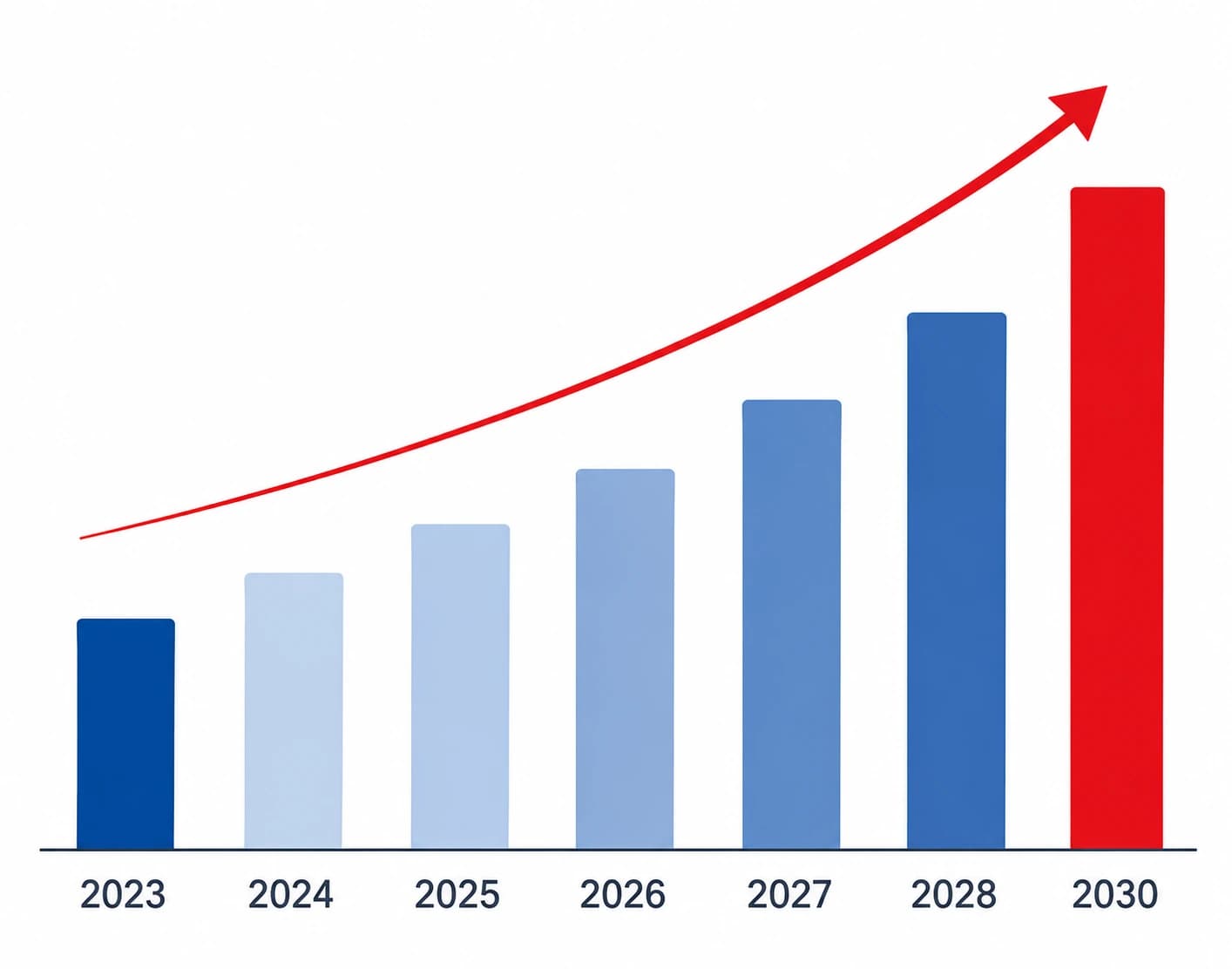
The global Autonomic Nervous System Healthcare Product market was valued at US$ 131160 million in 2025 and is anticipated to reach US$ 210590 million by 2032, witnessing a CAGR of 7.1% during the forecast period 2026-2032.
Autonomic Nervous System Healthcare Product: Autonomic Nervous System (ANS) Healthcare Products refer to functional foods, dietary supplements, and digital health devices designed to support, regulate, or restore the balance of the autonomic nervous system — which controls involuntary physiological functions such as heart rate, blood pressure, digestion, respiratory rate, and sleep-wake cycles. These products aim to improve homeostasis, reduce autonomic imbalance caused by stress, aging, or hormonal changes, and enhance overall physical and mental well-being. They can act through nutritional, physiological, or biofeedback mechanisms.
Across the Autonomic Nervous System Healthcare Product industry chain, upstream involves producers of botanical extracts, probiotic strains, vitamins, amino acids, and functional food ingredients; sensor, chipset, and wearable hardware OEMs; and software platforms and cloud infrastructure providers, while midstream companies formulate functional foods, beverages, and supplements; design and assemble wearable devices; develop algorithms, apps, and digital therapeutic content; and handle clinical validation, branding, packaging, and regulatory submissions, and downstream distribution includes pharmacies, supermarkets, e-commerce, app stores, specialty health retailers, corporate wellness programs, and healthcare providers who recommend or integrate these products into lifestyle interventions and personalized care plans.
Globally, numerous projects under construction and planned in the ANS healthcare space include new fermentation and formulation lines for probiotic and botanical-based functional foods and supplements; expanded production of HRV-capable wearables with improved battery life and sensors; investments by major food, supplement, and tech companies into integrated “food + supplement + device + app” ecosystems; and a growing pipeline of digital therapeutics and app-based programs undergoing clinical trials and regulatory review for insomnia, stress, menopausal symptoms, and functional GI conditions, with these initiatives focusing heavily on evidence generation, personalization, and reimbursement or employer-wellness integration.
2024 Global Market Average Gross Profit Margin: 45%.
The Autonomic Nervous System (ANS) Healthcare Product market has rapidly expanded from niche wellness categories into a broad, multi-sector ecosystem covering functional foods, dietary supplements, digital health devices, and integrated programs for stress, sleep, digestion, menopausal comfort, and autonomic balance.
Growth is fueled by rising global awareness of stress-related disorders, increased diagnostic recognition of dysautonomia-related conditions, and the mainstreaming of gut–brain and vagus-nerve science in consumer health communication. Consumers increasingly seek non-pharmaceutical solutions, pushing companies to develop products that combine natural ingredients, physiological data insights, and personalized recommendations. The market also benefits from demographic shifts, particularly aging populations and large cohorts of middle-aged consumers experiencing menopausal symptoms, chronic fatigue, or sleep disturbances. Digital health adoption accelerates the category because wearables and apps can monitor HRV, sleep stages, and stress levels in real time, making autonomic health more measurable and actionable. Regulatory frameworks remain fragmented, allowing rapid innovation but also creating uneven product quality across regions.
A major trend is the convergence of nutrition, neuromodulation, and digital behavior-change programs into single integrated ANS solutions. HRV monitoring has become a cornerstone metric, driving demand for wearables and apps capable of tracking autonomic balance in real time. User expectations are shifting toward personalized guidance based on sleep patterns, stress triggers, gut symptoms, and cycle-related fluctuations. Ingredients like ashwagandha, magnesium, GABA, L-theanine, probiotics, prebiotics, phytoestrogens, and postbiotics are trending due to growing research linking them to autonomic pathways. AI-driven sleep coaching and stress prediction models are gaining traction. Companies are creating “holistic packs” that bundle supplements with digital programs and tracking devices. Gut–brain axis products are increasingly developed using multi-strain symbiotics tailored for stress, sleep, and digestive comfort. Menopause-focused solutions are expanding with ingredients and digital tools targeting vasomotor symptoms and autonomic dysregulation. Sustainability trends also influence packaging, ingredient sourcing, and carbon-smart logistics. Another trend is the professionalization of the category—brands increasingly run clinical studies, invest in biomarkers, and partner with medical institutions. Consumers show growing demand for transparent labels, clean formulations, and objective proof of effect. The blending of wellness, clinical science, and consumer technology is reshaping the entire ANS healthcare landscape.
This report aims to provide a comprehensive presentation of the global market for Autonomic Nervous System Healthcare Product, with both quantitative and qualitative analysis, to help readers develop business/growth strategies, assess the market competitive situation, analyze their position in the current marketplace, and make informed business decisions regarding Autonomic Nervous System Healthcare Product.
The Autonomic Nervous System Healthcare Product market size, estimations, and forecasts are provided in terms of revenue ($ millions), considering 2025 as the base year, with history and forecast data for the period from 2021 to 2032. This report segments the global Autonomic Nervous System Healthcare Product market comprehensively. Regional market sizes, concerning products by Type, by Application, and by players, are also provided.
For a more in-depth understanding of the market, the report provides profiles of the competitive landscape, key competitors, and their respective market ranks. The report also discusses technological trends and new product developments.
The report will help the Autonomic Nervous System Healthcare Product manufacturers, new entrants, and industry chain related companies in this market with information on the revenues for the overall market and the sub-segments across the different segments, by company, by Type, by Application, and by regions.
Chapter 1: Introduces the report scope of the report, executive summary of different market segments (by region, product type, application, etc), including the market size of each market segment, future development potential, and so on. It offers a high-level view of the current state of the market and its likely evolution in the short to mid-term, and long term.
Chapter 2: key insights, key emerging trends, etc.
Chapter 3: Manufacturers competitive analysis, detailed analysis of Autonomic Nervous System Healthcare Product manufacturers competitive landscape, revenue market share, latest development plan, merger, and acquisition information, etc.
Chapter 4: Provides profiles of key players, introducing the basic situation of the main companies in the market in detail, including product revenue, gross margin, product introduction, recent development, etc.
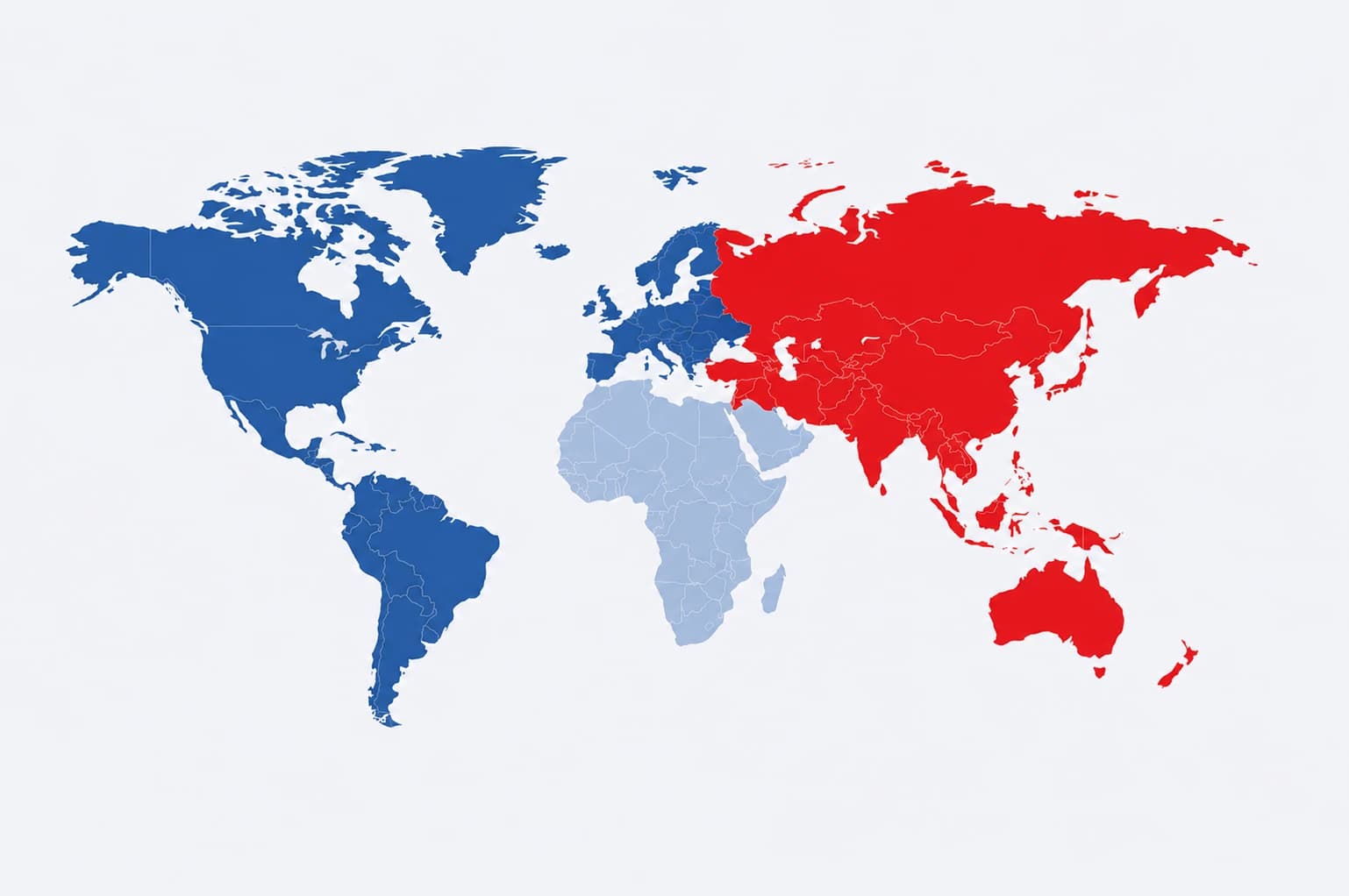
Chapter 5 & 6: Revenue of Autonomic Nervous System Healthcare Product in regional level and country level. It provides a quantitative analysis of the market size and development potential of each region and its main countries and introduces the market development, future development prospects, market space, and market size of each country in the world.
Chapter 7: Provides the analysis of various market segments by Type, covering the market size and development potential of each market segment, to help readers find the blue ocean market in different market segments.
Chapter 8: Provides the analysis of various market segments by Application, covering the market size and development potential of each market segment, to help readers find the blue ocean market in different downstream markets.
Chapter 9: Analysis of industrial chain, including the upstream and downstream of the industry.
Chapter 10: The main points and conclusions of the report.
- ★ What Is The Overall Market Size And Projected Growth Rate Across Global And Regional Segments?
- ★ How Does The Market Size And Growth Outlook Vary Across Major Countries?
- ★ Which Region Or Market Sub-Segment Is Anticipated To Dominate Growth During The Forecast Period?
- ★ What Are The Primary Factors Expected To Drive Market Expansion, And What Challenges May Restrain Growth?
- ★ Which Emerging Technologies And Market Trends Are Shaping The Future Landscape?
- ★ What Are The Most Significant Opportunities Available In The Market?
- ★ Who Are The Leading Manufacturers Actively Participating In The Global Market?
- ★ Which Company Currently Holds The Largest Share Of The Market?
- ★ What Are The Potential Growth Avenues For New Entrants In The Global Market?