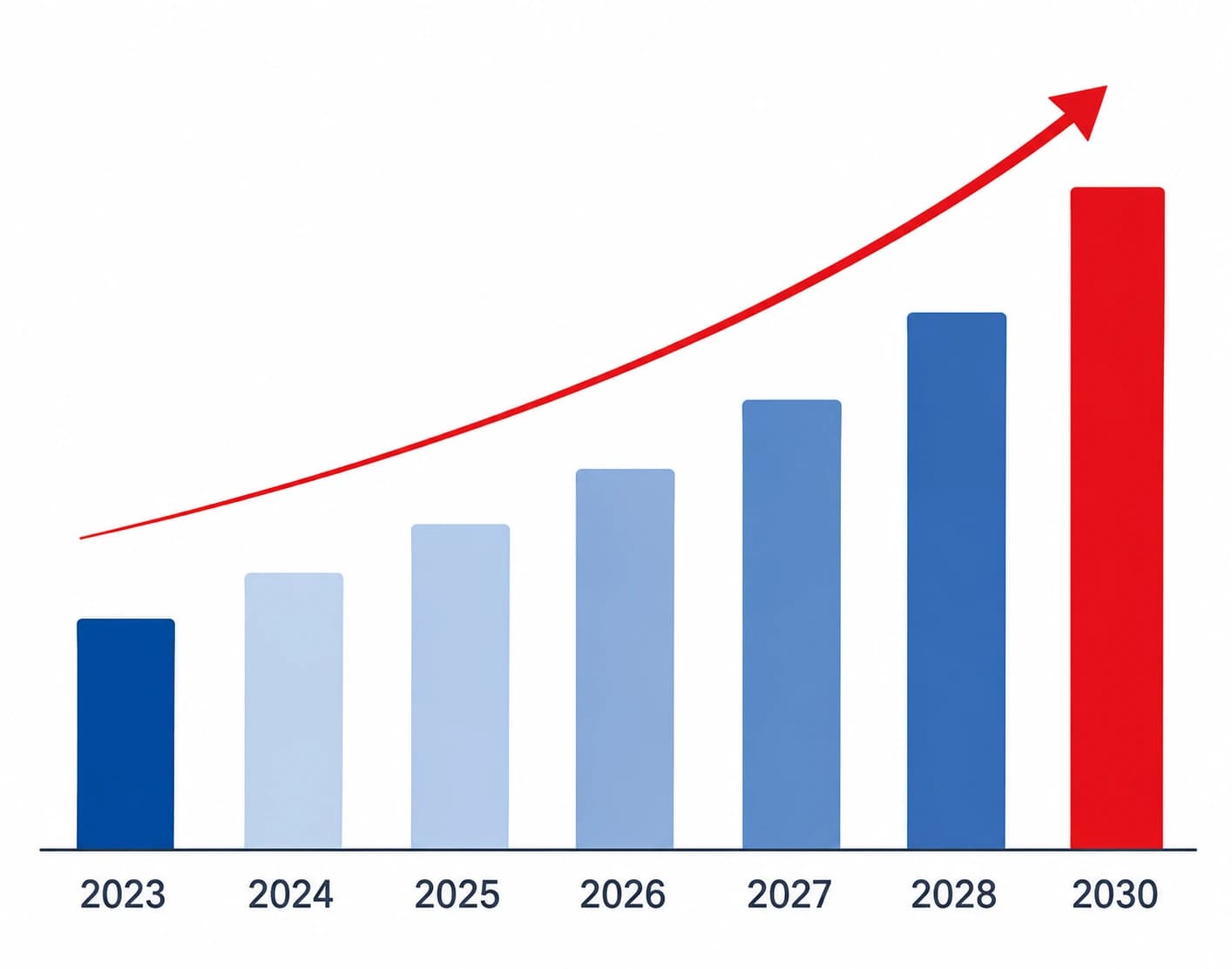
The global Crane Wire Rope market was valued at US$ 3223 million in 2024 and is anticipated to reach US$ 3869 million by 2031, witnessing a CAGR of 3.0% during the forecast period 2025-2031.
Cranes Wire Ropes is a flexible rigging made of multiple strands of high-strength steel wire twisted in a certain way. It is widely used in lifting machinery, hoisting equipment, mining, marine engineering and other fields. It has high tensile strength, wear resistance and fatigue resistance, can withstand heavy loads and adapt to complex working environments. According to different structures, wire ropes can be divided into alternating lay and unidirectional lay, and different types are suitable for different lifting needs. In addition, the surface of the wire rope is usually galvanized, plastic coated or lubricated to enhance corrosion resistance and extend service life. In actual applications, it is necessary to select the appropriate type of wire rope according to the workload, use environment and safety requirements, and regularly inspect and maintain it to ensure the safety and reliability of the lifting operation.
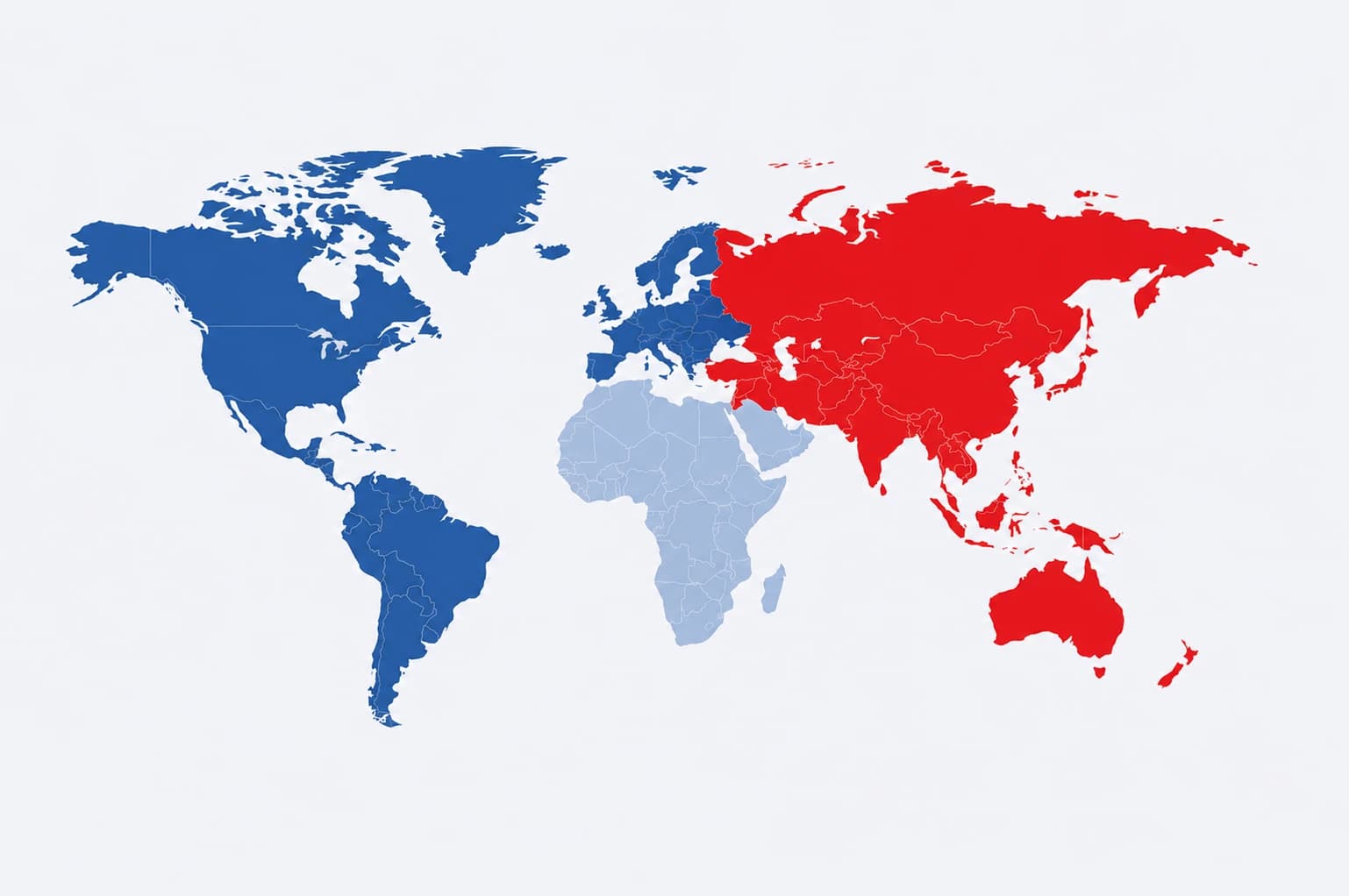
In recent years, the global Wire Ropes for Cranes market has shown a steady growth trend. The growth momentum mainly comes from the infrastructure boom in the Asia-Pacific region and the renovation and renewal of urban elevators in Europe and the United States. China's "Belt and Road" project and India's urban rail transit construction have driven a surge in demand. The European and American markets have benefited from the renovation and upgrading of old infrastructure.
With the acceleration of urbanization and the continuous emergence of large-scale projects such as high-rise buildings and integrated transportation hubs, especially the continuous improvement of elevator safety and comfort requirements, wire rope products have been upgraded to high strength, low friction, fatigue resistance, corrosion resistance, etc.; at the same time, the application of automation and intelligent technology has promoted the overall technical level of lifting machinery and elevator equipment, further broadening the market demand for high-performance wire ropes. In addition, the continuous advancement of new infrastructure and old city renovation projects will also drive the widespread application of wire ropes for lifting and elevators in engineering machinery, logistics warehousing and high-end residential fields.
At the same time, the growth of the wire rope market also faces some constraints: First, synthetic fiber ropes have formed substitutions in specific fields. Secondly, international trade frictions have intensified, and the EU's anti-dumping duties on Chinese wire ropes have affected the export pattern. Stricter environmental regulations also push up costs. The European REACH regulations have increased corporate environmental protection investment by 20%. Future competition will focus on differentiated innovation. Companies need to build full industry chain capabilities from material research and development to terminal services, while paying attention to the infrastructure construction cycle in emerging markets such as Southeast Asia and the Middle East to seize the next round of growth opportunities.
This report aims to provide a comprehensive presentation of the global market for Crane Wire Rope, with both quantitative and qualitative analysis, to help readers develop business/growth strategies, assess the market competitive situation, analyze their position in the current marketplace, and make informed business decisions regarding Crane Wire Rope.
The Crane Wire Rope market size, estimations, and forecasts are provided in terms of sales quantity (Kilotons) and revenue ($ millions), considering 2024 as the base year, with history and forecast data for the period from 2020 to 2031. This report segments the global Crane Wire Rope market comprehensively. Regional market sizes, concerning products by Type, by Application, and by players, are also provided.
For a more in-depth understanding of the market, the report provides profiles of the competitive landscape, key competitors, and their respective market ranks. The report also discusses technological trends and new product developments.
The report will help the Crane Wire Rope manufacturers, new entrants, and industry chain related companies in this market with information on the revenues, sales, and average price for the overall market and the sub-segments across the different segments, by company, by Type, by Application, and by regions.
Chapter 1: Introduces the report scope of the report, executive summary of different market segments (by region, product type, application, etc), including the market size of each market segment, future development potential, and so on. It offers a high-level view of the current state of the market and its likely evolution in the short to mid-term, and long term.
Chapter 2: key insights, key emerging trends, etc.
Chapter 3: Manufacturers competitive analysis, detailed analysis of Crane Wire Rope manufacturers competitive landscape, price, sales and revenue market share, latest development plan, merger, and acquisition information, etc.
Chapter 4: Provides profiles of key players, introducing the basic situation of the main companies in the market in detail, including product sales, revenue, price, gross margin, product introduction, recent development, etc.
Chapter 5 & 6: Sales, revenue of Crane Wire Rope in regional level and country level. It provides a quantitative analysis of the market size and development potential of each region and its main countries and introduces the market development, future development prospects, market space, and market size of each country in the world.
Chapter 7: Provides the analysis of various market segments by Type, covering the market size and development potential of each market segment, to help readers find the blue ocean market in different market segments.
Chapter 8: Provides the analysis of various market segments by Application, covering the market size and development potential of each market segment, to help readers find the blue ocean market in different downstream markets.
Chapter 9: Analysis of industrial chain, including the upstream and downstream of the industry.
Chapter 10: The main points and conclusions of the report.
- ★ What Is The Overall Market Size And Projected Growth Rate Across Global And Regional Segments?
- ★ How Does The Market Size And Growth Outlook Vary Across Major Countries?
- ★ Which Region Or Market Sub-Segment Is Anticipated To Dominate Growth During The Forecast Period?
- ★ What Are The Primary Factors Expected To Drive Market Expansion, And What Challenges May Restrain Growth?
- ★ Which Emerging Technologies And Market Trends Are Shaping The Future Landscape?
- ★ What Are The Most Significant Opportunities Available In The Market?
- ★ Who Are The Leading Manufacturers Actively Participating In The Global Market?
- ★ Which Company Currently Holds The Largest Share Of The Market?
- ★ What Are The Potential Growth Avenues For New Entrants In The Global Market?