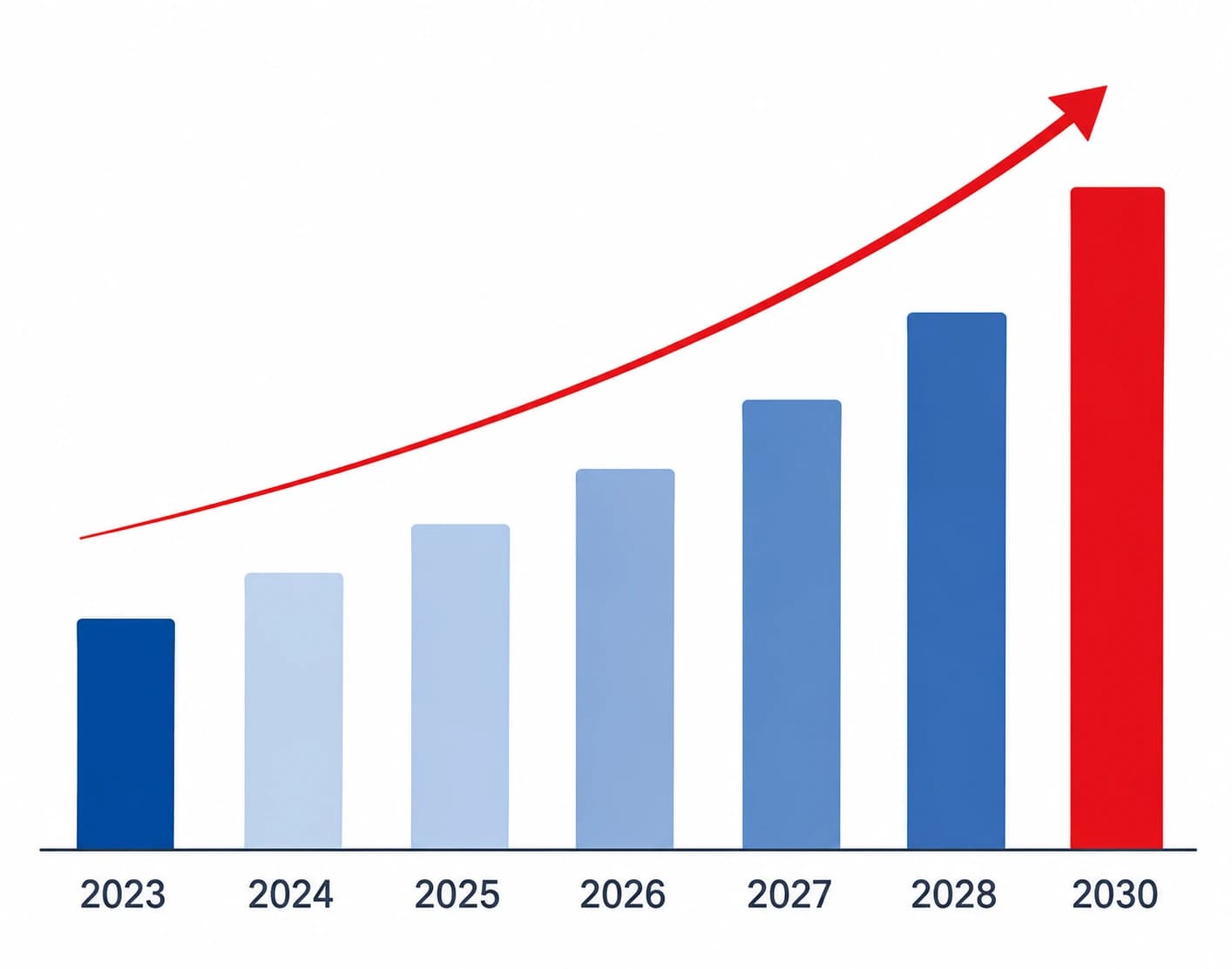
The global Magnesium Chloride market was valued at US$ 253 million in 2024 and is anticipated to reach US$ 366 million by 2031, witnessing a CAGR of 5.1% during the forecast period 2025-2031.
Magnesium chloride (MgCl₂) is an inorganic compound widely used across various industries due to its versatility, cost-effectiveness, and environmental benefits. Composed of magnesium and chlorine, magnesium chloride occurs naturally in minerals such as carnallite and bischofite and is also extracted from seawater and brine. Available in various forms, including flakes, granules, and liquid solutions, it is highly soluble in water and exhibits hygroscopic properties, making it useful for a range of applications.
Magnesium chloride has diverse industrial, agricultural, and consumer applications, including its use as a de-icing agent, dust suppressant, raw material for magnesium metal production, food additive, and ingredient in pharmaceuticals. The market for magnesium chloride is expanding, driven by its wide applicability, increasing environmental awareness, and the global demand for sustainable products.
The emphasis on sustainability is expected to drive innovations in magnesium chloride production, such as the use of renewable energy and recycling processes. These initiatives will enhance the compound’s appeal in environmentally conscious markets.
Advancements in processing technologies are improving the quality and efficiency of magnesium chloride production. Innovations in application methods, such as advanced spraying techniques for dust control, are also enhancing its usability.
The growing demand for lightweight and durable materials in industries like automotive and aerospace will boost the magnesium chloride market, particularly in its role in magnesium metal production.
Magnesium chloride is finding new applications in bio-based industries, such as biodegradable plastics and eco-friendly coatings, driven by the push for greener alternatives.
The expansion of magnesium chloride applications in emerging economies will diversify the market geographically, creating new opportunities for manufacturers and distributors.
The magnesium chloride market is a dynamic and versatile segment with applications spanning de-icing, dust control, agriculture, construction, and more. Its growth is driven by the demand for sustainable and efficient solutions across industries, along with advancements in technology and increasing awareness of environmental concerns.
While challenges such as raw material supply fluctuations and competition from alternatives persist, the market’s potential remains robust. As industries continue to prioritize sustainability and efficiency, magnesium chloride is poised to play a crucial role in meeting global needs for eco-friendly and multifunctional solutions.
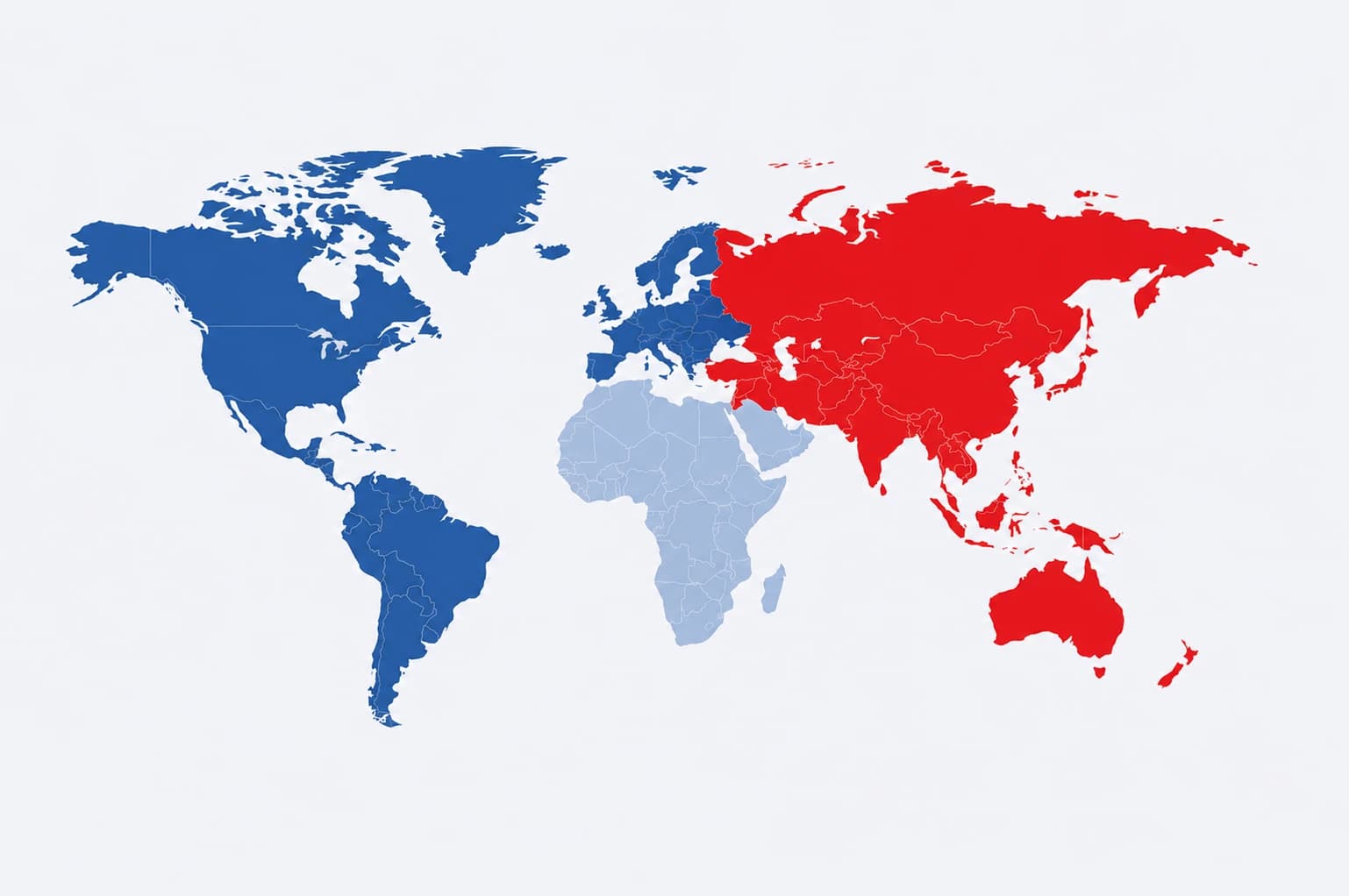
The Magnesium Chloride industry has a low concentration. The consumption shares of North America, Europe and Asia-Pacific were 23%, 18% and 55%. In application, magnesium chloride downstream are Metallurgy, Chemical Industry, Deicing and Dust Control, Food Industry, Building Materials and others. The magnesium chloride market is mainly driven by growing demand for Deicing and Dust Control Industry which accounts for nearly 32% of total downstream consumption of magnesium chloride in 2023. The de-icing segment is a significant driver of the magnesium chloride market. During winter months, magnesium chloride is used to melt ice and snow on roads, making them safer for transportation.
Compass Minerals, Nedmag and Chaoyang Jinda Titanium are the top 3 players of Magnesium Chloride, with about 32% market shares.
This report aims to provide a comprehensive presentation of the global market for Magnesium Chloride, with both quantitative and qualitative analysis, to help readers develop business/growth strategies, assess the market competitive situation, analyze their position in the current marketplace, and make informed business decisions regarding Magnesium Chloride.
The Magnesium Chloride market size, estimations, and forecasts are provided in terms of sales quantity (K MT) and revenue ($ millions), considering 2024 as the base year, with history and forecast data for the period from 2020 to 2031. This report segments the global Magnesium Chloride market comprehensively. Regional market sizes, concerning products by Type, by Application, and by players, are also provided.
For a more in-depth understanding of the market, the report provides profiles of the competitive landscape, key competitors, and their respective market ranks. The report also discusses technological trends and new product developments.
The report will help the Magnesium Chloride manufacturers, new entrants, and industry chain related companies in this market with information on the revenues, sales, and average price for the overall market and the sub-segments across the different segments, by company, by Type, by Application, and by regions.
Chapter 1: Introduces the report scope of the report, executive summary of different market segments (by region, product type, application, etc), including the market size of each market segment, future development potential, and so on. It offers a high-level view of the current state of the market and its likely evolution in the short to mid-term, and long term.
Chapter 2: key insights, key emerging trends, etc.
Chapter 3: Manufacturers competitive analysis, detailed analysis of Magnesium Chloride manufacturers competitive landscape, price, sales and revenue market share, latest development plan, merger, and acquisition information, etc.
Chapter 4: Provides profiles of key players, introducing the basic situation of the main companies in the market in detail, including product sales, revenue, price, gross margin, product introduction, recent development, etc.
Chapter 5 & 6: Sales, revenue of Magnesium Chloride in regional level and country level. It provides a quantitative analysis of the market size and development potential of each region and its main countries and introduces the market development, future development prospects, market space, and market size of each country in the world.
Chapter 7: Provides the analysis of various market segments by Type, covering the market size and development potential of each market segment, to help readers find the blue ocean market in different market segments.
Chapter 8: Provides the analysis of various market segments by Application, covering the market size and development potential of each market segment, to help readers find the blue ocean market in different downstream markets.
Chapter 9: Analysis of industrial chain, including the upstream and downstream of the industry.
Chapter 10: The main points and conclusions of the report.
- ★ What Is The Overall Market Size And Projected Growth Rate Across Global And Regional Segments?
- ★ How Does The Market Size And Growth Outlook Vary Across Major Countries?
- ★ Which Region Or Market Sub-Segment Is Anticipated To Dominate Growth During The Forecast Period?
- ★ What Are The Primary Factors Expected To Drive Market Expansion, And What Challenges May Restrain Growth?
- ★ Which Emerging Technologies And Market Trends Are Shaping The Future Landscape?
- ★ What Are The Most Significant Opportunities Available In The Market?
- ★ Who Are The Leading Manufacturers Actively Participating In The Global Market?
- ★ Which Company Currently Holds The Largest Share Of The Market?
- ★ What Are The Potential Growth Avenues For New Entrants In The Global Market?