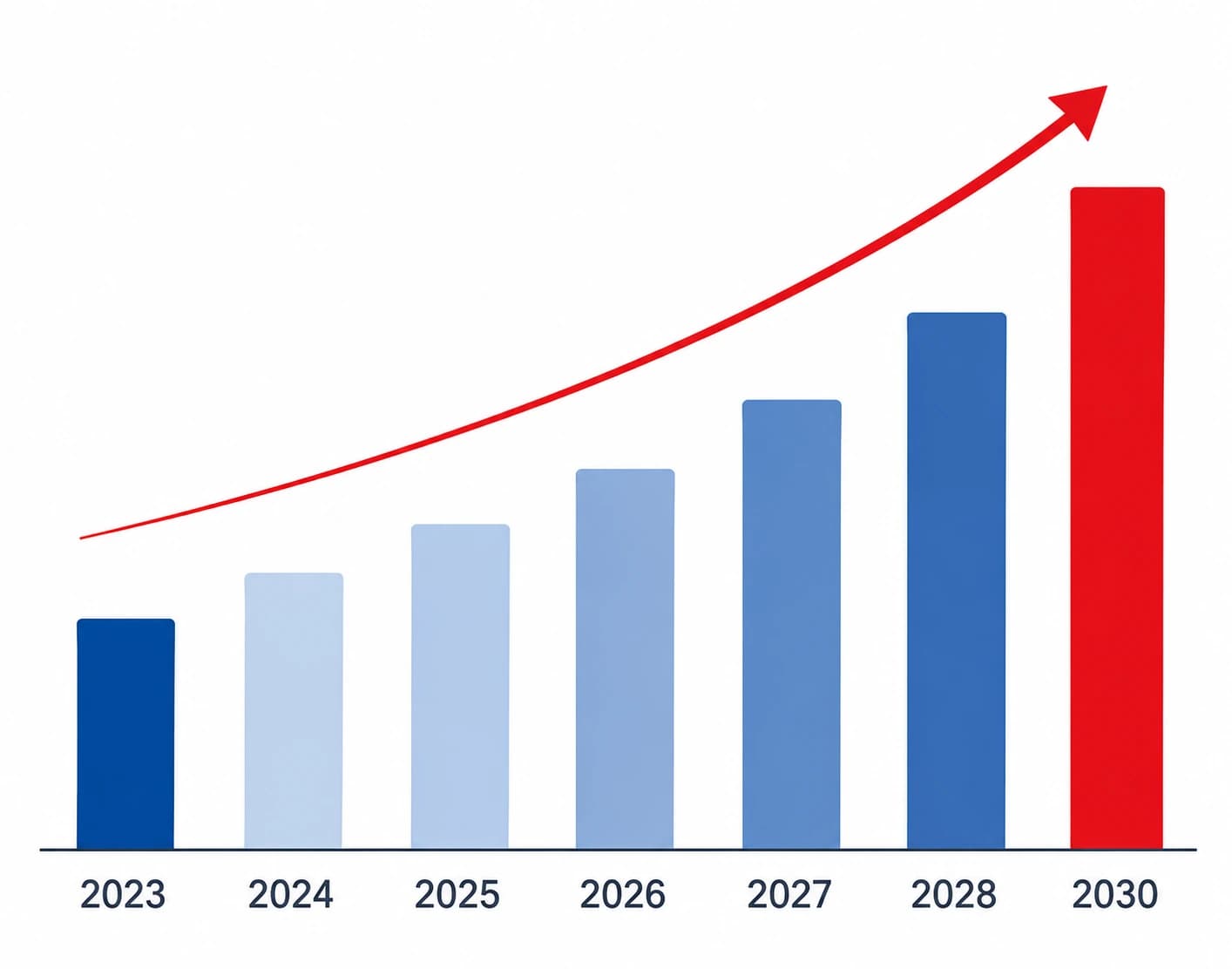
The global Subsea Steel Tube Umbilical market was valued at US$ 1864 million in 2024 and is anticipated to reach US$ 2661 million by 2031, witnessing a CAGR of 5.2% during the forecast period 2025-2031.
A subsea steel tube umbilical refers to a complex cable - like structure that is used in subsea operations. It typically consists of steel tubes and other components such as electrical cables, fiber - optic cables, and sometimes hoses. The steel tubes play a vital role in this umbilical system. They are designed to transport various substances such as hydraulic fluids, chemicals for injection in subsea production processes, or even high - voltage power in some cases. These umbilicals are essential for connecting surface facilities to subsea equipment like wellheads, valves, pumps, and other subsea production systems in the oil and gas industry. They also find applications in other subsea sectors such as subsea mining, offshore wind farms, and subsea telecommunications, providing a means to transfer power, control signals, data, and other necessary resources to the subsea installations while withstanding the harsh subsea environment including high pressure, corrosive seawater, and possible physical damage from external factors.
Subsea steel tube umbilical is a crucial composite subsea equipment that integrates functions such as power transmission, signal control, and fluid transportation, widely used in marine oil - gas field development, deep - sea mining, and offshore wind power projects.
In terms of market status, the Chinese market for subsea steel tube umbilicals has been rising steadily in recent years. The growth is mainly driven by the continuous progress of domestic marine oil - gas development projects and the rapid expansion of offshore wind power installed capacity. From a global perspective, China's market share has increased from 22% in 2023 to 25% in 2024, showing strong competitiveness.
There are more than 80 enterprises with large - scale production capacity in China, and the number is still increasing. These enterprises have obvious differences in technical level, market share, and product variety. Leading enterprises have advantages in deep - sea technology research and development, while small and medium - sized enterprises are more competitive in cost - control and customized services.
In terms of technology, Chinese enterprises have made significant breakthroughs in deep - sea environment adaptability design, research and development of corrosion - resistant materials, and automated production technology. For example, a leading enterprise has successfully developed a new type of umbilical product suitable for a water depth of 3,000 meters. In 2024, the industry's overall R & D investment accounted for 7.3% of the total output value, and the average production cycle was shortened to 45 days.
Looking at the future development trend, the subsea steel tube umbilical industry will move towards high - end, intelligent, and green directions. With the development of offshore wind power towards the deep - sea, the demand for ultra - long - distance and high - voltage - grade umbilicals will continue to rise, becoming a new growth point of the industry. It is expected that more than 60% of production enterprises will introduce industrial Internet platforms in 2025 to realize real - time monitoring and optimization of the production process.
The application of intelligent monitoring and operation and maintenance technology will also become an important development direction. At the same time, under the requirement of environmental protection, the proportion of environmentally friendly products is expected to reach more than 50% in 2025. In the long - term, the market competition pattern will present a situation of differentiated competition between domestic and international enterprises. Domestic enterprises are expected to further increase their market share, and the market size of the entire industry will also show a steady - growth trend, driven by the continuous progress of deep - sea oil - gas exploration and development and the promotion of national energy security strategies.
This report aims to provide a comprehensive presentation of the global market for Subsea Steel Tube Umbilical, with both quantitative and qualitative analysis, to help readers develop business/growth strategies, assess the market competitive situation, analyze their position in the current marketplace, and make informed business decisions regarding Subsea Steel Tube Umbilical.
The Subsea Steel Tube Umbilical market size, estimations, and forecasts are provided in terms of sales quantity (Tons) and revenue ($ millions), considering 2024 as the base year, with history and forecast data for the period from 2020 to 2031. This report segments the global Subsea Steel Tube Umbilical market comprehensively. Regional market sizes, concerning products by Type, by Application, and by players, are also provided.
For a more in-depth understanding of the market, the report provides profiles of the competitive landscape, key competitors, and their respective market ranks. The report also discusses technological trends and new product developments.
The report will help the Subsea Steel Tube Umbilical manufacturers, new entrants, and industry chain related companies in this market with information on the revenues, sales, and average price for the overall market and the sub-segments across the different segments, by company, by Type, by Application, and by regions.
Chapter 1: Introduces the report scope of the report, executive summary of different market segments (by region, product type, application, etc), including the market size of each market segment, future development potential, and so on. It offers a high-level view of the current state of the market and its likely evolution in the short to mid-term, and long term.
Chapter 2: key insights, key emerging trends, etc.
Chapter 3: Manufacturers competitive analysis, detailed analysis of Subsea Steel Tube Umbilical manufacturers competitive landscape, price, sales and revenue market share, latest development plan, merger, and acquisition information, etc.
Chapter 4: Provides profiles of key players, introducing the basic situation of the main companies in the market in detail, including product sales, revenue, price, gross margin, product introduction, recent development, etc.
Chapter 5 & 6: Sales, revenue of Subsea Steel Tube Umbilical in regional level and country level. It provides a quantitative analysis of the market size and development potential of each region and its main countries and introduces the market development, future development prospects, market space, and market size of each country in the world.
Chapter 7: Provides the analysis of various market segments by Type, covering the market size and development potential of each market segment, to help readers find the blue ocean market in different market segments.
Chapter 8: Provides the analysis of various market segments by Application, covering the market size and development potential of each market segment, to help readers find the blue ocean market in different downstream markets.
Chapter 9: Analysis of industrial chain, including the upstream and downstream of the industry.
Chapter 10: The main points and conclusions of the report.
- ★ What Is The Overall Market Size And Projected Growth Rate Across Global And Regional Segments?
- ★ How Does The Market Size And Growth Outlook Vary Across Major Countries?
- ★ Which Region Or Market Sub-Segment Is Anticipated To Dominate Growth During The Forecast Period?
- ★ What Are The Primary Factors Expected To Drive Market Expansion, And What Challenges May Restrain Growth?
- ★ Which Emerging Technologies And Market Trends Are Shaping The Future Landscape?
- ★ What Are The Most Significant Opportunities Available In The Market?
- ★ Who Are The Leading Manufacturers Actively Participating In The Global Market?
- ★ Which Company Currently Holds The Largest Share Of The Market?
- ★ What Are The Potential Growth Avenues For New Entrants In The Global Market?