Zirconium dental implants are medical devices made from zirconia (zirconium dioxide), a strong and biocompatible ceramic material used to replace missing teeth. Unlike traditional titanium implants, zirconium implants are metal-free, offering a more aesthetic and natural tooth-like appearance due to their white color. These implants are known for their high corrosion resistance, excellent biocompatibility, and reduced risk of allergic reactions.
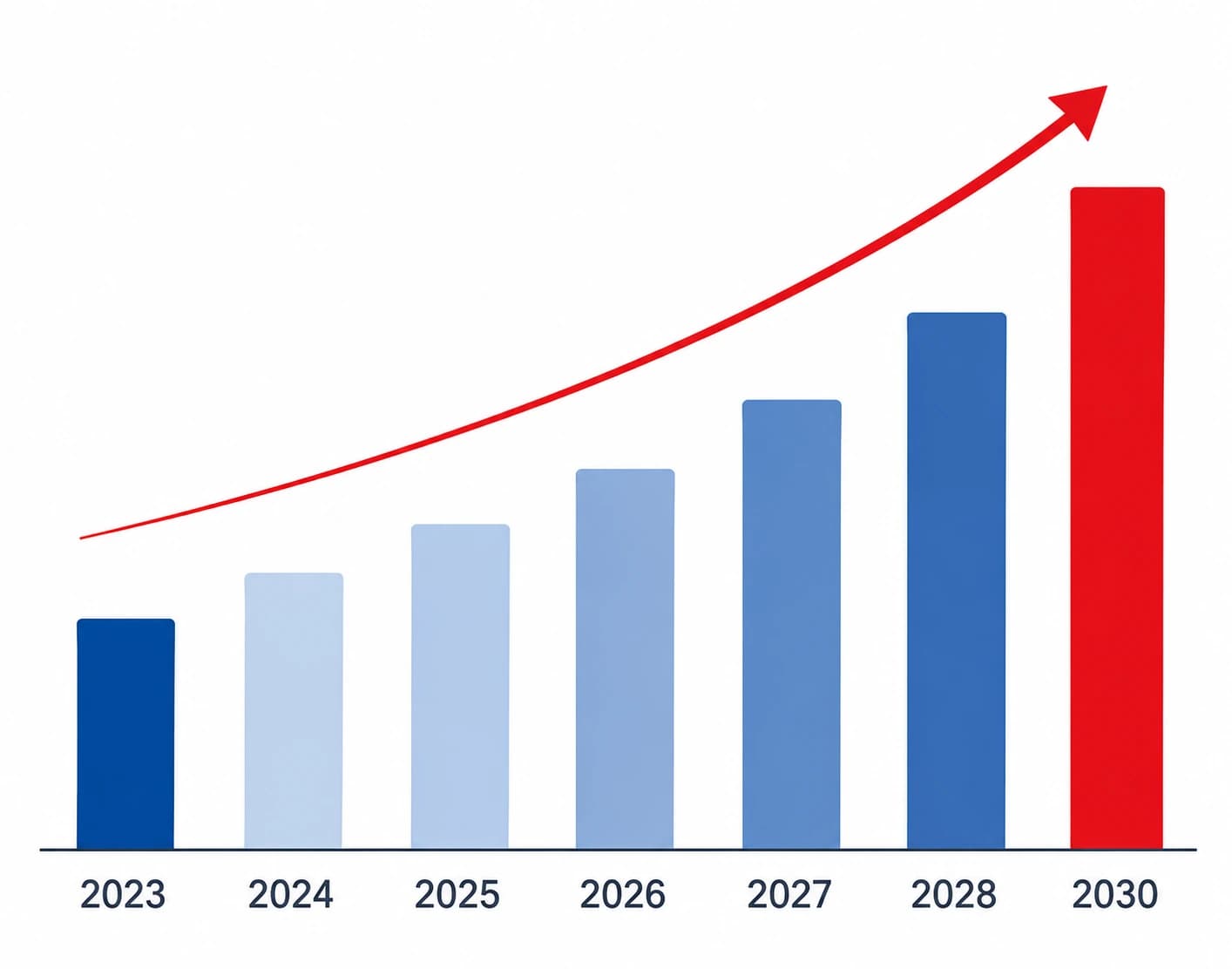
The global Zirconia Dental Implant market was valued at US$ 442 million in 2023 and is anticipated to reach US$ 864 million by 2030, witnessing a CAGR of 9.9% during the forecast period 2024-2030.
Zirconium Dental Implants Market Drivers:
Aesthetic Appeal: Zirconium dental implants are white in color, closely resembling natural teeth, making them highly desirable for patients who prioritize aesthetics, especially for front teeth replacements.
Metal-Free Solution: As a metal-free alternative to titanium implants, zirconium implants appeal to patients with metal sensitivities or allergies, driving demand for these implants.
Growing Demand for Biocompatible Materials: Zirconia's excellent biocompatibility reduces the risk of inflammation or rejection, attracting patients and dentists seeking safer implant materials.
Rising Focus on Holistic and Cosmetic Dentistry: Increasing consumer interest in holistic and cosmetic dentistry is boosting the adoption of zirconium implants, as they align with the preferences of patients seeking non-metal and more natural-looking solutions.
Advances in Material Science: Improvements in the strength, durability, and manufacturing of zirconium implants are overcoming early limitations, making them a more viable and competitive option in the dental implant market.
Zirconium Dental Implants Market Challenges:
Higher Cost: Zirconium implants are generally more expensive than traditional titanium implants, which may limit their affordability and accessibility for some patients, especially in price-sensitive regions.
Limited Long-Term Clinical Data: Although zirconium implants have shown promise, there is less long-term clinical data available compared to titanium implants, making some dentists cautious about recommending them for certain patients.
Mechanical Strength Concerns: While zirconia is strong, it is more brittle than titanium, leading to concerns about the potential for fractures under heavy chewing forces, especially in complex dental restorations.
Complex Surgical Procedures: Zirconium implants may require more precise surgical techniques due to their one-piece design and material properties, which can increase the complexity of placement compared to titanium implants.
Competition from Titanium Implants: Titanium implants remain the market leader due to their well-established success rates, long-term durability, and versatility, presenting stiff competition for zirconium implants.
This report aims to provide a comprehensive presentation of the global market for Zirconia Dental Implant, with both quantitative and qualitative analysis, to help readers develop business/growth strategies, assess the market competitive situation, analyze their position in the current marketplace, and make informed business decisions regarding Zirconia Dental Implant.
The Zirconia Dental Implant market size, estimations, and forecasts are provided in terms of sales quantity (K Units) and revenue ($ millions), considering 2023 as the base year, with history and forecast data for the period from 2019 to 2030. This report segments the global Zirconia Dental Implant market comprehensively. Regional market sizes, concerning products by Type, by Application, and by players, are also provided.
For a more in-depth understanding of the market, the report provides profiles of the competitive landscape, key competitors, and their respective market ranks. The report also discusses technological trends and new product developments.
The report will help the Zirconia Dental Implant manufacturers, new entrants, and industry chain related companies in this market with information on the revenues, sales, and average price for the overall market and the sub-segments across the different segments, by company, by Type, by Application, and by regions.
Chapter 1: Introduces the report scope of the report, executive summary of different market segments (by region, product type, application, etc), including the market size of each market segment, future development potential, and so on. It offers a high-level view of the current state of the market and its likely evolution in the short to mid-term, and long term.
Chapter 2: key insights, key emerging trends, etc.
Chapter 3: Manufacturers competitive analysis, detailed analysis of Zirconia Dental Implant manufacturers competitive landscape, price, sales and revenue market share, latest development plan, merger, and acquisition information, etc.
Chapter 4: Provides profiles of key players, introducing the basic situation of the main companies in the market in detail, including product sales, revenue, price, gross margin, product introduction, recent development, etc.
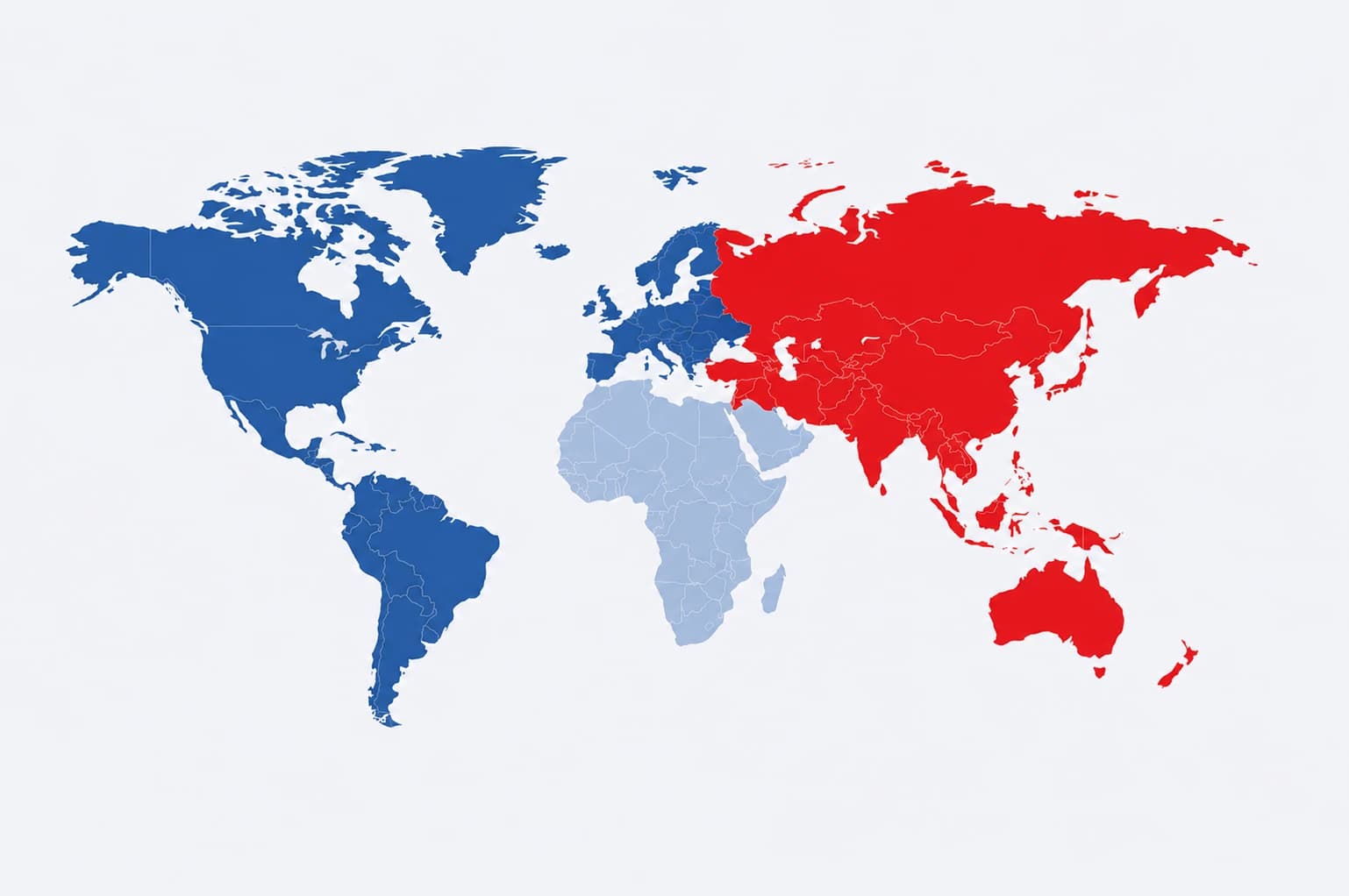
Chapter 5 & 6: Sales, revenue of Zirconia Dental Implant in regional level and country level. It provides a quantitative analysis of the market size and development potential of each region and its main countries and introduces the market development, future development prospects, market space, and market size of each country in the world.
Chapter 7: Provides the analysis of various market segments by Type, covering the market size and development potential of each market segment, to help readers find the blue ocean market in different market segments.
Chapter 8: Provides the analysis of various market segments by Application, covering the market size and development potential of each market segment, to help readers find the blue ocean market in different downstream markets.
Chapter 9: Analysis of industrial chain, including the upstream and downstream of the industry.
Chapter 10: The main points and conclusions of the report.
- ★ What Is The Overall Market Size And Projected Growth Rate Across Global And Regional Segments?
- ★ How Does The Market Size And Growth Outlook Vary Across Major Countries?
- ★ Which Region Or Market Sub-Segment Is Anticipated To Dominate Growth During The Forecast Period?
- ★ What Are The Primary Factors Expected To Drive Market Expansion, And What Challenges May Restrain Growth?
- ★ Which Emerging Technologies And Market Trends Are Shaping The Future Landscape?
- ★ What Are The Most Significant Opportunities Available In The Market?
- ★ Who Are The Leading Manufacturers Actively Participating In The Global Market?
- ★ Which Company Currently Holds The Largest Share Of The Market?
- ★ What Are The Potential Growth Avenues For New Entrants In The Global Market?