Chocolate and confectionery fats refer to fats and oils used in the production of chocolate and various confectionery products. These fats play a crucial role in determining the texture, taste, and mouthfeel of chocolates and confections. They are often used to impart specific qualities, such as smoothness, creaminess, and stability, to the final product. These fats can be derived from various sources, including cocoa butter, palm oil, shea butter, and other vegetable oils.
Cargill is a global food corporation that is involved in the production and distribution of a variety of food products, including fats and oils used in the chocolate and confectionery industry.
IOI Group is a Malaysian conglomerate that operates in various industries, including palm oil production. Palm oil is often used in the production of confectionery fats.
Barry Callebaut is one of the world"s largest cocoa processors and chocolate manufacturers. While they are known for their cocoa and chocolate products, they also involved in the development of confectionery fats.
AAK AB is a Swedish-Danish company that specializes in vegetable oils and fats. They provide solutions for various industries, including the chocolate and confectionery sector.
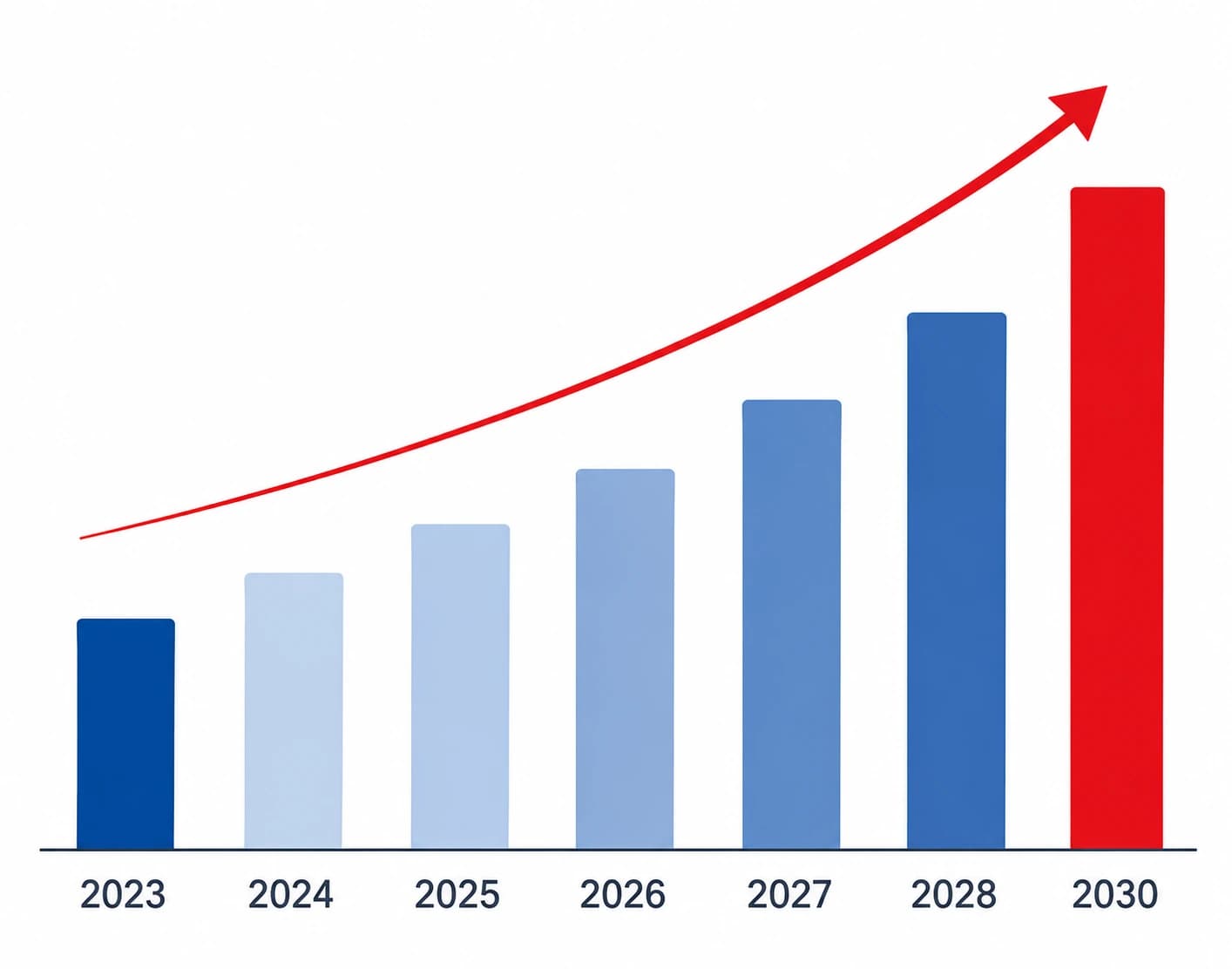
The global Chocolate and Confectionery Fats market was valued at US$ 8094 million in 2023 and is anticipated to reach US$ 9663 million by 2030, witnessing a CAGR of 2.6% during the forecast period 2024-2030.
Clean Label and Health-Conscious Choices:
Consumers were increasingly seeking products with clean labels, and this trend extended to the confectionery industry. There was a growing demand for confectionery fats made from natural sources and those with perceived health benefits.
Sustainability and ethical sourcing were becoming key considerations for consumers. Companies in the chocolate and confectionery fats industry were exploring and adopting sustainable practices, such as responsibly sourcing cocoa and palm oil, to address environmental and social concerns.
Plant-Based Alternatives:
The rising popularity of plant-based diets influenced the confectionery fats market. Manufacturers were exploring and introducing plant-based alternatives to traditional fats, catering to the increasing demand for vegan and vegetarian products.
Innovation in Product Formulations:
Continuous innovation in product formulations was observed, with a focus on creating fats that could enhance the texture, flavor, and overall quality of chocolates and confectionery products. This included the development of fats with improved melting properties and stability.
Premiumization and Specialty Fats:
The market saw a trend toward premium and specialty fats that could add unique characteristics to chocolates and confections. This included specialty cocoa butter varieties and fats with specific flavor profiles.
Customization and Personalization:
Brands were exploring customization options, allowing consumers to personalize their confectionery products. This trend involved the development of fats that could be tailored to meet specific taste preferences and dietary requirements.
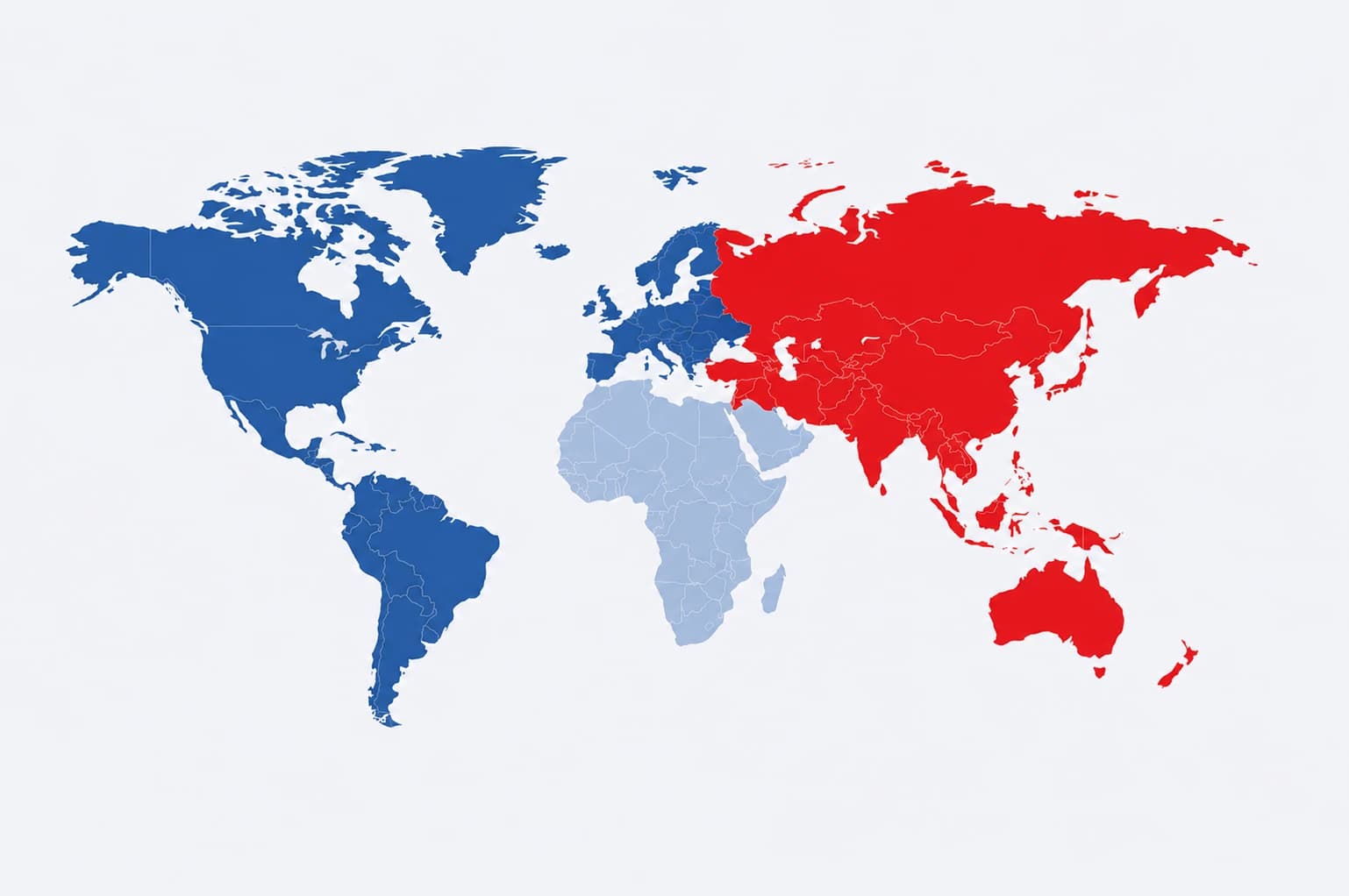
The chocolate and confectionery fats market continued to witness growth in emerging markets as well as increased globalization. Companies were expanding their presence in regions with growing consumer demand for chocolate and confectionery products.
This report aims to provide a comprehensive presentation of the global market for Chocolate and Confectionery Fats, with both quantitative and qualitative analysis, to help readers develop business/growth strategies, assess the market competitive situation, analyze their position in the current marketplace, and make informed business decisions regarding Chocolate and Confectionery Fats.
The Chocolate and Confectionery Fats market size, estimations, and forecasts are provided in terms of sales quantity (Tons) and revenue ($ millions), considering 2023 as the base year, with history and forecast data for the period from 2019 to 2030. This report segments the global Chocolate and Confectionery Fats market comprehensively. Regional market sizes, concerning products by Type, by Application, and by players, are also provided.
For a more in-depth understanding of the market, the report provides profiles of the competitive landscape, key competitors, and their respective market ranks. The report also discusses technological trends and new product developments.
The report will help the Chocolate and Confectionery Fats manufacturers, new entrants, and industry chain related companies in this market with information on the revenues, sales, and average price for the overall market and the sub-segments across the different segments, by company, by Type, by Application, and by regions.
Chapter 1: Introduces the report scope of the report, executive summary of different market segments (by region, product type, application, etc), including the market size of each market segment, future development potential, and so on. It offers a high-level view of the current state of the market and its likely evolution in the short to mid-term, and long term.
Chapter 2: key insights, key emerging trends, etc.
Chapter 3: Manufacturers competitive analysis, detailed analysis of Chocolate and Confectionery Fats manufacturers competitive landscape, price, sales and revenue market share, latest development plan, merger, and acquisition information, etc.
Chapter 4: Provides profiles of key players, introducing the basic situation of the main companies in the market in detail, including product sales, revenue, price, gross margin, product introduction, recent development, etc.
Chapter 5 & 6: Sales, revenue of Chocolate and Confectionery Fats in regional level and country level. It provides a quantitative analysis of the market size and development potential of each region and its main countries and introduces the market development, future development prospects, market space, and market size of each country in the world.
Chapter 7: Provides the analysis of various market segments by Type, covering the market size and development potential of each market segment, to help readers find the blue ocean market in different market segments.
Chapter 8: Provides the analysis of various market segments by Application, covering the market size and development potential of each market segment, to help readers find the blue ocean market in different downstream markets.
Chapter 9: Analysis of industrial chain, including the upstream and downstream of the industry.
Chapter 10: The main points and conclusions of the report.
- ★ What Is The Overall Market Size And Projected Growth Rate Across Global And Regional Segments?
- ★ How Does The Market Size And Growth Outlook Vary Across Major Countries?
- ★ Which Region Or Market Sub-Segment Is Anticipated To Dominate Growth During The Forecast Period?
- ★ What Are The Primary Factors Expected To Drive Market Expansion, And What Challenges May Restrain Growth?
- ★ Which Emerging Technologies And Market Trends Are Shaping The Future Landscape?
- ★ What Are The Most Significant Opportunities Available In The Market?
- ★ Who Are The Leading Manufacturers Actively Participating In The Global Market?
- ★ Which Company Currently Holds The Largest Share Of The Market?
- ★ What Are The Potential Growth Avenues For New Entrants In The Global Market?