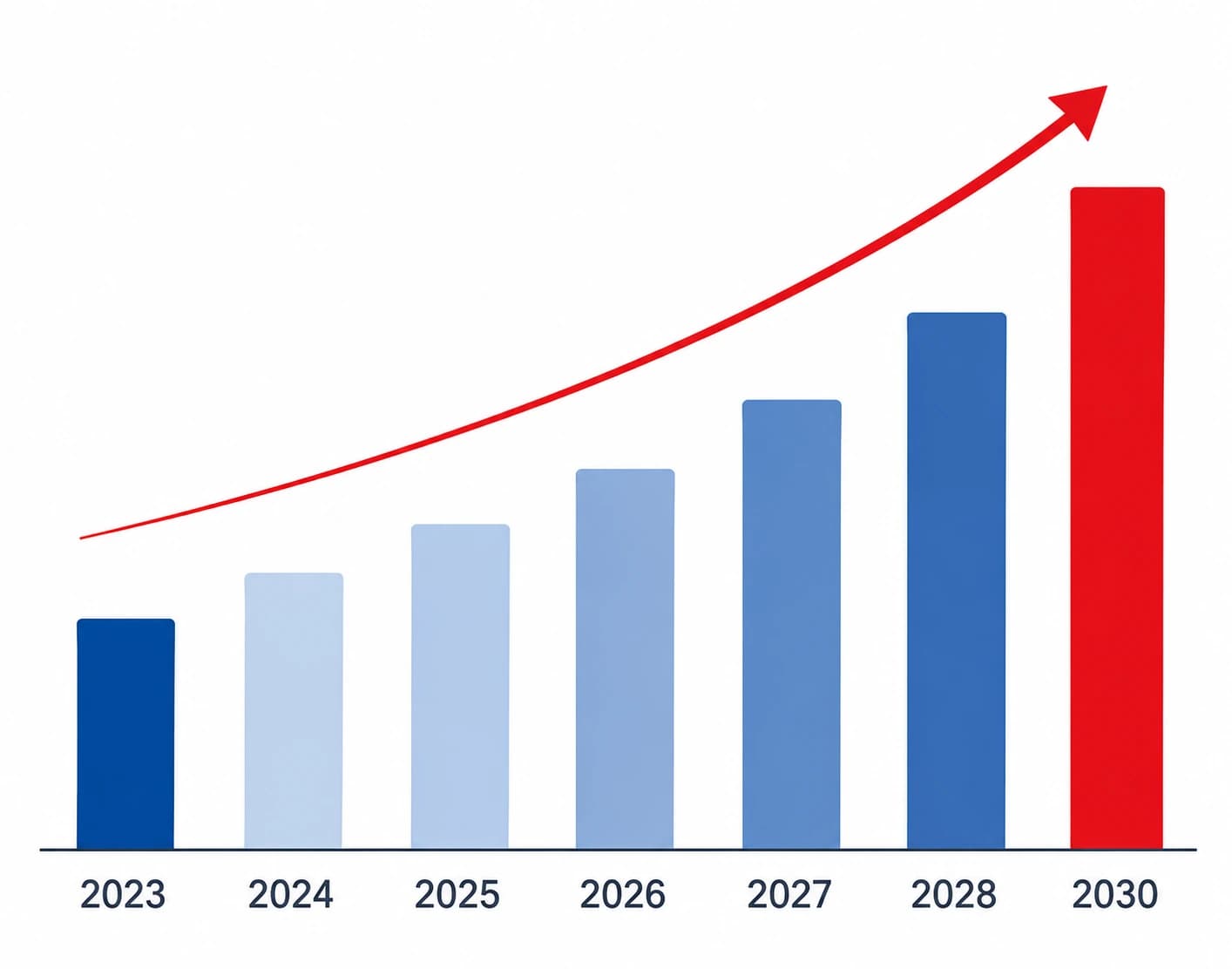
The global Steel Cord for Radial Tires market was valued at US$ 5170 million in 2024 and is anticipated to reach US$ 6590 million by 2031, witnessing a CAGR of 3.7% during the forecast period 2025-2031.
Steel cord for radial tires is a high-strength wire used in the construction of tires, particularly in the steel-belted radial tires commonly found in automobiles, trucks, and heavy machinery. It is made from thin strands of steel wire that are twisted together to form a robust and flexible cord. These steel cords provide superior strength, durability, and resistance to tension, helping to reinforce the tire’s structure and improve its performance. By enhancing the tire’s ability to withstand stress, impact, and heat, steel cords play a crucial role in extending tire lifespan, improving safety, and ensuring better traction and stability on the road. Steel cord also helps in optimizing the tire's load-bearing capacity and contributes to the overall fuel efficiency of vehicles.
1. Growing Automotive Industry
As the global automotive industry continues to expand, particularly in emerging economies, the demand for high-performance tires is on the rise. Steel cord is an essential component in tire reinforcement, providing improved strength, durability, and safety for tires, which in turn boosts demand.
2. Increasing Demand for High-Performance Tires
High-performance tires, which require better reinforcement materials, are gaining popularity, especially for sports cars, luxury vehicles, and heavy-duty trucks. Steel cords help improve the overall performance of tires by offering superior strength, longevity, and safety, driving their demand in the tire manufacturing industry.
3. Demand for Enhanced Fuel Efficiency
The need for more fuel-efficient vehicles is propelling the demand for tires that reduce rolling resistance. Steel cords provide better structural integrity, which leads to tires that are lighter yet stronger, helping improve fuel efficiency.
4. Technological Advancements in Tire Manufacturing
Continuous advancements in tire technology, such as the development of smarter tires with improved tread designs, have increased the reliance on steel cords for reinforcement. The integration of advanced materials with steel cord reinforcement contributes to better overall tire performance.
5. Tire Safety Regulations
Stringent regulations and safety standards imposed by governments worldwide, particularly regarding tire strength and performance, drive the demand for high-quality materials like steel cord for tire reinforcement. Steel cord provides enhanced durability, which helps meet these regulatory requirements.
6. Growth in the Commercial Vehicle Sector
The commercial vehicle sector, which includes trucks, buses, and other heavy-duty vehicles, requires strong, durable tires. Steel cords are used extensively for reinforcing tires in these vehicles, where durability and load-bearing capacity are critical.
1. Fluctuating Raw Material Prices
The prices of raw materials required to manufacture steel cords, such as steel, can be volatile due to global supply chain issues, economic conditions, and geopolitical factors. These price fluctuations can increase production costs for manufacturers, affecting the profitability of businesses in the steel cord and tire industries.
2. High Manufacturing Costs
Producing steel cord requires significant investment in specialized equipment, technology, and skilled labor. The manufacturing process itself is also energy-intensive, which can lead to high production costs. These costs may be a challenge for smaller manufacturers or those operating in regions with higher labor or energy costs.
3. Supply Chain Disruptions
The steel cord industry is heavily reliant on a well-established and stable supply chain for raw materials, manufacturing, and distribution. Disruptions, such as those caused by natural disasters, trade tensions, or pandemics, can result in delays, increased costs, or shortages of materials, affecting the timely production of steel cord for tire reinforcement.
4. Competition from Alternative Reinforcement Materials
Steel cord faces competition from alternative materials, such as synthetic materials, aramid fiber, and polyester, that are used for tire reinforcement. These alternatives often offer benefits like lighter weight, lower costs, or enhanced performance in specific applications. As manufacturers explore these alternatives, they may reduce their reliance on steel cords.
This report aims to provide a comprehensive presentation of the global market for Steel Cord for Radial Tires, with both quantitative and qualitative analysis, to help readers develop business/growth strategies, assess the market competitive situation, analyze their position in the current marketplace, and make informed business decisions regarding Steel Cord for Radial Tires.
The Steel Cord for Radial Tires market size, estimations, and forecasts are provided in terms of sales quantity (Kiloton) and revenue ($ millions), considering 2024 as the base year, with history and forecast data for the period from 2020 to 2031. This report segments the global Steel Cord for Radial Tires market comprehensively. Regional market sizes, concerning products by Type, by Application, and by players, are also provided.
For a more in-depth understanding of the market, the report provides profiles of the competitive landscape, key competitors, and their respective market ranks. The report also discusses technological trends and new product developments.
The report will help the Steel Cord for Radial Tires manufacturers, new entrants, and industry chain related companies in this market with information on the revenues, sales, and average price for the overall market and the sub-segments across the different segments, by company, by Type, by Application, and by regions.
Chapter 1: Introduces the report scope of the report, executive summary of different market segments (by region, product type, application, etc), including the market size of each market segment, future development potential, and so on. It offers a high-level view of the current state of the market and its likely evolution in the short to mid-term, and long term.
Chapter 2: key insights, key emerging trends, etc.
Chapter 3: Manufacturers competitive analysis, detailed analysis of Steel Cord for Radial Tires manufacturers competitive landscape, price, sales and revenue market share, latest development plan, merger, and acquisition information, etc.
Chapter 4: Provides profiles of key players, introducing the basic situation of the main companies in the market in detail, including product sales, revenue, price, gross margin, product introduction, recent development, etc.
Chapter 5 & 6: Sales, revenue of Steel Cord for Radial Tires in regional level and country level. It provides a quantitative analysis of the market size and development potential of each region and its main countries and introduces the market development, future development prospects, market space, and market size of each country in the world.
Chapter 7: Provides the analysis of various market segments by Type, covering the market size and development potential of each market segment, to help readers find the blue ocean market in different market segments.
Chapter 8: Provides the analysis of various market segments by Application, covering the market size and development potential of each market segment, to help readers find the blue ocean market in different downstream markets.
Chapter 9: Analysis of industrial chain, including the upstream and downstream of the industry.
Chapter 10: The main points and conclusions of the report.
- ★ What Is The Overall Market Size And Projected Growth Rate Across Global And Regional Segments?
- ★ How Does The Market Size And Growth Outlook Vary Across Major Countries?
- ★ Which Region Or Market Sub-Segment Is Anticipated To Dominate Growth During The Forecast Period?
- ★ What Are The Primary Factors Expected To Drive Market Expansion, And What Challenges May Restrain Growth?
- ★ Which Emerging Technologies And Market Trends Are Shaping The Future Landscape?
- ★ What Are The Most Significant Opportunities Available In The Market?
- ★ Who Are The Leading Manufacturers Actively Participating In The Global Market?
- ★ Which Company Currently Holds The Largest Share Of The Market?
- ★ What Are The Potential Growth Avenues For New Entrants In The Global Market?