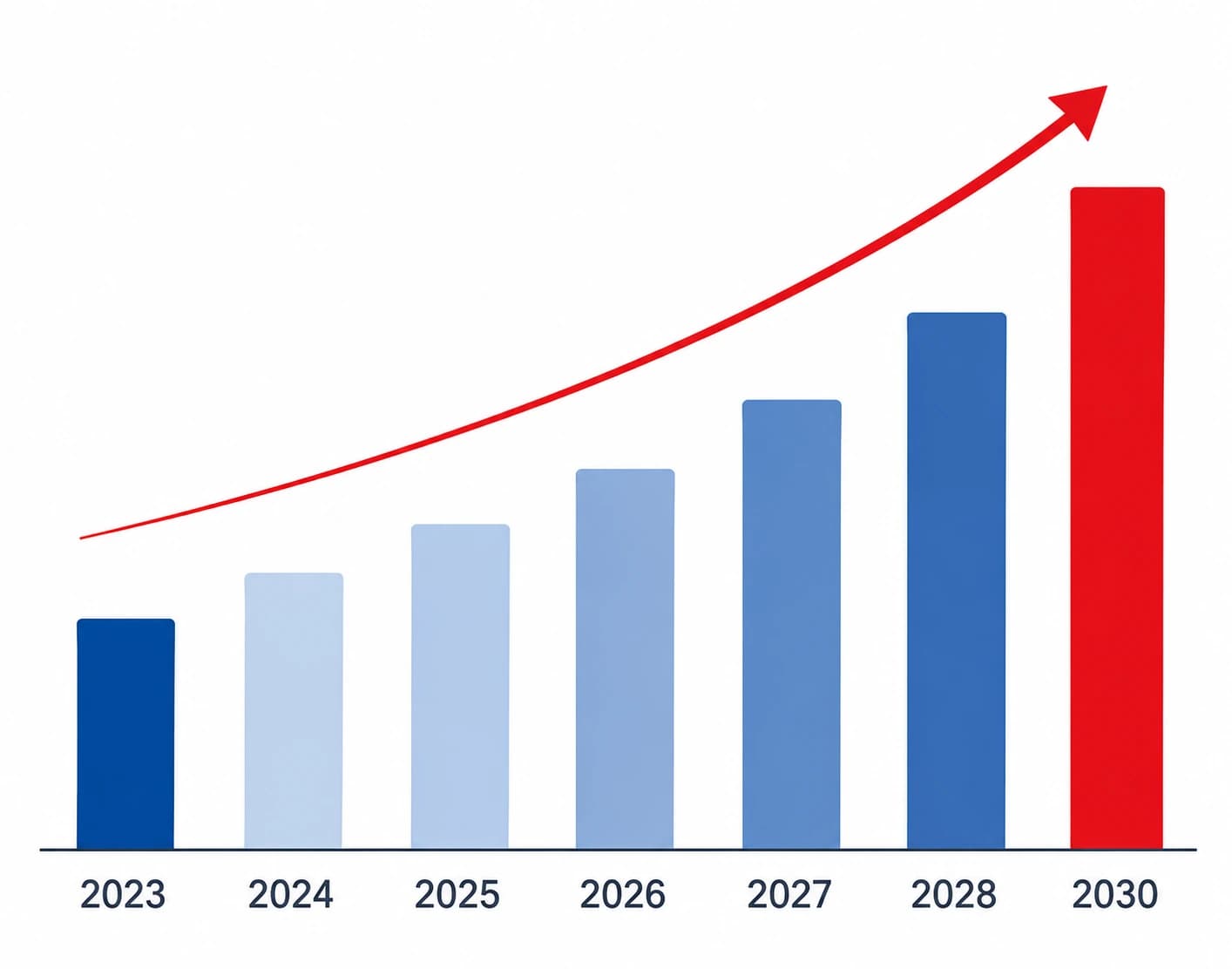
The global Vapor Phase Corrosion Inhibitor (VPCI) market was valued at US$ 610 million in 2025 and is anticipated to reach US$ 841 million by 2032, witnessing a CAGR of 4.8% during the forecast period 2026-2032.
Vapor Phase Corrosion Inhibitor (VPCI) is a corrosion control technology in which inhibitor chemistry volatilizes from a carrier material, moves through the atmosphere inside an enclosed package, and then deposits onto metal surfaces to suppress corrosion reactions. In practice, the protection comes from vapor transport plus surface adsorption or condensation in the pack headspace, allowing even recessed features such as threads, cavities, and crevices to receive protection without direct liquid coating. VPCI is also referred to in industry as VCI and vapor phase inhibitors, reflecting the same mechanism of protection through an enclosed microclimate around the metal.
In logistics workflows, VPCI is implemented through packaging materials rather than through post-processing steps. The most common commercial embodiments are kraft-based papers manufactured with inhibitor chemistry, polyethylene films manufactured with inhibitor chemistry, and converted formats such as bags, liners, and shrouds that create the enclosed space needed for vapor action. Where pack geometries are large or hard to seal tightly, accessory formats such as emitters or dual-function inserts may be used to maintain inhibitor availability within the enclosure. This approach is widely chosen when users want to avoid oiling or greasing parts, reduce cleaning at receiving, and lower corrosion-related rework risk during storage and shipment.
Upstream, VPCI packaging material supply chains look like a hybrid of substrate manufacturing and precision converting. Base papers and polyolefin films are combined with inhibitor delivery systems through impregnation, coating, or polymer integration, then converted into rolls, sheets, bags, and custom formats via slitting, printing, sealing, and lamination. The competitive edge is often built on reliable inhibitor loading, repeatable vapor release behavior, and conversion quality that preserves seal integrity and mechanical robustness while meeting odor, residue, and compatibility requirements for different metals. Buyers tend to treat grade selection as part of packaging engineering, so suppliers that can support validation, documentation, and controlled change management are more likely to be qualified for export lanes and mission-critical spare parts programs.
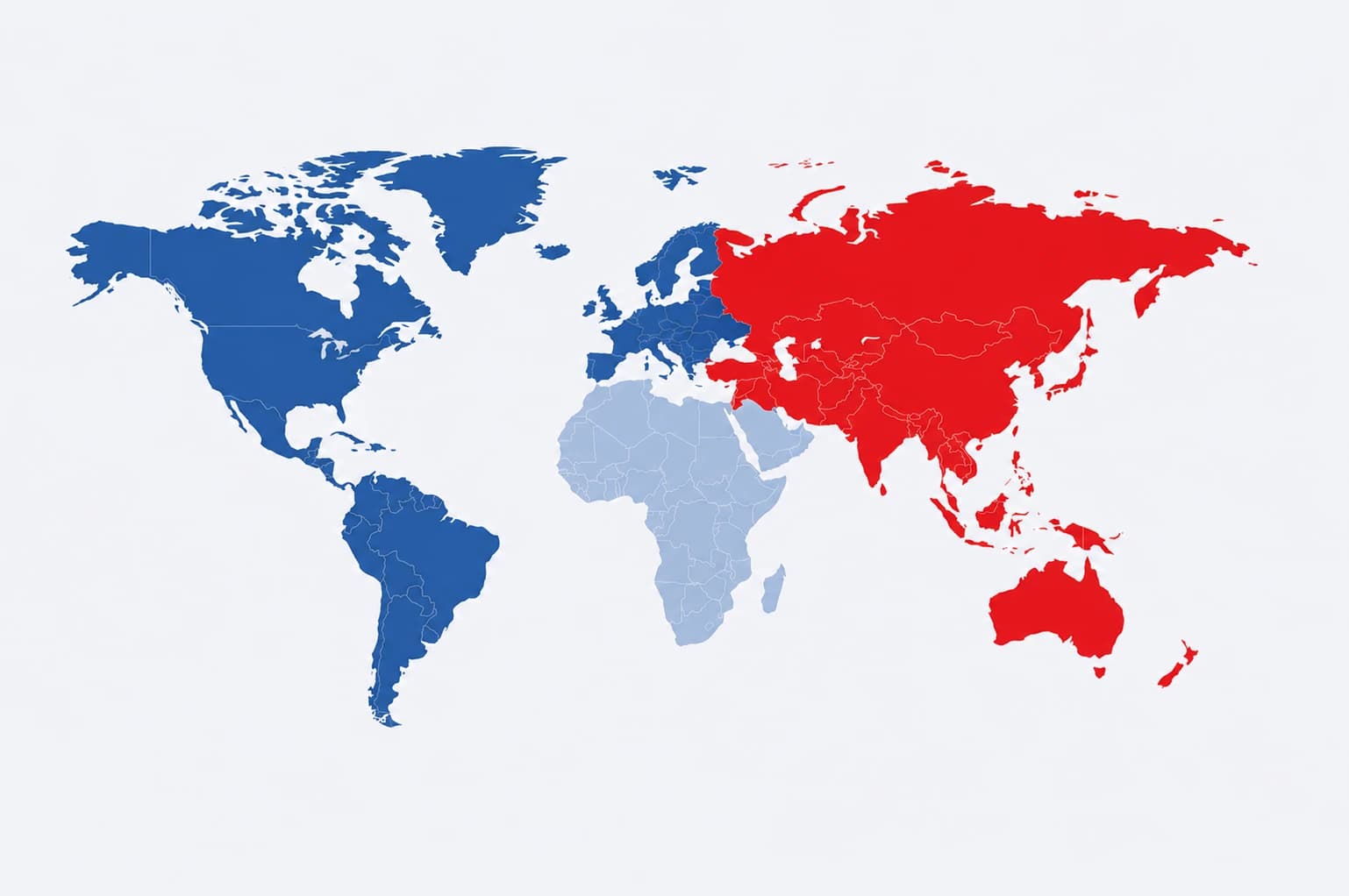
In the current market, global production is around 101,420 MT, with an average selling price of about 6,016 USD per MT EXW basis. Using the provided market structure, industry concentration is moderate, with Top 5 suppliers controlling approximately 40 percent of global revenue, while a long tail of regional converters competes on turnaround speed, format customization, and proximity to industrial clusters. Demand remains structurally strongest in North America and Europe where corrosion control specifications and export packing practices are mature, and it continues to broaden in China and the wider Asia region as machinery, automotive components, and electronics shipments expand into longer and more complex logistics routes. Over the next six years, momentum is expected to come from greater use of mixed-metal assemblies, stronger preferences for dry and cleaner protection, and continuing development of nitrite free systems and more recyclable substrate choices, alongside more data-driven packaging programs that shorten qualification cycles and reduce repeat corrosion incidents through route- and season-aware pack design.
This report aims to provide a comprehensive presentation of the global market for Vapor Phase Corrosion Inhibitor (VPCI), with both quantitative and qualitative analysis, to help readers develop business/growth strategies, assess the market competitive situation, analyze their position in the current marketplace, and make informed business decisions regarding Vapor Phase Corrosion Inhibitor (VPCI).
The Vapor Phase Corrosion Inhibitor (VPCI) market size, estimations, and forecasts are provided in terms of sales quantity (Tons) and revenue ($ millions), considering 2025 as the base year, with history and forecast data for the period from 2021 to 2032. This report segments the global Vapor Phase Corrosion Inhibitor (VPCI) market comprehensively. Regional market sizes, concerning products by Type, by Application, and by players, are also provided.
For a more in-depth understanding of the market, the report provides profiles of the competitive landscape, key competitors, and their respective market ranks. The report also discusses technological trends and new product developments.
The report will help the Vapor Phase Corrosion Inhibitor (VPCI) manufacturers, new entrants, and industry chain related companies in this market with information on the revenues, sales, and average price for the overall market and the sub-segments across the different segments, by company, by Type, by Application, and by regions.
Chapter 1: Introduces the report scope of the report, executive summary of different market segments (by region, product type, application, etc), including the market size of each market segment, future development potential, and so on. It offers a high-level view of the current state of the market and its likely evolution in the short to mid-term, and long term.
Chapter 2: key insights, key emerging trends, etc.
Chapter 3: Manufacturers competitive analysis, detailed analysis of Vapor Phase Corrosion Inhibitor (VPCI) manufacturers competitive landscape, price, sales and revenue market share, latest development plan, merger, and acquisition information, etc.
Chapter 4: Provides profiles of key players, introducing the basic situation of the main companies in the market in detail, including product sales, revenue, price, gross margin, product introduction, recent development, etc.
Chapter 5 & 6: Sales, revenue of Vapor Phase Corrosion Inhibitor (VPCI) in regional level and country level. It provides a quantitative analysis of the market size and development potential of each region and its main countries and introduces the market development, future development prospects, market space, and market size of each country in the world.
Chapter 7: Provides the analysis of various market segments by Type, covering the market size and development potential of each market segment, to help readers find the blue ocean market in different market segments.
Chapter 8: Provides the analysis of various market segments by Application, covering the market size and development potential of each market segment, to help readers find the blue ocean market in different downstream markets.
Chapter 9: Analysis of industrial chain, including the upstream and downstream of the industry.
Chapter 10: The main points and conclusions of the report.
- ★ What Is The Overall Market Size And Projected Growth Rate Across Global And Regional Segments?
- ★ How Does The Market Size And Growth Outlook Vary Across Major Countries?
- ★ Which Region Or Market Sub-Segment Is Anticipated To Dominate Growth During The Forecast Period?
- ★ What Are The Primary Factors Expected To Drive Market Expansion, And What Challenges May Restrain Growth?
- ★ Which Emerging Technologies And Market Trends Are Shaping The Future Landscape?
- ★ What Are The Most Significant Opportunities Available In The Market?
- ★ Who Are The Leading Manufacturers Actively Participating In The Global Market?
- ★ Which Company Currently Holds The Largest Share Of The Market?
- ★ What Are The Potential Growth Avenues For New Entrants In The Global Market?