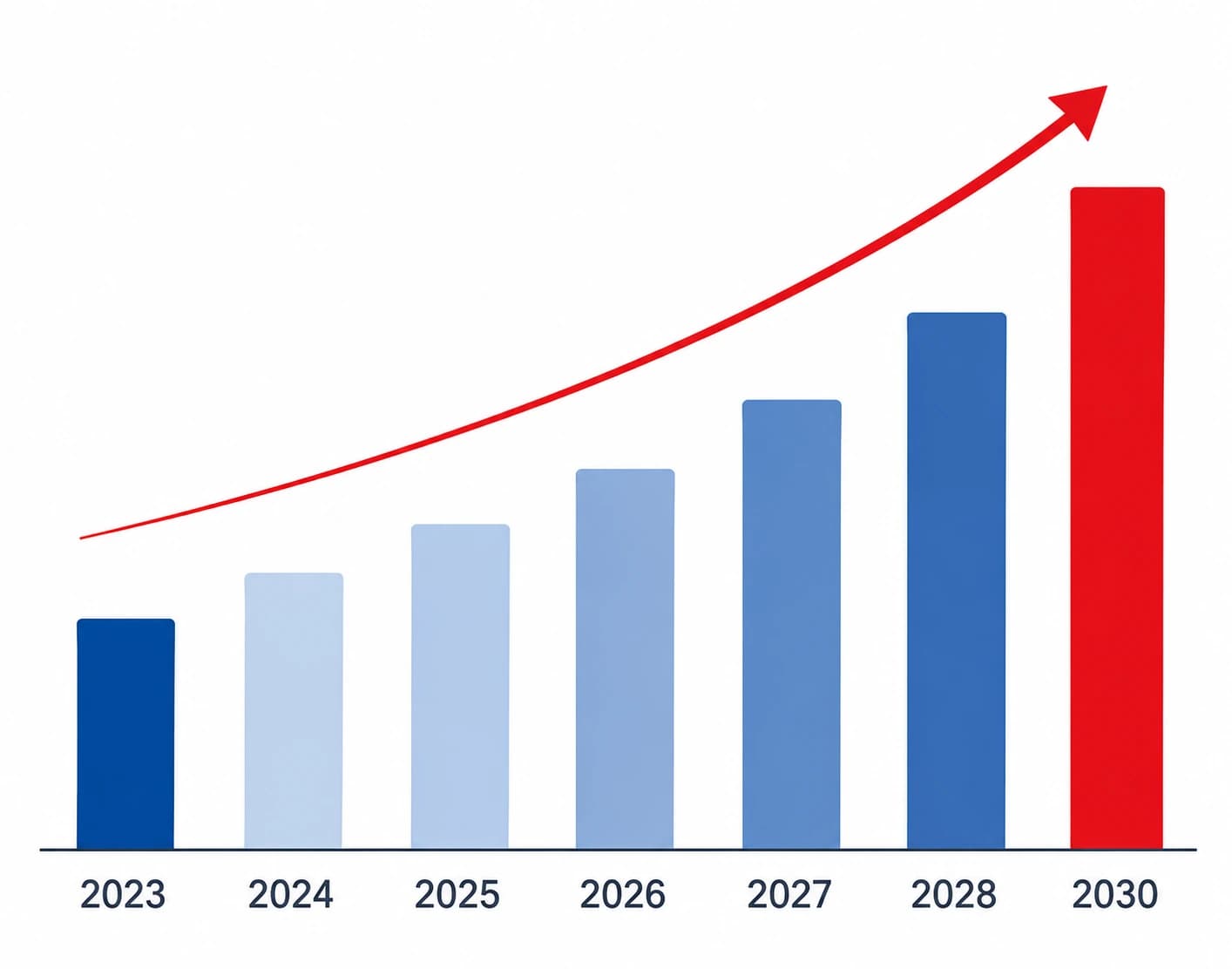
The global Luxury Outdoor Wood Furniture market was valued at US$ 3945 million in 2025 and is anticipated to reach US$ 5352 million by 2032, witnessing a CAGR of 4.5% during the forecast period 2026-2032.
Luxury outdoor wood furniture refers to premium outdoor furnishings made primarily from high-grade woods—such as teak, ipe, acacia, eucalyptus and modified/engineered woods—used in upscale residential gardens and terraces, boutique hotels, resorts and private clubs. Typical products include outdoor dining sets, lounge chairs and daybeds, sofas and modular seating, benches, coffee and side tables, and accent pieces. Compared with mass-market outdoor furniture, this segment focuses on natural grain aesthetics, weather resistance and structural durability, often relying on FSC/PEFC-certified timber and low-VOC finishes. It balances design, longevity and low maintenance, and has become a core component of luxury outdoor living and high-end hospitality landscaping.
Upstream, the luxury outdoor wood furniture value chain relies on tropical hardwood logs and lumber (teak, ipe and other African/Latin American hardwoods), temperate hardwoods (such as acacia and eucalyptus), modified/engineered woods, high-performance exterior coatings and oils, stainless-steel/aluminum hardware and fasteners, outdoor-grade foams and performance fabrics. Forest owners and traders in Indonesia, Africa and Latin America provide sustainably managed timber, increasingly under FSC/PEFC schemes. In the midstream, specialized outdoor furniture manufacturers and design brands take care of product engineering, prototyping, kiln-drying, joinery, finishing and assembly: European brands (Italy, Spain, Belgium, etc.) usually own design and branding while outsourcing part of production to Indonesia, Vietnam, China or Turkey, and Asia-based OEM/ODM factories produce for global retailers and labels. Downstream demand comes from affluent homeowners, luxury residential developers, high-end hotels and resorts, beach clubs and cruise/private-club projects, via premium retail showrooms, e-commerce, landscape/architecture studios and project tenders.
Luxury outdoor wood furniture sits at the intersection of architecture, landscape and lifestyle, bringing the warmth of natural materials into terraces, gardens, rooftops, pool decks and yacht decks. For high-end villas, resorts, private clubs and branded residences, it is no longer just a few wooden chairs and loungers, but a complete outdoor living system: modular lounge sets, dining tables and benches, sun loungers and daybeds, pergolas, bar counters, storage units and planters that visually align with indoor design while standing up to sun, rain, salt and temperature swings. In many projects, this category has become a key tool for delivering “resort at home” living and seamless indoor–outdoor experiences that support entertaining, relaxation and social media–friendly spaces.
From a product evolution perspective, luxury outdoor wood furniture is moving from heavy, rustic pieces toward collections that combine refined detailing with professional-grade durability. Premium teak remains the benchmark thanks to its natural oils and stability, but designers increasingly work with other durable species such as iroko, robinia, thermally modified ash and Accoya, or with engineered wood solutions that improve dimensional stability. Surfaces are treated with high-performance oils, multi-layer exterior coatings or brushed finishes that allow the wood to weather gracefully rather than simply degrade. Many high-end lines now combine timber frames with aluminium bases, stainless-steel hardware, woven rope or performance fabrics, achieving lighter silhouettes and better structural integrity. Modular platforms, hidden levelers and easy-to-replace slats or tops are used to simplify installation and future refurbishment, which is critical in resort and hospitality environments.
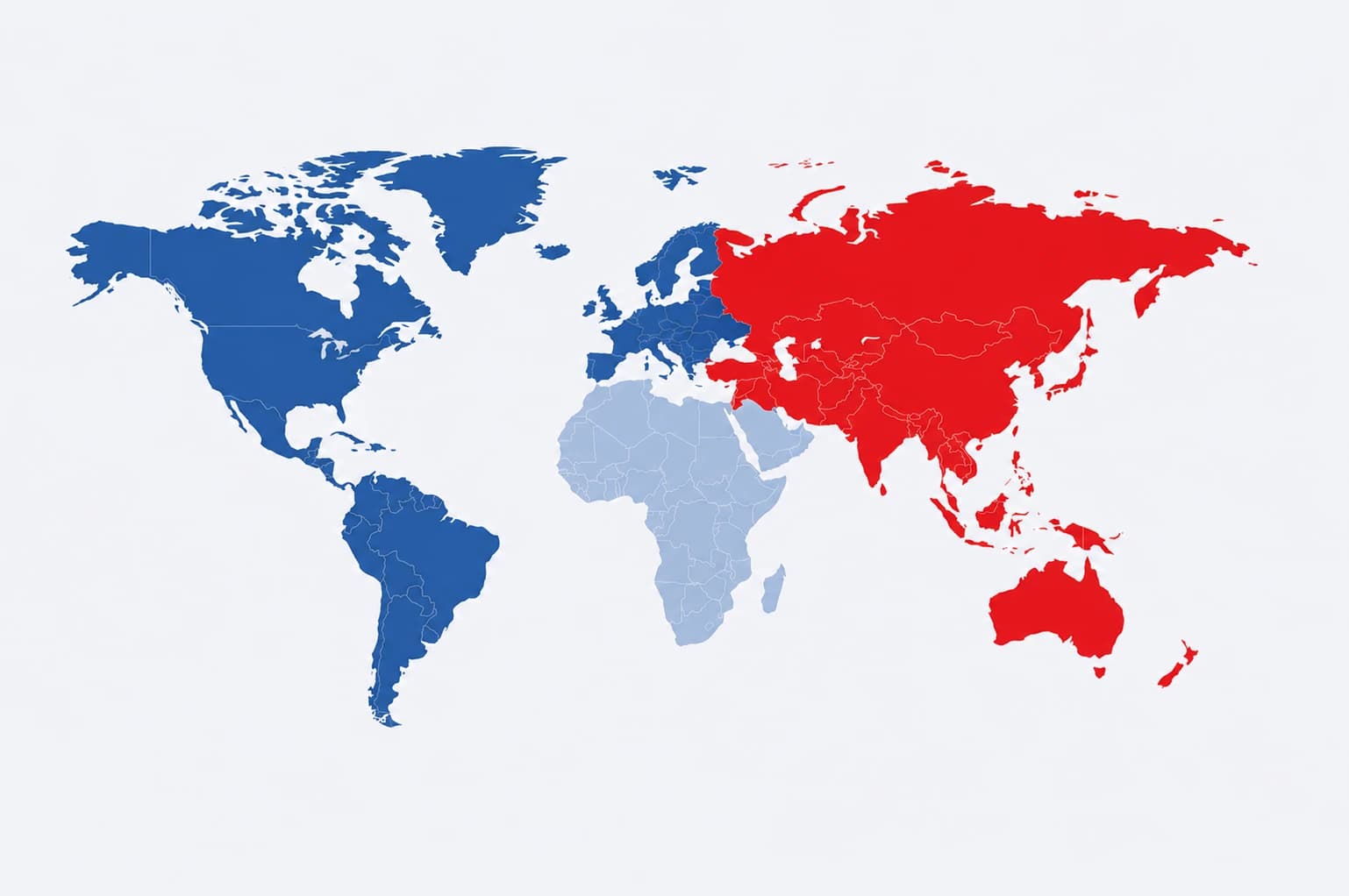
Sustainability and regional context are also reshaping the segment. Leading brands and specifiers increasingly demand FSC or equivalent certification, traceable supply chains and long-life constructions that justify the use of slow-growing hardwoods. In Europe, especially the Mediterranean and Nordic regions, design language tends to favour calm, low-profile forms and softly weathered finishes that integrate with stone, concrete and landscape. In North America, large decks and outdoor kitchens drive demand for generous tables, sectional seating and fire-feature groupings in warm wood tones. Asia-Pacific and the Middle East, powered by resort development and seafront projects, often require more dramatic, sculptural pieces that can withstand intense UV, humidity and salt air. At the same time, the market faces real challenges: balancing cost with certified timber sourcing, managing colour changes and maintenance expectations with end-users, and handling logistics and after-sales for bulky, heavy products. Manufacturers that can combine strong design, deep know-how in exterior joinery and finishes, credible sustainability stories and the ability to deliver custom project packages are best positioned to stand out in luxury outdoor wood furniture.
This report aims to provide a comprehensive presentation of the global market for Luxury Outdoor Wood Furniture, with both quantitative and qualitative analysis, to help readers develop business/growth strategies, assess the market competitive situation, analyze their position in the current marketplace, and make informed business decisions regarding Luxury Outdoor Wood Furniture.
The Luxury Outdoor Wood Furniture market size, estimations, and forecasts are provided in terms of revenue ($ millions), considering 2025 as the base year, with history and forecast data for the period from 2021 to 2032. This report segments the global Luxury Outdoor Wood Furniture market comprehensively. Regional market sizes, concerning products by Type, by Application, and by players, are also provided.
For a more in-depth understanding of the market, the report provides profiles of the competitive landscape, key competitors, and their respective market ranks. The report also discusses technological trends and new product developments.
The report will help the Luxury Outdoor Wood Furniture manufacturers, new entrants, and industry chain related companies in this market with information on the revenues for the overall market and the sub-segments across the different segments, by company, by Type, by Application, and by regions.
Chapter 1: Introduces the report scope of the report, executive summary of different market segments (by region, product type, application, etc), including the market size of each market segment, future development potential, and so on. It offers a high-level view of the current state of the market and its likely evolution in the short to mid-term, and long term.
Chapter 2: key insights, key emerging trends, etc.
Chapter 3: Manufacturers competitive analysis, detailed analysis of Luxury Outdoor Wood Furniture manufacturers competitive landscape, revenue market share, latest development plan, merger, and acquisition information, etc.
Chapter 4: Provides profiles of key players, introducing the basic situation of the main companies in the market in detail, including product revenue, gross margin, product introduction, recent development, etc.
Chapter 5 & 6: Revenue of Luxury Outdoor Wood Furniture in regional level and country level. It provides a quantitative analysis of the market size and development potential of each region and its main countries and introduces the market development, future development prospects, market space, and market size of each country in the world.
Chapter 7: Provides the analysis of various market segments by Type, covering the market size and development potential of each market segment, to help readers find the blue ocean market in different market segments.
Chapter 8: Provides the analysis of various market segments by Application, covering the market size and development potential of each market segment, to help readers find the blue ocean market in different downstream markets.
Chapter 9: Analysis of industrial chain, including the upstream and downstream of the industry.
Chapter 10: The main points and conclusions of the report.
- ★ What Is The Overall Market Size And Projected Growth Rate Across Global And Regional Segments?
- ★ How Does The Market Size And Growth Outlook Vary Across Major Countries?
- ★ Which Region Or Market Sub-Segment Is Anticipated To Dominate Growth During The Forecast Period?
- ★ What Are The Primary Factors Expected To Drive Market Expansion, And What Challenges May Restrain Growth?
- ★ Which Emerging Technologies And Market Trends Are Shaping The Future Landscape?
- ★ What Are The Most Significant Opportunities Available In The Market?
- ★ Who Are The Leading Manufacturers Actively Participating In The Global Market?
- ★ Which Company Currently Holds The Largest Share Of The Market?
- ★ What Are The Potential Growth Avenues For New Entrants In The Global Market?