Vein finder is a biomedical device which uses near infrared light to illuminate subcutaneous veins on skin surface. These devices are beneficial in case where health problems create difficulties in correct vein identification particularly in neonates with their extremely small and fragile veins and arteries, elderly patients, overweight patients and for rapid access in emergency situations.
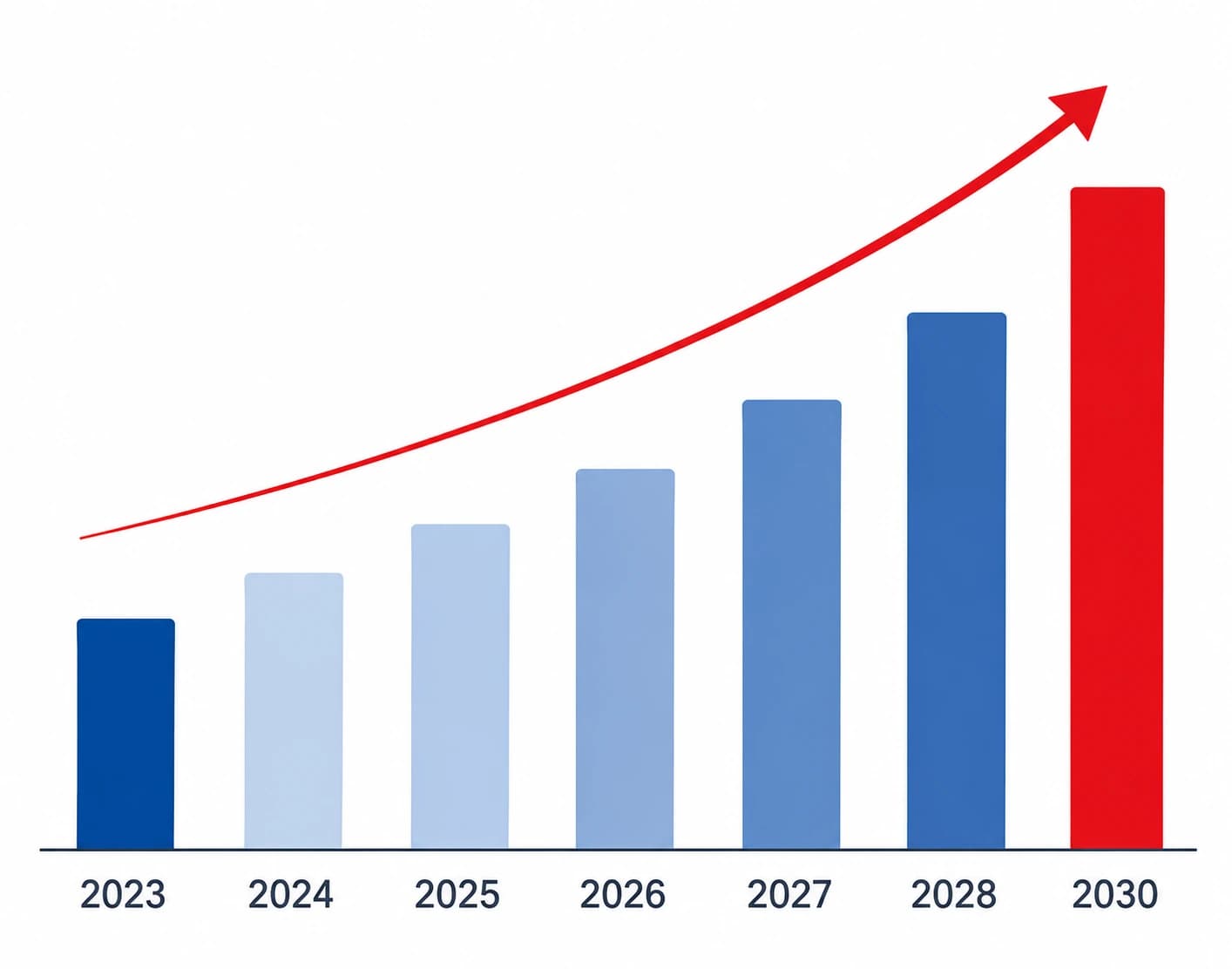
The global Near-infrared Vein Finders market was valued at US$ 195 million in 2023 and is anticipated to reach US$ 524 million by 2030, witnessing a CAGR of 15.4% during the forecast period 2024-2030.
Near-infrared vein finders, also known as near-infrared vein imaging devices or NIR vein finders, are medical devices used to locate veins by utilizing near-infrared light. These devices help healthcare professionals to visualize veins beneath the skin"s surface, aiding in successful venipuncture and intravenous access.
Key Factors Influencing the Near-Infrared Vein Finders Market:
Technological Advancements:
Continuous advancements in near-infrared imaging technologies improve the accuracy, efficiency, and ease of use of vein finders, driving market growth.
Improving Healthcare Infrastructure:
Upgrades in healthcare facilities and the adoption of advanced medical devices, including near-infrared vein finders, contribute to their increased usage.
Enhanced Patient Experience:
Near-infrared vein finders reduce patient discomfort and anxiety associated with multiple needle sticks, improving patient satisfaction and experience during medical procedures.
Pediatric and Geriatric Applications:
Vein visibility can be challenging in pediatric and geriatric patients; near-infrared vein finders are particularly valuable in these cases.
Rising Demand for Vascular Access:
The growing need for successful venipuncture and intravenous access in various medical procedures fuels the demand for near-infrared vein finders.
Expanding Applications in Different Healthcare Settings:
Near-infrared vein finders are increasingly used in diverse healthcare settings, including hospitals, clinics, ambulatory care, and home healthcare.
Prevalence of Chronic Diseases:
The increasing incidence of chronic diseases requiring frequent medical interventions, blood tests, and drug administration boosts the demand for vein finder devices.
Training and Education Programs:
Training programs and educational initiatives on the proper use of near-infrared vein finders for healthcare professionals drive their adoption and efficient utilization.
Cost-Effectiveness and Affordability:
Efforts to enhance cost-effectiveness and affordability of near-infrared vein finders broaden their accessibility and adoption, especially in resource-constrained settings.
Focus on Compact and Portable Devices:
Manufacturers are emphasizing the development of compact, portable, and handheld near-infrared vein finders, making them more convenient for healthcare practitioners.
Regulatory Compliance and Safety Standards:
Adherence to regulatory and safety standards enhances the reliability and trust in near-infrared vein finder devices, influencing their market acceptance.
This report aims to provide a comprehensive presentation of the global market for Near-infrared Vein Finders, with both quantitative and qualitative analysis, to help readers develop business/growth strategies, assess the market competitive situation, analyze their position in the current marketplace, and make informed business decisions regarding Near-infrared Vein Finders.
The Near-infrared Vein Finders market size, estimations, and forecasts are provided in terms of sales quantity (K Units) and revenue ($ millions), considering 2023 as the base year, with history and forecast data for the period from 2019 to 2030. This report segments the global Near-infrared Vein Finders market comprehensively. Regional market sizes, concerning products by Type, by Application, and by players, are also provided.
For a more in-depth understanding of the market, the report provides profiles of the competitive landscape, key competitors, and their respective market ranks. The report also discusses technological trends and new product developments.
The report will help the Near-infrared Vein Finders manufacturers, new entrants, and industry chain related companies in this market with information on the revenues, sales, and average price for the overall market and the sub-segments across the different segments, by company, by Type, by Application, and by regions.
Chapter 1: Introduces the report scope of the report, executive summary of different market segments (by region, product type, application, etc), including the market size of each market segment, future development potential, and so on. It offers a high-level view of the current state of the market and its likely evolution in the short to mid-term, and long term.
Chapter 2: key insights, key emerging trends, etc.
Chapter 3: Manufacturers competitive analysis, detailed analysis of Near-infrared Vein Finders manufacturers competitive landscape, price, sales and revenue market share, latest development plan, merger, and acquisition information, etc.
Chapter 4: Provides profiles of key players, introducing the basic situation of the main companies in the market in detail, including product sales, revenue, price, gross margin, product introduction, recent development, etc.
Chapter 5 & 6: Sales, revenue of Near-infrared Vein Finders in regional level and country level. It provides a quantitative analysis of the market size and development potential of each region and its main countries and introduces the market development, future development prospects, market space, and market size of each country in the world.
Chapter 7: Provides the analysis of various market segments by Type, covering the market size and development potential of each market segment, to help readers find the blue ocean market in different market segments.
Chapter 8: Provides the analysis of various market segments by Application, covering the market size and development potential of each market segment, to help readers find the blue ocean market in different downstream markets.
Chapter 9: Analysis of industrial chain, including the upstream and downstream of the industry.
Chapter 10: The main points and conclusions of the report.
- ★ What Is The Overall Market Size And Projected Growth Rate Across Global And Regional Segments?
- ★ How Does The Market Size And Growth Outlook Vary Across Major Countries?
- ★ Which Region Or Market Sub-Segment Is Anticipated To Dominate Growth During The Forecast Period?
- ★ What Are The Primary Factors Expected To Drive Market Expansion, And What Challenges May Restrain Growth?
- ★ Which Emerging Technologies And Market Trends Are Shaping The Future Landscape?
- ★ What Are The Most Significant Opportunities Available In The Market?
- ★ Who Are The Leading Manufacturers Actively Participating In The Global Market?
- ★ Which Company Currently Holds The Largest Share Of The Market?
- ★ What Are The Potential Growth Avenues For New Entrants In The Global Market?