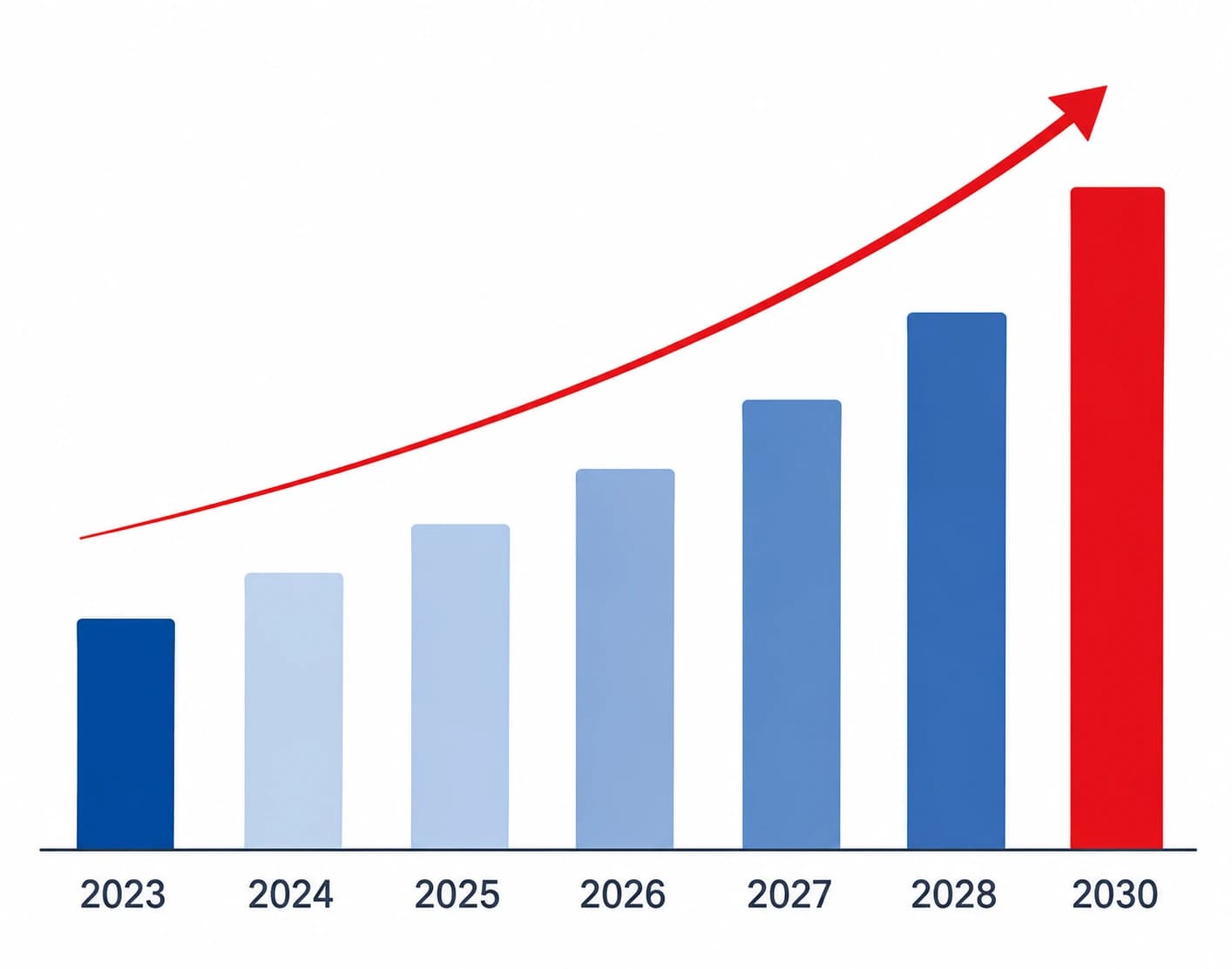
The global Super Glue market was valued at US$ 1860 million in 2025 and is anticipated to reach US$ 2653 million by 2032, at a CAGR of 5.0% from 2026 to 2032.
The 2025 U.S. tariff policies introduce profound uncertainty into the global economic landscape. This report critically examines the implications of recent tariff adjustments and international strategic countermeasures on Super Glue competitive dynamics, regional economic interdependencies, and supply chain reconfigurations.
Super Glue is a one-component, fast-curing adhesive primarily composed of cyanoacrylate. Its core working mechanism involves rapidly initiating a polymerization reaction upon contact with trace moisture in the air, achieving strong bonding within seconds. Super Glue can be differentiated by its chemical composition into various types such as methyl, ethyl, and alkoxyethyl. Among these, the ethyl type is the most common, while the alkoxyethyl type, possessing higher flexibility and impact resistance, is widely used in the automotive and consumer goods sectors. In terms of product form, Super Glue encompasses a variety of specifications including low-viscosity liquid, medium-viscosity general-purpose adhesive, and high-viscosity gel, catering to different material types and application scenarios. With the continuous advancement of materials science, Super Glue has evolved from a household repair tool into an indispensable high-performance industrial material in fields such as automotive manufacturing, electronics assembly, medical devices, and aerospace. Leveraging its core advantages of instant bonding, ease of use, and broad applicability, the product has now become a standard configuration in both modern manufacturing and daily consumption.
Market Development Opportunities and Key Drivers
Modern automotive engineering requires advanced adhesive technologies to reduce vehicle weight and enhance structural strength. Cyanoacrylate adhesives, characterized by their rapid curing and extremely high bonding strength, play a critical role in increasing production line speed and ensuring long-term durability. The trend towards miniaturization of electronic components creates sustained growth opportunities for Super Glue, as precise bonding methods are key to ensuring the reliability of micro-components, driving the penetration of high-value-added customized adhesives in precision manufacturing. The expanding application in the medical device sector represents another significant growth pole. The complexity of modern medical devices and the stringent requirements for biocompatibility are fueling continued demand for reliable, certified medical-grade Super Glue. Breakthroughs in formulations featuring low odor and low blooming have effectively addressed the limitations of traditional products in enclosed spaces and appearance-sensitive scenarios.
Market Challenges and Risks
The unpredictable prices of key petrochemical raw materials pose challenges to the financial forecasting and profit margin stability of adhesive manufacturers. Uncertainties in international trade policies introduce risks of rising costs for manufacturers dependent on cross-border supply chains, where tariff adjustments may affect the procurement stability of precursor chemicals and packaging systems. Stricter environmental regulations are driving the industry's transition towards low-volatile organic compound formulations, which, while beneficial for the long-term health of the sector, increases research and development investments and compliance costs in the short term. The entrenched mindset in the industrial sector that favors traditional mechanical fastening over adhesive bonding still requires continuous technical validation and efficiency comparisons to overcome, in order to increase the penetration of Super Glue in the manufacturing of critical structural components.
The manufacturing sector continues to constitute the most core application scenario for Super Glue. High-speed assembly lines for precision components have a strong demand for instant-curing bonding solutions. Benefiting from the recovery in global production and sales volumes and the widespread adoption of multi-material mixed body designs, the automotive industry shows significant growth in demand for specialized Super Glue capable of achieving dissimilar bonding of plastics, metals, and composites. Driven by device miniaturization, the proliferation of wearable devices, and the iteration of 5G terminals, the electronics and electrical industry maintains robust purchasing activity for Super Glue products featuring high-precision application characteristics and excellent insulating properties. The medical field is seeing increasingly widespread use of medical-grade Super Glue in wound closure, tissue adhesion, and the assembly of single-use medical devices.
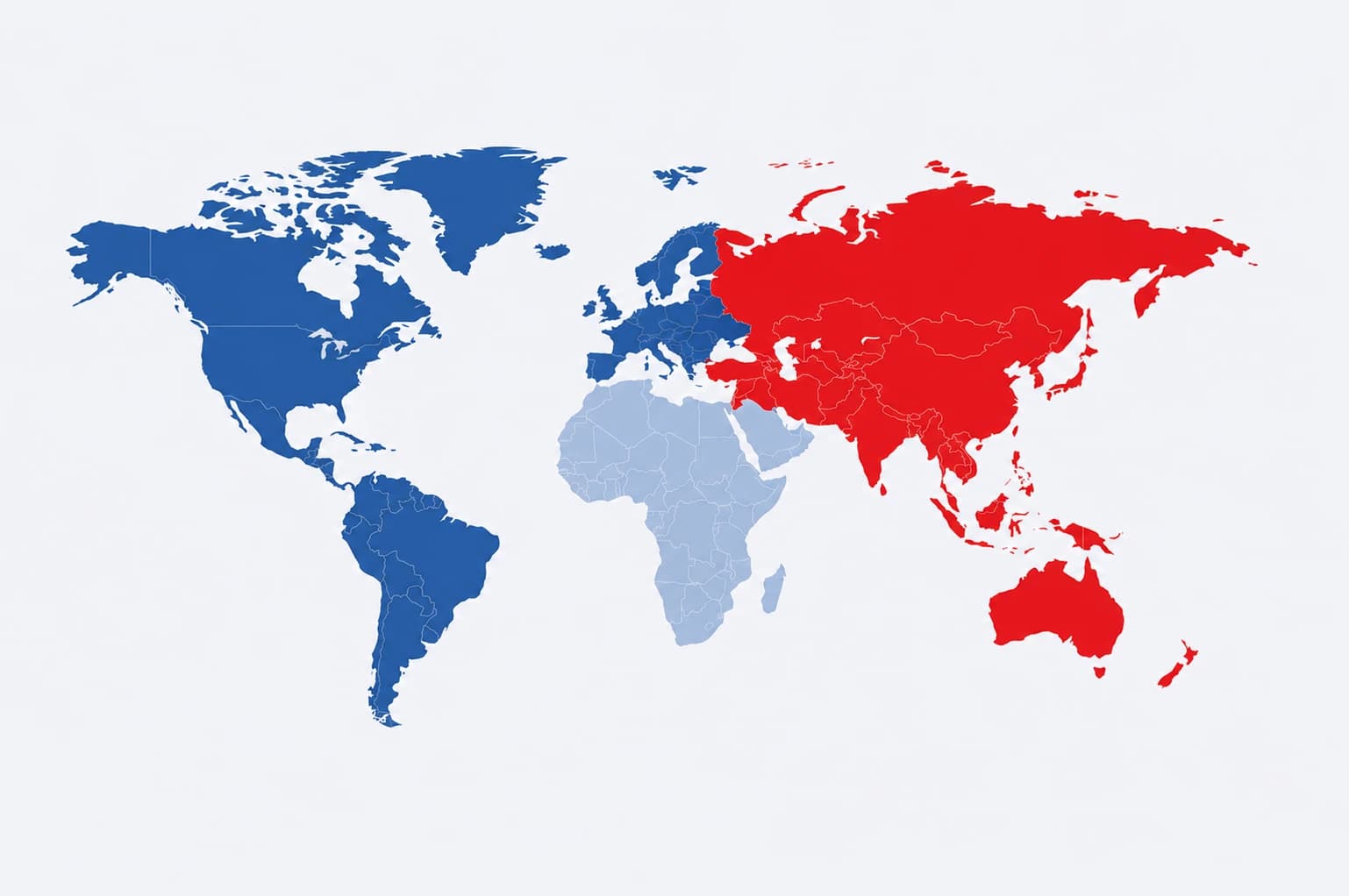
The Asia-Pacific region exhibits the most dynamic market growth trend. Its vast manufacturing base, continuously expanding electronics industry cluster, and rapidly rising automotive production hub make it the core engine for global Super Glue demand growth. Benefiting from industrial upgrading and improved consumption quality, the Chinese market shows particularly strong demand for high-performance Super Glue in areas such as consumer electronics assembly, new energy vehicle manufacturing, and infrastructure construction. Leveraging its mature industrial system and stringent quality standards, the North American market holds a key position in the global Super Glue demand landscape, demonstrating strong procurement capability for high-end specialty adhesives used in medical and aerospace applications. The European market has deep accumulated expertise in automotive manufacturing and precision machinery, leading the world in the acceptance and application maturity of environmentally friendly, low-odor Super Glue formulations, with strict environmental regulations continuously driving product iteration towards more sustainable solutions.
This report delivers a comprehensive overview of the global Super Glue market, with both quantitative and qualitative analyses, to help readers develop growth strategies, assess the competitive landscape, evaluate their position in the current market, and make informed business decisions regarding Super Glue. The Super Glue market size, estimates, and forecasts are provided in terms of output/shipments (Units) and revenue (US$ millions), with 2025 as the base year and historical and forecast data for 2021–2032.
The report segments the global Super Glue market comprehensively. Regional market sizes by Type, by Application, by Chemical Composition, and by company are also provided. For deeper insight, the report profiles the competitive landscape, key competitors, and their respective market rankings, and discusses technological trends and new product developments.
This report will assist Super Glue manufacturers, new entrants, and companies across the industry value chain with information on revenues, production, and average prices for the overall market and its sub-segments, by company, by Type, by Application, and by region.
Chapter 1: Defines the scope of the report and presents an executive summary of market segments (by Type, by Application, by Chemical Composition, etc.), including the size of each segment and its future growth potential. It offers a high-level view of the current market and its likely evolution in the short, medium, and long term.
Chapter 2: Provides a detailed analysis of the competitive landscape for Super Glue manufacturers, including prices, production, value-based market shares, latest development plans, and information on mergers and acquisitions.
Chapter 3: Examines Super Glue production/output and value by region and country, providing a quantitative assessment of market size and growth potential for each region over the next six years.
Chapter 4: Analyzes Super Glue consumption at the regional and country levels. It quantifies market size and growth potential for each region and its key countries, and outlines market development, outlook, addressable space, and national production.
Chapter 5: Analyzes market segments by Type, covering the size and growth potential of each segment to help readers identify “blue ocean” opportunities.
Chapter 6: Analyzes market segments by Application, covering the size and growth potential of each segment to help readers identify “blue ocean” opportunities in downstream markets.
Chapter 7: Profiles key players, detailing the fundamentals of major companies, including product production/output, value, price, gross margin, product portfolio/introductions, and recent developments.
Chapter 8: Reviews the industry value chain, including upstream and downstream segments.
Chapter 9: Discusses market dynamics and recent developments, including drivers, restraints, challenges and risks for manufacturers, U.S. Tariffs and relevant policy analysis.
Chapter 10: Summarizes the key findings and conclusions of the report.
- ★ What Is The Overall Market Size And Projected Growth Rate Across Global And Regional Segments?
- ★ How Does The Market Size And Growth Outlook Vary Across Major Countries?
- ★ Which Region Or Market Sub-Segment Is Anticipated To Dominate Growth During The Forecast Period?
- ★ What Are The Primary Factors Expected To Drive Market Expansion, And What Challenges May Restrain Growth?
- ★ Which Emerging Technologies And Market Trends Are Shaping The Future Landscape?
- ★ What Are The Most Significant Opportunities Available In The Market?
- ★ Who Are The Leading Manufacturers Actively Participating In The Global Market?
- ★ Which Company Currently Holds The Largest Share Of The Market?
- ★ What Are The Potential Growth Avenues For New Entrants In The Global Market?