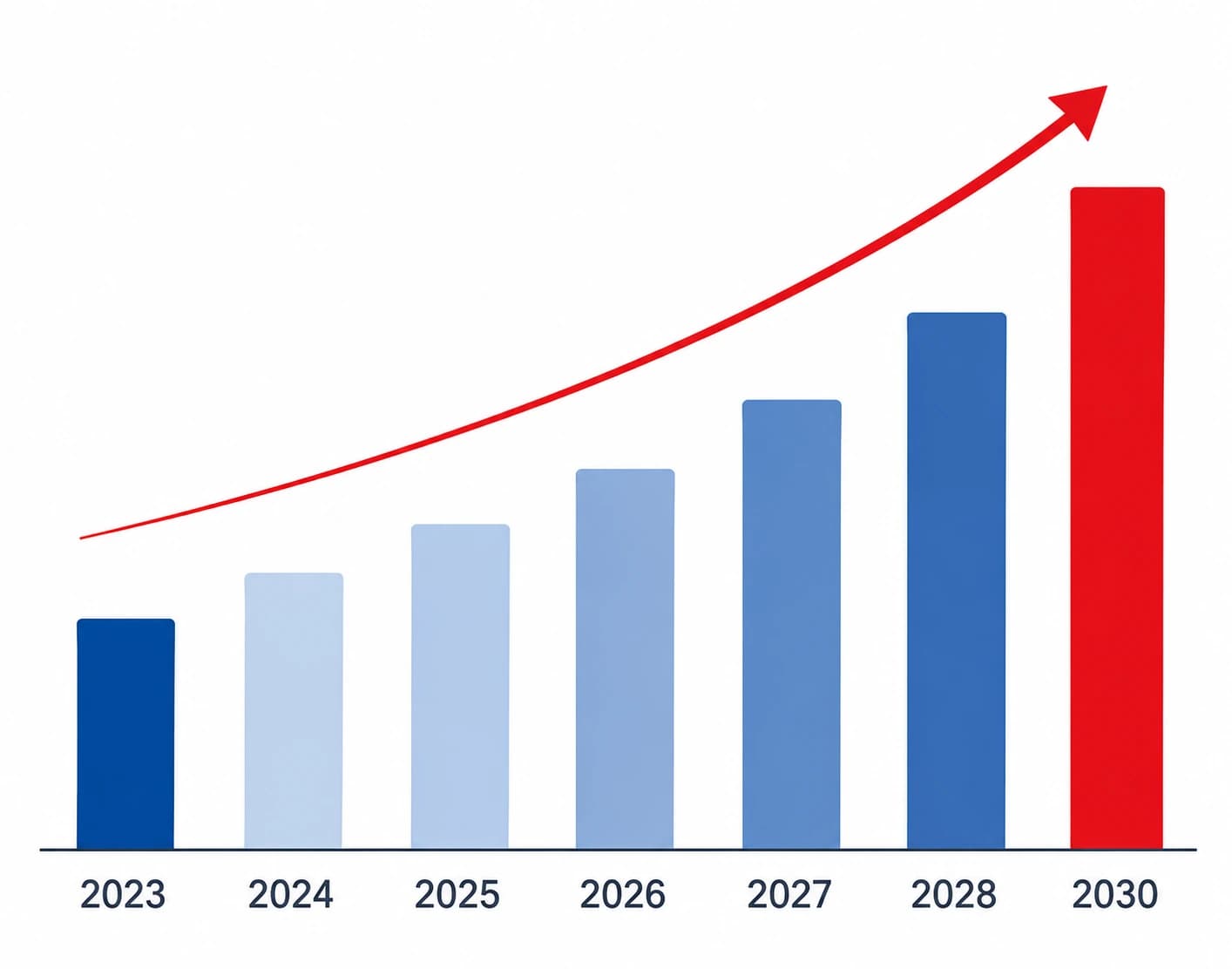
The global Diabetic Retinopathy Drugs market was valued at US$ million in 2025 and is anticipated to reach US$ million by 2032, witnessing a CAGR of %during the forecast period 2026-2032.
Diabetic retinopathy is an ophthalmic disorder, in which blindness occurrs due to complications in diabetes.
Market Opportunities and Drivers : How Are Label Expansions, Extended Dosing Intervals, and Ecosystem Competition Reshaping the Value Curve?
Policy shifts and clinical evidence are driving treatment paradigms for Diabetic Retinopathy Drugs from “high-frequency injections” toward “sustained long-interval maintenance.” Eylea HD 8 mg received FDA approval in the U.S. for wAMD, DME, and DR, confirming the feasibility of a high-dose, extended-interval strategy. Shortly afterward, the EU approved Eylea 8 mg with dosing intervals of up to six months, signaling regulatory support for reducing injection frequency. Vabysmo PFS was approved in the U.S., simplifying compounding and aseptic procedures while improving workflow standardization. Meanwhile, the U.S. authorized the first interchangeable Eylea biosimilar, introducing structural competition in reimbursement and distribution channels. Originators are responding through high-dose, extended-interval formulations and PFS innovations. Persistent challenges include ongoing communication on immune and inflammatory safety signals (e.g., Beovu label updates), strict control of aseptic fill-finish and cold-chain stability, and cross-jurisdictional variability in equivalence and interchangeability standards.
Industry and Supply Chain :From Antibodies to Ophthalmic Care, Who Shapes Accessibility and Delivery Quality?
Upstream activities focus on recombinant antibody/fusion protein production, prefilled syringe (PFS) components (medical-grade glass and elastomers), aseptic fill-finish, and cold-chain logistics. The midstream emphasizes scale-up, stability and sterility validation, and injection-system integration. Downstream, retina specialists and large hospitals perform intravitreal injections while connecting to insurance and patient-assistance programs. Responsibilities among key players are well-defined: Regeneron serves as the U.S. MAH and manufacturer for Eylea/Eylea HD, continuing to submit supplemental filings; Bayer holds MAH and commercialization rights outside the U.S., while manufacturing is performed by Regeneron under compensation agreements; Roche/Genentech has built a dual VEGF/Ang-2 pathway ecosystem around Vabysmo, now FDA-cleared in PFS format; AbbVie (formerly Allergan) continues to operate Ozurdex, a corticosteroid implant for DME, offering a complementary mechanism of action.
Chapter 1: Introduces the report scope of the report, executive summary of different market segments (by region, product type, application, etc), including the market size of each market segment, future development potential, and so on. It offers a high-level view of the current state of the market and its likely evolution in the short to mid-term, and long term.
Chapter 2: key insights, key emerging trends, etc.
Chapter 3: Manufacturers competitive analysis, detailed analysis of Diabetic Retinopathy Drugs manufacturers competitive landscape, price, sales and revenue market share, latest development plan, merger, and acquisition information, etc.
Chapter 4: Provides profiles of key players, introducing the basic situation of the main companies in the market in detail, including product sales, revenue, price, gross margin, product introduction, recent development, etc.
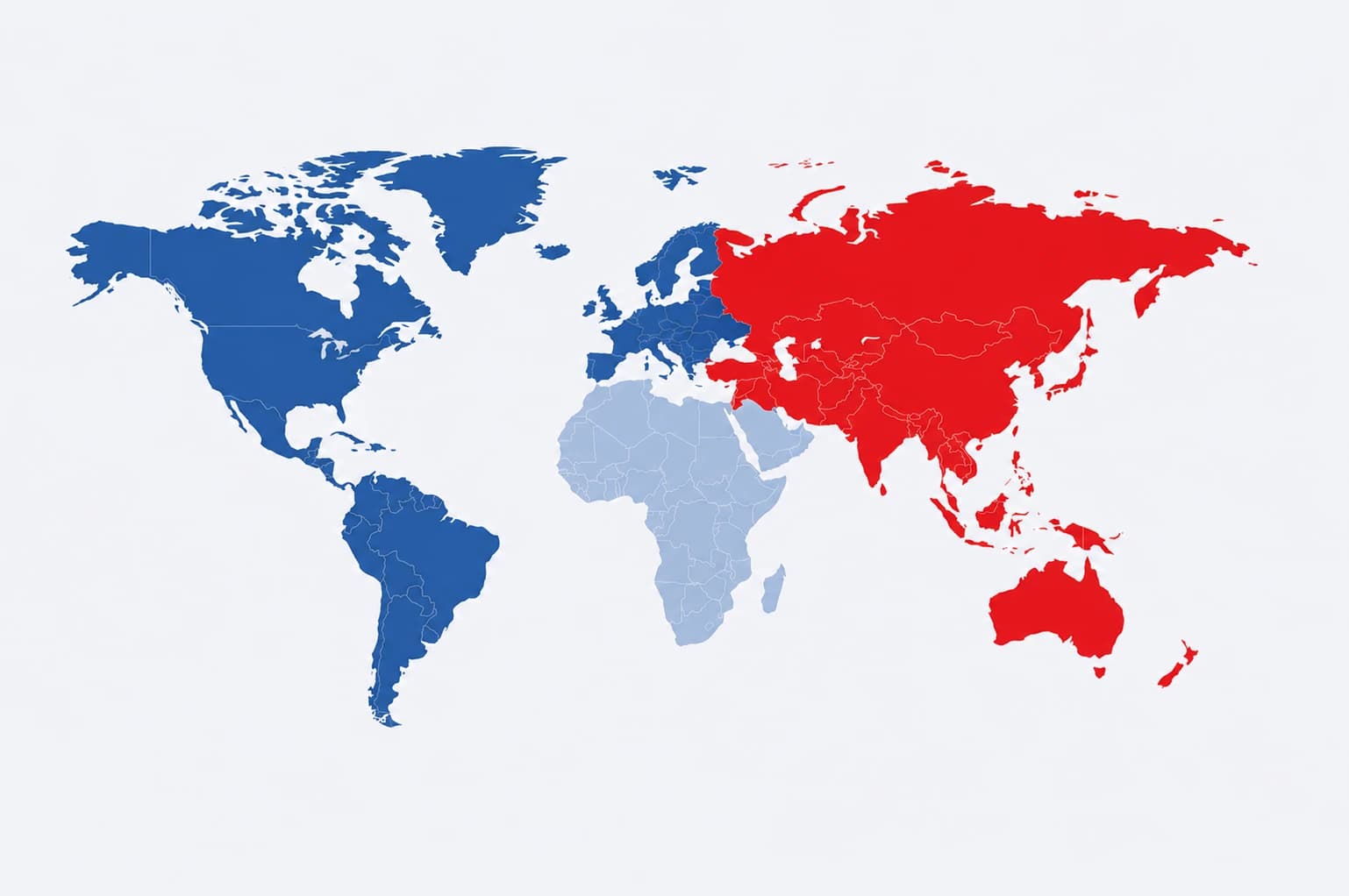
Chapter 5 & 6: Sales, revenue of Diabetic Retinopathy Drugs in regional level and country level. It provides a quantitative analysis of the market size and development potential of each region and its main countries and introduces the market development, future development prospects, market space, and market size of each country in the world.
Chapter 7: Provides the analysis of various market segments by Type, covering the market size and development potential of each market segment, to help readers find the blue ocean market in different market segments.
Chapter 8: Provides the analysis of various market segments by Application, covering the market size and development potential of each market segment, to help readers find the blue ocean market in different downstream markets.
Chapter 9: Analysis of industrial chain, including the upstream and downstream of the industry.
Chapter 10: The main points and conclusions of the report.
- ★ What Is The Overall Market Size And Projected Growth Rate Across Global And Regional Segments?
- ★ How Does The Market Size And Growth Outlook Vary Across Major Countries?
- ★ Which Region Or Market Sub-Segment Is Anticipated To Dominate Growth During The Forecast Period?
- ★ What Are The Primary Factors Expected To Drive Market Expansion, And What Challenges May Restrain Growth?
- ★ Which Emerging Technologies And Market Trends Are Shaping The Future Landscape?
- ★ What Are The Most Significant Opportunities Available In The Market?
- ★ Who Are The Leading Manufacturers Actively Participating In The Global Market?
- ★ Which Company Currently Holds The Largest Share Of The Market?
- ★ What Are The Potential Growth Avenues For New Entrants In The Global Market?