Monoclonal antibodies (MABs) are a type of targeted drug therapy. These drugs recognise and find specific proteins on cancer cells. There are many different MABs to treat cancer. They work in different ways to kill the cancer cell or stop it from growing.
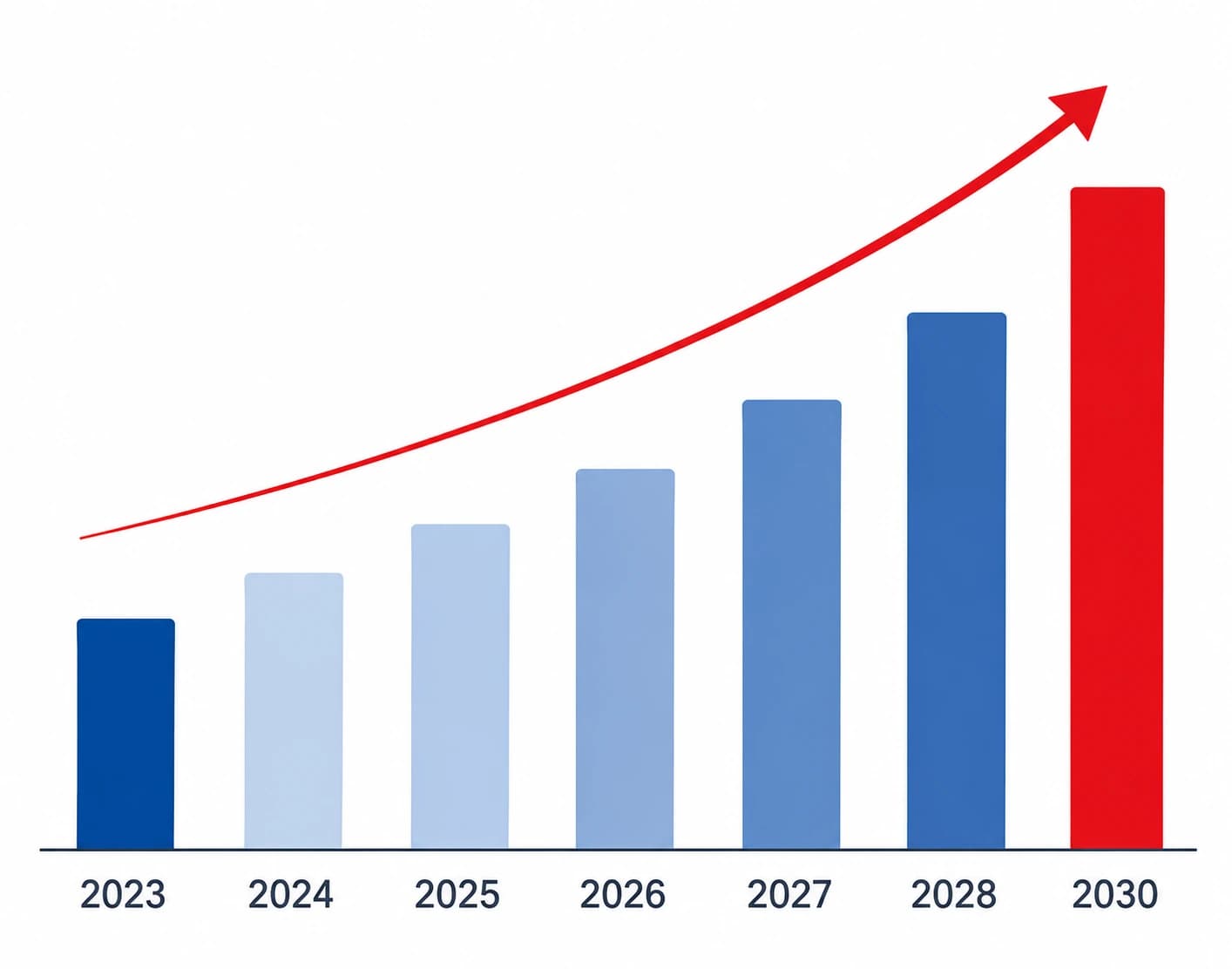
The global Monoclonal Antibody Drugs for Cancer market was valued at US$ 95880 million in 2023 and is anticipated to reach US$ 168390 million by 2030, witnessing a CAGR of 8.5% during the forecast period 2024-2030.
The Therapeutic Antibodies Drug Market is driven by the remarkable potential of therapeutic antibodies to treat a diverse array of diseases, from cancer and autoimmune disorders to infectious diseases. Monoclonal antibodies have gained prominence as highly targeted and effective therapeutic agents that can modulate the immune system, neutralize pathogens, and inhibit disease-associated proteins. As precision medicine and biopharmaceutical innovations continue to advance, the demand for therapeutic antibodies grows. Innovations in antibody design, engineering, and manufacturing technologies further contribute to market expansion. Nevertheless, a significant challenge for this market is the need to address high production costs, optimize therapeutic antibody development processes, and navigate complex regulatory pathways while ensuring accessibility and affordability for patients. Overcoming manufacturing complexities, managing research and development costs, and addressing regulatory standards are ongoing challenges. Additionally, the market faces competition from small molecules and other biologic therapies, necessitating continuous research and development efforts to unlock the full therapeutic potential of therapeutic antibodies. Striking a balance between providing safe, effective, and accessible therapeutic antibody drugs while addressing scientific and regulatory challenges is essential for the continued growth of the Therapeutic Antibodies Drug Market.
This report aims to provide a comprehensive presentation of the global market for Monoclonal Antibody Drugs for Cancer, with both quantitative and qualitative analysis, to help readers develop business/growth strategies, assess the market competitive situation, analyze their position in the current marketplace, and make informed business decisions regarding Monoclonal Antibody Drugs for Cancer.
The Monoclonal Antibody Drugs for Cancer market size, estimations, and forecasts are provided in terms of revenue ($ millions), considering 2023 as the base year, with history and forecast data for the period from 2019 to 2030. This report segments the global Monoclonal Antibody Drugs for Cancer market comprehensively. Regional market sizes, concerning products by Type, by Application, and by players, are also provided.
For a more in-depth understanding of the market, the report provides profiles of the competitive landscape, key competitors, and their respective market ranks. The report also discusses technological trends and new product developments.
The report will help the Monoclonal Antibody Drugs for Cancer manufacturers, new entrants, and industry chain related companies in this market with information on the revenues for the overall market and the sub-segments across the different segments, by company, by Type, by Application, and by regions.
Chapter 1: Introduces the report scope of the report, executive summary of different market segments (by region, product type, application, etc), including the market size of each market segment, future development potential, and so on. It offers a high-level view of the current state of the market and its likely evolution in the short to mid-term, and long term.
Chapter 2: key insights, key emerging trends, etc.
Chapter 3: Manufacturers competitive analysis, detailed analysis of Monoclonal Antibody Drugs for Cancer manufacturers competitive landscape, revenue market share, latest development plan, merger, and acquisition information, etc.
Chapter 4: Provides profiles of key players, introducing the basic situation of the main companies in the market in detail, including product revenue, gross margin, product introduction, recent development, etc.
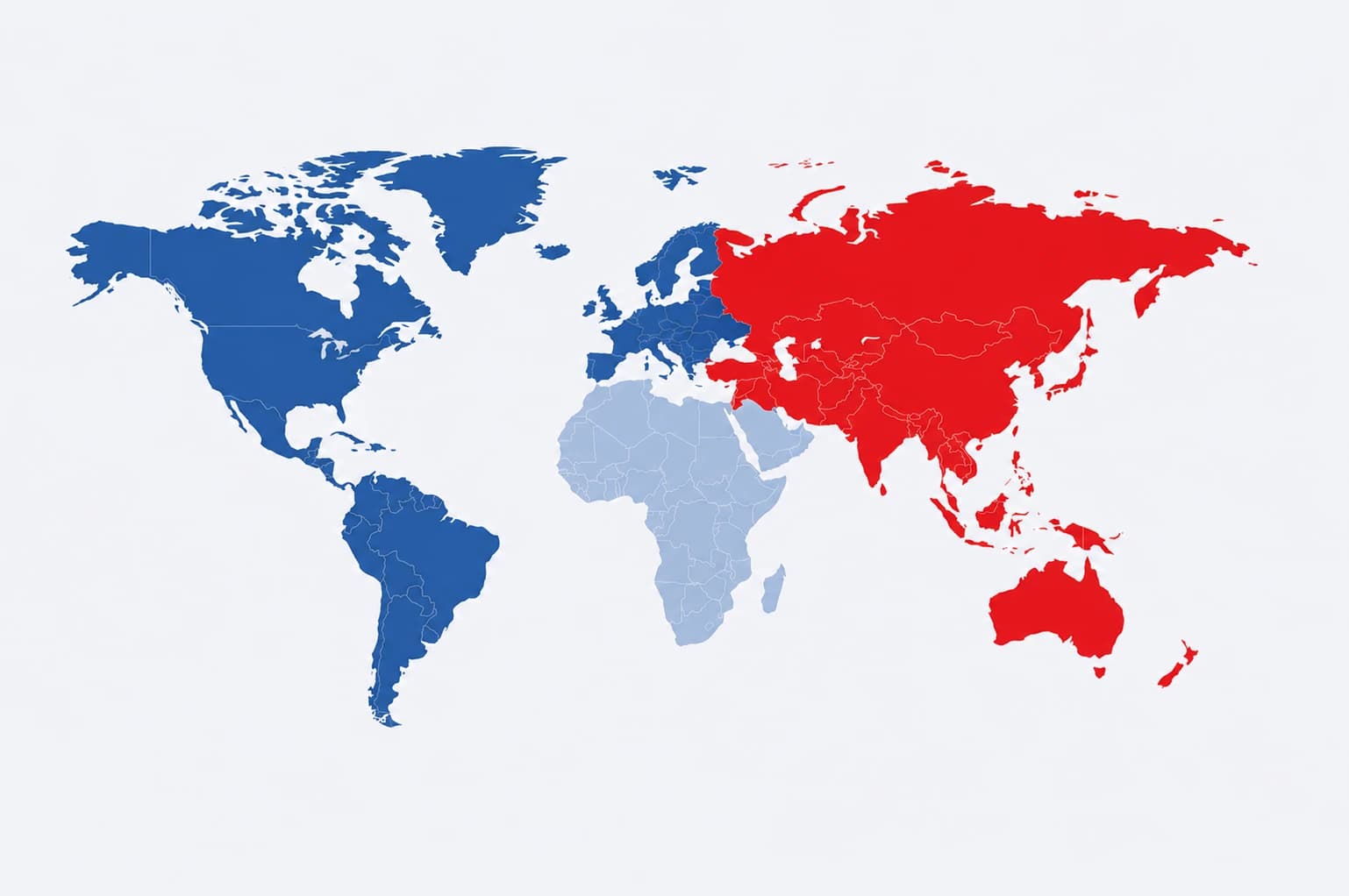
Chapter 5 & 6: Revenue of Monoclonal Antibody Drugs for Cancer in regional level and country level. It provides a quantitative analysis of the market size and development potential of each region and its main countries and introduces the market development, future development prospects, market space, and market size of each country in the world.
Chapter 7: Provides the analysis of various market segments by Type, covering the market size and development potential of each market segment, to help readers find the blue ocean market in different market segments.
Chapter 8: Provides the analysis of various market segments by Application, covering the market size and development potential of each market segment, to help readers find the blue ocean market in different downstream markets.
Chapter 9: Analysis of industrial chain, including the upstream and downstream of the industry.
Chapter 10: The main points and conclusions of the report.
- ★ What Is The Overall Market Size And Projected Growth Rate Across Global And Regional Segments?
- ★ How Does The Market Size And Growth Outlook Vary Across Major Countries?
- ★ Which Region Or Market Sub-Segment Is Anticipated To Dominate Growth During The Forecast Period?
- ★ What Are The Primary Factors Expected To Drive Market Expansion, And What Challenges May Restrain Growth?
- ★ Which Emerging Technologies And Market Trends Are Shaping The Future Landscape?
- ★ What Are The Most Significant Opportunities Available In The Market?
- ★ Who Are The Leading Manufacturers Actively Participating In The Global Market?
- ★ Which Company Currently Holds The Largest Share Of The Market?
- ★ What Are The Potential Growth Avenues For New Entrants In The Global Market?