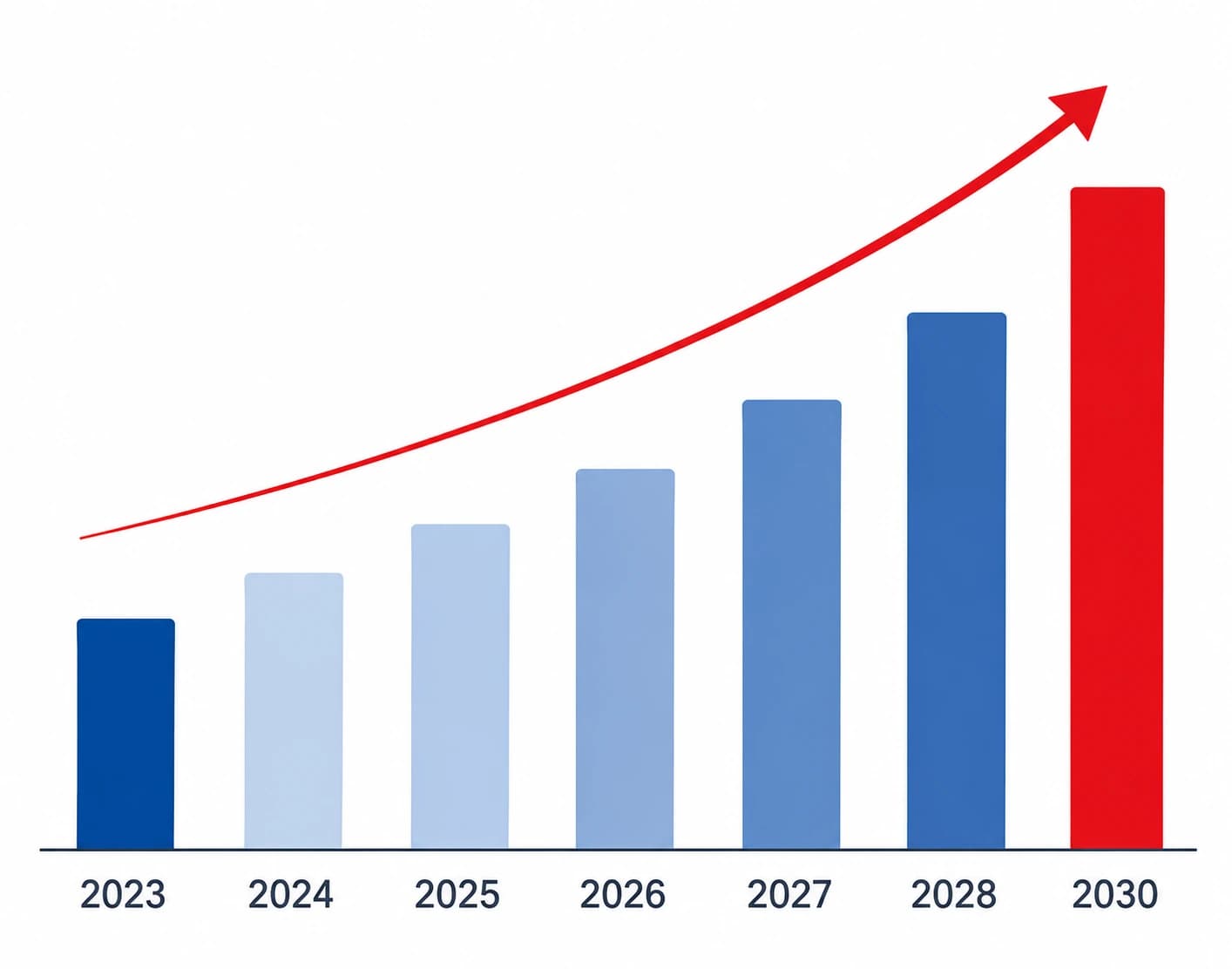
The global Age Related Macular Degeneration Drug market was valued at US$ 9116 million in 2025 and is anticipated to reach US$ 13540 million by 2032, witnessing a CAGR of 5.9% during the forecast period 2026-2032.
Age Related Macular Degeneration Drugs (AMD drugs) are therapeutic solutions developed to address vision loss or blurriness caused by degeneration in the macular region among the elderly. These drugs primarily act through mechanisms such as inhibiting abnormal blood vessel formation, antioxidant protection, inflammation modulation, or improvement of retinal cell metabolism to slow down or reverse the progression of macular degeneration. With the acceleration of population aging and growing awareness of eye health, AMD drugs hold significant clinical value and have become a key focus in ophthalmic drug development and market strategy.In 2024, global Age Related Macular Degeneration Drugs production reached approximately 7.87 million units, with an average global market price of around US$ 1100 perunit.The average gross profit margin of this product is 85%.
The AMD drug market is facing multiple development opportunities. Firstly, the continuous growth of the aging population globally expands the patient base, providing long-term demand support. Secondly, advances in ophthalmic medical technology and improved early diagnostic capabilities facilitate earlier intervention, driving drug usage frequency and market penetration. Additionally, increased public health awareness, the popularization of vision protection concepts, and expanded insurance coverage create new growth drivers for the AMD drug market. Finally, innovation by multinational pharmaceutical companies and local R&D institutions in biopharmaceutical technologies, targeted therapies, and gene therapy accelerates technological support and diversification of products in the market.
Despite significant market potential, AMD drug development faces challenges and risks. Long R&D cycles, high investment costs, and complex clinical trials prolong the time to market for new drugs. Uncertainty in drug efficacy and safety, including potential resistance or adverse reactions in some patients, increases clinical application difficulty. Stricter regulatory policies and differences in drug approval processes across countries may also constrain market expansion. Moreover, competition from generics and pricing pressures pose commercialization risks for high-end innovative drugs.
Downstream demand for AMD drugs shows diversified trends. With an increasing aging population and the popularization of chronic eye disease management concepts, patient demand for early intervention and long-term treatment continues to grow. The rise of ophthalmic specialty hospitals, community healthcare centers, and telemedicine platforms has also expanded drug prescription channels. Patients’ preference for personalized and targeted treatment options drives demand for innovative drugs and combination therapies. Furthermore, with optimized insurance policies and improved social security systems, downstream market affordability and accessibility steadily increase, supporting continued penetration of AMD drugs.
The upstream raw materials for AMD drugs mainly include biopharmaceutical agents, anti-VEGF molecules, protein engineering materials, and small molecule chemical precursors. The stability of raw material supply directly affects drug production and cost control, especially given the high manufacturing complexity of high-purity proteins and bioactive components. Upstream factors such as production technology levels, supply chain diversity, and international trade policies significantly influence drug R&D and manufacturing efficiency. With the improvement of the biopharmaceutical industry chain, standardization and quality control of raw materials have gradually increased, providing support for the reliable supply of AMD drugs.
This report aims to provide a comprehensive presentation of the global market for Age Related Macular Degeneration Drug, with both quantitative and qualitative analysis, to help readers develop business/growth strategies, assess the market competitive situation, analyze their position in the current marketplace, and make informed business decisions regarding Age Related Macular Degeneration Drug.
The Age Related Macular Degeneration Drug market size, estimations, and forecasts are provided in terms of sales quantity (K Dose) and revenue ($ millions), considering 2025 as the base year, with history and forecast data for the period from 2021 to 2032. This report segments the global Age Related Macular Degeneration Drug market comprehensively. Regional market sizes, concerning products by Type, by Application, and by players, are also provided.
For a more in-depth understanding of the market, the report provides profiles of the competitive landscape, key competitors, and their respective market ranks. The report also discusses technological trends and new product developments.
The report will help the Age Related Macular Degeneration Drug manufacturers, new entrants, and industry chain related companies in this market with information on the revenues, sales, and average price for the overall market and the sub-segments across the different segments, by company, by Type, by Application, and by regions.
Chapter 1: Introduces the report scope of the report, executive summary of different market segments (by region, product type, application, etc), including the market size of each market segment, future development potential, and so on. It offers a high-level view of the current state of the market and its likely evolution in the short to mid-term, and long term.
Chapter 2: key insights, key emerging trends, etc.
Chapter 3: Manufacturers competitive analysis, detailed analysis of Age Related Macular Degeneration Drug manufacturers competitive landscape, price, sales and revenue market share, latest development plan, merger, and acquisition information, etc.
Chapter 4: Provides profiles of key players, introducing the basic situation of the main companies in the market in detail, including product sales, revenue, price, gross margin, product introduction, recent development, etc.
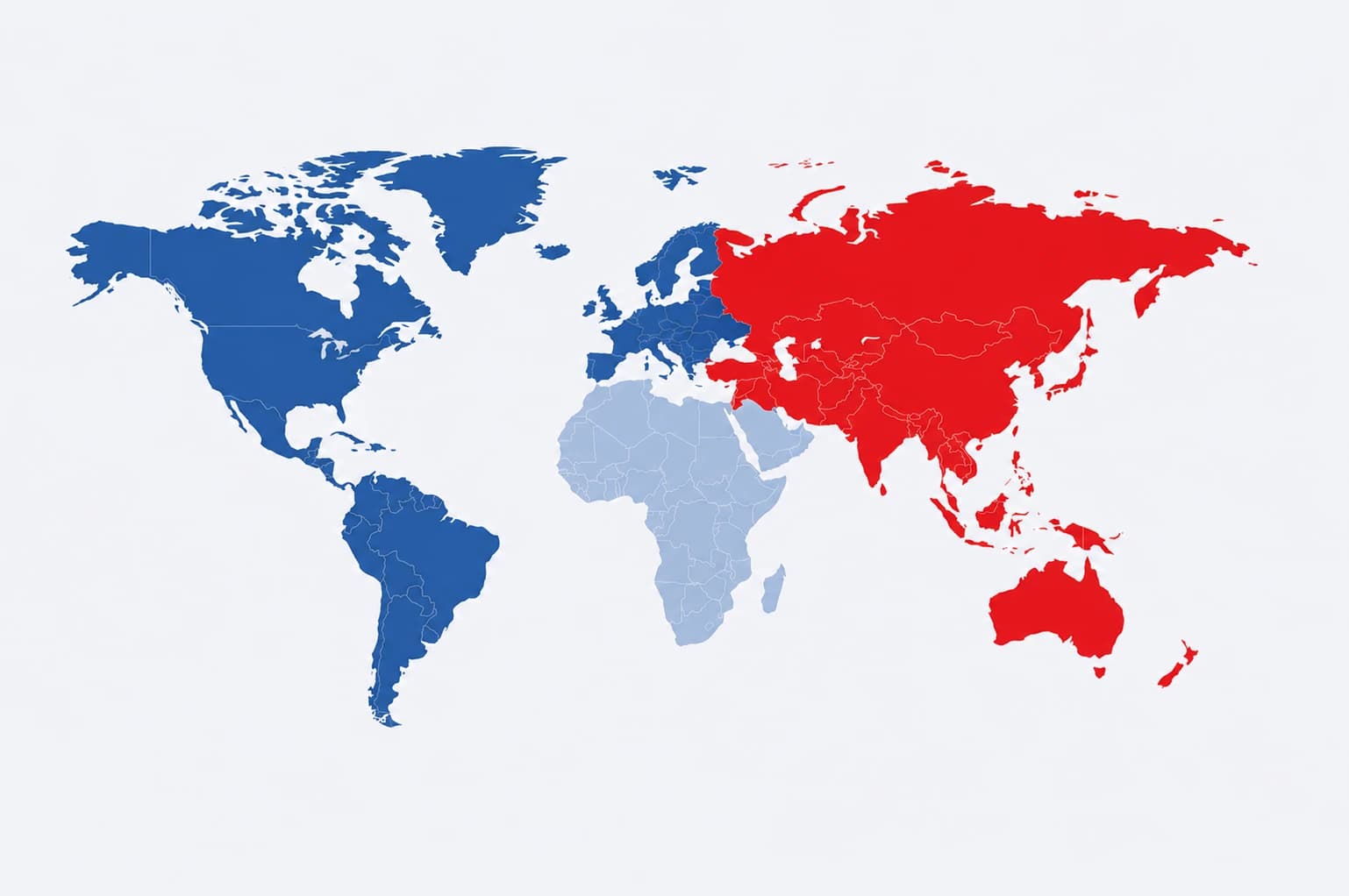
Chapter 5 & 6: Sales, revenue of Age Related Macular Degeneration Drug in regional level and country level. It provides a quantitative analysis of the market size and development potential of each region and its main countries and introduces the market development, future development prospects, market space, and market size of each country in the world.
Chapter 7: Provides the analysis of various market segments by Type, covering the market size and development potential of each market segment, to help readers find the blue ocean market in different market segments.
Chapter 8: Provides the analysis of various market segments by Application, covering the market size and development potential of each market segment, to help readers find the blue ocean market in different downstream markets.
Chapter 9: Analysis of industrial chain, including the upstream and downstream of the industry.
Chapter 10: The main points and conclusions of the report.
- ★ What Is The Overall Market Size And Projected Growth Rate Across Global And Regional Segments?
- ★ How Does The Market Size And Growth Outlook Vary Across Major Countries?
- ★ Which Region Or Market Sub-Segment Is Anticipated To Dominate Growth During The Forecast Period?
- ★ What Are The Primary Factors Expected To Drive Market Expansion, And What Challenges May Restrain Growth?
- ★ Which Emerging Technologies And Market Trends Are Shaping The Future Landscape?
- ★ What Are The Most Significant Opportunities Available In The Market?
- ★ Who Are The Leading Manufacturers Actively Participating In The Global Market?
- ★ Which Company Currently Holds The Largest Share Of The Market?
- ★ What Are The Potential Growth Avenues For New Entrants In The Global Market?