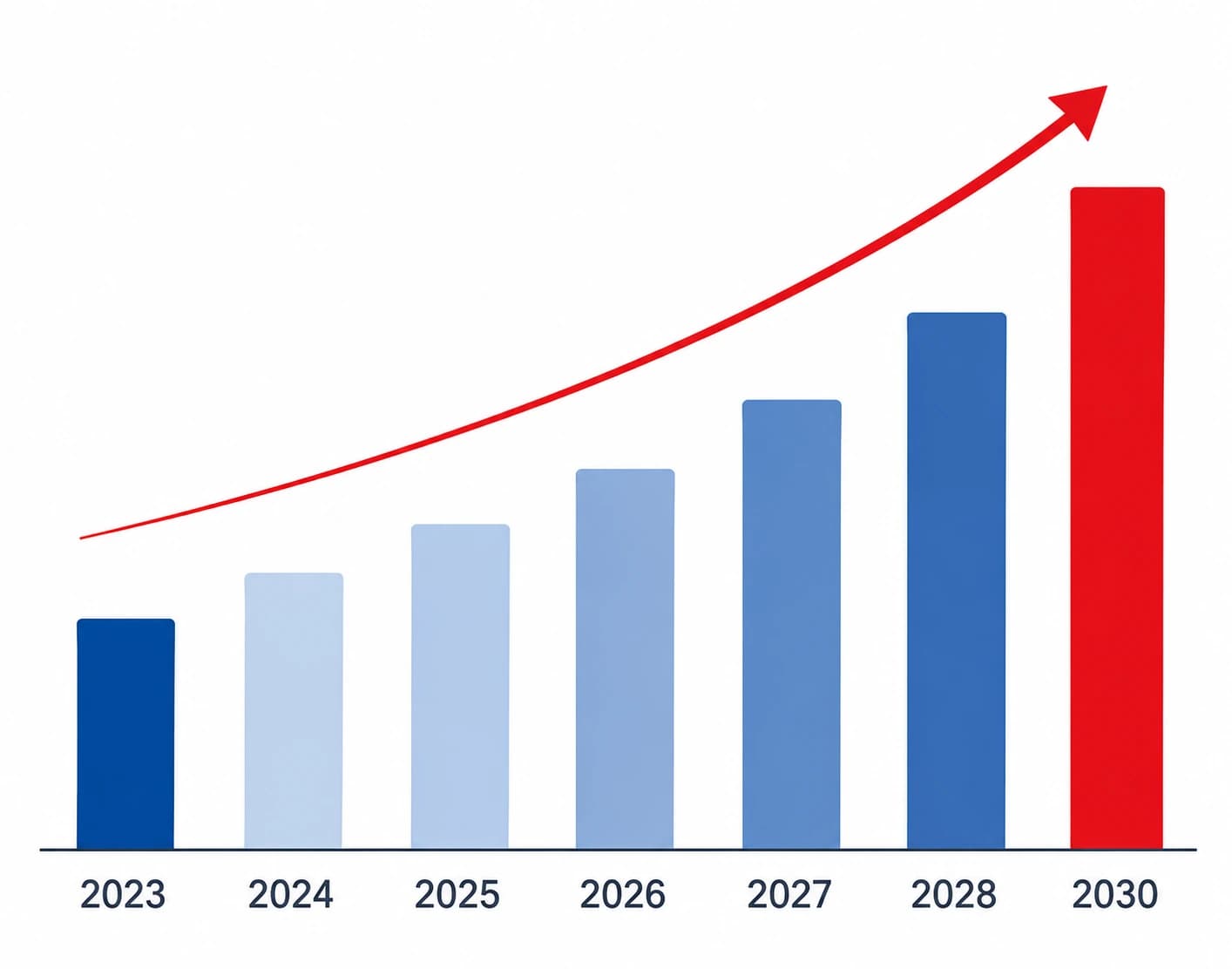
The global Automotive Parts Remanufacturing market was valued at US$ 227320 million in 2025 and is anticipated to reach US$ 360300 million by 2032, witnessing a CAGR of 6.9% during the forecast period 2026-2032.
Automotive parts remanufacturing refers to the professional restoration and refurbishment of used automotive parts to restore them to a state that is close to or equivalent to new parts in terms of performance and functionality. The remanufacturing process typically includes disassembly, cleaning, inspection, repair, replacement of damaged parts, reassembly, and testing. After these processes, the remanufactured parts are suitable for reuse. Unlike simple repairs or refurbishments, remanufacturing uses industrial standards and techniques to ensure that the remanufactured parts meet or exceed the original factory specifications.
Automotive parts remanufacturing covers a wide range of components, from the powertrain to auxiliary systems. Common remanufactured products include, but are not limited to, engines, transmissions, drive shafts, braking systems, steering systems, suspension systems, electrical systems, and air conditioning systems. These remanufactured parts undergo strict quality control to ensure that their performance matches or closely resembles that of new parts, providing similar durability and reliability.
The main features of automotive parts remanufacturing include environmental protection, energy saving, and material conservation. By recycling used parts, it reduces resource waste and significantly lowers the environmental burden of discarded parts, making it a sustainable production method. Additionally, the cost advantage is a key factor driving the growth of the automotive remanufacturing market.
With the rapid growth of the global automotive industry, particularly the increase in vehicle ownership, the demand for automotive parts remanufacturing is also growing quickly. Automotive parts remanufacturing helps reduce repair costs, conserves resources, and has a positive environmental impact. Many countries and regions have implemented policies to support the development of the remanufacturing industry, providing excellent market opportunities. Moreover, the growing demand from consumers for high-quality, low-cost parts is further driving the expansion of the remanufacturing market.
Despite the promising prospects of the automotive parts remanufacturing market, there are certain risks. First, the technical challenges are significant, requiring companies to continuously improve their technical capabilities and quality control. Additionally, fluctuations in raw material supply and pricing could affect the production costs of remanufactured parts. The presence of low-quality remanufactured parts in the market could also reduce consumer confidence and negatively impact the overall health of the industry.
Currently, the global automotive parts remanufacturing market is relatively concentrated, with a few large automotive parts manufacturers and specialized remanufacturers leading the market. These companies possess advanced technologies, robust production systems, and extensive market networks, playing a dominant role in the market competition.
Downstream Demand Trends:
With the increase in vehicle ownership, especially in developing countries and regions, the second-hand car market is expanding, and the demand for automotive repair services continues to grow. Additionally, growing environmental awareness has led to an increase in demand for remanufactured parts. Consumers are increasingly inclined to choose parts that are both eco-friendly and cost-effective, further driving the demand for remanufactured parts.
On the technological front, automotive parts remanufacturing technology continues to advance. The application of 3D printing, artificial intelligence, and robotics has greatly improved production efficiency and part precision. Furthermore, the introduction of intelligent inspection and quality monitoring systems ensures the quality control of remanufactured parts, enhancing consumer trust in the industry.
This report aims to provide a comprehensive presentation of the global market for Automotive Parts Remanufacturing, with both quantitative and qualitative analysis, to help readers develop business/growth strategies, assess the market competitive situation, analyze their position in the current marketplace, and make informed business decisions regarding Automotive Parts Remanufacturing.
The Automotive Parts Remanufacturing market size, estimations, and forecasts are provided in terms of revenue ($ millions), considering 2025 as the base year, with history and forecast data for the period from 2021 to 2032. This report segments the global Automotive Parts Remanufacturing market comprehensively. Regional market sizes, concerning products by Type, by Application, and by players, are also provided.
For a more in-depth understanding of the market, the report provides profiles of the competitive landscape, key competitors, and their respective market ranks. The report also discusses technological trends and new product developments.
The report will help the Automotive Parts Remanufacturing manufacturers, new entrants, and industry chain related companies in this market with information on the revenues for the overall market and the sub-segments across the different segments, by company, by Type, by Application, and by regions.
Chapter 1: Introduces the report scope of the report, executive summary of different market segments (by region, product type, application, etc), including the market size of each market segment, future development potential, and so on. It offers a high-level view of the current state of the market and its likely evolution in the short to mid-term, and long term.
Chapter 2: key insights, key emerging trends, etc.
Chapter 3: Manufacturers competitive analysis, detailed analysis of Automotive Parts Remanufacturing manufacturers competitive landscape, revenue market share, latest development plan, merger, and acquisition information, etc.
Chapter 4: Provides profiles of key players, introducing the basic situation of the main companies in the market in detail, including product revenue, gross margin, product introduction, recent development, etc.
Chapter 5 & 6: Revenue of Automotive Parts Remanufacturing in regional level and country level. It provides a quantitative analysis of the market size and development potential of each region and its main countries and introduces the market development, future development prospects, market space, and market size of each country in the world.
Chapter 7: Provides the analysis of various market segments by Type, covering the market size and development potential of each market segment, to help readers find the blue ocean market in different market segments.
Chapter 8: Provides the analysis of various market segments by Application, covering the market size and development potential of each market segment, to help readers find the blue ocean market in different downstream markets.
Chapter 9: Analysis of industrial chain, including the upstream and downstream of the industry.
Chapter 10: The main points and conclusions of the report.
- ★ What Is The Overall Market Size And Projected Growth Rate Across Global And Regional Segments?
- ★ How Does The Market Size And Growth Outlook Vary Across Major Countries?
- ★ Which Region Or Market Sub-Segment Is Anticipated To Dominate Growth During The Forecast Period?
- ★ What Are The Primary Factors Expected To Drive Market Expansion, And What Challenges May Restrain Growth?
- ★ Which Emerging Technologies And Market Trends Are Shaping The Future Landscape?
- ★ What Are The Most Significant Opportunities Available In The Market?
- ★ Who Are The Leading Manufacturers Actively Participating In The Global Market?
- ★ Which Company Currently Holds The Largest Share Of The Market?
- ★ What Are The Potential Growth Avenues For New Entrants In The Global Market?