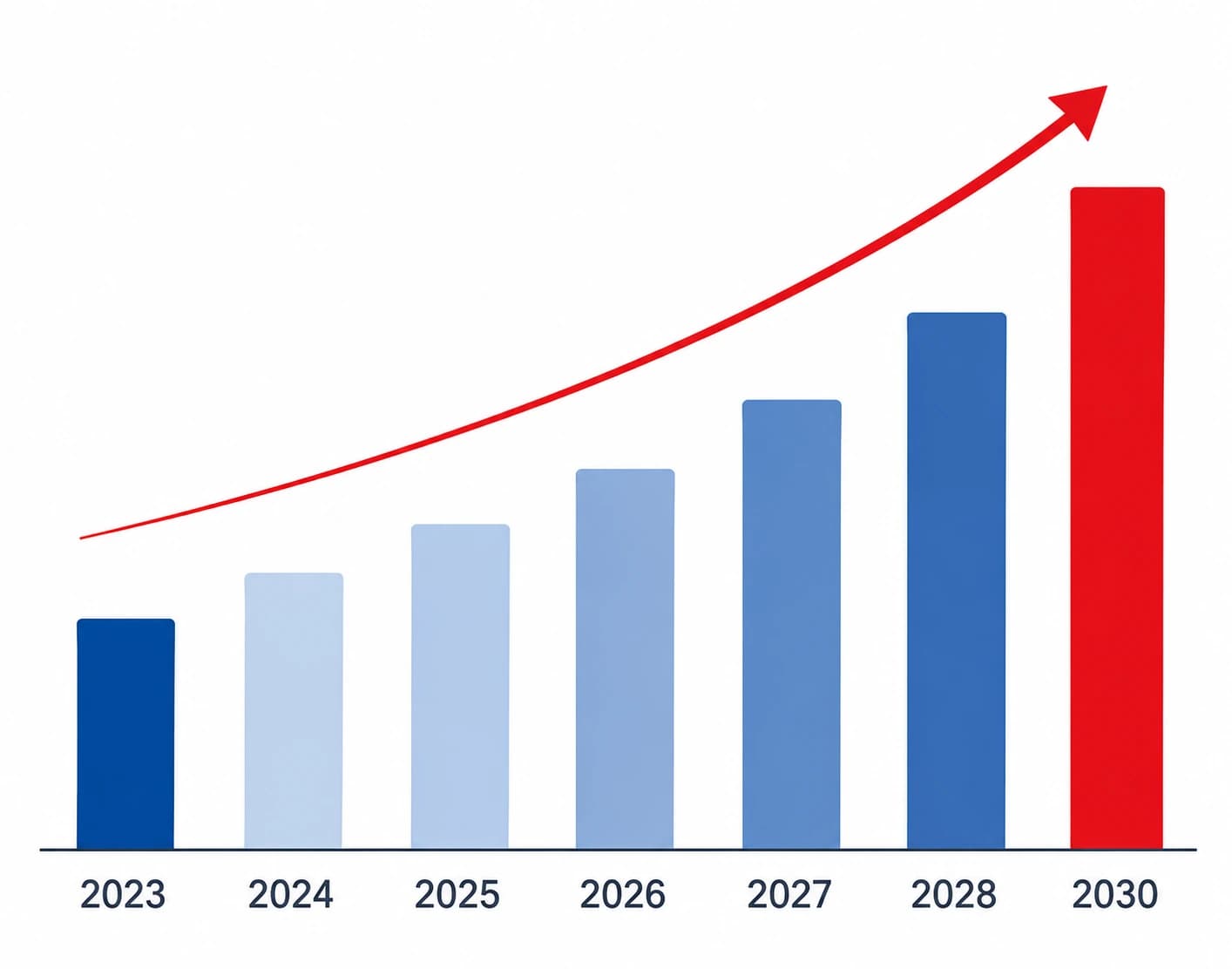
The global Automatic Parking Assist (APA) Solutions market is projected to grow from US$ 2883 million in 2024 to US$ 7789 million by 2031, at a CAGR of 15.3% (2025-2031), driven by critical product segments and diverse end‑use applications.
Automatic Parking Assist (APA) is a driver assistance feature that uses sensors (such as ultrasonic radar and cameras) to perceive the environment and automatically control steering, acceleration, braking, and gear shifting to assist the driver in parking in and out of perpendicular and parallel parking spaces. It is available in two categories: semi-automatic (requiring driver interaction) and fully automated (with driver-independent) modes, significantly improving parking convenience and safety.
From a downstream perspective, Passenger Vehicles accounted for % of 2024 revenue, surging to US$ million by 2031 (CAGR: % from 2025–2031).
Automatic Parking Assist (APA) Solutions leading manufacturers including Bosch, Continental AG, Valeo, ZF Friedrichshafen AG, Aptiv, DENSO, Hyundai Mobis, ZongMu Technology, Motovis, HELLA, etc., dominate supply; the top five capture approximately % of global revenue, with Bosch leading 2024 sales at US$ million.
North America rose from US$ million in 2024 to a forecast US$ million by 2031 (CAGR %).
Asia‑Pacific will expand from US$ million to US$ million (CAGR %), led by China (US$ million in 2024, % share rising to % by 2031), Japan (CAGR %), South Korea (CAGR %), and Southeast Asia (CAGR %).
Europe is set to grow from US$ million to US$ million (CAGR %), with Germany projected to hit US$ million by 2031 (CAGR %).
This definitive report equips business leaders, decision-makers and stakeholders with a 360° view of the global Automatic Parking Assist (APA) Solutions market across value chain. It analyzes historical revenue data (2020–2024) and delivers forecasts through 2031, illuminating demand trends and growth drivers.
By segmenting the market by Type and by Application, the study quantifies market size, growth rates, niche opportunities, and substitution risks, and analyzes downstream customers distribution pattern.
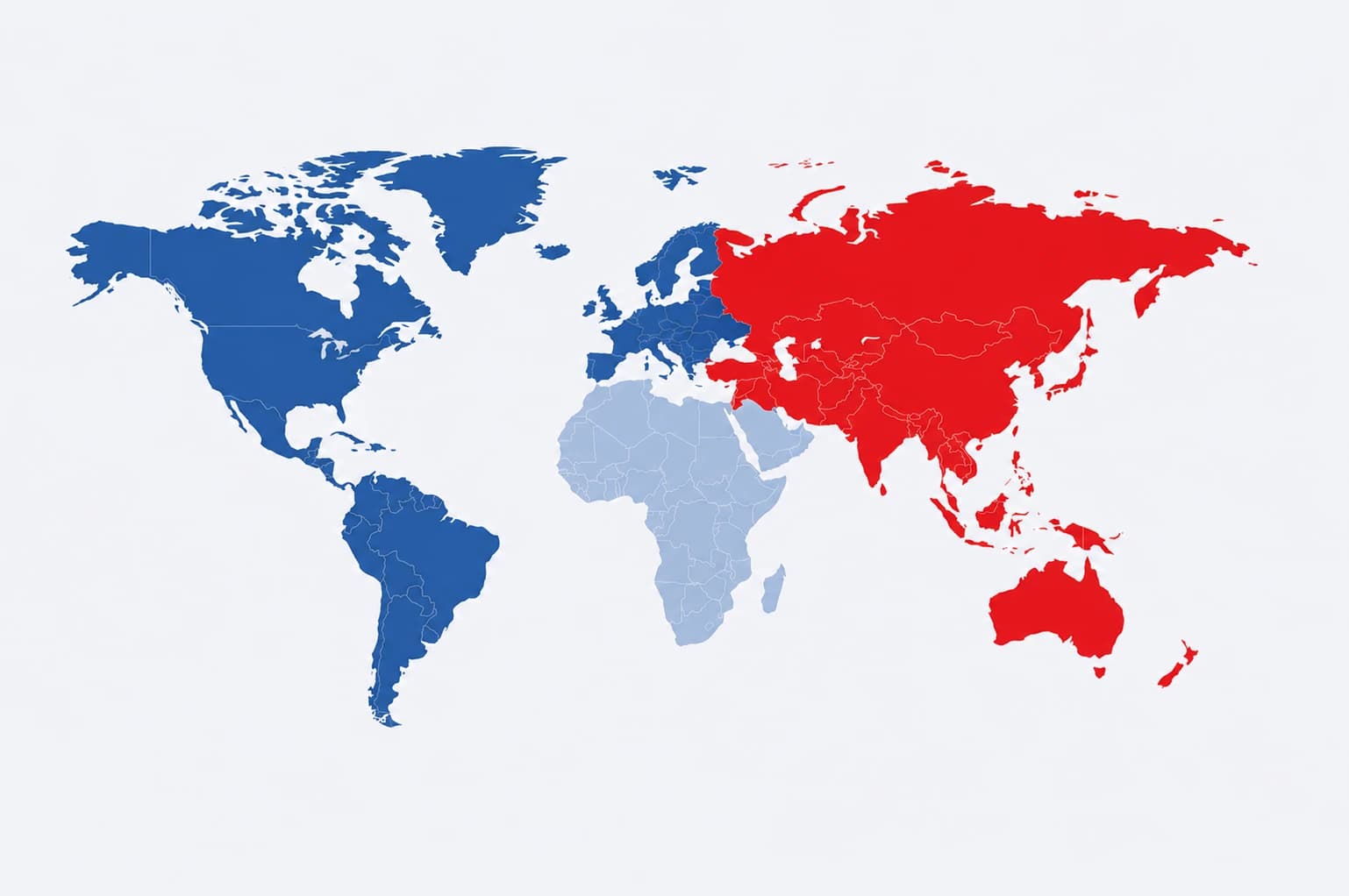
Granular regional insights cover five major markets—North America, Europe, APAC, South America, and MEA—with in‑depth analysis of 20+ countries, detailing dominant products, competitive landscape, and downstream demand trends.
Critical competitive intelligence profiles players—revenue, margins, pricing strategies, and major customers—and dissects the top-player positioning across product lines, applications, and regions to reveal strategic strengths.
A concise Industry‑chain overview maps upstream, middlestream, and downstream distribution dynamics to identify strategic gaps and unmet demand.
Chapter 1: Defines the Automatic Parking Assist (APA) Solutions study scope, segments the market by Type and by Application, etc, highlights segment size and growth potential.
Chapter 2: Offers current market state, projects global revenue and sales to 2031, pinpointing high consumption regions and emerging market catalysts
Chapter 3: Dissects the player landscape—ranks by revenue and profitability, details Player performance by product type and evaluates concentration alongside M&A moves.
Chapter 4: Unlocks high margin product segments—compares revenue, ASP, and technology differentiators, highlighting growth niches and substitution risks
Chapter 5: Targets downstream market opportunities—evaluates market size by Application, identifies emerging use cases, and profiles leading customers by region and by Application.
Chapter 6: North America—breaks down market size by Type, by Application and country, profiles key players and assesses growth drivers and barriers.
Chapter 7: Europe—analyses regional market by Type, by Application and players, flagging drivers and barriers.
Chapter 8: Asia Pacific—quantifies market size by Type, by Application, and region/country, profiles top players, and uncovers high potential expansion areas.
Chapter 9: Central & South America—measures market size by Type, by Application, and country, profiles top players, and identifies investment opportunities and challenges.
Chapter 10: Middle East and Africa—evaluates market size by Type, by Application, and country, profiles key players, and outlines investment prospects and market hurdles
Chapter 11: Profiles players in depth—details product specs, revenue, margins; top-tier players 2024 sales breakdowns by product type, by Application, by region SWOT analysis, and recent strategic developments.
Chapter 12: Industry chain—analyses upstream, cost drivers, plus downstream channels.
Chapter 13: Market dynamics—explores drivers, restraints, regulatory impacts, and risk mitigation strategies.
Chapter 14: Actionable conclusions and strategic recommendations.
Beyond standard market data, this analysis provides a clear profitability roadmap—empowering you to:
Allocate capital strategically to high growth regions (Chapters 6–10) and margin rich segments (Chapter 5).
Negotiate from strength with suppliers (Chapter 12) and customers (Chapter 5) using cost and demand intelligence.
Outmaneuver competitors with granular insights into their operations, margins, and strategies (Chapters 3 and 11).
Capitalize on the projected billion‑dollar opportunity with data‑driven regional and segment tactics (Chapter 12-14).
Leverage this 360° intelligence to turn market complexity into actionable competitive advantage.
- ★ What Is The Overall Market Size And Projected Growth Rate Across Global And Regional Segments?
- ★ How Does The Market Size And Growth Outlook Vary Across Major Countries?
- ★ Which Region Or Market Sub-Segment Is Anticipated To Dominate Growth During The Forecast Period?
- ★ What Are The Primary Factors Expected To Drive Market Expansion, And What Challenges May Restrain Growth?
- ★ Which Emerging Technologies And Market Trends Are Shaping The Future Landscape?
- ★ What Are The Most Significant Opportunities Available In The Market?
- ★ Who Are The Leading Manufacturers Actively Participating In The Global Market?
- ★ Which Company Currently Holds The Largest Share Of The Market?
- ★ What Are The Potential Growth Avenues For New Entrants In The Global Market?