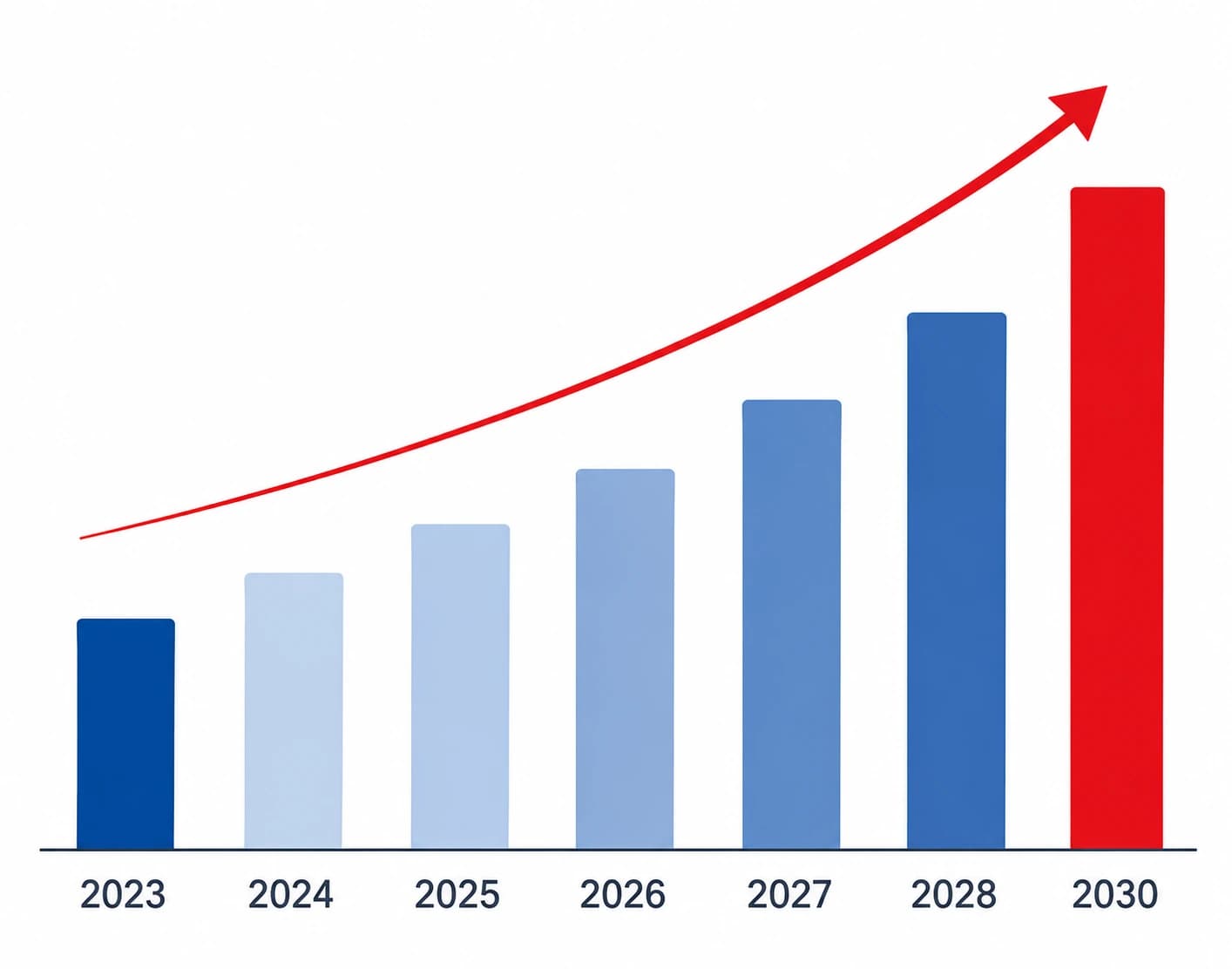
The global Blood Glucose Monitoring market was valued at US$ 20679 million in 2025 and is anticipated to reach US$ 42284 million by 2032, witnessing a CAGR of 10.8% during the forecast period 2026-2032.
Blood Glucose Monitoring is medical products designed to measure glucose levels in a person's blood to support diabetes screening, diagnosis support, and day-to-day management. They include systems that use small blood samples to produce spot readings and systems that track glucose trends over time through wearable sensing, with results displayed on dedicated receivers or consumer smart devices. These devices are used by individuals and healthcare professionals to guide lifestyle adjustments and therapy decisions, including medication dosing and insulin management, and they typically combine sensing components, electronics for signal processing, and user interfaces that present readings and trends. The unit price of Blood Glucose Monitoring typically ranges from tens to hundreds of US dollars, with industry gross margins generally between 40% and 60%.
Upstream, the supply chain begins with specialized component and material providers for biosensing chemistry, membranes and adhesives, microelectronics, optics where applicable, batteries, plastics, and packaging, supported by contract manufacturers that can produce high-volume disposable consumables and precision assemblies under medical quality systems. Device companies integrate these inputs through sensor fabrication, meter or wearable assembly, firmware and app development, clinical validation, regulatory submission, and post-market quality monitoring, often relying on a mix of in-house manufacturing for core sensing elements and outsourced production for peripherals and packaging. Downstream, products flow through a blend of prescription and over-the-counter pathways, including hospitals and clinics for initiation and training, retail pharmacies and e-commerce for replenishment, and distributors and tender channels in public health systems, with utilization shaped by reimbursement rules, clinician preference, patient education, and service layers such as training, customer support, data platforms, and integration with chronic care programs.
The Blood Glucose Monitoring market is being reshaped by a steady shift from episodic self-testing toward more continuous and decision-supportive monitoring, driven by diabetes prevalence, tighter expectations for outcomes, and rising consumer comfort with connected health tools. Competitive advantage is increasingly defined by ecosystem depth rather than hardware alone: sensor performance and wearability, algorithm quality, app experience, interoperability with insulin delivery and telehealth workflows, and reimbursement access all matter as much as meter accuracy. Growth is strongest where devices reduce friction for users and clinicians by simplifying setup, extending wear time, lowering pain and stigma, and translating readings into actionable guidance, while manufacturers face pressure to defend pricing as devices commoditize and payers scrutinize real-world impact. Over time, the category is likely to polarize into premium platforms built around continuous sensing and software, and value-focused solutions serving cost-sensitive markets, with channel strategy and regulatory execution becoming as critical as engineering.
This report aims to provide a comprehensive presentation of the global market for Blood Glucose Monitoring, with both quantitative and qualitative analysis, to help readers develop business/growth strategies, assess the market competitive situation, analyze their position in the current marketplace, and make informed business decisions regarding Blood Glucose Monitoring.
The Blood Glucose Monitoring market size, estimations, and forecasts are provided in terms of sales quantity (K Units) and revenue ($ millions), considering 2025 as the base year, with history and forecast data for the period from 2021 to 2032. This report segments the global Blood Glucose Monitoring market comprehensively. Regional market sizes, concerning products by Type, by Application, and by players, are also provided.
For a more in-depth understanding of the market, the report provides profiles of the competitive landscape, key competitors, and their respective market ranks. The report also discusses technological trends and new product developments.
The report will help the Blood Glucose Monitoring manufacturers, new entrants, and industry chain related companies in this market with information on the revenues, sales, and average price for the overall market and the sub-segments across the different segments, by company, by Type, by Application, and by regions.
Chapter 1: Introduces the report scope of the report, executive summary of different market segments (by region, product type, application, etc), including the market size of each market segment, future development potential, and so on. It offers a high-level view of the current state of the market and its likely evolution in the short to mid-term, and long term.
Chapter 2: key insights, key emerging trends, etc.
Chapter 3: Manufacturers competitive analysis, detailed analysis of Blood Glucose Monitoring manufacturers competitive landscape, price, sales and revenue market share, latest development plan, merger, and acquisition information, etc.
Chapter 4: Provides profiles of key players, introducing the basic situation of the main companies in the market in detail, including product sales, revenue, price, gross margin, product introduction, recent development, etc.
Chapter 5 & 6: Sales, revenue of Blood Glucose Monitoring in regional level and country level. It provides a quantitative analysis of the market size and development potential of each region and its main countries and introduces the market development, future development prospects, market space, and market size of each country in the world.
Chapter 7: Provides the analysis of various market segments by Type, covering the market size and development potential of each market segment, to help readers find the blue ocean market in different market segments.
Chapter 8: Provides the analysis of various market segments by Application, covering the market size and development potential of each market segment, to help readers find the blue ocean market in different downstream markets.
Chapter 9: Analysis of industrial chain, including the upstream and downstream of the industry.
Chapter 10: The main points and conclusions of the report.
- ★ What Is The Overall Market Size And Projected Growth Rate Across Global And Regional Segments?
- ★ How Does The Market Size And Growth Outlook Vary Across Major Countries?
- ★ Which Region Or Market Sub-Segment Is Anticipated To Dominate Growth During The Forecast Period?
- ★ What Are The Primary Factors Expected To Drive Market Expansion, And What Challenges May Restrain Growth?
- ★ Which Emerging Technologies And Market Trends Are Shaping The Future Landscape?
- ★ What Are The Most Significant Opportunities Available In The Market?
- ★ Who Are The Leading Manufacturers Actively Participating In The Global Market?
- ★ Which Company Currently Holds The Largest Share Of The Market?
- ★ What Are The Potential Growth Avenues For New Entrants In The Global Market?