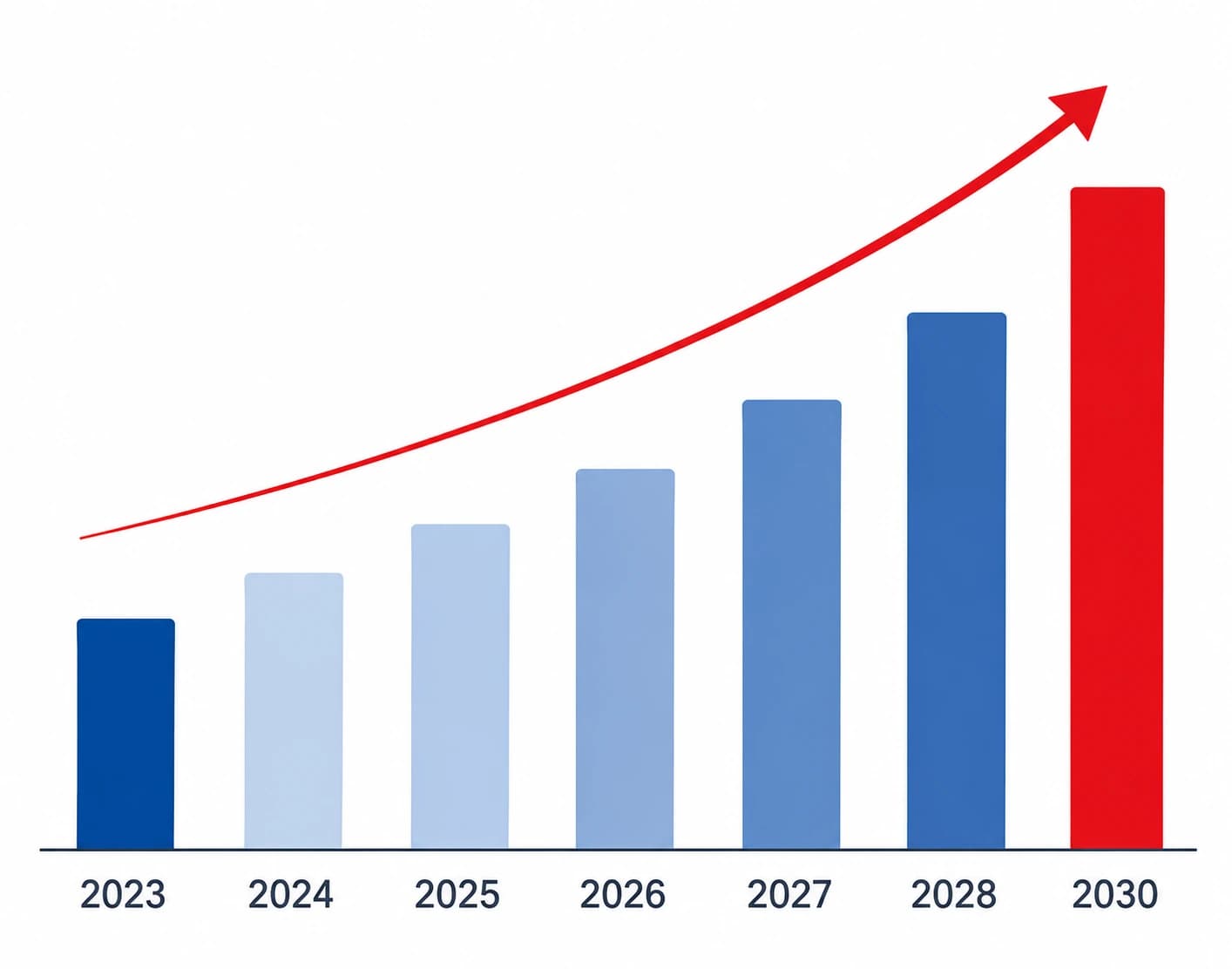
The global Bruton Tyrosine Kinase (BTK) Inhibitors market was valued at US$ 7910 million in 2025 and is anticipated to reach US$ 10730 million by 2032, witnessing a CAGR of 4.5% during the forecast period 2026-2032.
Bruton tyrosine kinase (BTK) is a key component of the B-cell receptor (BCR) signalling pathway. BTK is an important protein that is a regulator of cell proliferation (growth) and cell survival in various B-cell lymphomas & CLL.
Bruton's tyrosine kinase (BTK) inhibitors work by binding to the BTK protein. BTK inhibitors block this protein's activity by the BCR-induced BTK activation and its downstream signalling. BTK inhibitors block the activity that leads to growth of the B-cells and this causes cell death of the malignant B-cells.
The BTK inhibitors may help move abnormal cells out of their nourishing environments in the lymph nodes, bone marrow and other organs where it gets excreted. BTK is also found in normal healthy B cells so this action of blocking may cause side effects.
This class of drugs have had great success in recent years for many different subtypes of indolent lymphoma and CLL/SLL, both as a single (monotherapy) or in combinations with other medicines.
The increasing prevalence of cancers such as B-cell malignancies, including chronic lymphocytic leukemia (CLL) and mantle cell lymphoma (MCL), is a major driver for the Bruton's Tyrosine Kinase (BTK) inhibitors market. BTK inhibitors have proven highly effective in targeting B-cell receptor signaling, offering a new therapeutic option for patients with these difficult-to-treat cancers. Furthermore, the development of next-generation BTK inhibitors, which aim to minimize resistance and reduce side effects, is expected to expand their use in oncology and immunological disorders, fueling market growth.
One of the significant challenges in the BTK inhibitors market is the development of resistance to existing treatments, limiting long-term efficacy for some patients. As cancers evolve, patients may require more frequent dosage adjustments or alternative therapies. Additionally, the high cost of BTK inhibitors can create barriers to access, especially in regions with limited healthcare resources or where reimbursement policies are less supportive. Safety concerns, including potential side effects like increased risk of infections, also remain a challenge for wider adoption.
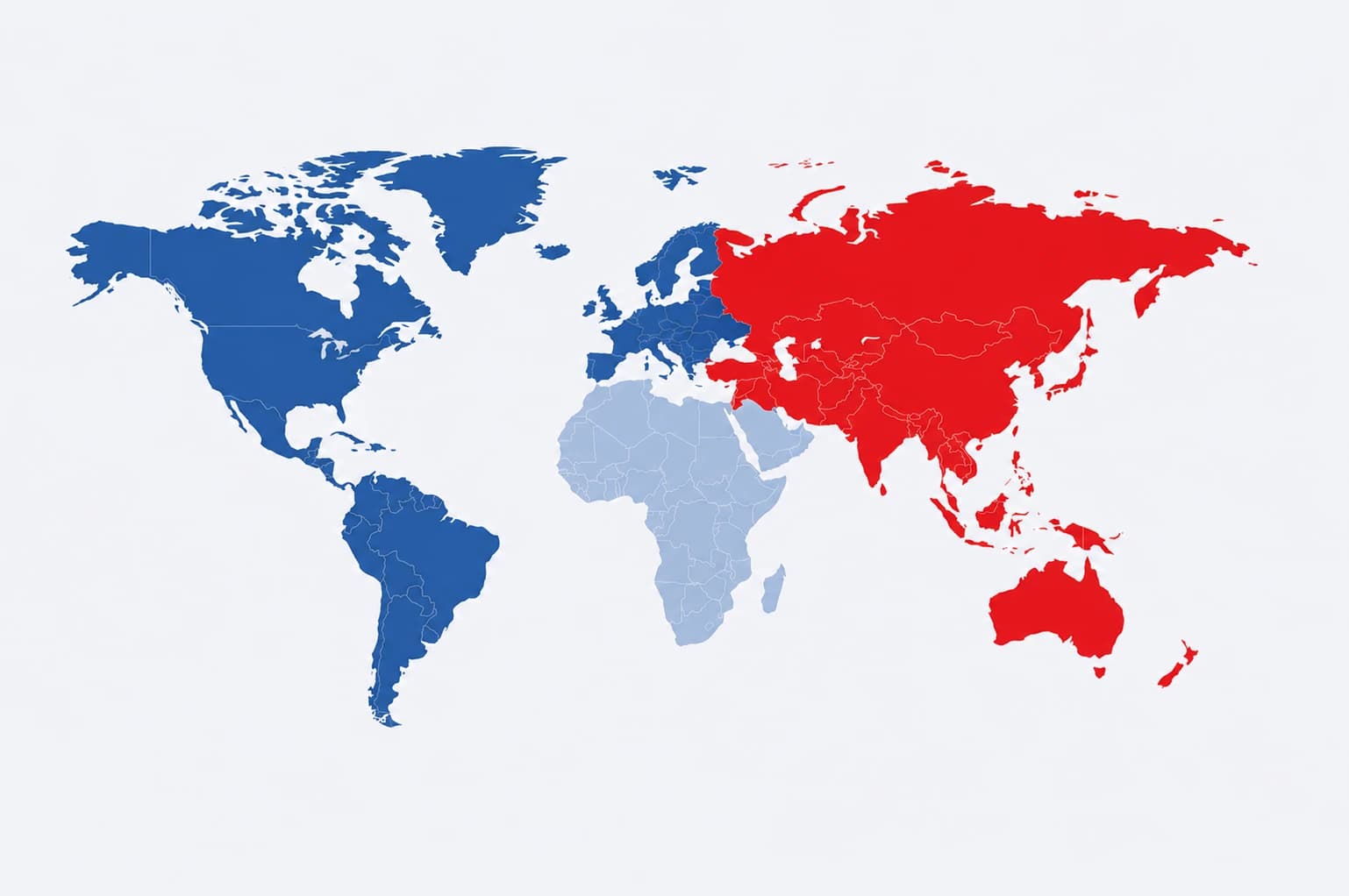
Global key Bruton's Tyrosine Kinase (BTK) Inhibitors manufacturers include AbbVie, Johnson & Johnson etc.The top 2 companies hold a share over 80%. USA is the largest market, with a share about 65%, followed by Europe with the share about 25%.
This report aims to provide a comprehensive presentation of the global market for Bruton Tyrosine Kinase (BTK) Inhibitors, with both quantitative and qualitative analysis, to help readers develop business/growth strategies, assess the market competitive situation, analyze their position in the current marketplace, and make informed business decisions regarding Bruton Tyrosine Kinase (BTK) Inhibitors.
The Bruton Tyrosine Kinase (BTK) Inhibitors market size, estimations, and forecasts are provided in terms of sales quantity (K Units) and revenue ($ millions), considering 2025 as the base year, with history and forecast data for the period from 2021 to 2032. This report segments the global Bruton Tyrosine Kinase (BTK) Inhibitors market comprehensively. Regional market sizes, concerning products by Type, by Application, and by players, are also provided.
For a more in-depth understanding of the market, the report provides profiles of the competitive landscape, key competitors, and their respective market ranks. The report also discusses technological trends and new product developments.
The report will help the Bruton Tyrosine Kinase (BTK) Inhibitors manufacturers, new entrants, and industry chain related companies in this market with information on the revenues, sales, and average price for the overall market and the sub-segments across the different segments, by company, by Type, by Application, and by regions.
Chapter 1: Introduces the report scope of the report, executive summary of different market segments (by region, product type, application, etc), including the market size of each market segment, future development potential, and so on. It offers a high-level view of the current state of the market and its likely evolution in the short to mid-term, and long term.
Chapter 2: key insights, key emerging trends, etc.
Chapter 3: Manufacturers competitive analysis, detailed analysis of Bruton Tyrosine Kinase (BTK) Inhibitors manufacturers competitive landscape, price, sales and revenue market share, latest development plan, merger, and acquisition information, etc.
Chapter 4: Provides profiles of key players, introducing the basic situation of the main companies in the market in detail, including product sales, revenue, price, gross margin, product introduction, recent development, etc.
Chapter 5 & 6: Sales, revenue of Bruton Tyrosine Kinase (BTK) Inhibitors in regional level and country level. It provides a quantitative analysis of the market size and development potential of each region and its main countries and introduces the market development, future development prospects, market space, and market size of each country in the world.
Chapter 7: Provides the analysis of various market segments by Type, covering the market size and development potential of each market segment, to help readers find the blue ocean market in different market segments.
Chapter 8: Provides the analysis of various market segments by Application, covering the market size and development potential of each market segment, to help readers find the blue ocean market in different downstream markets.
Chapter 9: Analysis of industrial chain, including the upstream and downstream of the industry.
Chapter 10: The main points and conclusions of the report.
- ★ What Is The Overall Market Size And Projected Growth Rate Across Global And Regional Segments?
- ★ How Does The Market Size And Growth Outlook Vary Across Major Countries?
- ★ Which Region Or Market Sub-Segment Is Anticipated To Dominate Growth During The Forecast Period?
- ★ What Are The Primary Factors Expected To Drive Market Expansion, And What Challenges May Restrain Growth?
- ★ Which Emerging Technologies And Market Trends Are Shaping The Future Landscape?
- ★ What Are The Most Significant Opportunities Available In The Market?
- ★ Who Are The Leading Manufacturers Actively Participating In The Global Market?
- ★ Which Company Currently Holds The Largest Share Of The Market?
- ★ What Are The Potential Growth Avenues For New Entrants In The Global Market?