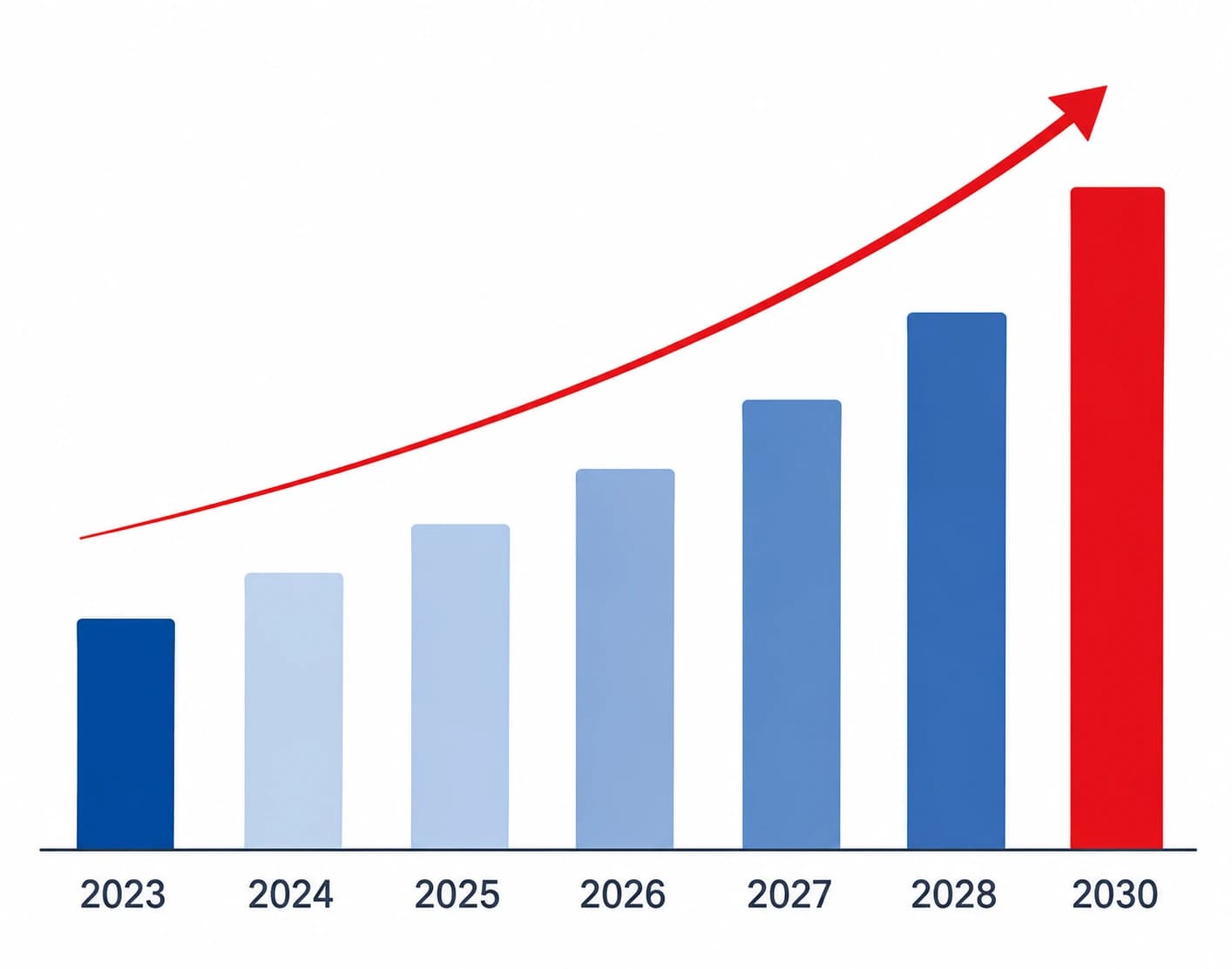
The global Co-extruded EMI Shielding Gaskets market was valued at US$ 260 million in 2024 and is anticipated to reach US$ 510 million by 2031, witnessing a CAGR of 10.3% during the forecast period 2025-2031.
Co-extruded EMI shielding gasket is an electromagnetic interference (EMI) shielding material produced by co-extrusion process. This gasket is usually composed of two different materials: one is a non-conductive elastomer, and the other is a conductive elastomer filled with metal particles (such as nickel/graphite or silver/aluminum, etc.). The co-extrusion process allows these two materials to be tightly combined to form a gasket with good environmental sealing performance and EMI shielding effect. Co-extruded EMI shielding gaskets are widely used in occasions where EMI shielding and environmental sealing are required due to their excellent shielding performance and environmental sealing characteristics.
Co-extruded EMI shielding gaskets are advanced composite structures formed by extruding two or more functional materials together into a single profile. Typically, these gaskets combine a conductive elastomer—such as silicone filled with silver, nickel, or carbon—for EMI shielding, and a non-conductive elastomer—such as general-purpose silicone or thermoplastic elastomers—for mechanical support and environmental sealing. This dual-material structure provides both effective electromagnetic interference protection and reliable mechanical sealing, making it especially suitable for enclosures in telecom cabinets, 5G base stations, industrial controls, medical devices, and military electronics. Compared to fully conductive gaskets, co-extruded types offer better cost-efficiency, durability, and ease of installation.
From a technical standpoint, co-extrusion demands high compatibility between materials in terms of bonding, thermal expansion, and aging characteristics. Precision extrusion machinery and carefully matched formulations are essential to ensure dimensional stability and long-term integrity. The gasket profiles can be customized in various cross-sectional shapes such as U, D, or P types, often with embedded adhesive layers or metal inserts to enhance installation convenience and retention.
Market-wise, co-extruded EMI gaskets are increasingly favored in industries requiring high-frequency, high-reliability shielding. Global leaders such as Parker Chomerics, Laird, and Schlegel Electronic Materials dominate the high-end segment, supported by strong R&D and co-extrusion capabilities. Meanwhile, Chinese manufacturers are rapidly advancing in mid-range markets, developing in-house extrusion systems and formulations to support domestic demand, especially in consumer electronics and emerging renewable energy applications. As electronic devices evolve toward higher integration, smaller size, and higher frequencies, co-extruded EMI gaskets are expected to evolve toward greater precision, shielding effectiveness, and operational longevity.
This report aims to provide a comprehensive presentation of the global market for Co-extruded EMI Shielding Gaskets, with both quantitative and qualitative analysis, to help readers develop business/growth strategies, assess the market competitive situation, analyze their position in the current marketplace, and make informed business decisions regarding Co-extruded EMI Shielding Gaskets.
The Co-extruded EMI Shielding Gaskets market size, estimations, and forecasts are provided in terms of sales quantity (K Pcs) and revenue ($ millions), considering 2024 as the base year, with history and forecast data for the period from 2020 to 2031. This report segments the global Co-extruded EMI Shielding Gaskets market comprehensively. Regional market sizes, concerning products by Type, by Application, and by players, are also provided.
For a more in-depth understanding of the market, the report provides profiles of the competitive landscape, key competitors, and their respective market ranks. The report also discusses technological trends and new product developments.
The report will help the Co-extruded EMI Shielding Gaskets manufacturers, new entrants, and industry chain related companies in this market with information on the revenues, sales, and average price for the overall market and the sub-segments across the different segments, by company, by Type, by Application, and by regions.
Chapter 1: Introduces the report scope of the report, executive summary of different market segments (by region, product type, application, etc), including the market size of each market segment, future development potential, and so on. It offers a high-level view of the current state of the market and its likely evolution in the short to mid-term, and long term.
Chapter 2: key insights, key emerging trends, etc.
Chapter 3: Manufacturers competitive analysis, detailed analysis of Co-extruded EMI Shielding Gaskets manufacturers competitive landscape, price, sales and revenue market share, latest development plan, merger, and acquisition information, etc.
Chapter 4: Provides profiles of key players, introducing the basic situation of the main companies in the market in detail, including product sales, revenue, price, gross margin, product introduction, recent development, etc.
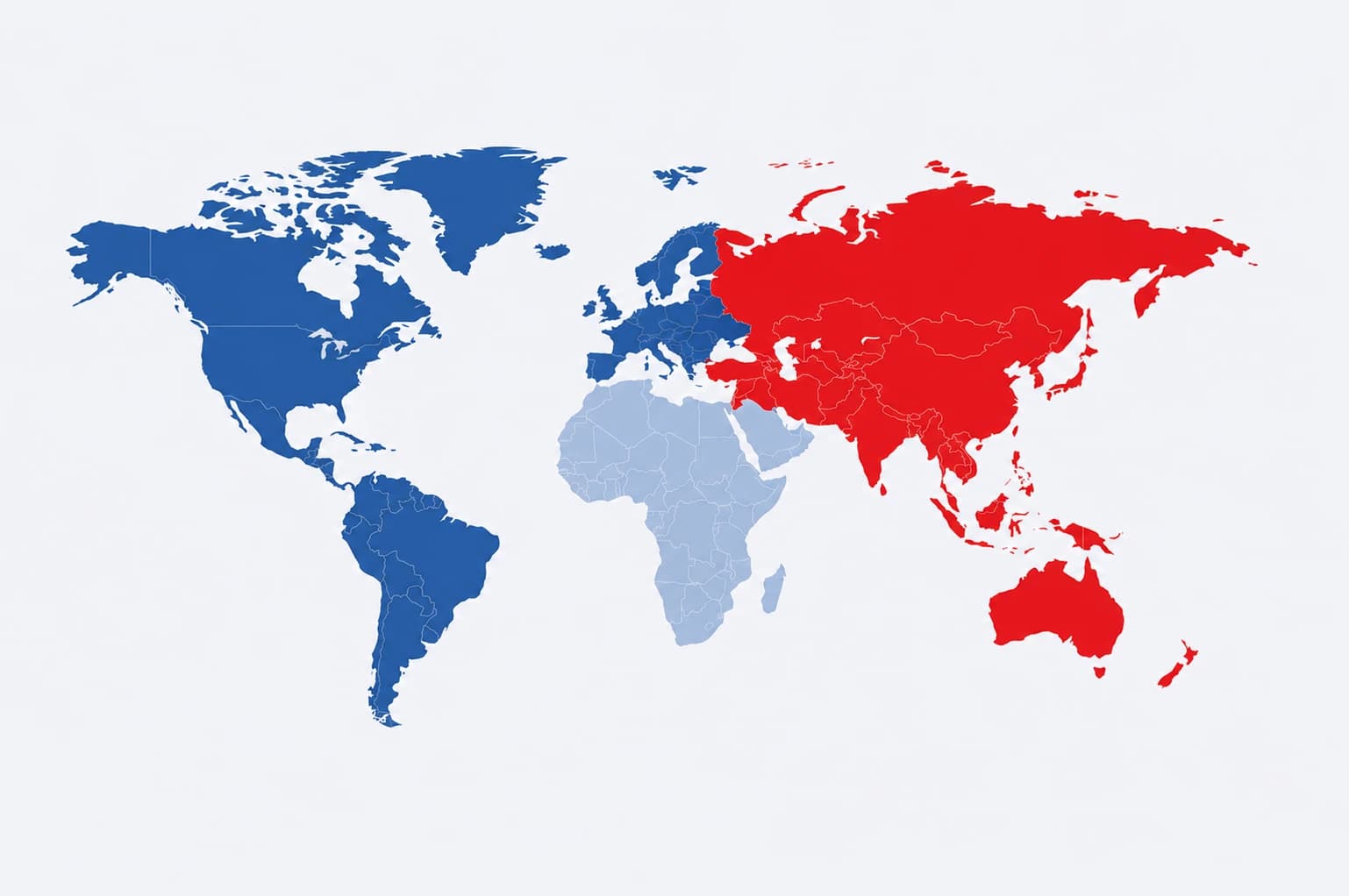
Chapter 5 & 6: Sales, revenue of Co-extruded EMI Shielding Gaskets in regional level and country level. It provides a quantitative analysis of the market size and development potential of each region and its main countries and introduces the market development, future development prospects, market space, and market size of each country in the world.
Chapter 7: Provides the analysis of various market segments by Type, covering the market size and development potential of each market segment, to help readers find the blue ocean market in different market segments.
Chapter 8: Provides the analysis of various market segments by Application, covering the market size and development potential of each market segment, to help readers find the blue ocean market in different downstream markets.
Chapter 9: Analysis of industrial chain, including the upstream and downstream of the industry.
Chapter 10: The main points and conclusions of the report.
- ★ What Is The Overall Market Size And Projected Growth Rate Across Global And Regional Segments?
- ★ How Does The Market Size And Growth Outlook Vary Across Major Countries?
- ★ Which Region Or Market Sub-Segment Is Anticipated To Dominate Growth During The Forecast Period?
- ★ What Are The Primary Factors Expected To Drive Market Expansion, And What Challenges May Restrain Growth?
- ★ Which Emerging Technologies And Market Trends Are Shaping The Future Landscape?
- ★ What Are The Most Significant Opportunities Available In The Market?
- ★ Who Are The Leading Manufacturers Actively Participating In The Global Market?
- ★ Which Company Currently Holds The Largest Share Of The Market?
- ★ What Are The Potential Growth Avenues For New Entrants In The Global Market?