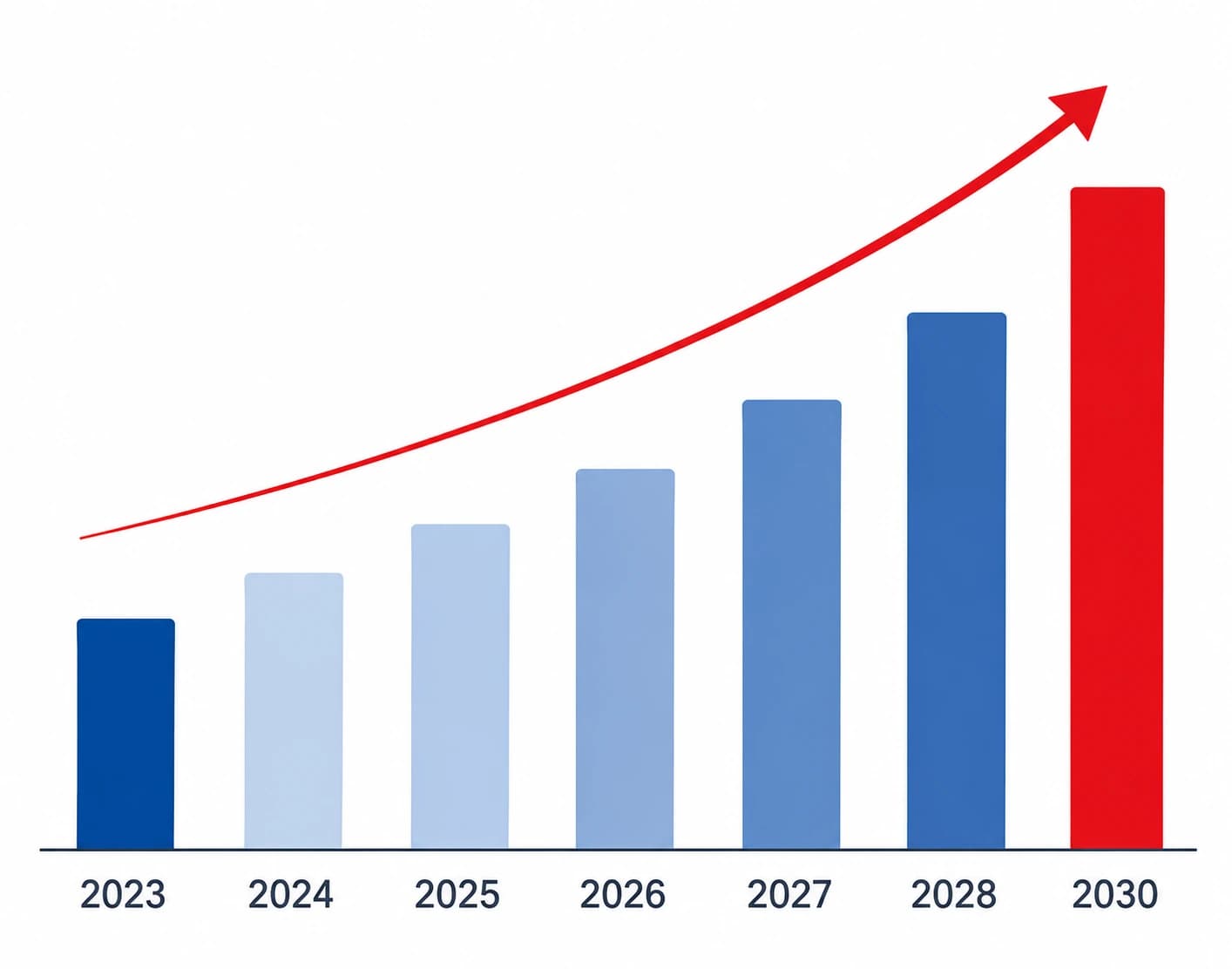
The global Pumps for Oil and Gas market was valued at US$ 23805 million in 2025 and is anticipated to reach US$ 33496 million by 2032, witnessing a CAGR of 5.0% during the forecast period 2026-2032.
Oil and gas pumps are critical fluid handling equipment used in oil and gas exploration, extraction, gathering, refining, and transportation. They can stably transport crude oil, natural gas, and related media under complex working conditions such as high pressure, high temperature, corrosion, and sand content, making them one of the core pieces of equipment in oil and gas engineering.
The upstream industry includes raw materials and key components such as cast and forged steel, stainless steel, alloy materials, seals, motors, and control systems; the downstream industry mainly serves oil and gas exploration and development, long-distance pipelines, refining and petrochemicals, LNG projects, and oil and gas storage, transportation, and terminal applications.
In 2025, the global market price for oil and gas pumps is projected to be US$250,000 per unit, with an annual sales volume of approximately 95,220 units, a global annual production capacity of 100,000 units, and an industry profit margin of 30%.
Global Market Development Trends:
Against the backdrop of global energy structure adjustments, oil and natural gas remain indispensable basic energy sources in the medium and long term. With the gradual recovery of global oil and gas exploration and development investment, particularly the advancement of projects in the Middle East, North America, Latin America, and deep-sea regions, the demand for high-reliability, high-power oil and gas pumps is expected to maintain steady growth, indicating a strong long-term market foundation.
Future oil and gas pump products will continue to upgrade towards higher pressure, higher efficiency, corrosion resistance, and longer lifespan to adapt to complex operating conditions such as deep wells, deep-sea environments, unconventional oil and gas, and high-sulfur and high-acid conditions. Simultaneously, API standards, intelligent monitoring, and condition diagnosis functions will become more widespread, driving the transformation of products towards high-end equipment and systematic solutions.
Traditional major oil and gas regions will remain the main source of incremental growth, while mature markets will focus more on equipment upgrades and energy-saving renovations. Meanwhile, the construction of natural gas, LNG, and hydrogen-related infrastructure will bring new application scenarios for oil and gas pump companies. Overall, the industry will continue to evolve under the trend of "stable scale, improved technology, and increased concentration."
This report aims to provide a comprehensive presentation of the global market for Pumps for Oil and Gas, with both quantitative and qualitative analysis, to help readers develop business/growth strategies, assess the market competitive situation, analyze their position in the current marketplace, and make informed business decisions regarding Pumps for Oil and Gas.
The Pumps for Oil and Gas market size, estimations, and forecasts are provided in terms of sales quantity (Units) and revenue ($ millions), considering 2025 as the base year, with history and forecast data for the period from 2021 to 2032. This report segments the global Pumps for Oil and Gas market comprehensively. Regional market sizes, concerning products by Type, by Application, and by players, are also provided.
For a more in-depth understanding of the market, the report provides profiles of the competitive landscape, key competitors, and their respective market ranks. The report also discusses technological trends and new product developments.
The report will help the Pumps for Oil and Gas manufacturers, new entrants, and industry chain related companies in this market with information on the revenues, sales, and average price for the overall market and the sub-segments across the different segments, by company, by Type, by Application, and by regions.
Chapter 1: Introduces the report scope of the report, executive summary of different market segments (by region, product type, application, etc), including the market size of each market segment, future development potential, and so on. It offers a high-level view of the current state of the market and its likely evolution in the short to mid-term, and long term.
Chapter 2: key insights, key emerging trends, etc.
Chapter 3: Manufacturers competitive analysis, detailed analysis of Pumps for Oil and Gas manufacturers competitive landscape, price, sales and revenue market share, latest development plan, merger, and acquisition information, etc.
Chapter 4: Provides profiles of key players, introducing the basic situation of the main companies in the market in detail, including product sales, revenue, price, gross margin, product introduction, recent development, etc.
Chapter 5 & 6: Sales, revenue of Pumps for Oil and Gas in regional level and country level. It provides a quantitative analysis of the market size and development potential of each region and its main countries and introduces the market development, future development prospects, market space, and market size of each country in the world.
Chapter 7: Provides the analysis of various market segments by Type, covering the market size and development potential of each market segment, to help readers find the blue ocean market in different market segments.
Chapter 8: Provides the analysis of various market segments by Application, covering the market size and development potential of each market segment, to help readers find the blue ocean market in different downstream markets.
Chapter 9: Analysis of industrial chain, including the upstream and downstream of the industry.
Chapter 10: The main points and conclusions of the report.
- ★ What Is The Overall Market Size And Projected Growth Rate Across Global And Regional Segments?
- ★ How Does The Market Size And Growth Outlook Vary Across Major Countries?
- ★ Which Region Or Market Sub-Segment Is Anticipated To Dominate Growth During The Forecast Period?
- ★ What Are The Primary Factors Expected To Drive Market Expansion, And What Challenges May Restrain Growth?
- ★ Which Emerging Technologies And Market Trends Are Shaping The Future Landscape?
- ★ What Are The Most Significant Opportunities Available In The Market?
- ★ Who Are The Leading Manufacturers Actively Participating In The Global Market?
- ★ Which Company Currently Holds The Largest Share Of The Market?
- ★ What Are The Potential Growth Avenues For New Entrants In The Global Market?