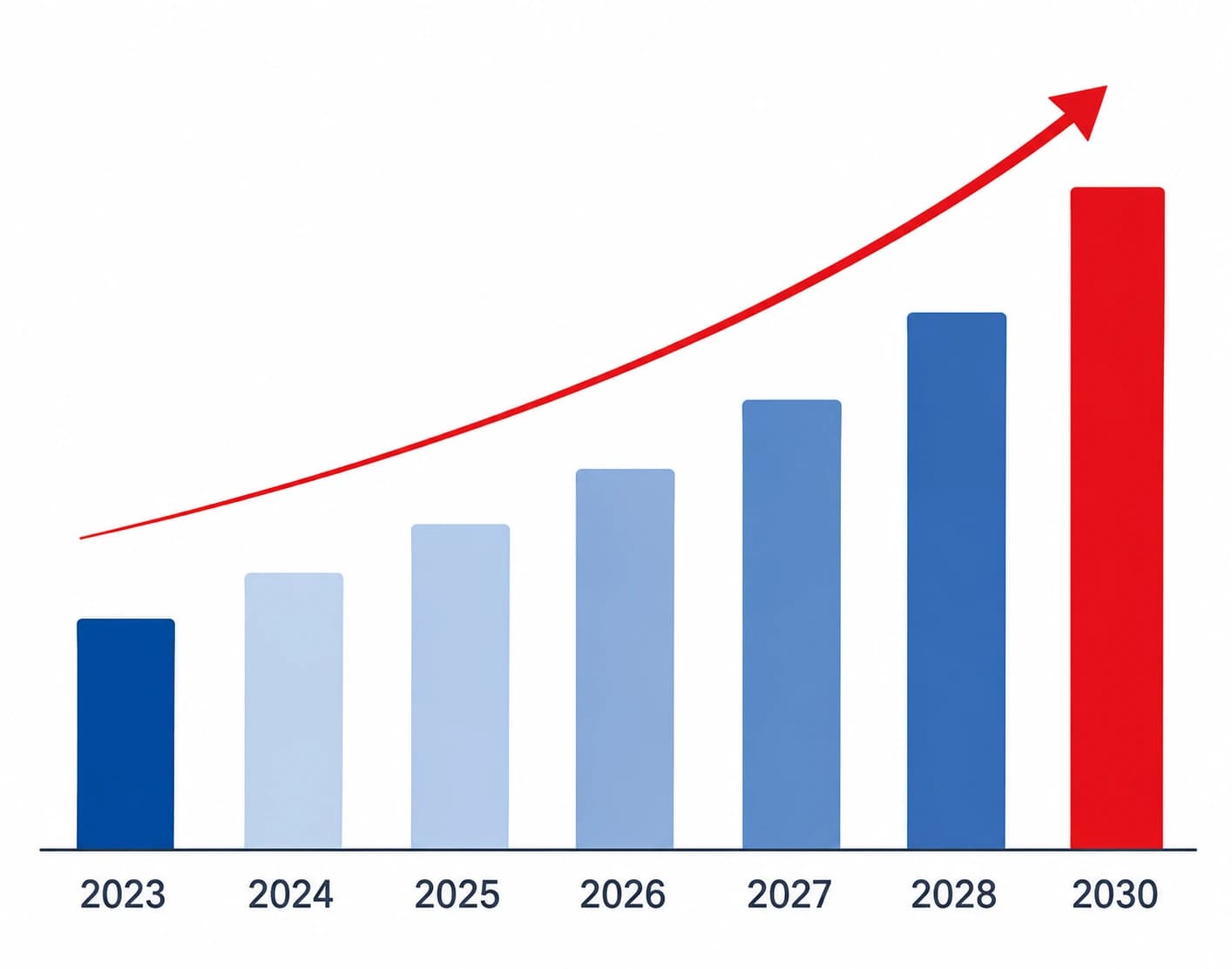
The global market for Pet Paw Print Keepsake Kits was estimated to be worth US$ 54.00 million in 2025 and is projected to reach US$ 93.99 million, growing at a CAGR of 8.1% from 2026 to 2032.
Pet Paw Print Keepsake Kits are purpose-designed consumer products used to capture and preserve the unique paw impressions of dogs, cats and other companion animals as physical keepsakes. The product category primarily covers 2D Paw Print Kits that create flat ink or transfer images, 3D Paw Impression Kits that record recessed impressions directly in clay or other moldable compounds, and 3D Paw Casting Kits that use molding and replication processes to create three-dimensional reproductions. Typical kits integrate pet-safe impression media, transfer cards, clay or molding compounds, shaping tools, instructions and, depending on the product format, frames or display accessories. Products are used by pet owners for household DIY keepsakes and by veterinary practices, pet cremation and aftercare providers, and selected pet grooming businesses for milestone or memorial applications. Product performance is mainly differentiated by impression detail, pet safety, ease of operation, cleanliness, repeatability, curing characteristics, durability and presentation quality.
Global sales volume was approximately 5.00 million kits in 2025 and is estimated at about 5.35 million kits in 2026
The blended supplier realized ASP increased from approximately US$10.8 per kit in 2025 to around US$11.0 per kit in 2026
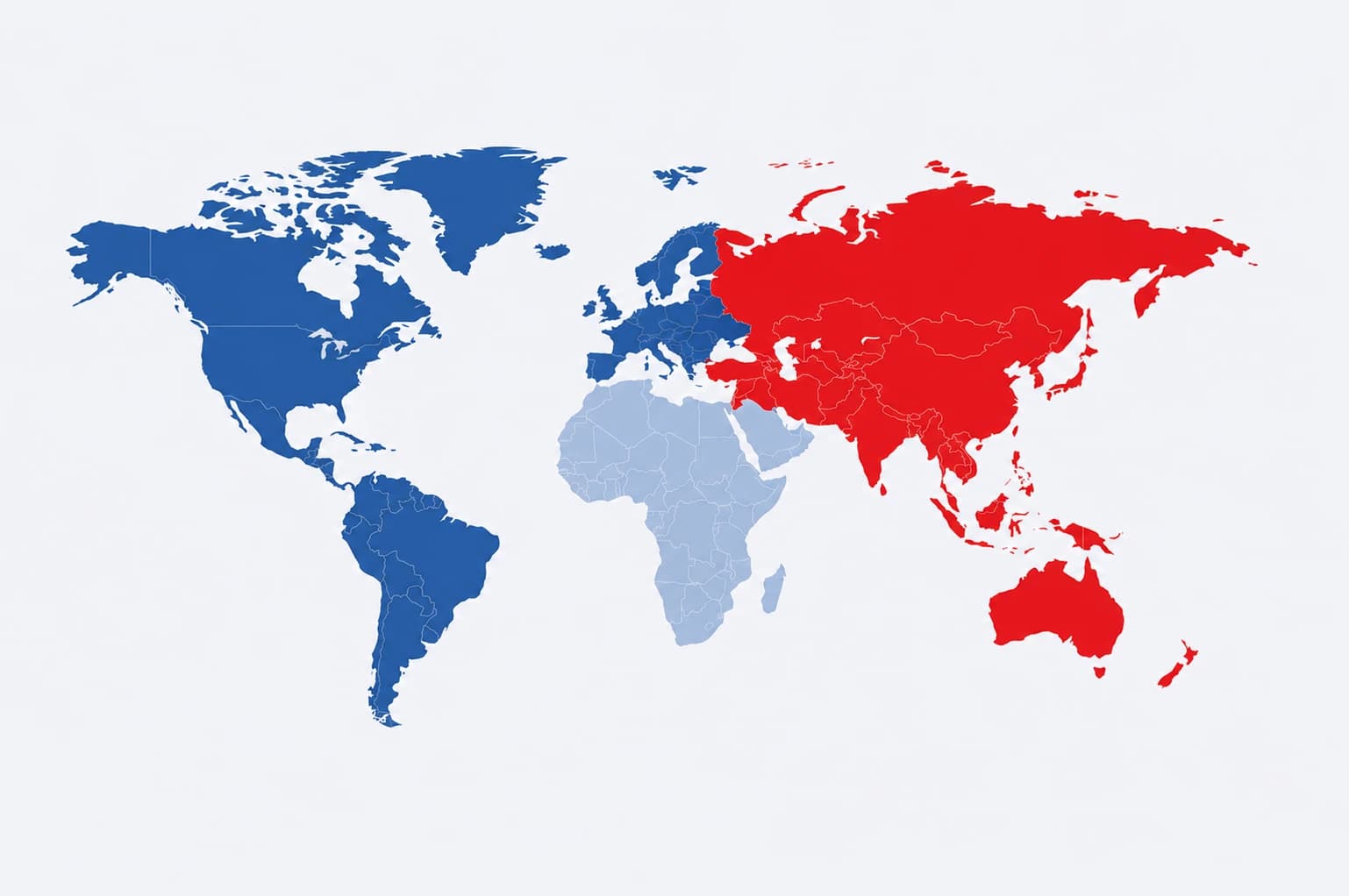
North America represented more than 40% of global unit demand in 2025, followed by Europe at close to 30%
2D Paw Print Kits lead unit demand, while 3D impression and casting products generally support higher-value positioning
The Pet Paw Print Keepsake Kits market is shifting from simple ink pads and basic clay impressions toward cleaner, easier-to-use and more presentation-ready solutions. No-touch ink transfer technologies are expanding because they reduce direct ink contact with paws and simplify household use, while reusable or multi-impression designs improve the success rate for first-time users. Pearhead currently commercializes clean-touch systems in multiple sizes, while Shachihata expanded the concept in Japan in 2025 with a pet-specific transfer system capable of repeated use and a separate paw-art kit, illustrating the migration of established marking technologies into pet keepsakes. At the same time, the market is bifurcating between affordable 2D products optimized for online retail and gifting and higher-emotional-value 3D products built around clay, moldable compounds and personalized presentation. Professional veterinary and pet-aftercare channels are also encouraging more standardized products, predictable preparation procedures and bulk purchasing formats rather than purely discretionary consumer gift items.
Growth is supported by the expanding global companion-animal population, increasing humanization of pets and stronger consumer willingness to preserve physical memories associated with pet ownership. APPA reported 94 million U.S. households owning at least one pet in its 2025 industry assessment, while FEDIAF reports 140 million pet-owning households across Europe in its latest statistics, creating a large addressable base for event-driven keepsake purchases. Demand is generated not only by end-of-life memorialization but also by adoption, first veterinary visits, birthdays, new-pet milestones and other lifecycle occasions. Veterinary practices and pet crematories provide an additional institutional demand base: ClayPaws states that its products are used by thousands of veterinary teams and animal-care businesses, demonstrating that paw-print keepsakes have become an established component of professional pet aftercare in mature markets.
Pet Paw Print Keepsake Kits remain a low-frequency, event-driven purchase rather than a routinely replenished pet product, which limits annual consumption per household. Entry barriers are relatively low for basic 2D ink and clay products, creating strong price competition from private-label and OEM suppliers. Consumers can also substitute general craft materials, customized memorial services or digital and photo-based keepsakes for dedicated paw-print kits. Product failure during impression taking, inconsistent clay curing, insufficient print detail and concerns over contact materials can negatively affect satisfaction, particularly because many customers have only one opportunity to capture a final memorial print. These characteristics place greater importance on reliability and instructions but simultaneously constrain the ability of undifferentiated suppliers to sustain premium pricing.
The largest structural opportunities lie in increasing penetration outside mature North American and Western European markets, expanding professional veterinary and pet-aftercare programs, and upgrading consumers from basic print products to higher-value physical keepsakes. Asia-Pacific combines a large pet population with relatively lower penetration of dedicated memorial kits, creating room for localized designs, smaller pack sizes and regionally appropriate pricing. Professional channels also remain underdeveloped in many markets: standardized clinic kits, bulk packs, staff-training formats and integrated cremation-service offerings can convert episodic retail demand into more repeatable B2B purchasing. Premium 3D impressions, casting products, framed presentation formats and customizable designs provide additional opportunities because value is determined increasingly by emotional significance and presentation quality rather than material cost alone.
The industry faces fragmentation in product specifications, manufacturing quality and brand positioning. There is no universal standard for paw size classification, impression dimensions, curing method or kit composition, making direct comparison difficult across suppliers. Consumer brands also depend heavily on e-commerce discovery and reviews, increasing customer-acquisition pressure in a category where purchase frequency is inherently low. For manufacturers, maintaining consistent ink transfer, clay softness, curing stability and frame quality across OEM batches is important because quality problems can damage multiple downstream brands simultaneously. Professional veterinary applications introduce an additional requirement for simple procedures, predictable results and products that staff can use consistently during emotionally sensitive interactions with pet owners.
The upstream supply chain consists primarily of mature consumer-goods materials, including printing inks, ink pads and transfer films, specialty papers and cards, modeling clay, foam or molding compounds, wood-based or polymer frames, ribbons, decorative components and retail packaging. Midstream activities include impression-media formulation, product design, molding or frame fabrication, kit assembly, quality control, branding and OEM or ODM production. The market has a particularly visible Chinese manufacturing base in inkless printing components, wooden frames, clay keepsakes and packaged gift sets, while specialist suppliers in the United States, Europe and Japan contribute proprietary formulations, product design and professional-channel systems.
Downstream distribution combines direct-to-consumer websites, online marketplaces, pet retail and gift channels with veterinary clinics, animal hospitals, pet crematories and other pet-aftercare businesses. Material cost is generally not the dominant source of value; differentiation is created through impression reliability, pet-safe positioning, ease of use, design, personalization, packaging, channel access and emotional presentation. Basic 2D kits therefore tend to face greater manufacturing and price competition, while specialized 3D compounds, professional veterinary systems and premium framed formats can support higher realized prices and stronger customer differentiation.
By product type, 2D Paw Print Kits account for the largest share of unit demand because they are inexpensive, lightweight, easy to ship and suitable for mass-market household use. The segment encompasses direct ink and no-touch transfer technologies but is defined by the final flat print format rather than by individual ink chemistry. 3D Paw Impression Kits represent a smaller but commercially important segment, using clay or other moldable materials to preserve depth and texture and supporting stronger memorial and gifting attributes. 3D Paw Casting Kits remain the most specialized category, requiring molding and replication steps but creating a more sculptural result and higher perceived personalization. ClayPaws' professional product system illustrates how 3D formats can be sold from individual kits to bulk veterinary quantities, with substantial quantity-based pricing differences.
From an application perspective, Household DIY Keepsake Creation provides the broadest consumer reach, while Veterinary Practice Memorialization and Pet Cremation Aftercare Memorialization form the most established professional applications. Pet Grooming Milestone Keepsake remains smaller and more event-specific. The coexistence of consumer and professional demand is strategically important: household products are more exposed to online competition and gifting cycles, whereas veterinary and aftercare channels benefit from recurring institutional purchasing and integration into client-care procedures.
Downstream Market Opportunities
The most attractive downstream expansion is increasingly centered on embedding paw-print keepsakes into an existing pet-service interaction rather than relying solely on stand-alone consumer purchases. Veterinary practices can use prints during first visits, treatment milestones and end-of-life care, while crematories and pet-aftercare providers can incorporate them into memorial packages. ClayPaws explicitly positions paw-print products across veterinary clinics, in-home euthanasia, hospice, specialty practices and crematories, demonstrating the breadth of professional use cases. Household DIY remains important for adoption, birthdays and new-pet occasions, while grooming businesses provide a smaller opportunity around first-groom and similar milestones. Suppliers able to offer simple staff workflows, bulk packaging and customizable presentation can participate in a more recurring demand stream than brands dependent exclusively on one-time online consumer purchases.
North America is the largest regional market and accounted for more than 40% of estimated global unit demand in 2025. The region benefits from high pet ownership, established veterinary infrastructure, developed pet-cremation and aftercare services, and mature consumer spending on personalized pet products. The United States is the principal demand center, while Canada also supports a developed professional memorial-products channel. Europe represented close to 30% of unit demand, supported by a broad pet-owning household base and well-developed pet-care markets, particularly in the United Kingdom and Western Europe. FEDIAF's latest statistics identify 140 million European households owning at least one pet, providing a substantial underlying consumer base.
Asia-Pacific is structurally more heterogeneous. China combines a large companion-animal population with an important OEM and ODM manufacturing base, but dedicated paw-print keepsake penetration remains below mature Western markets. Japan is differentiated by product innovation and established stationery and marking technology suppliers; Shachihata's 2025 launch of dedicated pet paw-transfer and paw-art products demonstrates increasing participation from larger consumer-product companies. Australia and New Zealand benefit from high pet ownership and established specialty brands, while India, Southeast Asia, South Korea and Taiwan remain more fragmented and provide longer-term penetration opportunities.
Competitive Landscape Analysis
The competitive landscape is fragmented and combines established consumer keepsake brands, veterinary-focused specialists, regional DTC suppliers and a broad OEM manufacturing base. Pearhead competes through consumer-brand recognition, gift-oriented design and multiple paw-print formats; World by the Tail, Inc., through ClayPaws and Veterinary Wisdom, has a differentiated position in professional veterinary and animal-aftercare channels, supported by proprietary clay formulations and bulk purchasing formats. THE LOVELY GIFT GROUP LIMITED represents a multi-brand keepsake model in the United Kingdom, while Peartree Impressions serves specialist animal-care applications and Shachihata represents an established marking-products manufacturer entering pet-specific applications. China-based suppliers such as Zhejiang Keli Yinye New Technology Development Co., Ltd. and Qingdao HongKing All-Win Technology Co., Ltd. strengthen the global OEM and ODM supply base. Competitive advantage therefore varies by business model: consumer brands compete through design, e-commerce reach and emotional merchandising; professional suppliers compete through reliability, workflow integration and institutional relationships; manufacturing suppliers compete through cost, customization, production flexibility and supply-chain responsiveness. No single competitive model currently dominates across both consumer and professional channels.
This report provides a comprehensive view of the global market for Pet Paw Print Keepsake Kits, covering total sales volume, sales revenue, pricing, the market share and ranking of key companies, along with analyses by region & country, by Type, and by Application.
The Pet Paw Print Keepsake Kits market size, estimations, and forecasts are presented in terms of sales volume (Kits) and revenue ($ millions), with 2025 as the base year and historical and forecast data from 2021 to 2032. The report combines quantitative and qualitative analysis to help readers develop growth strategies, assess the competitive landscape, evaluate their position in the current marketplace, and make informed business decisions regarding Pet Paw Print Keepsake Kits.
Chapter 1: Introduces the scope of the report and the global market size (value, volume, and price). It also summarizes market dynamics and Recent Developments; identifies key drivers and restraints; outlines challenges and risks for manufacturers; reviews relevant industry policies and U.S. tariff implications.
Chapter 2: Provides a detailed analysis of the Pet Paw Print Keepsake Kits manufacturers' competitive landscape—including pricing, sales and revenue shares, Recent Developments plans, and mergers and acquisitions (M&A).
Chapter 3: Analyzes market segmentation by Type, presenting the size and growth potential of each segment to help readers identify blue-ocean opportunities.
Chapter 4: Analyzes market segmentation by Application, presenting the size and growth potential of each downstream segment to help readers identify blue-ocean opportunities.
Chapter 5: Presents Pet Paw Print Keepsake Kits sales and revenue at the regional level. It offers a quantitative assessment of market size and growth potential by region and summarizes market development, future prospects, addressable space, and country-level market size worldwide.
Chapter 6: Presents Pet Paw Print Keepsake Kits sales and revenue at the country level. It provides segmented data by Type and by Application for each country/region.
Chapter 7: Profiles key players, detailing the main companies' product sales, revenue, pricing, gross margin, product portfolios, Recent Developments, etc.
Chapter 8: Analyzes the industry value chain, including upstream suppliers and downstream applications/customers.
- ★ What Is The Overall Market Size And Projected Growth Rate Across Global And Regional Segments?
- ★ How Does The Market Size And Growth Outlook Vary Across Major Countries?
- ★ Which Region Or Market Sub-Segment Is Anticipated To Dominate Growth During The Forecast Period?
- ★ What Are The Primary Factors Expected To Drive Market Expansion, And What Challenges May Restrain Growth?
- ★ Which Emerging Technologies And Market Trends Are Shaping The Future Landscape?
- ★ What Are The Most Significant Opportunities Available In The Market?
- ★ Who Are The Leading Manufacturers Actively Participating In The Global Market?
- ★ Which Company Currently Holds The Largest Share Of The Market?
- ★ What Are The Potential Growth Avenues For New Entrants In The Global Market?