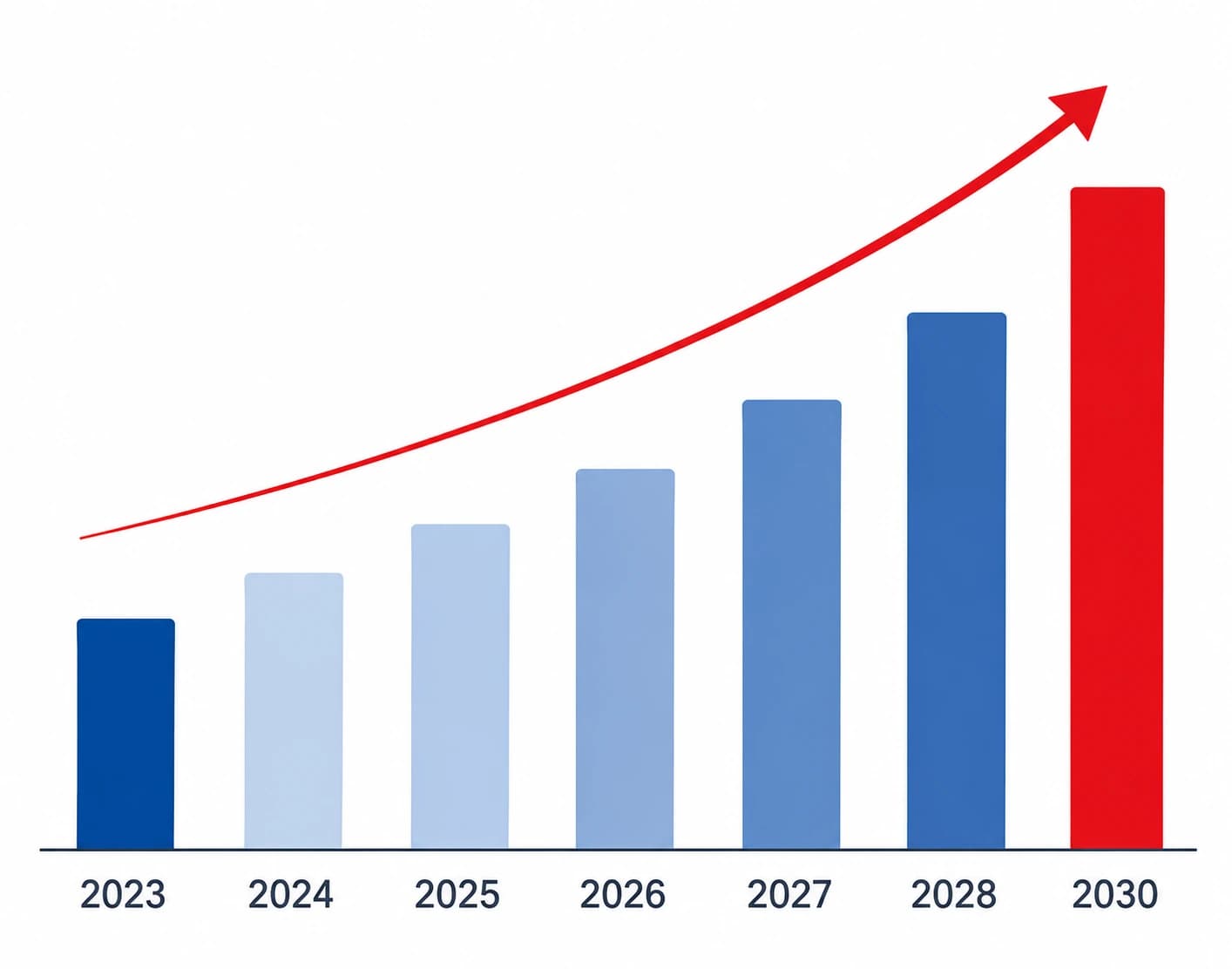
The global Aluminum Alloy Aging Furnace market was valued at US$ 372 million in 2025 and is anticipated to reach US$ 473 million by 2032, at a CAGR of 3.1% from 2026 to 2032.
The 2025 U.S. tariff policies introduce profound uncertainty into the global economic landscape. This report critically examines the implications of recent tariff adjustments and international strategic countermeasures on Aluminum Alloy Aging Furnace competitive dynamics, regional economic interdependencies, and supply chain reconfigurations.
In 2025, the global production of aluminum alloy aging furnaces reached 59,544 units, with an average selling price of US$6,250 per unit. The global annual production capacity of aluminum alloy aging furnaces is approximately 90,000 units, with a gross profit margin of approximately 17.2%. An aluminum alloy aging furnace is a furnace specifically designed for aging aluminum alloy materials. Aging treatment in the aluminum alloy industry is typically used to improve the strength and hardness of materials while maintaining plasticity and stability through precipitation strengthening, stress relaxation, and microstructure control. Aluminum alloy aging furnaces are widely used in the manufacturing industry for heat treatment of aluminum alloy parts in the automotive, aerospace, electronics, and machinery sectors. The upstream of the aluminum alloy aging furnace industry chain includes quartz glass, refractory materials, and furnace lining materials; the midstream consists of aluminum alloy aging furnace manufacturers; and the downstream mainly includes the automotive, aluminum processing, and aerospace industries.
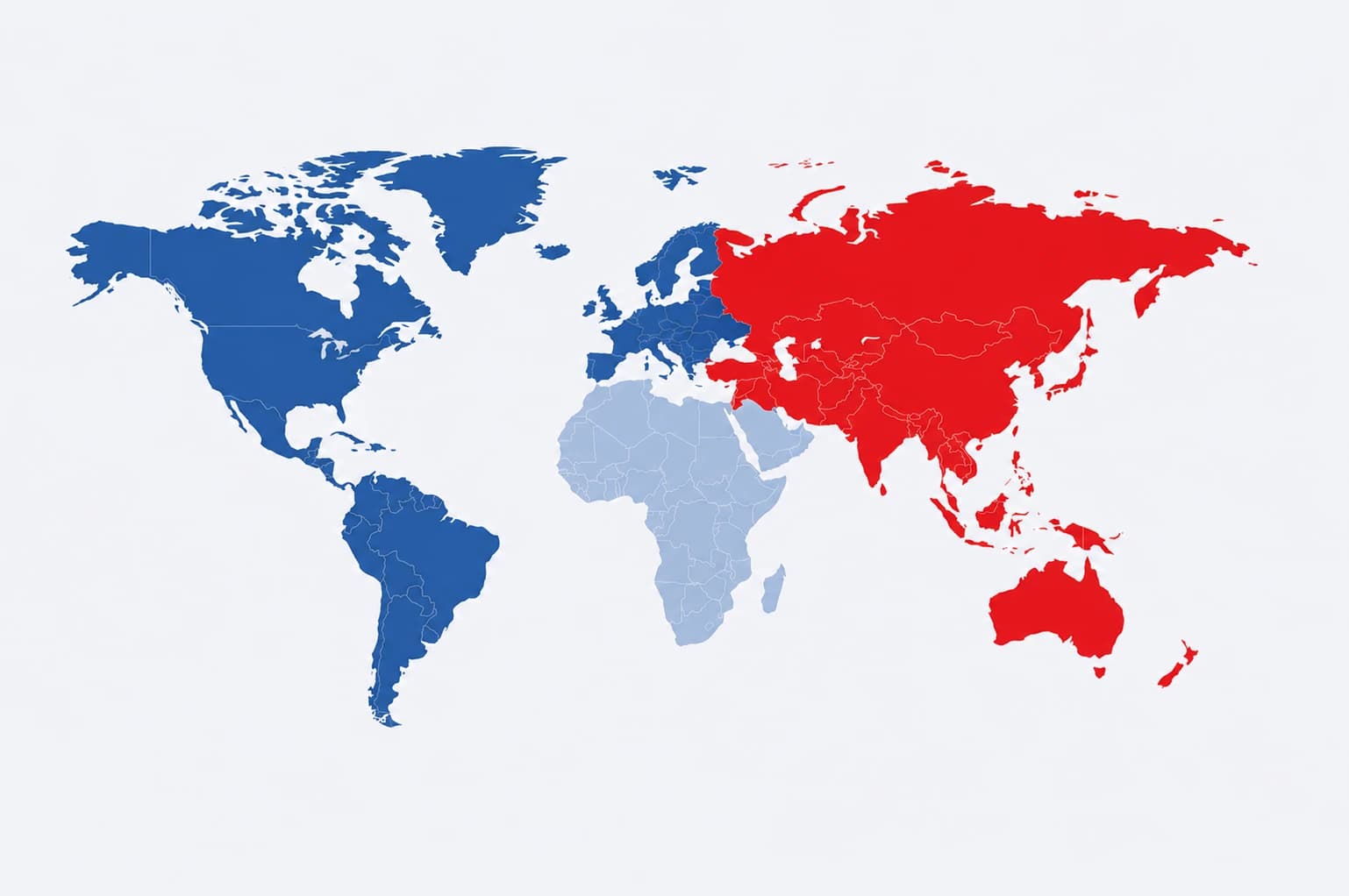
The North American market for Aluminum Alloy Aging Furnace is projected to increase from US$ million in 2025 to US$ million by 2032, at a CAGR of % over 2026–2032.
The Asia-Pacific market for Aluminum Alloy Aging Furnace is projected to rise from US$ million in 2025 to US$ million by 2032, at a CAGR of % over 2026–2032.
Major global manufacturers of Aluminum Alloy Aging Furnace include CEOTHERM Industrial Furnaces, Nutec Bickley, KINGSKY TRADING, Lindberg/MPH, Wardhan Extrusion, Electrotherm Industry, Ingener, HTGP, Tecnocarpent Srl, Ofeng, etc. In 2025, the world's top three vendors accounted for approximately % of revenue.
This report delivers a comprehensive overview of the global Aluminum Alloy Aging Furnace market, with both quantitative and qualitative analyses, to help readers develop growth strategies, assess the competitive landscape, evaluate their position in the current market, and make informed business decisions regarding Aluminum Alloy Aging Furnace. The Aluminum Alloy Aging Furnace market size, estimates, and forecasts are provided in terms of output/shipments (Units) and revenue (US$ millions), with 2025 as the base year and historical and forecast data for 2021–2032.
The report segments the global Aluminum Alloy Aging Furnace market comprehensively. Regional market sizes by Type, by Application, by Furnace Structure, and by company are also provided. For deeper insight, the report profiles the competitive landscape, key competitors, and their respective market rankings, and discusses technological trends and new product developments.
This report will assist Aluminum Alloy Aging Furnace manufacturers, new entrants, and companies across the industry value chain with information on revenues, production, and average prices for the overall market and its sub-segments, by company, by Type, by Application, and by region.
Chapter 1: Defines the scope of the report and presents an executive summary of market segments (by Type, by Application, by Furnace Structure, etc.), including the size of each segment and its future growth potential. It offers a high-level view of the current market and its likely evolution in the short, medium, and long term.
Chapter 2: Provides a detailed analysis of the competitive landscape for Aluminum Alloy Aging Furnace manufacturers, including prices, production, value-based market shares, latest development plans, and information on mergers and acquisitions.
Chapter 3: Examines Aluminum Alloy Aging Furnace production/output and value by region and country, providing a quantitative assessment of market size and growth potential for each region over the next six years.
Chapter 4: Analyzes Aluminum Alloy Aging Furnace consumption at the regional and country levels. It quantifies market size and growth potential for each region and its key countries, and outlines market development, outlook, addressable space, and national production.
Chapter 5: Analyzes market segments by Type, covering the size and growth potential of each segment to help readers identify “blue ocean” opportunities.
Chapter 6: Analyzes market segments by Application, covering the size and growth potential of each segment to help readers identify “blue ocean” opportunities in downstream markets.
Chapter 7: Profiles key players, detailing the fundamentals of major companies, including product production/output, value, price, gross margin, product portfolio/introductions, and recent developments.
Chapter 8: Reviews the industry value chain, including upstream and downstream segments.
Chapter 9: Discusses market dynamics and recent developments, including drivers, restraints, challenges and risks for manufacturers, U.S. Tariffs and relevant policy analysis.
Chapter 10: Summarizes the key findings and conclusions of the report.
- ★ What Is The Overall Market Size And Projected Growth Rate Across Global And Regional Segments?
- ★ How Does The Market Size And Growth Outlook Vary Across Major Countries?
- ★ Which Region Or Market Sub-Segment Is Anticipated To Dominate Growth During The Forecast Period?
- ★ What Are The Primary Factors Expected To Drive Market Expansion, And What Challenges May Restrain Growth?
- ★ Which Emerging Technologies And Market Trends Are Shaping The Future Landscape?
- ★ What Are The Most Significant Opportunities Available In The Market?
- ★ Who Are The Leading Manufacturers Actively Participating In The Global Market?
- ★ Which Company Currently Holds The Largest Share Of The Market?
- ★ What Are The Potential Growth Avenues For New Entrants In The Global Market?