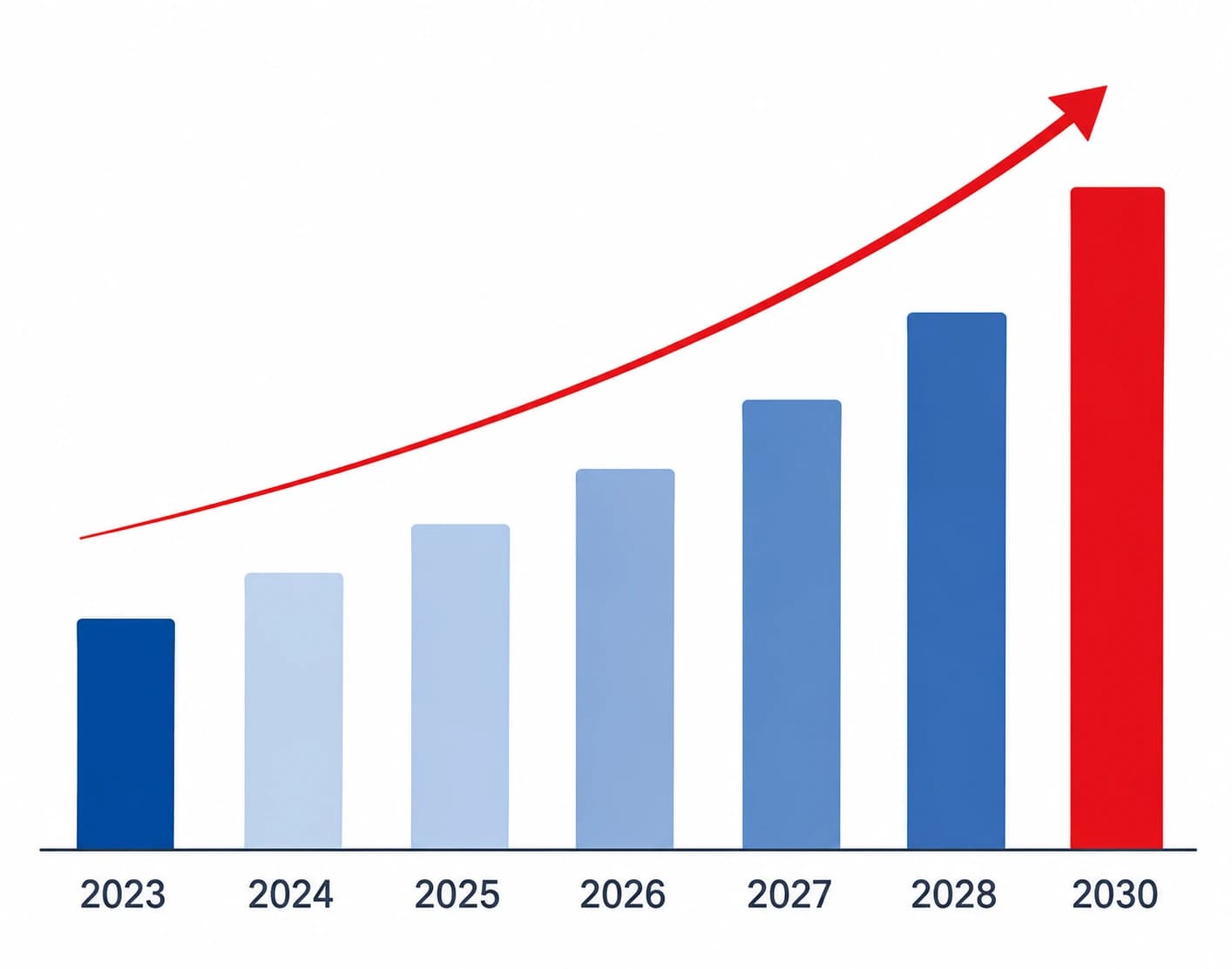
The global Peripheral Bone Densitometry Measurement market was valued at US$ 316 million in 2024 and is anticipated to reach US$ 429 million by 2031, witnessing a CAGR of 4.5% during the forecast period 2025-2031.
Bone density or bone mineral density (BMD) is the amount of bone mineral in bone tissue. Bone density measurement is used in clinical medicine as an indirect indicator of osteoporosis and fracture risk. Bone densitometers are known to offer improved diagnostic sensitivity in cases of osteoporotic fractures, playing a vital role in diagnosis of fracture before it could occur. It is measured by a procedure called densitometry, often performed in the radiology or nuclear medicine departments of hospitals or clinics. The measurement is painless and non-invasive and involves low radiation exposure.
A key driver in the axial bone densitometry measurement market is the growing aging population worldwide. As the elderly population increases, so does the prevalence of bone-related diseases such as osteoporosis. This demographic shift fuels the demand for axial bone densitometry measurements, which are essential for diagnosing bone density issues and assessing fracture risk. However, a significant challenge in this market is the cost of equipment and accessibility to these diagnostic services. High upfront costs for densitometry machines and limited access in certain regions hinder widespread adoption, making it crucial for stakeholders to address affordability and equitable distribution to ensure effective bone health management, particularly in underserved areas.
This report aims to provide a comprehensive presentation of the global market for Peripheral Bone Densitometry Measurement, with both quantitative and qualitative analysis, to help readers develop business/growth strategies, assess the market competitive situation, analyze their position in the current marketplace, and make informed business decisions regarding Peripheral Bone Densitometry Measurement.
The Peripheral Bone Densitometry Measurement market size, estimations, and forecasts are provided in terms of revenue ($ millions), considering 2024 as the base year, with history and forecast data for the period from 2020 to 2031. This report segments the global Peripheral Bone Densitometry Measurement market comprehensively. Regional market sizes, concerning products by Type, by Application, and by players, are also provided.
For a more in-depth understanding of the market, the report provides profiles of the competitive landscape, key competitors, and their respective market ranks. The report also discusses technological trends and new product developments.
The report will help the Peripheral Bone Densitometry Measurement manufacturers, new entrants, and industry chain related companies in this market with information on the revenues for the overall market and the sub-segments across the different segments, by company, by Type, by Application, and by regions.
Chapter 1: Introduces the report scope of the report, executive summary of different market segments (by region, product type, application, etc), including the market size of each market segment, future development potential, and so on. It offers a high-level view of the current state of the market and its likely evolution in the short to mid-term, and long term.
Chapter 2: key insights, key emerging trends, etc.
Chapter 3: Manufacturers competitive analysis, detailed analysis of Peripheral Bone Densitometry Measurement manufacturers competitive landscape, revenue market share, latest development plan, merger, and acquisition information, etc.
Chapter 4: Provides profiles of key players, introducing the basic situation of the main companies in the market in detail, including product revenue, gross margin, product introduction, recent development, etc.
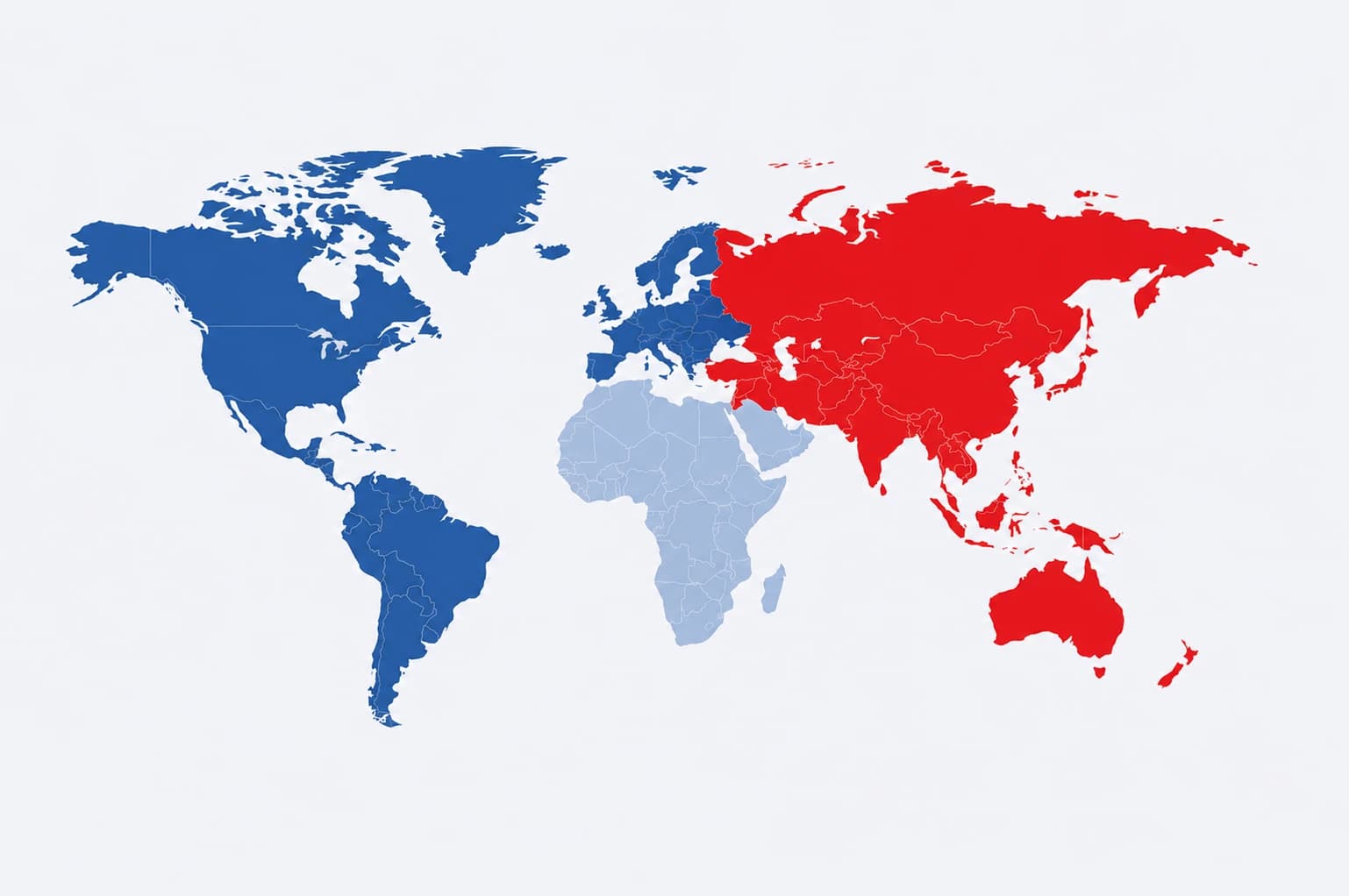
Chapter 5 & 6: Revenue of Peripheral Bone Densitometry Measurement in regional level and country level. It provides a quantitative analysis of the market size and development potential of each region and its main countries and introduces the market development, future development prospects, market space, and market size of each country in the world.
Chapter 7: Provides the analysis of various market segments by Type, covering the market size and development potential of each market segment, to help readers find the blue ocean market in different market segments.
Chapter 8: Provides the analysis of various market segments by Application, covering the market size and development potential of each market segment, to help readers find the blue ocean market in different downstream markets.
Chapter 9: Analysis of industrial chain, including the upstream and downstream of the industry.
Chapter 10: The main points and conclusions of the report.
- ★ What Is The Overall Market Size And Projected Growth Rate Across Global And Regional Segments?
- ★ How Does The Market Size And Growth Outlook Vary Across Major Countries?
- ★ Which Region Or Market Sub-Segment Is Anticipated To Dominate Growth During The Forecast Period?
- ★ What Are The Primary Factors Expected To Drive Market Expansion, And What Challenges May Restrain Growth?
- ★ Which Emerging Technologies And Market Trends Are Shaping The Future Landscape?
- ★ What Are The Most Significant Opportunities Available In The Market?
- ★ Who Are The Leading Manufacturers Actively Participating In The Global Market?
- ★ Which Company Currently Holds The Largest Share Of The Market?
- ★ What Are The Potential Growth Avenues For New Entrants In The Global Market?