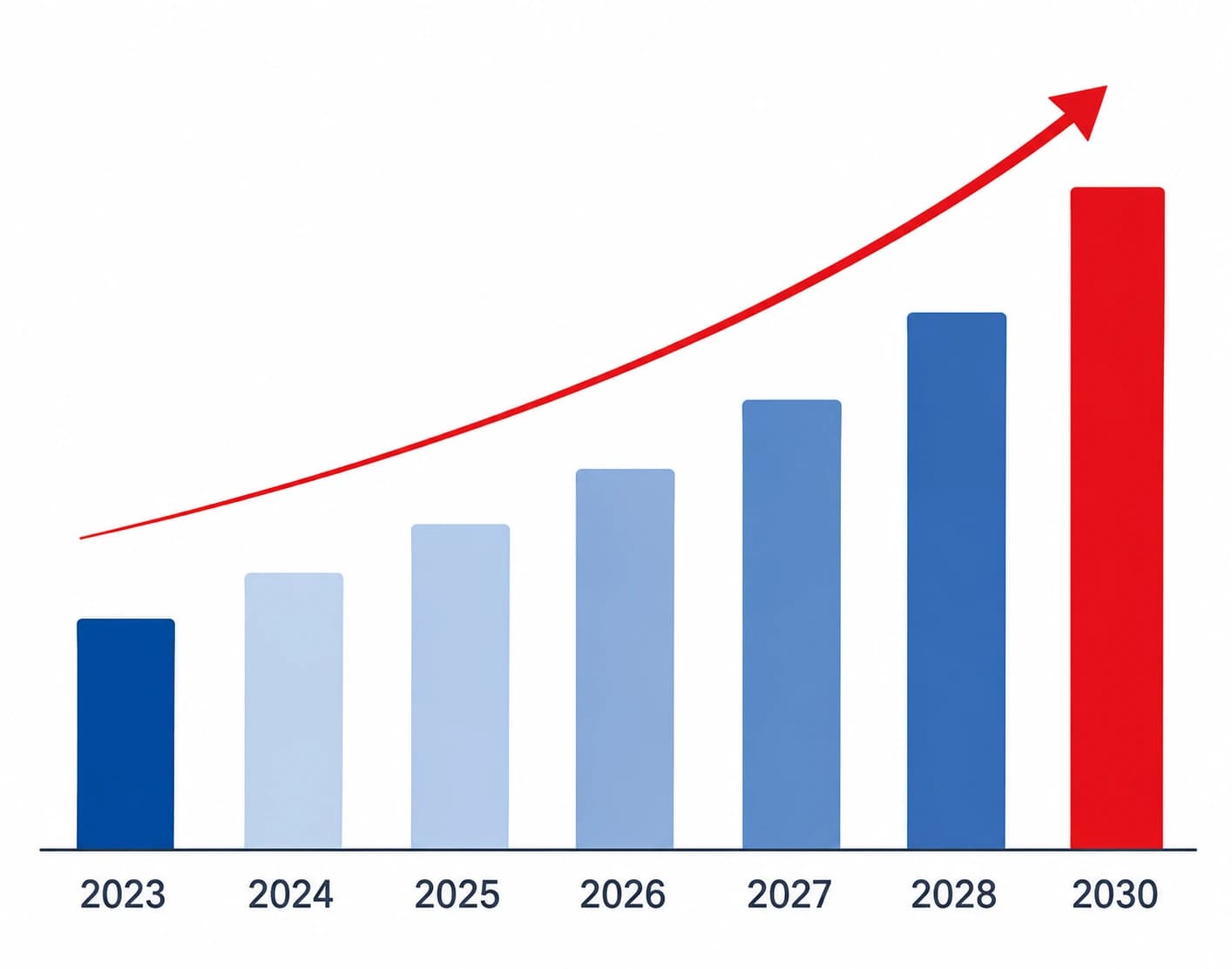
The global Container Tilters market was valued at US$ 1264 million in 2025 and is anticipated to reach US$ 1788 million by 2032, witnessing a CAGR of 5.2% during the forecast period 2026-2032.
In 2024, global Container Tilters production reached approximately 151,171 units, with an average global market price of around US$ 8,000 per unit.Container tilters are specialized mechanical equipment used to safely and controllably tilt standard shipping containers, special containers, or industrial containers at a set angle (typically 0–45°, 0–70°, 0–90°, with some models reaching 180°) to facilitate rapid loading, unloading, or factory material handling of bulk materials. The equipment typically consists of a high-strength steel frame, a hydraulic power system (hydraulic pump, hydraulic cylinders, valve assembly), a tilting mechanism, a container locking device, and an electrical control and safety system. Smooth tilting movements can be achieved through hydraulic or servo drive.
Gross Profit Margin Levels
In the container tilting system industry, the overall gross profit margin exhibits a typical "technology/brand-driven industrial equipment" structure: High-end brands from Europe, America, Australia, and New Zealand, relying on patented tilting mechanism designs, complex process certifications, intelligent control systems, and global service networks, typically offer customized solutions and turnkey projects for their 20/40ft container tilting and unloading systems. Single-unit gross profit margins can be maintained in the 30%–45% range, with some high-value-added projects (including weighing, remote monitoring, and system integration) even higher. Mid-to-high-end manufacturers in Europe maintain stable gross profit margins of around 25%–35% in regional markets through differentiated engineering designs and localized services. In contrast, suppliers in emerging markets such as China and India, leveraging cost advantages in steel structures and hydraulic components, offer more price-sensitive products through mass production and cross-border e-commerce channels. Their overall gross profit margins are mostly concentrated in the 15%–25% range, but overall profitability remains considerable due to large-scale shipments and the availability of related chassis/trailers and other extended products. Under a broad weighted average, the global container tilters industry's average gross profit margin is roughly between 25% and 35%. High-end brands contribute the majority of profits, while mid-to-low-end manufacturers rapidly increase market penetration and equipment ownership through large-scale production, laying the foundation for subsequent spare parts and service businesses.
The core forces driving the continued growth of the container tilters industry come from improved global bulk material logistics efficiency, increased safety and ergonomic requirements in manufacturing, and the trend towards multimodal transport and automation upgrades. On the one hand, the reliance on the "bulk + container" multimodal transport model is deepening in sectors such as mining, metal recycling, grain and fertilizer, cement and building materials. Tilting loading/unloading systems can achieve "completing a container in minutes" using gravity loading and unloading without constructing complex funnels and deep pits, significantly shortening turnaround time and increasing container loading rates. On the other hand, the manufacturing and warehousing logistics industries are becoming increasingly sensitive to safety, ergonomics, and labor costs. Small container tilters replace manual handling of containers and bending over in workshops, effectively reducing the risk of workplace injuries and increasing individual output, which has been actively promoted by European and American regulations and corporate EHS departments. Simultaneously, the wave of intelligent manufacturing and port automation is driving tilters to evolve into intelligent equipment "with sensors, weighing capabilities, and remote monitoring," linking with conveyor lines, pneumatic conveying, silo management systems, and port loading and unloading machinery to achieve full-process data visualization and predictive maintenance. With the acceleration of industrialization and infrastructure investment in the Asia-Pacific, Middle East, and Latin America regions, container tilters, as key pieces of equipment for efficient handling of bulk materials and improvement of workshop ergonomics, are expected to continue to expand in the coming years within a compound annual growth rate range of 6%–7%, and the industry concentration and brand premium will also gradually strengthen.
This report aims to provide a comprehensive presentation of the global market for Container Tilters, with both quantitative and qualitative analysis, to help readers develop business/growth strategies, assess the market competitive situation, analyze their position in the current marketplace, and make informed business decisions regarding Container Tilters.
The Container Tilters market size, estimations, and forecasts are provided in terms of sales quantity (K Units) and revenue ($ millions), considering 2025 as the base year, with history and forecast data for the period from 2021 to 2032. This report segments the global Container Tilters market comprehensively. Regional market sizes, concerning products by Type, by Application, and by players, are also provided.
For a more in-depth understanding of the market, the report provides profiles of the competitive landscape, key competitors, and their respective market ranks. The report also discusses technological trends and new product developments.
The report will help the Container Tilters manufacturers, new entrants, and industry chain related companies in this market with information on the revenues, sales, and average price for the overall market and the sub-segments across the different segments, by company, by Type, by Application, and by regions.
Chapter 1: Introduces the report scope of the report, executive summary of different market segments (by region, product type, application, etc), including the market size of each market segment, future development potential, and so on. It offers a high-level view of the current state of the market and its likely evolution in the short to mid-term, and long term.
Chapter 2: key insights, key emerging trends, etc.
Chapter 3: Manufacturers competitive analysis, detailed analysis of Container Tilters manufacturers competitive landscape, price, sales and revenue market share, latest development plan, merger, and acquisition information, etc.
Chapter 4: Provides profiles of key players, introducing the basic situation of the main companies in the market in detail, including product sales, revenue, price, gross margin, product introduction, recent development, etc.
Chapter 5 & 6: Sales, revenue of Container Tilters in regional level and country level. It provides a quantitative analysis of the market size and development potential of each region and its main countries and introduces the market development, future development prospects, market space, and market size of each country in the world.
Chapter 7: Provides the analysis of various market segments by Type, covering the market size and development potential of each market segment, to help readers find the blue ocean market in different market segments.
Chapter 8: Provides the analysis of various market segments by Application, covering the market size and development potential of each market segment, to help readers find the blue ocean market in different downstream markets.
Chapter 9: Analysis of industrial chain, including the upstream and downstream of the industry.
Chapter 10: The main points and conclusions of the report.
- ★ What Is The Overall Market Size And Projected Growth Rate Across Global And Regional Segments?
- ★ How Does The Market Size And Growth Outlook Vary Across Major Countries?
- ★ Which Region Or Market Sub-Segment Is Anticipated To Dominate Growth During The Forecast Period?
- ★ What Are The Primary Factors Expected To Drive Market Expansion, And What Challenges May Restrain Growth?
- ★ Which Emerging Technologies And Market Trends Are Shaping The Future Landscape?
- ★ What Are The Most Significant Opportunities Available In The Market?
- ★ Who Are The Leading Manufacturers Actively Participating In The Global Market?
- ★ Which Company Currently Holds The Largest Share Of The Market?
- ★ What Are The Potential Growth Avenues For New Entrants In The Global Market?