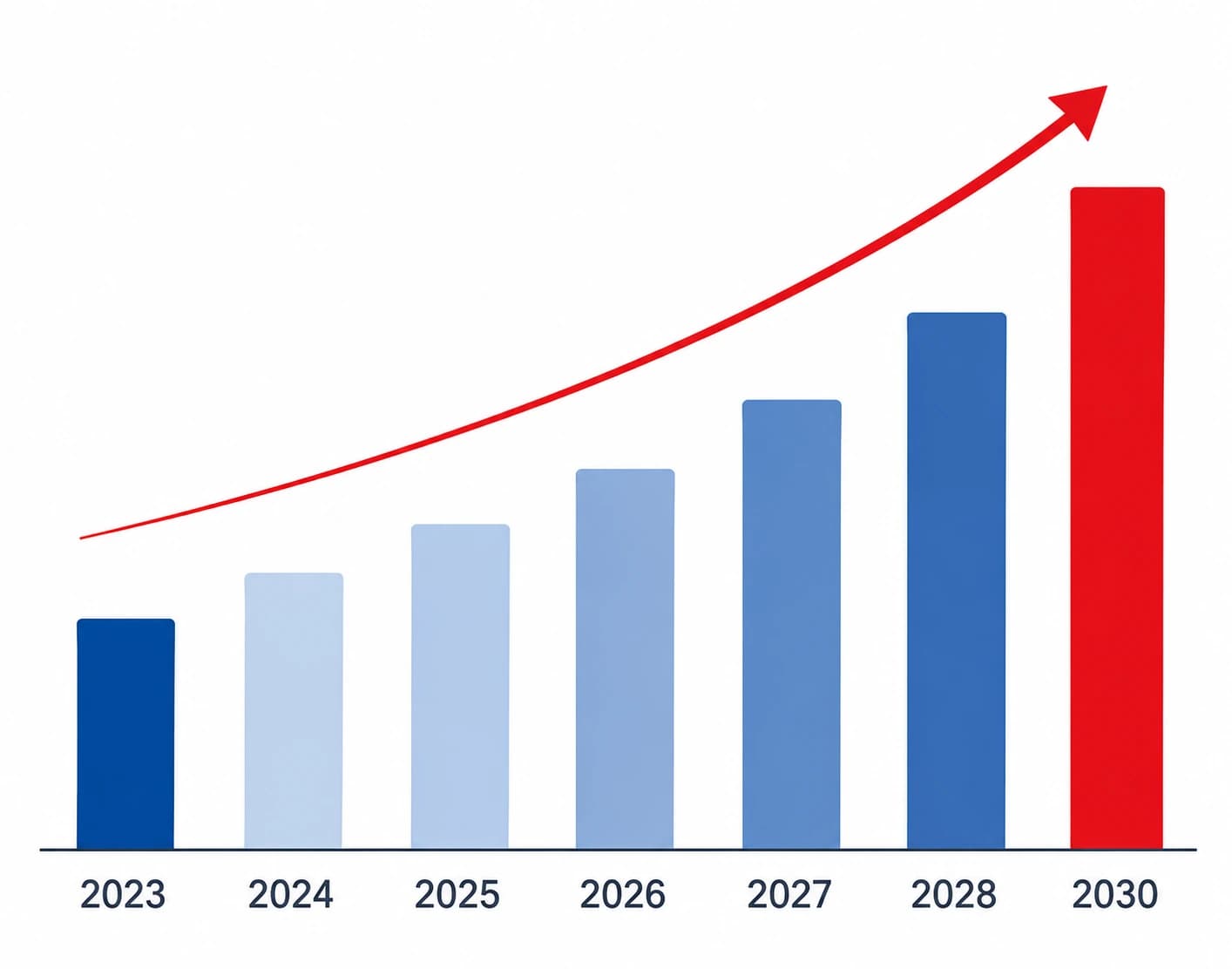
The global X-ray Food and Pharmaceutical Inspection Equipment market was valued at US$ 368 million in 2025 and is anticipated to reach US$ 515 million by 2032, witnessing a CAGR of 5.0% during the forecast period 2026-2032.
In 2024, global X-ray Food and Pharmaceutical Inspection Equipment production reached approximately 7300 units, with an average global market price of around US$ 48000 per unit. X-ray Food and Pharmaceutical Inspection Equipment uses x-ray inspection technology to ensure food safety and quality. X-ray inspection gives them exceptional levels of metal detection for ferrous, non-ferrous, and stainless-steel. The technology is also extremely good at detecting other foreign bodies such as glass, stone, bone, high density plastics, and rubber compounds.
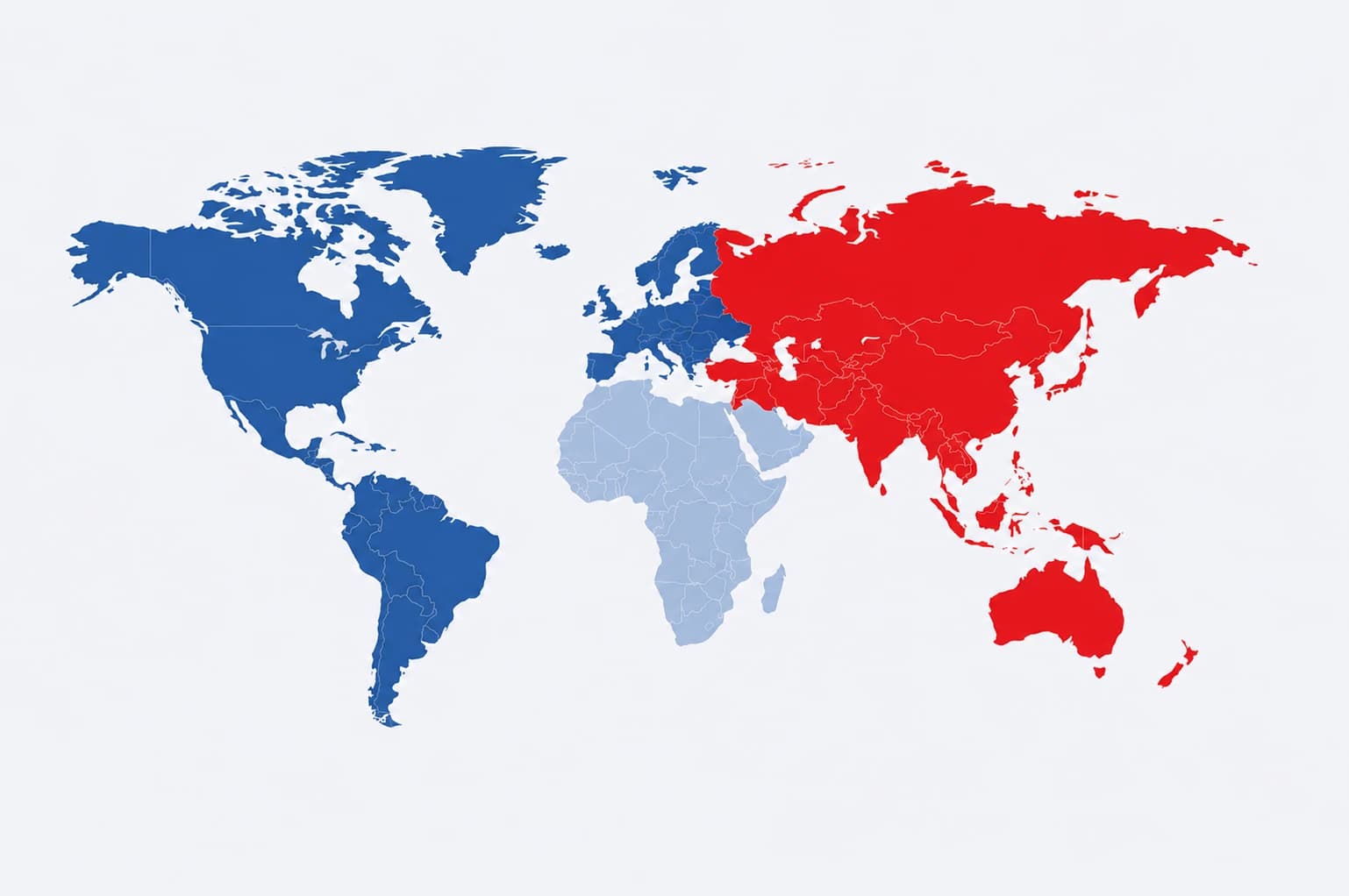
The X-ray Food and Pharmaceutical Inspection Equipment market is a vital segment within the food safety and quality assurance industry, playing a crucial role in ensuring the safety, integrity, and regulatory compliance of food products worldwide. These systems utilize advanced X-ray technology to detect physical contaminants such as metal fragments, glass shards, stones, bone pieces, and certain plastics within packaged and unpackaged food items, thereby protecting consumers and manufacturers alike from the risks of contamination. One of the primary factors driving the growth of the X-ray Food and Pharmaceutical Inspection Equipment market is the increasing global demand for higher food safety standards. Governments and regulatory bodies across regions such as North America, Europe, and Asia-Pacific have been intensifying food safety regulations, mandating stringent inspection protocols to prevent contaminated products from entering the supply chain. Regulatory frameworks like the FDA’s Food Safety Modernization Act (FSMA), the European Food Safety Authority (EFSA) guidelines, and similar policies worldwide have emphasized the importance of adopting advanced inspection technologies, boosting the market's expansion. The food and beverage sector dominates the market, with applications spanning processed foods, dairy products, meat and poultry, bakery items, confectionery, fruits, and vegetables. In particular, ready-to-eat and packaged foods have witnessed increased usage of X-ray inspection systems due to the rising consumer preference for convenience foods, which necessitate rigorous contamination control measures. Regionally, North America and Europe represent mature markets characterized by high adoption rates, extensive regulatory frameworks, and significant investments in food safety technologies. The Asia-Pacific region, however, is emerging as the fastest-growing market due to rapid urbanization, rising disposable incomes, expanding food processing industries, and increasing consumer awareness regarding food safety. Countries like China, India, Japan, and South Korea are investing heavily in upgrading their food inspection infrastructure, creating substantial growth opportunities for X-ray inspection equipment manufacturers.
This report aims to provide a comprehensive presentation of the global market for X-ray Food and Pharmaceutical Inspection Equipment, with both quantitative and qualitative analysis, to help readers develop business/growth strategies, assess the market competitive situation, analyze their position in the current marketplace, and make informed business decisions regarding X-ray Food and Pharmaceutical Inspection Equipment.
The X-ray Food and Pharmaceutical Inspection Equipment market size, estimations, and forecasts are provided in terms of sales quantity (Units) and revenue ($ millions), considering 2025 as the base year, with history and forecast data for the period from 2021 to 2032. This report segments the global X-ray Food and Pharmaceutical Inspection Equipment market comprehensively. Regional market sizes, concerning products by Type, by Application, and by players, are also provided.
For a more in-depth understanding of the market, the report provides profiles of the competitive landscape, key competitors, and their respective market ranks. The report also discusses technological trends and new product developments.
The report will help the X-ray Food and Pharmaceutical Inspection Equipment manufacturers, new entrants, and industry chain related companies in this market with information on the revenues, sales, and average price for the overall market and the sub-segments across the different segments, by company, by Type, by Application, and by regions.
Chapter 1: Introduces the report scope of the report, executive summary of different market segments (by region, product type, application, etc), including the market size of each market segment, future development potential, and so on. It offers a high-level view of the current state of the market and its likely evolution in the short to mid-term, and long term.
Chapter 2: key insights, key emerging trends, etc.
Chapter 3: Manufacturers competitive analysis, detailed analysis of X-ray Food and Pharmaceutical Inspection Equipment manufacturers competitive landscape, price, sales and revenue market share, latest development plan, merger, and acquisition information, etc.
Chapter 4: Provides profiles of key players, introducing the basic situation of the main companies in the market in detail, including product sales, revenue, price, gross margin, product introduction, recent development, etc.
Chapter 5 & 6: Sales, revenue of X-ray Food and Pharmaceutical Inspection Equipment in regional level and country level. It provides a quantitative analysis of the market size and development potential of each region and its main countries and introduces the market development, future development prospects, market space, and market size of each country in the world.
Chapter 7: Provides the analysis of various market segments by Type, covering the market size and development potential of each market segment, to help readers find the blue ocean market in different market segments.
Chapter 8: Provides the analysis of various market segments by Application, covering the market size and development potential of each market segment, to help readers find the blue ocean market in different downstream markets.
Chapter 9: Analysis of industrial chain, including the upstream and downstream of the industry.
Chapter 10: The main points and conclusions of the report.
- ★ What Is The Overall Market Size And Projected Growth Rate Across Global And Regional Segments?
- ★ How Does The Market Size And Growth Outlook Vary Across Major Countries?
- ★ Which Region Or Market Sub-Segment Is Anticipated To Dominate Growth During The Forecast Period?
- ★ What Are The Primary Factors Expected To Drive Market Expansion, And What Challenges May Restrain Growth?
- ★ Which Emerging Technologies And Market Trends Are Shaping The Future Landscape?
- ★ What Are The Most Significant Opportunities Available In The Market?
- ★ Who Are The Leading Manufacturers Actively Participating In The Global Market?
- ★ Which Company Currently Holds The Largest Share Of The Market?
- ★ What Are The Potential Growth Avenues For New Entrants In The Global Market?