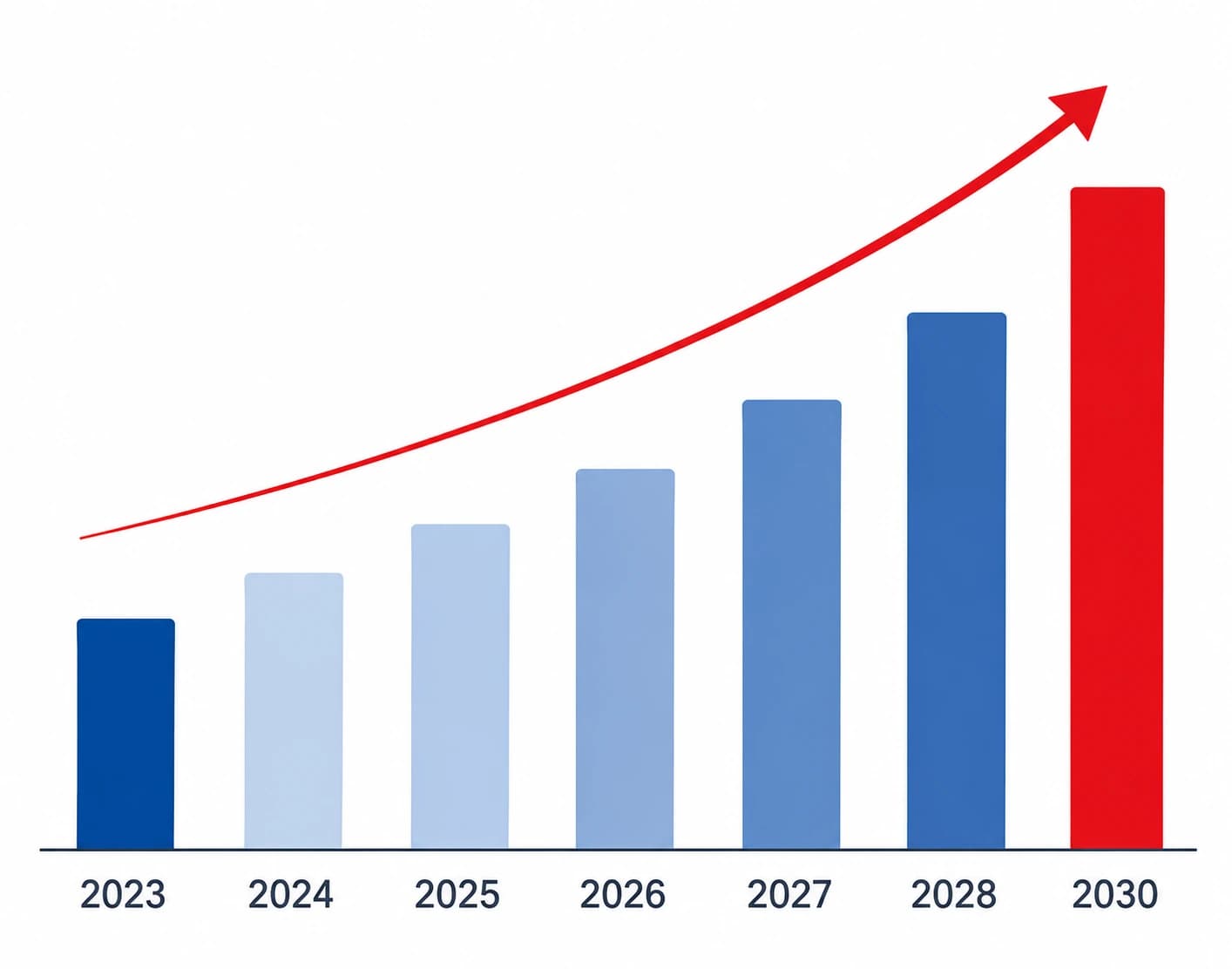
The global Anti-Corrosion Coatings for Petrifaction market was valued at US$ 33191 million in 2025 and is anticipated to reach US$ 47205 million by 2032, witnessing a CAGR of 5.0% during the forecast period 2026-2032.
Anti-corrosion coatings for petrifaction (petrochemical/refining) are specialized protective layers (like epoxy, FBE, polyurea) applied to metal equipment (pipes, tanks, structures) to shield them from harsh, corrosive elements (H2S, CO2, moisture, chemicals, high heat) in oil & gas operations, preventing rust, extending asset life, and reducing costly failures by creating a robust barrier or using inhibitors. In 2025, global Anti-Corrosion Coatings for Petrifaction production reached approximately 4665 K MT, with an average global market price of around US$ 7115 per MT.
Anti-corrosion coatings for petrochemical/refining (“petrifaction”) facilities are primarily driven by asset-integrity needs in extremely aggressive operating environments: salt-laden coastal air, chemical fumes, acid/alkali exposure, solvents, splash/spill zones, and temperature cycling on steel and concrete. As refineries, crackers, and downstream chemical plants age, owners face rising corrosion risk on pipe racks, structural steel, storage tanks, and secondary containment—so spending shifts toward higher-performance systems that extend inspection intervals and reduce unplanned outages. New-build and capacity expansions also pull demand because coating specifications are “built in” to EPC scopes (shop-applied primers, field-applied barrier coats, tank linings), and volumes scale directly with installed steel tonnage and surface area.
A second driver is the economics of downtime and safety. Petrochemical turnarounds are expensive, and a corrosion-related failure can trigger shutdowns, environmental releases, or fire risk—so operators favor proven coating stacks (zinc-rich primers + high-build epoxies + durable topcoats) and specialized linings for immersion/chemical service (epoxy phenolic/novolac, vinyl ester, glass-flake systems). This segment is strongly specification-led: owner-approved product lists, third-party testing requirements, and strict QA/QC (surface preparation standards, DFT control, holiday testing, adhesion checks) make “qualified” coatings sticky once adopted, which supports repeat demand through maintenance cycles and multi-site standardization.
Technology shifts also drive upgrades: corrosion-under-insulation (CUI) mitigation on hot piping and vessels, higher-temperature resistance, faster cure to shorten turnaround windows, improved wetting/tolerance for marginal surface prep during maintenance, and longer color/gloss retention for UV-exposed assets. At the same time, environmental rules and site permitting push formulators toward low-VOC or high-solids options (and in some cases waterborne, though performance constraints apply), creating reformulation-driven replacement cycles. Finally, service factors matter as much as chemistry—global producers that can deliver consistent batches, documentation, on-site technical support, and reliable logistics often win share because project delays and rework costs outweigh small product price differences.
Industry gross profit margins for anti-corrosion coatings serving petrochemical uses are typically moderate-to-healthy versus commodity paints, commonly in the mid-20% to mid-30% range for established suppliers, with higher margins possible for specialty tank linings, high-temperature/CUI systems, and bundled technical service.
This report aims to provide a comprehensive presentation of the global market for Anti-Corrosion Coatings for Petrifaction, with both quantitative and qualitative analysis, to help readers develop business/growth strategies, assess the market competitive situation, analyze their position in the current marketplace, and make informed business decisions regarding Anti-Corrosion Coatings for Petrifaction.
The Anti-Corrosion Coatings for Petrifaction market size, estimations, and forecasts are provided in terms of sales quantity (Kiloton) and revenue ($ millions), considering 2025 as the base year, with history and forecast data for the period from 2021 to 2032. This report segments the global Anti-Corrosion Coatings for Petrifaction market comprehensively. Regional market sizes, concerning products by Type, by Application, and by players, are also provided.
For a more in-depth understanding of the market, the report provides profiles of the competitive landscape, key competitors, and their respective market ranks. The report also discusses technological trends and new product developments.
The report will help the Anti-Corrosion Coatings for Petrifaction manufacturers, new entrants, and industry chain related companies in this market with information on the revenues, sales, and average price for the overall market and the sub-segments across the different segments, by company, by Type, by Application, and by regions.
Chapter 1: Introduces the report scope of the report, executive summary of different market segments (by region, product type, application, etc), including the market size of each market segment, future development potential, and so on. It offers a high-level view of the current state of the market and its likely evolution in the short to mid-term, and long term.
Chapter 2: key insights, key emerging trends, etc.
Chapter 3: Manufacturers competitive analysis, detailed analysis of Anti-Corrosion Coatings for Petrifaction manufacturers competitive landscape, price, sales and revenue market share, latest development plan, merger, and acquisition information, etc.
Chapter 4: Provides profiles of key players, introducing the basic situation of the main companies in the market in detail, including product sales, revenue, price, gross margin, product introduction, recent development, etc.
Chapter 5 & 6: Sales, revenue of Anti-Corrosion Coatings for Petrifaction in regional level and country level. It provides a quantitative analysis of the market size and development potential of each region and its main countries and introduces the market development, future development prospects, market space, and market size of each country in the world.
Chapter 7: Provides the analysis of various market segments by Type, covering the market size and development potential of each market segment, to help readers find the blue ocean market in different market segments.
Chapter 8: Provides the analysis of various market segments by Application, covering the market size and development potential of each market segment, to help readers find the blue ocean market in different downstream markets.
Chapter 9: Analysis of industrial chain, including the upstream and downstream of the industry.
Chapter 10: The main points and conclusions of the report.
- ★ What Is The Overall Market Size And Projected Growth Rate Across Global And Regional Segments?
- ★ How Does The Market Size And Growth Outlook Vary Across Major Countries?
- ★ Which Region Or Market Sub-Segment Is Anticipated To Dominate Growth During The Forecast Period?
- ★ What Are The Primary Factors Expected To Drive Market Expansion, And What Challenges May Restrain Growth?
- ★ Which Emerging Technologies And Market Trends Are Shaping The Future Landscape?
- ★ What Are The Most Significant Opportunities Available In The Market?
- ★ Who Are The Leading Manufacturers Actively Participating In The Global Market?
- ★ Which Company Currently Holds The Largest Share Of The Market?
- ★ What Are The Potential Growth Avenues For New Entrants In The Global Market?