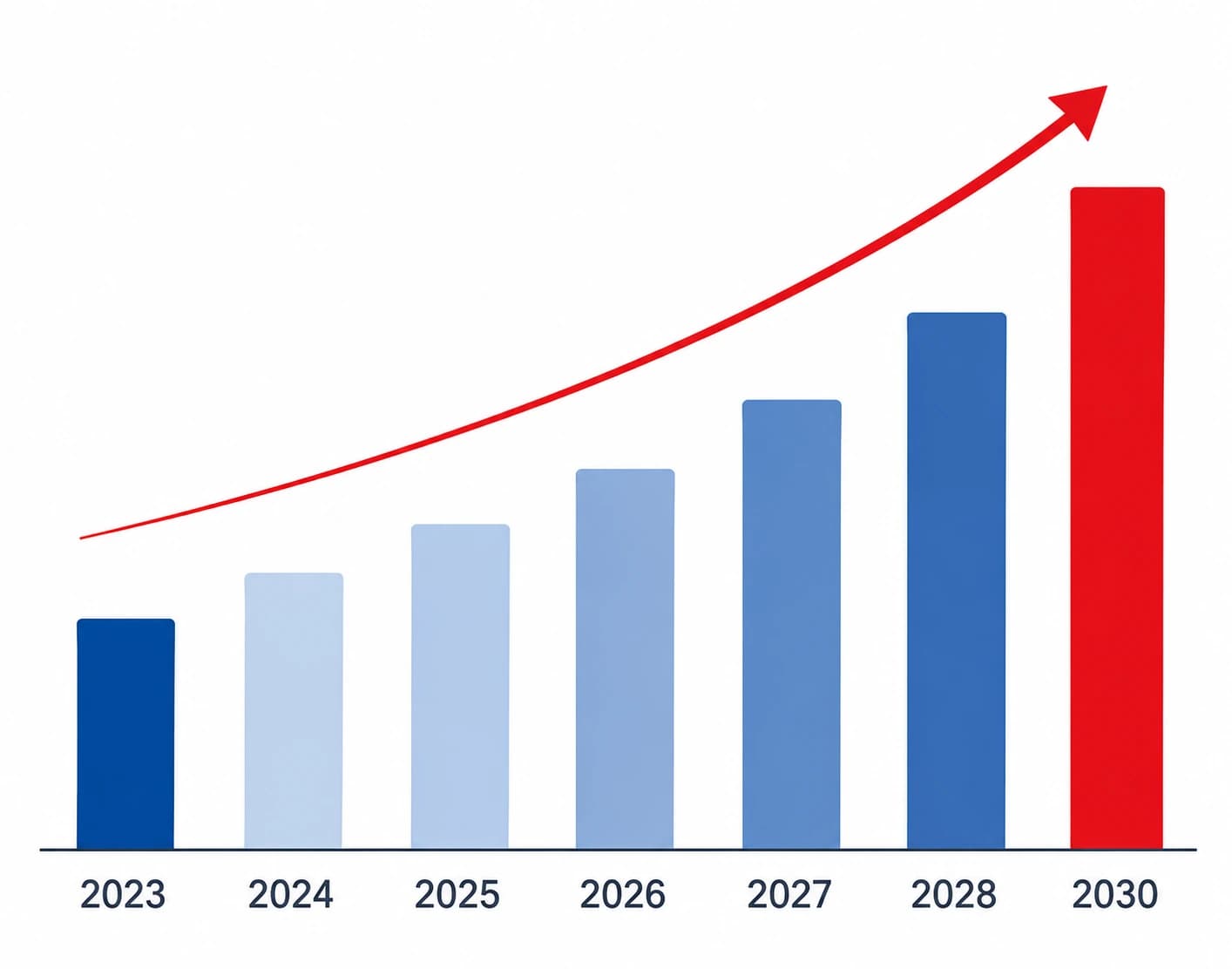
The global Stainless Steel Pipes and Tube market was valued at US$ 36970 million in 2025 and is anticipated to reach US$ 51190 million by 2032, witnessing a CAGR of 4.8% during the forecast period 2026-2032.
The stainless steel pipes and tubes are made of stainless steel round steel, plate (flat plate or coiled plate), hollow long strip steel products processed by special process, steel with open ends and hollow section, and its length and section circumference are relatively large. It includes various shapes such as a circular tube, a square tube, an elliptical tube, and a triangular tube. Because the stainless steel pipe has a hollow section, it has the excellent performance characteristics of stainless steel and low maintenance cost. It is suitable as a conveying pipe for liquids, gases, etc. Stainless steel pipes and tubes are one of the important products in the steel industry and is extremely used widely in the national economy.
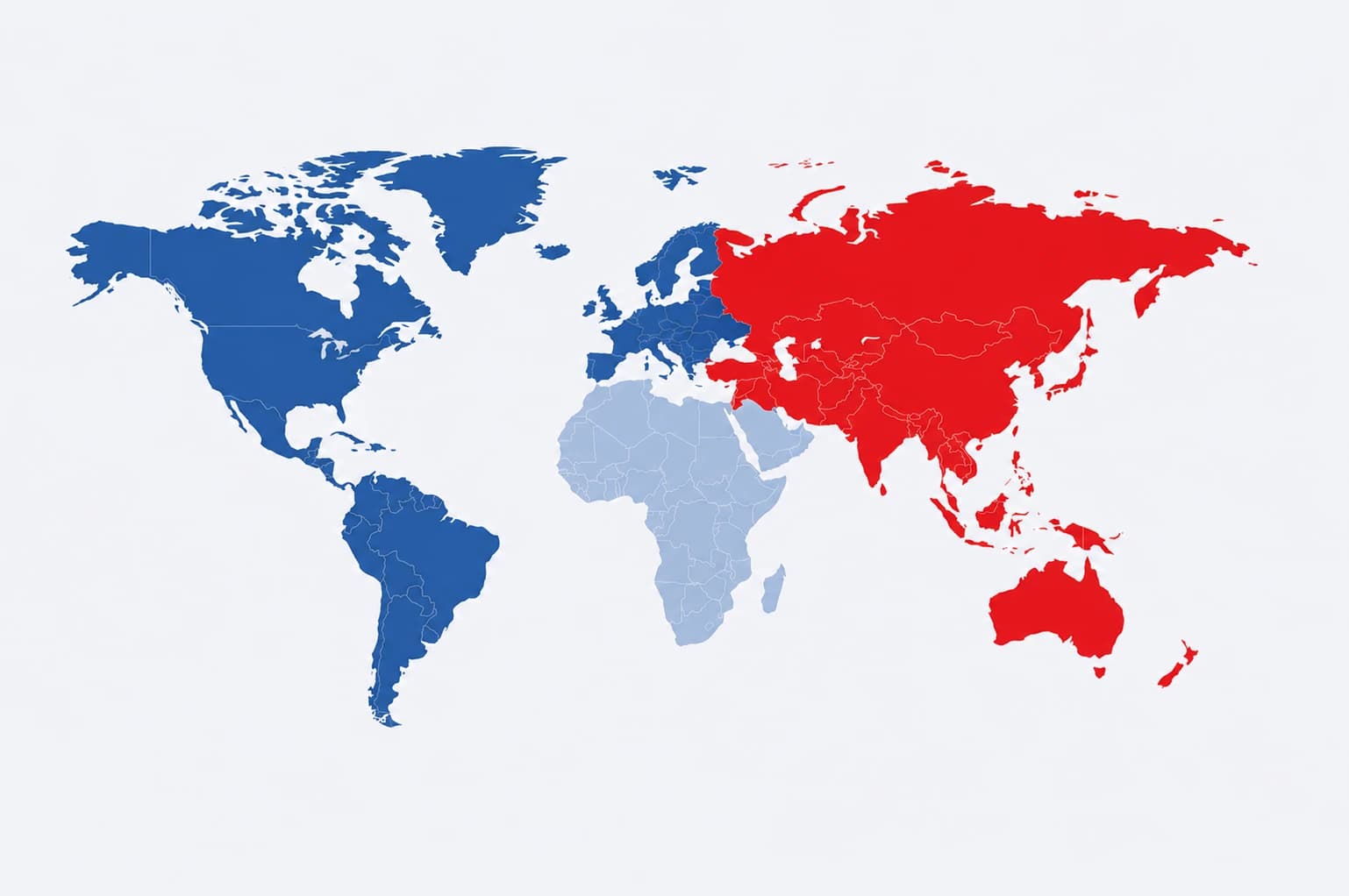
Global key players of stainless steel pipes and tube include Marcegaglia, Fischer Group, Jiuli Group, Sandvik, Wujin Stainless Steel Pipe Group, etc. The top five players hold a share about 10%. Asia-Pacific is the largest market, has a share about 47%, followed by Europe and North America, with share 24% and 20%, separately.
The competition among vendors will increase during the forecast period. Vendors will compete to deliver competitive advantages in the market on the basis of pricing, user-friendly interfaces, value-added benefits, and service portfolios. During the forecast period, we expect this competition to intensify with an increase in product extensions.
Technological innovations have an important role in driving the growth of the market. To sustain in the competitive market, vendors should develop new ideas and technologies and stay up-to-date with the advanced technologies.
Downstream industries such as petrochemicals, automobiles, power , water treatment and other industries rely more on stainless steel tubes will promote further growth of the stainless steel tubes market.
Sustainable materials and practices have gained importance in various industries. Stainless steel, being recyclable and durable, aligns with sustainability goals. This factor might contribute to its continued use and demand.
The stainless tubes market is influenced by global trade dynamics. Factors like trade agreements, tariffs, and geopolitical events can impact the availability and pricing of these materials.
D1: Industrial Growth and Infrastructure Development, Economic growth and industrialization drive the demand for stainless steel pipes and tubes. As industries such as oil and gas, power, chemicals, and automotive expand, they require reliable and durable materials for various applications.
D2: Urbanization and Construction, Urbanization leads to increased construction activity, including residential and commercial buildings, as well as infrastructure like bridges and tunnels. Stainless steel pipes and tubes find applications in plumbing, structural support, and architectural features.
D3: Innovations in manufacturing, such as advanced welding methods, improved forming techniques, and precision machining, enable the production of high-quality stainless steel pipes and tubes with tighter tolerances and enhanced performance.
This report aims to provide a comprehensive presentation of the global market for Stainless Steel Pipes and Tube, with both quantitative and qualitative analysis, to help readers develop business/growth strategies, assess the market competitive situation, analyze their position in the current marketplace, and make informed business decisions regarding Stainless Steel Pipes and Tube.
The Stainless Steel Pipes and Tube market size, estimations, and forecasts are provided in terms of sales quantity (K MT) and revenue ($ millions), considering 2025 as the base year, with history and forecast data for the period from 2021 to 2032. This report segments the global Stainless Steel Pipes and Tube market comprehensively. Regional market sizes, concerning products by Type, by Application, and by players, are also provided.
For a more in-depth understanding of the market, the report provides profiles of the competitive landscape, key competitors, and their respective market ranks. The report also discusses technological trends and new product developments.
The report will help the Stainless Steel Pipes and Tube manufacturers, new entrants, and industry chain related companies in this market with information on the revenues, sales, and average price for the overall market and the sub-segments across the different segments, by company, by Type, by Application, and by regions.
Chapter 1: Introduces the report scope of the report, executive summary of different market segments (by region, product type, application, etc), including the market size of each market segment, future development potential, and so on. It offers a high-level view of the current state of the market and its likely evolution in the short to mid-term, and long term.
Chapter 2: key insights, key emerging trends, etc.
Chapter 3: Manufacturers competitive analysis, detailed analysis of Stainless Steel Pipes and Tube manufacturers competitive landscape, price, sales and revenue market share, latest development plan, merger, and acquisition information, etc.
Chapter 4: Provides profiles of key players, introducing the basic situation of the main companies in the market in detail, including product sales, revenue, price, gross margin, product introduction, recent development, etc.
Chapter 5 & 6: Sales, revenue of Stainless Steel Pipes and Tube in regional level and country level. It provides a quantitative analysis of the market size and development potential of each region and its main countries and introduces the market development, future development prospects, market space, and market size of each country in the world.
Chapter 7: Provides the analysis of various market segments by Type, covering the market size and development potential of each market segment, to help readers find the blue ocean market in different market segments.
Chapter 8: Provides the analysis of various market segments by Application, covering the market size and development potential of each market segment, to help readers find the blue ocean market in different downstream markets.
Chapter 9: Analysis of industrial chain, including the upstream and downstream of the industry.
Chapter 10: The main points and conclusions of the report.
- ★ What Is The Overall Market Size And Projected Growth Rate Across Global And Regional Segments?
- ★ How Does The Market Size And Growth Outlook Vary Across Major Countries?
- ★ Which Region Or Market Sub-Segment Is Anticipated To Dominate Growth During The Forecast Period?
- ★ What Are The Primary Factors Expected To Drive Market Expansion, And What Challenges May Restrain Growth?
- ★ Which Emerging Technologies And Market Trends Are Shaping The Future Landscape?
- ★ What Are The Most Significant Opportunities Available In The Market?
- ★ Who Are The Leading Manufacturers Actively Participating In The Global Market?
- ★ Which Company Currently Holds The Largest Share Of The Market?
- ★ What Are The Potential Growth Avenues For New Entrants In The Global Market?