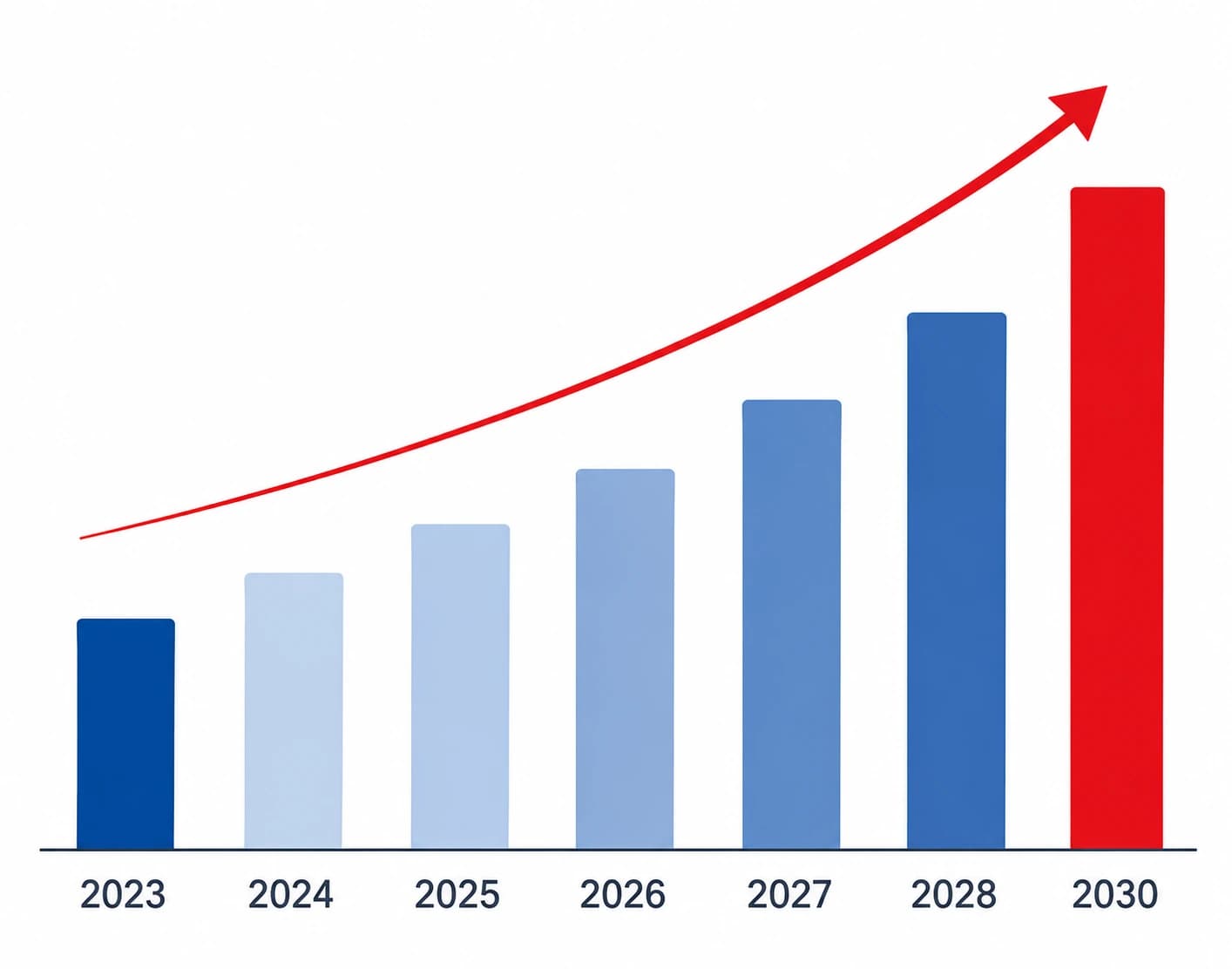
The global market for Luggage Wheels was estimated to be worth US$ 680 million in 2025 and is projected to reach US$ 1089 million, growing at a CAGR of 6.9% from 2026 to 2032.
Luggage Wheels are dedicated mobility components installed on the bottom, corners, or side structures of suitcases, trolley cases, wheeled travel bags, pilot cases, tool cases, musical instrument cases, and other transport cases. The product typically integrates a wheel body, tread, axle, bracket, mounting base, and, for spinner configurations, a vertical rotation mechanism. Main product forms include fixed-direction wheel assemblies and 360-degree spinner wheel assemblies, with single-wheel and twin-wheel configurations. Key specifications include wheel diameter, tread material, bearing structure, mounting geometry, load capacity, rolling resistance, noise performance, abrasion resistance, and impact durability. Polyurethane, polyvinyl chloride, and thermoplastic elastomer are widely used tread materials, while nylon, polypropylene, engineering plastics, steel, and aluminum are commonly applied in wheel cores, brackets, and mounting structures. Product development increasingly focuses on quieter rolling, improved maneuverability, higher load stability, shock absorption, braking, and replaceable or detachable structures.
Global Luggage Wheels sales reached approximately 807 million units in 2025
Global sales are estimated at approximately 859 million units in 2026
Average manufacturer selling prices increased from about US$0.84 to US$0.85 per unit
Four-wheel spinner luggage accounts for approximately two-thirds of mainstream travel suitcase demand
China, China Taiwan, and Japan form the principal global manufacturing cluster
The Luggage Wheels industry is shifting from basic fixed-direction structures toward quieter, smoother, and more stable spinner systems. Twin-wheel configurations are gaining importance in medium- and high-end luggage because they distribute load more evenly and provide improved directional control, while advanced tread compounds and bearing structures reduce rolling noise and vibration. Product differentiation is increasingly based on durability, low-noise performance, replaceability, braking, suspension, and compatibility with thinner or lighter suitcase shells. Luggage brands are also requesting shorter development cycles, custom molds, exclusive exterior designs, and more consistent performance across different floor surfaces. At the same time, growing repair awareness and longer product-life expectations are supporting demand for removable and model-specific replacement wheel assemblies.
The principal growth driver is the sustained expansion of global travel activity and the resulting demand for new and replacement luggage. The increasing penetration of four-wheel spinner suitcases raises the average number of wheel assemblies required per suitcase compared with conventional two-wheel models. Higher customer expectations for quieter movement, easier multidirectional handling, and improved durability are also increasing the value of wheel assemblies used in mid-range and premium luggage. Expansion of luggage manufacturing capacity in China, India, Vietnam, and other Asian production centers further supports demand for specialized wheel suppliers.
Luggage Wheels face persistent price pressure because a large proportion of global demand is supplied through cost-sensitive original equipment contracts. Polyurethane, thermoplastic elastomers, nylon, steel components, bearings, molds, and energy costs influence manufacturing margins, while luggage brands frequently require customized dimensions and mounting structures without committing to long production runs. The absence of universal mounting standards also limits economies of scale, particularly in the replacement market, where incompatible hole spacing and housing designs reduce cross-model interchangeability.
Growth opportunities are concentrated in low-noise spinner wheels, shock-absorbing wheel systems, detachable structures, integrated braking systems, and replacement products designed for specific luggage models. Premium hard-shell suitcases, aluminum-magnesium luggage, pilot cases, camera cases, tool cases, and other professional transport cases offer higher specification requirements and more favorable pricing than basic travel luggage. Suppliers with integrated mold development, polymer formulation, injection molding, metal processing, assembly, and testing capabilities are positioned to capture customized programs from global luggage brands and regional manufacturers.
The industry remains highly fragmented, with numerous small and medium-sized manufacturers competing on price, tooling speed, and customer relationships. Product quality can vary significantly in noise, wear resistance, axle strength, turning stability, and long-term load performance, creating qualification risks for luggage brands. Suppliers must also manage frequent style changes, relatively short product cycles, intellectual property concerns, fragmented replacement specifications, and fluctuations in travel-related consumer demand. Maintaining consistent performance across mass-produced components while controlling tooling and labor costs remains a core operational challenge.
The upstream segment consists of polyurethane, polyvinyl chloride, thermoplastic elastomer, nylon, polypropylene, engineering plastics, rubber compounds, steel axles, bearings, fasteners, aluminum components, molds, and surface-treatment services. Material formulation directly affects abrasion resistance, noise, resilience, grip, weather resistance, and production cost, while mold quality and dimensional control determine wheel balance, mounting precision, and assembly consistency. Bearing quality, axle strength, and bracket design become more important as luggage sizes and load requirements increase.
The midstream segment covers product design, mold development, polymer molding, wheel casting or overmolding, metal stamping, machining, bearing installation, assembly, and performance testing. Value creation is concentrated in compound selection, structural design, noise reduction, durability validation, customization speed, and reliable mass production. Downstream customers include luggage brands, suitcase manufacturers, travel-goods OEMs, professional case manufacturers, parts distributors, repair networks, and online replacement channels. Original equipment orders provide volume, while customized premium products and replacement wheel assemblies generally provide higher unit value.
Fixed-direction wheel assemblies remain important in two-wheel trolley cases, wheeled duffel bags, pilot cases, tool cases, and professional transport cases. However, 360-degree spinner wheel assemblies represent the larger structural segment because four-wheel luggage has become the dominant format in mainstream travel suitcases. Twin-wheel spinner systems are more frequently used in medium- and premium-priced products, while single-wheel assemblies retain advantages in lower weight, simpler construction, and lower manufacturing cost.
By wheel diameter, products below 50 millimeters are concentrated in compact cases and space-constrained structures, while the 50-to-69-millimeter range forms the broadest mainstream category. Products of 70 millimeters and above are more common in heavier luggage and professional cases requiring improved obstacle clearance. Polyurethane is widely used in higher-performance products, while polyvinyl chloride and thermoplastic elastomer remain important across cost-sensitive and noise-focused applications. Ball-bearing products account for a rising share of mid-range and premium demand.
Downstream Market Opportunities
Travel suitcases remain the largest application, supported by the continued dominance of hard-shell and four-wheel spinner formats. Soft-sided trolley cases and wheeled duffel bags provide stable demand for fixed-direction and compact wheel structures, while pilot cases, tool cases, musical instrument cases, and camera equipment cases create smaller but higher-value opportunities. Aluminum-magnesium luggage and premium polycarbonate suitcases require better surface finish, quieter operation, stronger load performance, and more precise integration with the suitcase shell, providing opportunities for suppliers with advanced engineering and customized tooling capabilities.
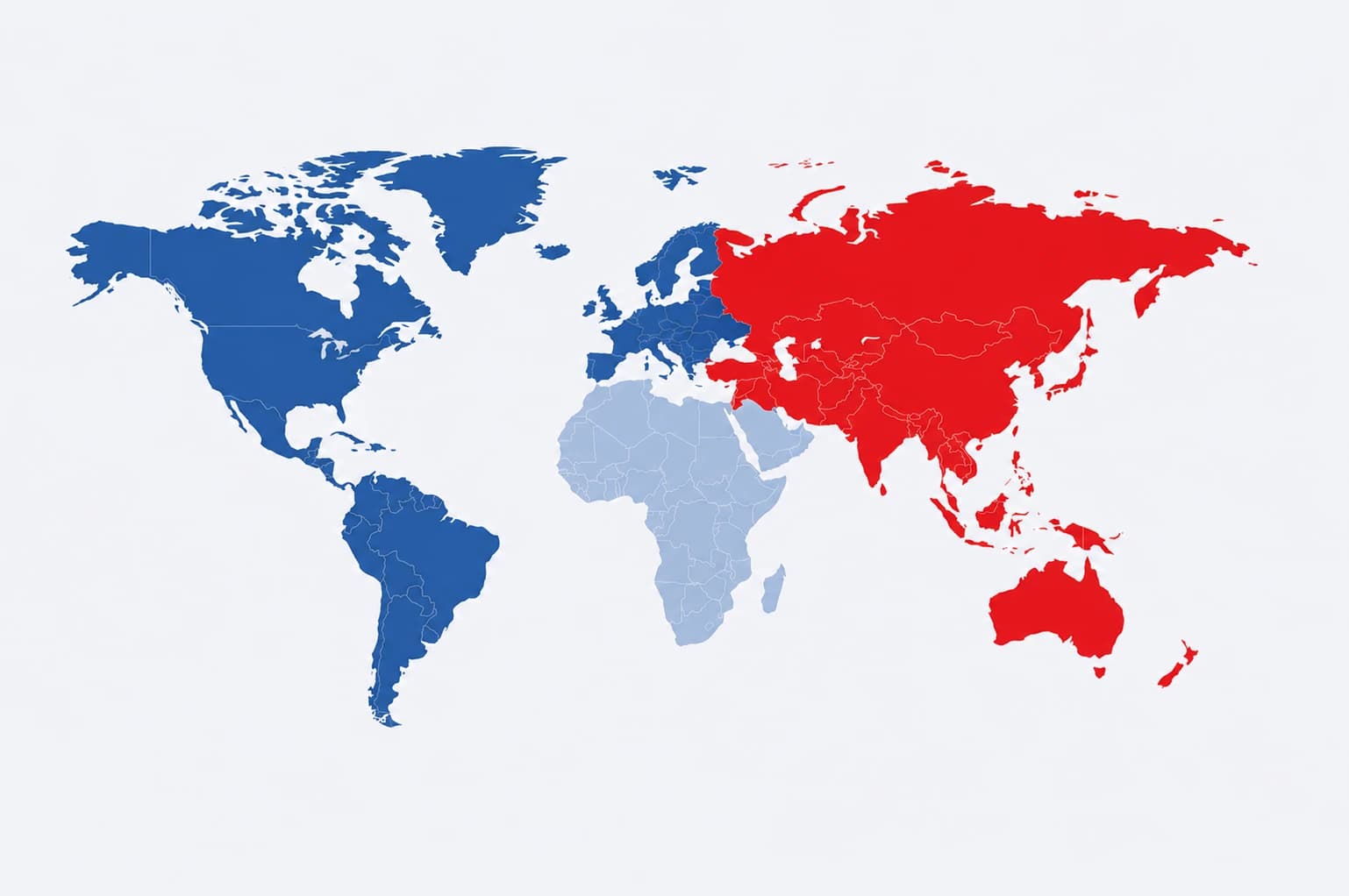
Asia Pacific is the principal production and consumption region for Luggage Wheels. China has the broadest manufacturing base, supported by luggage and component clusters in Guangdong, Zhejiang, Anhui, and Hunan. China Taiwan retains established capabilities in mold development, plastic injection molding, and specialized luggage components, while Japan has a strong position in premium, quiet, and technically differentiated wheel systems. India and Vietnam are expanding as luggage manufacturing locations and are gradually increasing internal production of wheel assemblies and related fittings.
Europe maintains demand for customized, premium, and professional-case components, with specialist suppliers in Germany and Italy serving luggage, pilot-case, flight-case, and industrial-case applications. North America is a major consumption and replacement market, but local production is comparatively limited and more focused on specialized hardware and aftermarket supply. Turkey serves as an important regional manufacturing bridge between Europe, the Middle East, and nearby luggage-producing markets.
Competitive Landscape Analysis
The competitive landscape combines a limited group of internationally recognized specialist suppliers with a broad base of regional manufacturers and original equipment producers. HINOMOTO JOMAE and S. Franzen Söhne emphasize product engineering, brand recognition, and long-standing relationships with luggage manufacturers, while Guangdong Sundes, Dongguan RSG Polymer Material, Guangdong Xiecheng, and other Chinese suppliers compete through integrated tooling, injection molding, metal processing, assembly, and large-scale production. Shin Fang Plastic Industrial, YEOU CHERNG PLASTICS INDUSTRY, and JI-YANG PLASTIC maintain established positions in China Taiwan through flexible OEM and ODM capabilities. European suppliers such as Travetti, G. Brambilla, and Zülbaharoğlu focus more heavily on customized, premium, and professional applications. Competition is determined less by standardized product portfolios than by customer-specific design, tooling speed, product reliability, noise performance, cost control, and the ability to support stable high-volume delivery.
This report provides a comprehensive view of the global market for Luggage Wheels, covering total sales volume, sales revenue, pricing, the market share and ranking of key companies, along with analyses by region & country, by Type, and by Application.
The Luggage Wheels market size, estimations, and forecasts are presented in terms of sales volume (K Units) and revenue ($ millions), with 2025 as the base year and historical and forecast data from 2021 to 2032. The report combines quantitative and qualitative analysis to help readers develop growth strategies, assess the competitive landscape, evaluate their position in the current marketplace, and make informed business decisions regarding Luggage Wheels.
Chapter 1: Introduces the scope of the report and the global market size (value, volume, and price). It also summarizes market dynamics and Recent Developments; identifies key drivers and restraints; outlines challenges and risks for manufacturers; reviews relevant industry policies and U.S. tariff implications.
Chapter 2: Provides a detailed analysis of the Luggage Wheels manufacturers' competitive landscape—including pricing, sales and revenue shares, Recent Developments plans, and mergers and acquisitions (M&A).
Chapter 3: Analyzes market segmentation by Type, presenting the size and growth potential of each segment to help readers identify blue-ocean opportunities.
Chapter 4: Analyzes market segmentation by Application, presenting the size and growth potential of each downstream segment to help readers identify blue-ocean opportunities.
Chapter 5: Presents Luggage Wheels sales and revenue at the regional level. It offers a quantitative assessment of market size and growth potential by region and summarizes market development, future prospects, addressable space, and country-level market size worldwide.
Chapter 6: Presents Luggage Wheels sales and revenue at the country level. It provides segmented data by Type and by Application for each country/region.
Chapter 7: Profiles key players, detailing the main companies' product sales, revenue, pricing, gross margin, product portfolios, Recent Developments, etc.
Chapter 8: Analyzes the industry value chain, including upstream suppliers and downstream applications/customers.
- ★ What Is The Overall Market Size And Projected Growth Rate Across Global And Regional Segments?
- ★ How Does The Market Size And Growth Outlook Vary Across Major Countries?
- ★ Which Region Or Market Sub-Segment Is Anticipated To Dominate Growth During The Forecast Period?
- ★ What Are The Primary Factors Expected To Drive Market Expansion, And What Challenges May Restrain Growth?
- ★ Which Emerging Technologies And Market Trends Are Shaping The Future Landscape?
- ★ What Are The Most Significant Opportunities Available In The Market?
- ★ Who Are The Leading Manufacturers Actively Participating In The Global Market?
- ★ Which Company Currently Holds The Largest Share Of The Market?
- ★ What Are The Potential Growth Avenues For New Entrants In The Global Market?