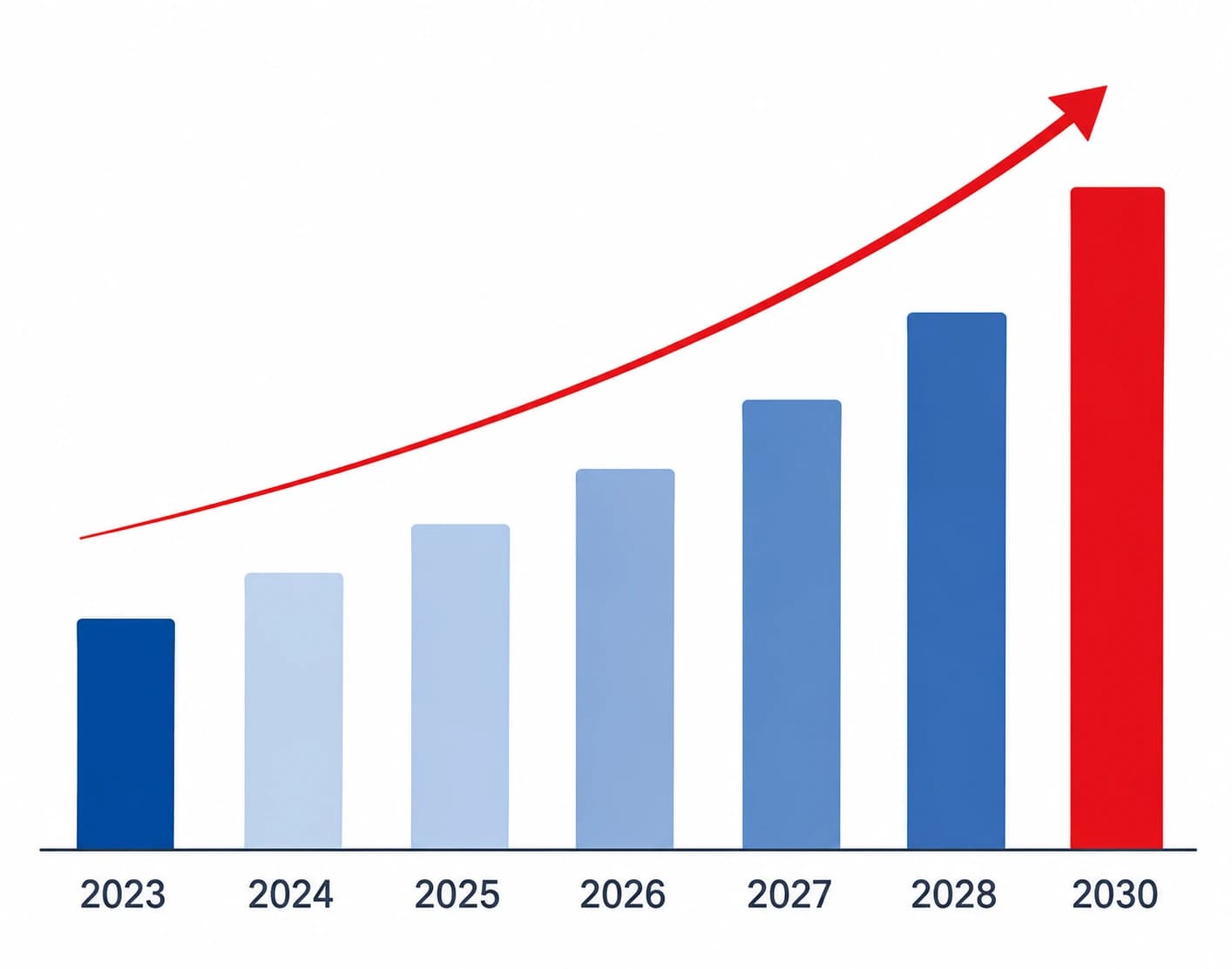
The global 4N Bonding Wire for Semiconductor Package market was valued at US$ 746 million in 2025 and is anticipated to reach US$ 1199 million by 2032, witnessing a CAGR of 7.0% during the forecast period 2026-2032.
In 2025, global 4N Bonding Wire for Semiconductor Package production reached approximately 114,000 kilometers with an average global market price of around US$6,500 per kilometer. Single-line annual production capacity averages 2,000 kilometers with a gross margin of approximately 25%. The 4N Bonding Wire for Semiconductor Package industry chain is composed of upstream material and equipment segments, including precious metal smelting and refining (gold raw materials, gold alloy billets), fine wire drawing and electroplating materials, inert gases, and chemical additives, which are primarily concentrated in the fields of precious metal processing and precision metal wire manufacturing. The downstream application consumption structure is approximately as follows: power devices account for 40%, discrete devices and integrated circuits each account for 25% and 30%, respectively, and other applications (sensors, LEDs, etc.) account for 5%. The demand for 4N Bonding Wire for Semiconductor Package is supported by the continuous expansion of power devices in automotive electronics, power electronics, and industrial control, as well as the demand for high-reliability packaging. It maintains robust growth in SiC/GaN power devices, automotive-grade, and high-temperature, high-power scenarios. At the same time, the main business opportunities are composed of domestic substitution, upgrades in high-fineness/high-reliability specifications, and expansion of differentiated applications.
The 4N bonding wire for semiconductor packages represents a high-purity tungsten wire that is meticulously designed to serve as an essential interconnect in the packaging process. Characterized by its exceptional purity, this wire exhibits a lower resistivity, which translates to improved electrical conductivity. Its high purity also contributes to superior wettability, enhancing the wire's bonding capabilities. However, this purity comes at the cost of reduced elastic modulus and tensile strength, as well as a longer heat-affected zone, which can impact the arc and strength of the bond. Despite these challenges, the 4N bonding wire is engineered to provide a reliable and efficient connection that is crucial for the overall performance and longevity of semiconductor packages.
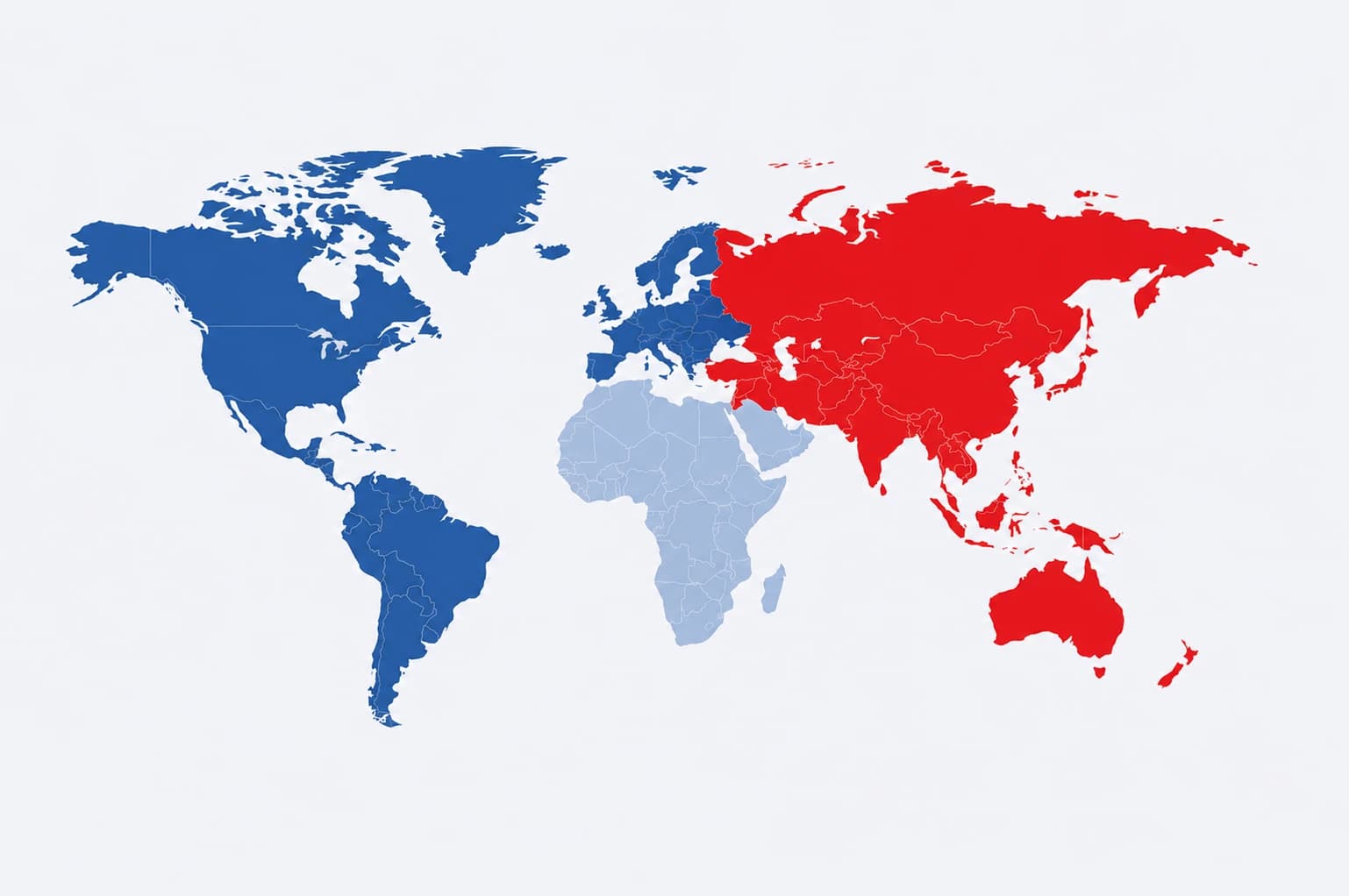
North American market for 4N Bonding Wire for Semiconductor Package is estimated to increase from $ million in 2025 to reach $ million by 2032, at a CAGR of % during the forecast period of 2026 through 2032.
Asia-Pacific market for 4N Bonding Wire for Semiconductor Package is estimated to increase from $ million in 2025 to reach $ million by 2032, at a CAGR of % during the forecast period of 2026 through 2032.
The major global manufacturers of 4N Bonding Wire for Semiconductor Package include Tanaka, Tatsuta, AMETEK Coining, Daewon, Heraeus, Nippon Micrometal, Stanford Advanced Materials, LT Metal, Yantai yesdo Electronic Materials, Shanghai Wonsung Alloy Material, etc. In 2025, the world's top three vendors accounted for approximately % of the revenue.
This report aims to provide a comprehensive presentation of the global market for 4N Bonding Wire for Semiconductor Package, with both quantitative and qualitative analysis, to help readers develop business/growth strategies, assess the market competitive situation, analyze their position in the current marketplace, and make informed business decisions regarding 4N Bonding Wire for Semiconductor Package.
The 4N Bonding Wire for Semiconductor Package market size, estimations, and forecasts are provided in terms of sales quantity (K Meter) and revenue ($ millions), considering 2025 as the base year, with history and forecast data for the period from 2021 to 2032. This report segments the global 4N Bonding Wire for Semiconductor Package market comprehensively. Regional market sizes, concerning products by Type, by Application, and by players, are also provided.
For a more in-depth understanding of the market, the report provides profiles of the competitive landscape, key competitors, and their respective market ranks. The report also discusses technological trends and new product developments.
The report will help the 4N Bonding Wire for Semiconductor Package manufacturers, new entrants, and industry chain related companies in this market with information on the revenues, sales, and average price for the overall market and the sub-segments across the different segments, by company, by Type, by Application, and by regions.
Chapter 1: Introduces the report scope of the report, executive summary of different market segments (by region, product type, application, etc), including the market size of each market segment, future development potential, and so on. It offers a high-level view of the current state of the market and its likely evolution in the short to mid-term, and long term.
Chapter 2: key insights, key emerging trends, etc.
Chapter 3: Manufacturers competitive analysis, detailed analysis of 4N Bonding Wire for Semiconductor Package manufacturers competitive landscape, price, sales and revenue market share, latest development plan, merger, and acquisition information, etc.
Chapter 4: Provides profiles of key players, introducing the basic situation of the main companies in the market in detail, including product sales, revenue, price, gross margin, product introduction, recent development, etc.
Chapter 5 & 6: Sales, revenue of 4N Bonding Wire for Semiconductor Package in regional level and country level. It provides a quantitative analysis of the market size and development potential of each region and its main countries and introduces the market development, future development prospects, market space, and market size of each country in the world.
Chapter 7: Provides the analysis of various market segments by Type, covering the market size and development potential of each market segment, to help readers find the blue ocean market in different market segments.
Chapter 8: Provides the analysis of various market segments by Application, covering the market size and development potential of each market segment, to help readers find the blue ocean market in different downstream markets.
Chapter 9: Analysis of industrial chain, including the upstream and downstream of the industry.
Chapter 10: The main points and conclusions of the report.
- ★ What Is The Overall Market Size And Projected Growth Rate Across Global And Regional Segments?
- ★ How Does The Market Size And Growth Outlook Vary Across Major Countries?
- ★ Which Region Or Market Sub-Segment Is Anticipated To Dominate Growth During The Forecast Period?
- ★ What Are The Primary Factors Expected To Drive Market Expansion, And What Challenges May Restrain Growth?
- ★ Which Emerging Technologies And Market Trends Are Shaping The Future Landscape?
- ★ What Are The Most Significant Opportunities Available In The Market?
- ★ Who Are The Leading Manufacturers Actively Participating In The Global Market?
- ★ Which Company Currently Holds The Largest Share Of The Market?
- ★ What Are The Potential Growth Avenues For New Entrants In The Global Market?