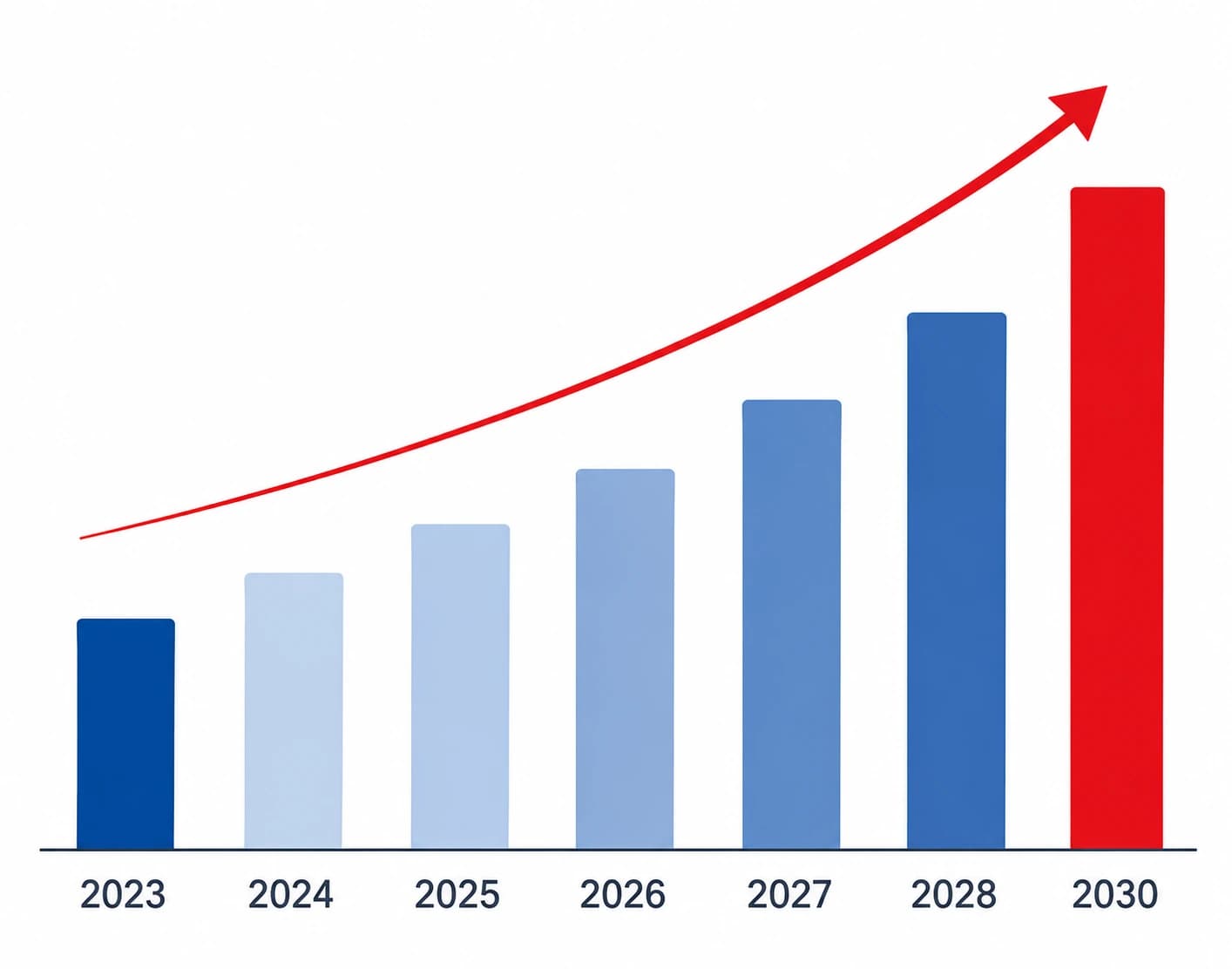
The global RF Components market was valued at US$ 43246 million in 2024 and is anticipated to reach US$ 65901 million by 2031, witnessing a CAGR of 6.2% during the forecast period 2025-2031.
RF components, or radio frequency components, are specialized electronic parts designed to operate at high frequencies typically ranging from 3 kHz to 300 GHz. These components are essential for transmitting and receiving signals in wireless communication systems, including mobile phones, Wi-Fi, satellite communications, radar systems, and IoT devices. Common types of RF components include amplifiers, filters, mixers, oscillators, antennas, and switches. Each of these plays a distinct role in managing signal power, frequency conversion, or signal routing within an RF circuit. Given their critical function, RF components are engineered to handle precise signal characteristics, minimize losses, and ensure electromagnetic compatibility, making them a cornerstone in the development and performance of modern high-frequency communication systems.
In the contemporary landscape of wireless communication, RF components stand as the linchpin, enabling seamless transmission and reception of signals across a wide spectrum of applications. The market for RF components is currently experiencing robust growth, propelled by the relentless advancement of 5G technology, the burgeoning Internet of Things (IoT) ecosystem, and the increasing sophistication of automotive electronics.
In the 5G domain, the rapid deployment of 5G networks worldwide is fueling insatiable demand for RF components. 5G operates at higher frequencies, necessitating components that can handle these frequencies with high efficiency, low loss, and excellent linearity. For instance, power amplifiers (PAs) in 5G base stations need to deliver high output power while maintaining high efficiency to reduce energy consumption and operational costs. Filter technology has also seen significant advancements, with the development of more efficient and compact filters such as surface acoustic wave (SAW) and bulk acoustic wave (BAW) filters. These filters are crucial for 5G applications as they help in separating and selecting specific frequencies, ensuring clear communication channels.
The IoT revolution is another major driver. With billions of devices expected to be connected in the coming years, from smart home appliances to industrial sensors, each IoT device requires RF components for wireless communication. Low - power and highly integrated RF components are in high demand to meet the requirements of battery - powered IoT devices, which need to operate for long periods without frequent recharging. For example, RF transceivers in IoT devices must be able to communicate over various wireless protocols such as Wi - Fi, Bluetooth, ZigBee, and cellular networks, often in challenging electromagnetic environments.
Automotive electronics is also contributing significantly to the growth of the RF components market. The rise of connected cars, advanced driver - assistance systems (ADAS), and autonomous vehicles has increased the need for reliable and high - performance RF components. Radar systems in cars, which rely on RF technology to detect objects and measure distances, require components that can operate in the millimeter - wave frequency range with high precision. Additionally, in - vehicle communication systems for infotainment and vehicle - to - everything (V2X) communication need RF components to ensure seamless connectivity.
In terms of market competition, the global RF components market is highly competitive. Leading players such as Skyworks, Qorvo, Broadcom, and Murata have long dominated the market, leveraging their technological expertise, extensive R&D capabilities, and established global supply chains. However, the entry of new players, especially from emerging economies, is disrupting the status quo. Chinese companies, in particular, are making significant inroads. Through substantial government support, investment in R&D, and a large pool of engineering talent, they are gradually catching up in terms of technology and market share, especially in the mid - to - low - end product segments.
Looking ahead, the future of the RF components market is brimming with potential. Technologically, there will be a continuous push towards miniaturization, higher integration, and improved performance. The development of new materials, such as gallium nitride (GaN) and silicon carbide (SiC), holds great promise. GaN, for example, offers superior electron mobility and breakdown voltage compared to traditional silicon, enabling the design of more efficient and compact RF components, especially for high - power applications.
This report aims to provide a comprehensive presentation of the global market for RF Components, with both quantitative and qualitative analysis, to help readers develop business/growth strategies, assess the market competitive situation, analyze their position in the current marketplace, and make informed business decisions regarding RF Components.
The RF Components market size, estimations, and forecasts are provided in terms of sales quantity (Million Units) and revenue ($ millions), considering 2024 as the base year, with history and forecast data for the period from 2020 to 2031. This report segments the global RF Components market comprehensively. Regional market sizes, concerning products by Type, by Application, and by players, are also provided.
For a more in-depth understanding of the market, the report provides profiles of the competitive landscape, key competitors, and their respective market ranks. The report also discusses technological trends and new product developments.
The report will help the RF Components manufacturers, new entrants, and industry chain related companies in this market with information on the revenues, sales, and average price for the overall market and the sub-segments across the different segments, by company, by Type, by Application, and by regions.
Chapter 1: Introduces the report scope of the report, executive summary of different market segments (by region, product type, application, etc), including the market size of each market segment, future development potential, and so on. It offers a high-level view of the current state of the market and its likely evolution in the short to mid-term, and long term.
Chapter 2: key insights, key emerging trends, etc.
Chapter 3: Manufacturers competitive analysis, detailed analysis of RF Components manufacturers competitive landscape, price, sales and revenue market share, latest development plan, merger, and acquisition information, etc.
Chapter 4: Provides profiles of key players, introducing the basic situation of the main companies in the market in detail, including product sales, revenue, price, gross margin, product introduction, recent development, etc.
Chapter 5 & 6: Sales, revenue of RF Components in regional level and country level. It provides a quantitative analysis of the market size and development potential of each region and its main countries and introduces the market development, future development prospects, market space, and market size of each country in the world.
Chapter 7: Provides the analysis of various market segments by Type, covering the market size and development potential of each market segment, to help readers find the blue ocean market in different market segments.
Chapter 8: Provides the analysis of various market segments by Application, covering the market size and development potential of each market segment, to help readers find the blue ocean market in different downstream markets.
Chapter 9: Analysis of industrial chain, including the upstream and downstream of the industry.
Chapter 10: The main points and conclusions of the report.
- ★ What Is The Overall Market Size And Projected Growth Rate Across Global And Regional Segments?
- ★ How Does The Market Size And Growth Outlook Vary Across Major Countries?
- ★ Which Region Or Market Sub-Segment Is Anticipated To Dominate Growth During The Forecast Period?
- ★ What Are The Primary Factors Expected To Drive Market Expansion, And What Challenges May Restrain Growth?
- ★ Which Emerging Technologies And Market Trends Are Shaping The Future Landscape?
- ★ What Are The Most Significant Opportunities Available In The Market?
- ★ Who Are The Leading Manufacturers Actively Participating In The Global Market?
- ★ Which Company Currently Holds The Largest Share Of The Market?
- ★ What Are The Potential Growth Avenues For New Entrants In The Global Market?