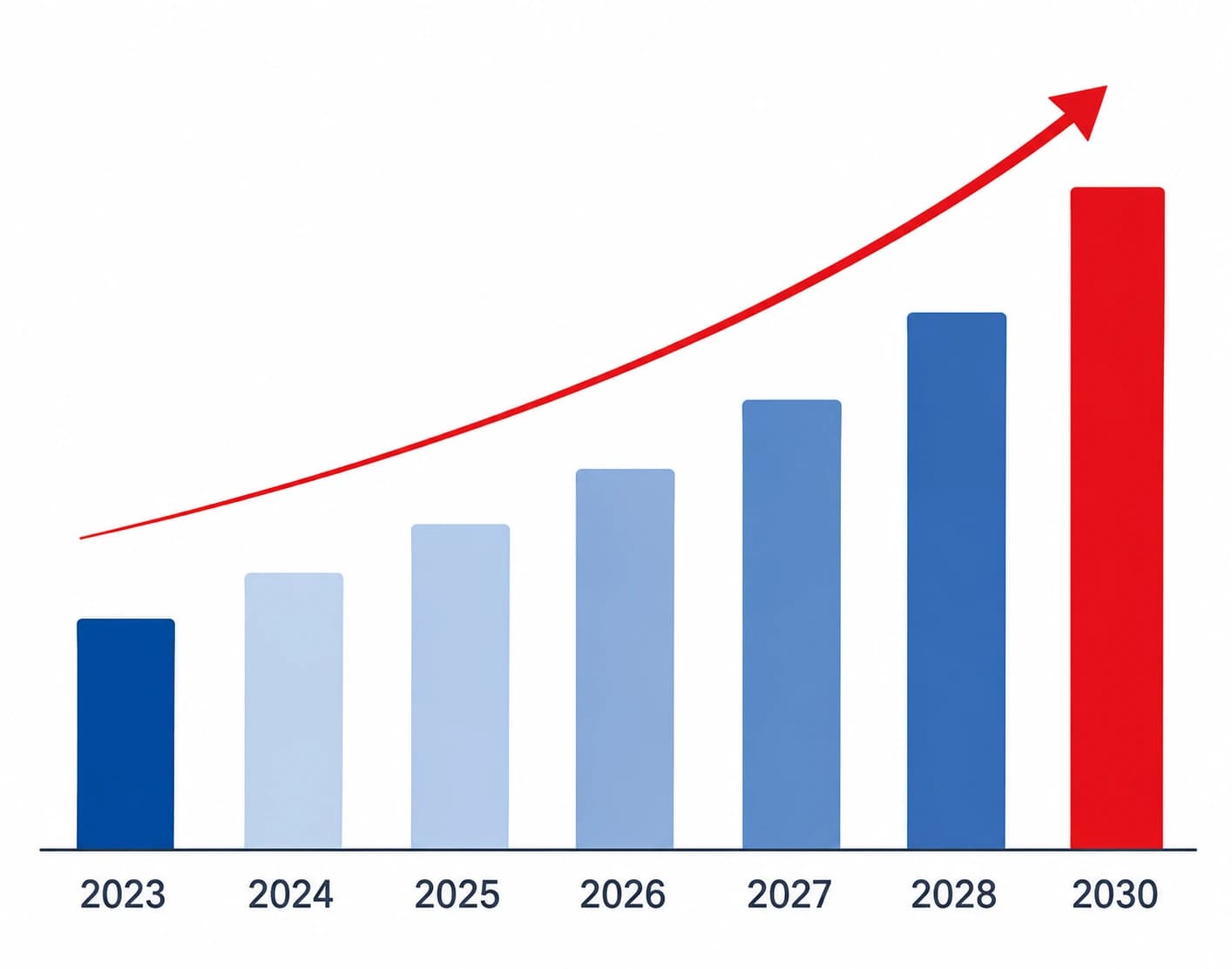
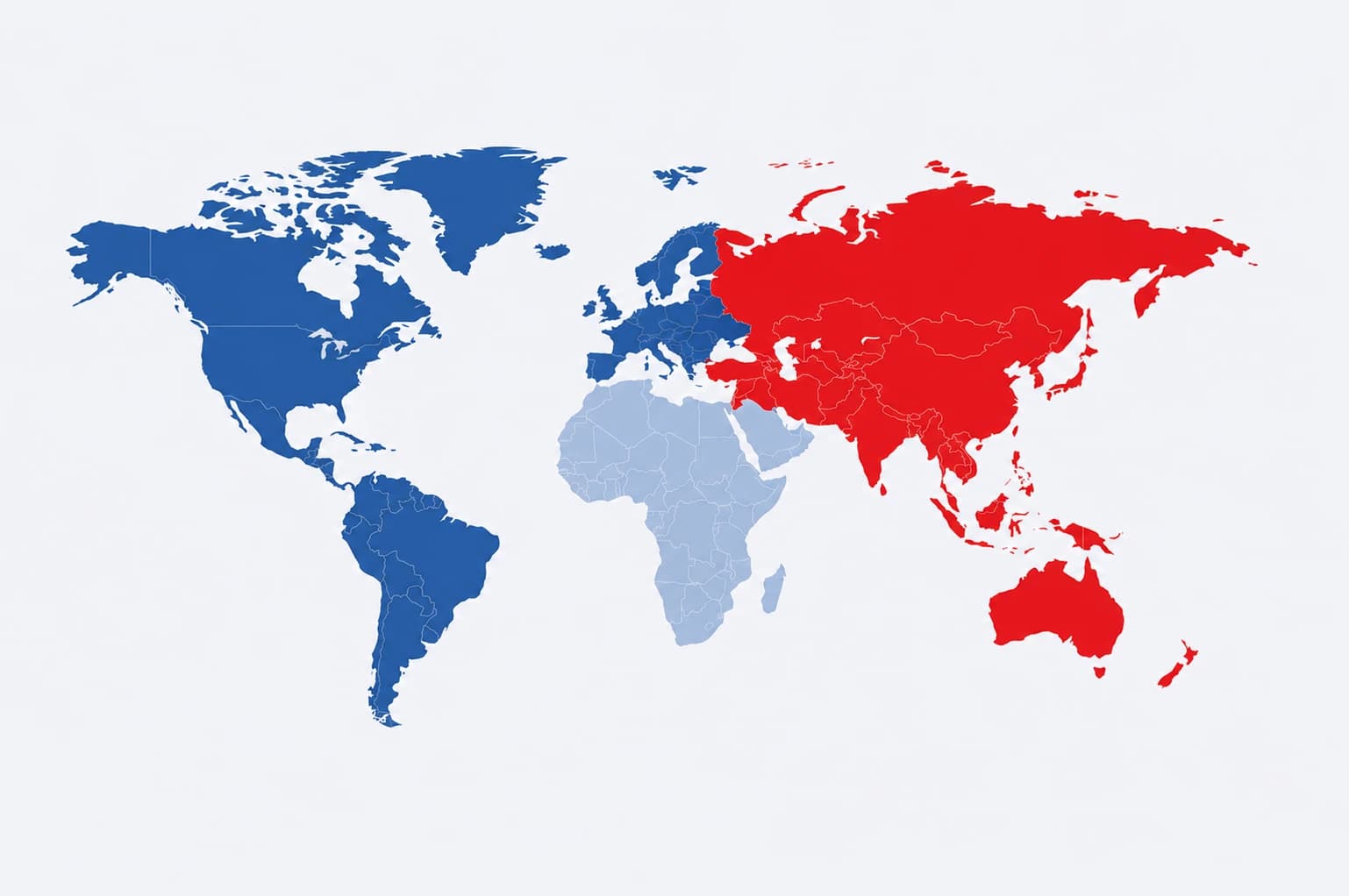
The global market for Bomb Disposal Suit was estimated to be worth US$ 79.08 million in 2025 and is projected to reach US$ 158 million, growing at a CAGR of 9.1% from 2026 to 2032.
The potential shifts in the 2025 U.S. tariff framework pose substantial volatility risks to global markets. This report provides a comprehensive assessment of recent tariff adjustments and international strategic countermeasures on Bomb Disposal Suit cross-border industrial footprints, capital allocation patterns, regional economic interdependencies, and supply chain reconfigurations.
A Bomb Disposal Suit, also known as an explosive ordnance disposal (EOD) suit, is specialized body armor designed to protect bomb disposal personnel from the blast effects of explosive devices. These suits are constructed using layers of high-strength materials such as Kevlar, ballistic nylon, and foam to absorb and mitigate the impact of shrapnel, heat, and pressure waves. Bomb Disposal Suits typically include a helmet with a face shield, torso protection, and coverings for the limbs, providing comprehensive protection while allowing some degree of mobility and dexterity. They are equipped with features such as built-in communication systems, cooling systems, and quick-release mechanisms for emergency removal. Bomb Disposal Suits are essential for ensuring the safety of EOD technicians while they handle and neutralize explosive threats. The product has a sales volume of approximately 6,000 units per year, with a price of approximately US$13.5K per unit.
The upstream of Bomb Disposal Suits includes suppliers of high-performance protective materials and components such as aramid fibers, ultra-high-molecular-weight polyethylene fibers, blast-resistant composite plates, ballistic fabrics, visors, communication systems, cooling units, and electronic monitoring modules. These materials and components are integrated by specialized protective equipment manufacturers through design, testing, and assembly processes to produce complete Bomb Disposal Suits that provide protection against blast overpressure, fragmentation, and thermal hazards. Downstream, bomb disposal suits are primarily procured and used by military explosive ordnance disposal units, police bomb squads, counter-terrorism teams, and public security agencies, as well as specialized security service providers responsible for handling explosive threats and hazardous devices in defense, law enforcement, and critical infrastructure protection environments.
From a market perspective, Bomb Disposal Suits represent a specialized segment of the protective equipment industry driven primarily by defense, public security, and counter-terrorism requirements. Demand is closely linked to government procurement budgets, modernization programs of explosive ordnance disposal units, and the increasing emphasis on public safety and critical infrastructure protection. Many countries are upgrading older Bomb Disposal Suits with newer models that incorporate lighter high-strength materials, improved blast and fragmentation protection, enhanced ergonomics, and integrated cooling and communication systems to reduce operator fatigue and improve operational efficiency. At the same time, technological advancements in materials engineering and human-machine integration are encouraging the development of more modular and high-mobility designs. Although the overall market size remains relatively niche due to the specialized nature of the equipment and the limited number of end users, steady procurement cycles and continued investment in security capabilities are expected to support stable long-term demand.
This report provides a comprehensive view of the global market for Bomb Disposal Suit, covering total sales volume, sales revenue, pricing, the market share and ranking of key companies, along with analyses by region & country, by Type, and by Application.
The Bomb Disposal Suit market size, estimations, and forecasts are presented in terms of sales volume (Units) and revenue ($ millions), with 2025 as the base year and historical and forecast data from 2021 to 2032. The report combines quantitative and qualitative analysis to help readers develop growth strategies, assess the competitive landscape, evaluate their position in the current marketplace, and make informed business decisions regarding Bomb Disposal Suit.
Chapter 1: Introduces the scope of the report and the global market size (value, volume, and price). It also summarizes market dynamics and Recent Developments; identifies key drivers and restraints; outlines challenges and risks for manufacturers; reviews relevant industry policies and U.S. tariff implications.
Chapter 2: Provides a detailed analysis of the Bomb Disposal Suit manufacturers' competitive landscape—including pricing, sales and revenue shares, Recent Developments plans, and mergers and acquisitions (M&A).
Chapter 3: Analyzes market segmentation by Type, presenting the size and growth potential of each segment to help readers identify blue-ocean opportunities.
Chapter 4: Analyzes market segmentation by Application, presenting the size and growth potential of each downstream segment to help readers identify blue-ocean opportunities.
Chapter 5: Presents Bomb Disposal Suit sales and revenue at the regional level. It offers a quantitative assessment of market size and growth potential by region and summarizes market development, future prospects, addressable space, and country-level market size worldwide.
Chapter 6: Presents Bomb Disposal Suit sales and revenue at the country level. It provides segmented data by Type and by Application for each country/region.
Chapter 7: Profiles key players, detailing the main companies' product sales, revenue, pricing, gross margin, product portfolios, Recent Developments, etc.
Chapter 8: Analyzes the industry value chain, including upstream suppliers and downstream applications/customers.
- ★ What Is The Overall Market Size And Projected Growth Rate Across Global And Regional Segments?
- ★ How Does The Market Size And Growth Outlook Vary Across Major Countries?
- ★ Which Region Or Market Sub-Segment Is Anticipated To Dominate Growth During The Forecast Period?
- ★ What Are The Primary Factors Expected To Drive Market Expansion, And What Challenges May Restrain Growth?
- ★ Which Emerging Technologies And Market Trends Are Shaping The Future Landscape?
- ★ What Are The Most Significant Opportunities Available In The Market?
- ★ Who Are The Leading Manufacturers Actively Participating In The Global Market?
- ★ Which Company Currently Holds The Largest Share Of The Market?
- ★ What Are The Potential Growth Avenues For New Entrants In The Global Market?