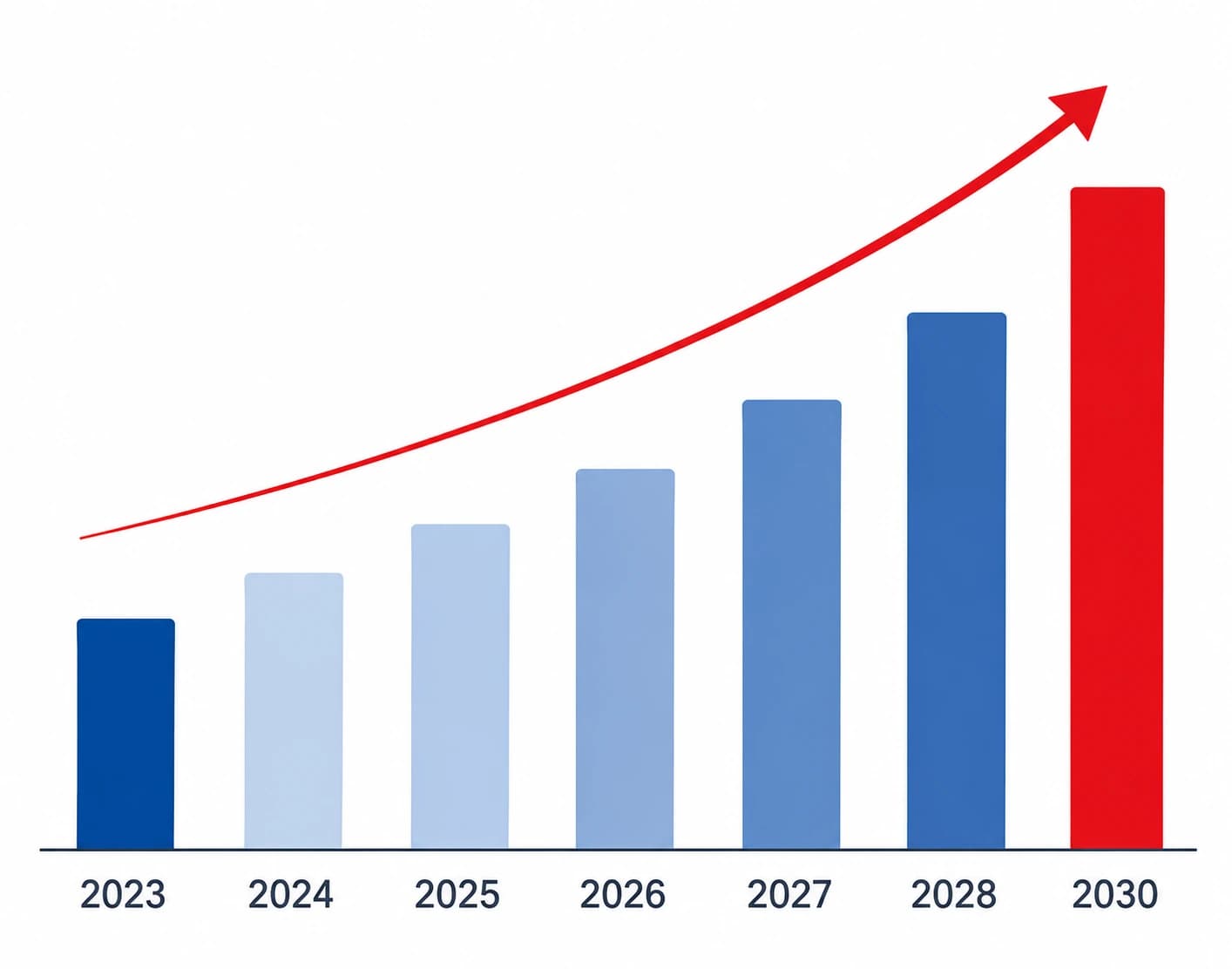
The global Aluminum Alloy Photovoltaic Structural Parts market was valued at US$ 7151 million in 2025 and is anticipated to reach US$ 12362 million by 2032, witnessing a CAGR of 8.1% during the forecast period 2026-2032.
In 2025, global Aluminum Alloy Photovoltaic Structural Parts in Automotive production reached approximately 2345 k tons, with an average global market price of around US$3049 usd per ton.The production capacity for Aluminum Alloy Photovoltaic Structural Parts in 2025 was approximately 2500 k tons. The typical gross profit margin for Aluminum Alloy Photovoltaic Structural Parts is between 20% and 40%. Aluminum Alloy Photovoltaic Structural Parts are load-bearing and supporting components made from aluminum alloys used in photovoltaic (PV) systems to mount, fix, and protect solar modules. These parts include mounting frames, rails, brackets, clamps, and support structures for ground-mounted, rooftop, and tracking PV systems. Aluminum alloys are widely used due to their high strength-to-weight ratio, excellent corrosion resistance, ease of extrusion and machining, and long service life, making them ideal for outdoor PV installations exposed to harsh environmental conditions.
The Aluminum Alloy Photovoltaic Structural Parts market is driven by the rapid global expansion of solar power installations and the demand for lightweight, corrosion-resistant, and durable mounting solutions for photovoltaic systems. Aluminum alloy structural parts are widely used in PV mounting structures, frames, rails, brackets, and support components due to their high strength-to-weight ratio, excellent corrosion resistance, and ease of fabrication and installation. Market growth is supported by large-scale utility solar projects, distributed and rooftop PV adoption, and long-term reliability requirements in harsh outdoor environments, with Asia-Pacific, Europe, and North America as the main demand regions. Industry trends focus on standardized modular designs, cost optimization, and the use of high-strength aluminum alloys to improve structural performance and reduce lifecycle costs.
This report aims to provide a comprehensive presentation of the global market for Aluminum Alloy Photovoltaic Structural Parts, with both quantitative and qualitative analysis, to help readers develop business/growth strategies, assess the market competitive situation, analyze their position in the current marketplace, and make informed business decisions regarding Aluminum Alloy Photovoltaic Structural Parts.
The Aluminum Alloy Photovoltaic Structural Parts market size, estimations, and forecasts are provided in terms of sales quantity (K Tons) and revenue ($ millions), considering 2025 as the base year, with history and forecast data for the period from 2021 to 2032. This report segments the global Aluminum Alloy Photovoltaic Structural Parts market comprehensively. Regional market sizes, concerning products by Type, by Application, and by players, are also provided.
For a more in-depth understanding of the market, the report provides profiles of the competitive landscape, key competitors, and their respective market ranks. The report also discusses technological trends and new product developments.
The report will help the Aluminum Alloy Photovoltaic Structural Parts manufacturers, new entrants, and industry chain related companies in this market with information on the revenues, sales, and average price for the overall market and the sub-segments across the different segments, by company, by Type, by Application, and by regions.
Chapter 1: Introduces the report scope of the report, executive summary of different market segments (by region, product type, application, etc), including the market size of each market segment, future development potential, and so on. It offers a high-level view of the current state of the market and its likely evolution in the short to mid-term, and long term.
Chapter 2: key insights, key emerging trends, etc.
Chapter 3: Manufacturers competitive analysis, detailed analysis of Aluminum Alloy Photovoltaic Structural Parts manufacturers competitive landscape, price, sales and revenue market share, latest development plan, merger, and acquisition information, etc.
Chapter 4: Provides profiles of key players, introducing the basic situation of the main companies in the market in detail, including product sales, revenue, price, gross margin, product introduction, recent development, etc.
Chapter 5 & 6: Sales, revenue of Aluminum Alloy Photovoltaic Structural Parts in regional level and country level. It provides a quantitative analysis of the market size and development potential of each region and its main countries and introduces the market development, future development prospects, market space, and market size of each country in the world.
Chapter 7: Provides the analysis of various market segments by Type, covering the market size and development potential of each market segment, to help readers find the blue ocean market in different market segments.
Chapter 8: Provides the analysis of various market segments by Application, covering the market size and development potential of each market segment, to help readers find the blue ocean market in different downstream markets.
Chapter 9: Analysis of industrial chain, including the upstream and downstream of the industry.
Chapter 10: The main points and conclusions of the report.
- ★ What Is The Overall Market Size And Projected Growth Rate Across Global And Regional Segments?
- ★ How Does The Market Size And Growth Outlook Vary Across Major Countries?
- ★ Which Region Or Market Sub-Segment Is Anticipated To Dominate Growth During The Forecast Period?
- ★ What Are The Primary Factors Expected To Drive Market Expansion, And What Challenges May Restrain Growth?
- ★ Which Emerging Technologies And Market Trends Are Shaping The Future Landscape?
- ★ What Are The Most Significant Opportunities Available In The Market?
- ★ Who Are The Leading Manufacturers Actively Participating In The Global Market?
- ★ Which Company Currently Holds The Largest Share Of The Market?
- ★ What Are The Potential Growth Avenues For New Entrants In The Global Market?