Anti-reflection (AR) coating is a type of optical coating applied to the surface of lenses and other optical elements to reduce reflection.Anti-reflective coatings for photoresist boost the effectiveness of lithography by widening and improving the process and reflectivity windows.
The global Anti-reflective Coating for Semiconductor market was valued at US$ million in 2023 and is anticipated to reach US$ million by 2030, witnessing a CAGR of %during the forecast period 2024-2030.
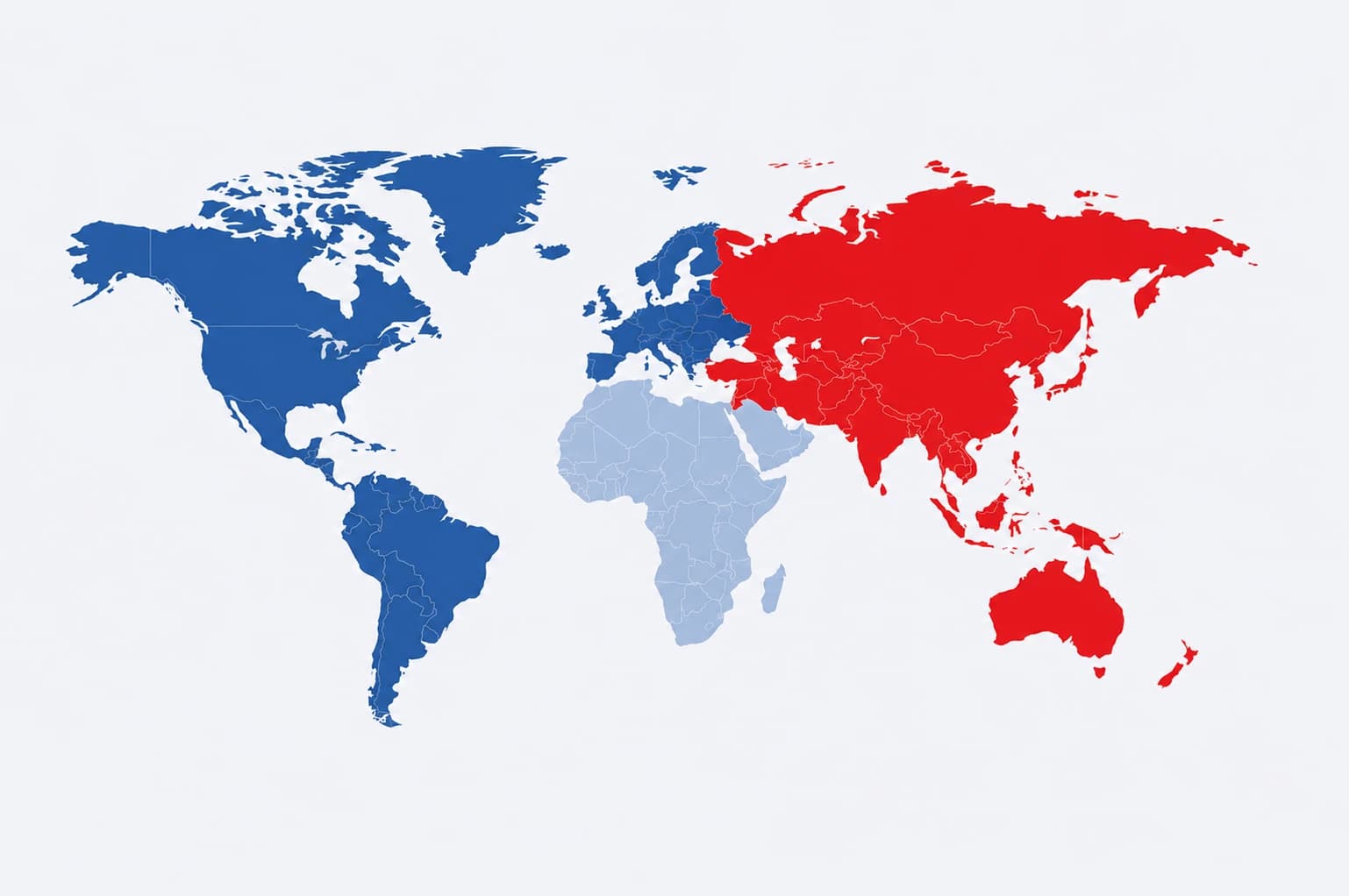
Following a strong growth of 26.2 percent in the year 2021, WSTS revised it down to a single digit growth for the worldwide semiconductor market in 2022 with a total size of US$580 billion, up 4.4 percent. WSTS lowered growth estimation as inflation rises and end markets seeing weaker demand, especially those exposed to consumer spending. While some major categories are still double-digit year-over-year growth in 2022, led by Analog with 20.8 percent, Sensors with 16.3 percent, and Logic with 14.5 percent growth. Memory declined with 12.6 percent year over year. In 2022, all geographical regions showed double-digit growth except Asia Pacific. The largest region, Asia Pacific, declined 2.0 percent. Sales in the Americas were US$142.1 billion, up 17.0% year-on-year, sales in Europe were US$53.8 billion, up 12.6% year-on-year, and sales in Japan were US$48.1 billion, up 10.0% year-on-year. However, sales in the largest Asia-Pacific region were US$336.2 billion, down 2.0% year-on-year.
This report aims to provide a comprehensive presentation of the global market for Anti-reflective Coating for Semiconductor, with both quantitative and qualitative analysis, to help readers develop business/growth strategies, assess the market competitive situation, analyze their position in the current marketplace, and make informed business decisions regarding Anti-reflective Coating for Semiconductor.
The Anti-reflective Coating for Semiconductor market size, estimations, and forecasts are provided in terms of output/shipments (Ton) and revenue ($ millions), considering 2023 as the base year, with history and forecast data for the period from 2019 to 2030. This report segments the global Anti-reflective Coating for Semiconductor market comprehensively. Regional market sizes, concerning products by Type, by Application, and by players, are also provided.
For a more in-depth understanding of the market, the report provides profiles of the competitive landscape, key competitors, and their respective market ranks. The report also discusses technological trends and new product developments.
The report will help the Anti-reflective Coating for Semiconductor manufacturers, new entrants, and industry chain related companies in this market with information on the revenues, production, and average price for the overall market and the sub-segments across the different segments, by company, by Type, by Application, and by regions.
Chapter 1: Introduces the report scope of the report, executive summary of different market segments (by region, by Type, by Application, etc), including the market size of each market segment, future development potential, and so on. It offers a high-level view of the current state of the market and its likely evolution in the short to mid-term, and long term.
Chapter 2: Detailed analysis of Anti-reflective Coating for Semiconductor manufacturers competitive landscape, price, production and value market share, latest development plan, merger, and acquisition information, etc.
Chapter 3: Production/output, value of Anti-reflective Coating for Semiconductor by region/country. It provides a quantitative analysis of the market size and development potential of each region in the next six years.
Chapter 4: Consumption of Anti-reflective Coating for Semiconductor in regional level and country level. It provides a quantitative analysis of the market size and development potential of each region and its main countries and introduces the market development, future development prospects, market space, and production of each country in the world.
Chapter 5: Provides the analysis of various market segments by Type, covering the market size and development potential of each market segment, to help readers find the blue ocean market in different market segments.
Chapter 6: Provides the analysis of various market segments by Application, covering the market size and development potential of each market segment, to help readers find the blue ocean market in different downstream markets.
Chapter 7: Provides profiles of key players, introducing the basic situation of the main companies in the market in detail, including product production/output, value, price, gross margin, product introduction, recent development, etc.
Chapter 8: Analysis of industrial chain, including the upstream and downstream of the industry.
Chapter 9: Introduces the market dynamics, latest developments of the market, the driving factors and restrictive factors of the market, the challenges and risks faced by manufacturers in the industry, and the analysis of relevant policies in the industry.
Chapter 10: The main points and conclusions of the report.
- ★ What Is The Overall Market Size And Projected Growth Rate Across Global And Regional Segments?
- ★ How Does The Market Size And Growth Outlook Vary Across Major Countries?
- ★ Which Region Or Market Sub-Segment Is Anticipated To Dominate Growth During The Forecast Period?
- ★ What Are The Primary Factors Expected To Drive Market Expansion, And What Challenges May Restrain Growth?
- ★ Which Emerging Technologies And Market Trends Are Shaping The Future Landscape?
- ★ What Are The Most Significant Opportunities Available In The Market?
- ★ Who Are The Leading Manufacturers Actively Participating In The Global Market?
- ★ Which Company Currently Holds The Largest Share Of The Market?
- ★ What Are The Potential Growth Avenues For New Entrants In The Global Market?